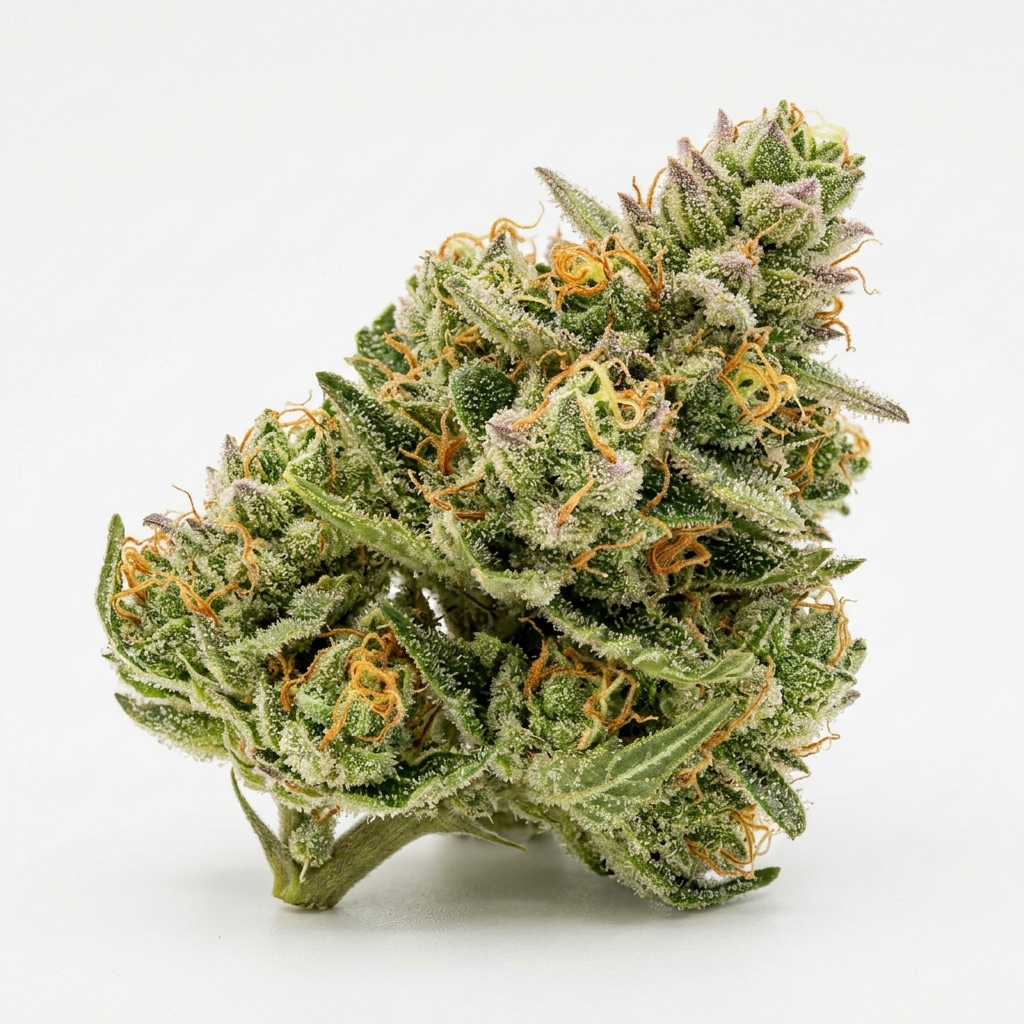
Banjerine is a sativa-dominant cannabis cultivar originally bred by Atlas Seed. Created through the pairing of the pungent citrus-forward cut Banjo with the sweet, resin-dense Cotton Candy line, Banjerine was engineered specifically to combine intense tropical citrus terpene expression with field vigor, rapid ripening, and commercial extractability. Known for its intense tangerine and mandarin bouquet with subtle fuel undertones, the cultivar has established a presence among both sungrown cultivators and craft hash makers.
Strain Profile & Genetics
- Breeder: Atlas Seed
- Genetics: Banjo × Cotton Candy
- Type: Sativa-dominant hybrid (frequently classified as an 80/20 sativa-leaning profile)
- Seed Type: Feminized (available in photoperiod semi-full-term, fast flowering, and autoflowering variants)
- THC Potential: 16%–29.88% (varying across agricultural batches and phenotype selections)
- CBD Content: Not reliably established (typically below 1% in analytical certificates of analysis)
- Dominant Terpenes: Beta-caryophyllene, beta-myrcene, limonene, humulene
- Flowering Duration: Approximately 70 to 80 days
- Outdoor Harvest Window: September (Northern Hemisphere) / March (Southern Hemisphere)
- Plant Structure: Highly uniform, robust lateral branching with moderate internodal spacing
- Yield: High / above average
- Aroma: Fresh mandarin oranges, tangerine peel, light diesel fuel, and confectionary floral sweetness
- Flavor: Bright citrus syrup, tangerine zest, mild herbal spice, and light fuel
- Mental Effects: Uplifting, mentally clear, motivating, and creative
- Body Effects: Mild somatic relaxation, easing tension without heavy physical lethargy
- Resin & Extraction Performance: High glandular trichome density with above-average yields in cold-water washing and rosin pressing
Appearance
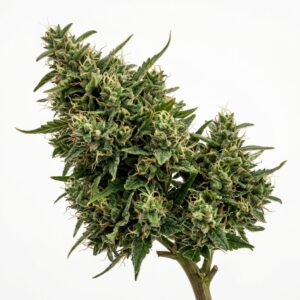
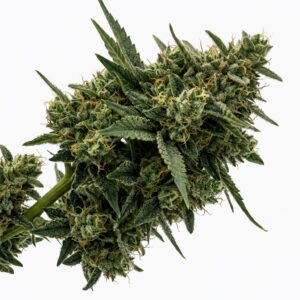
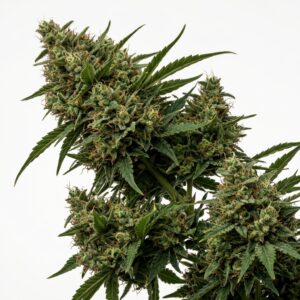
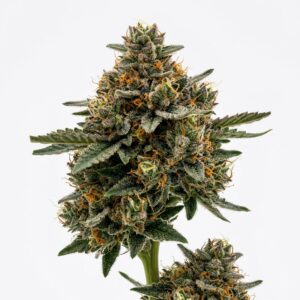
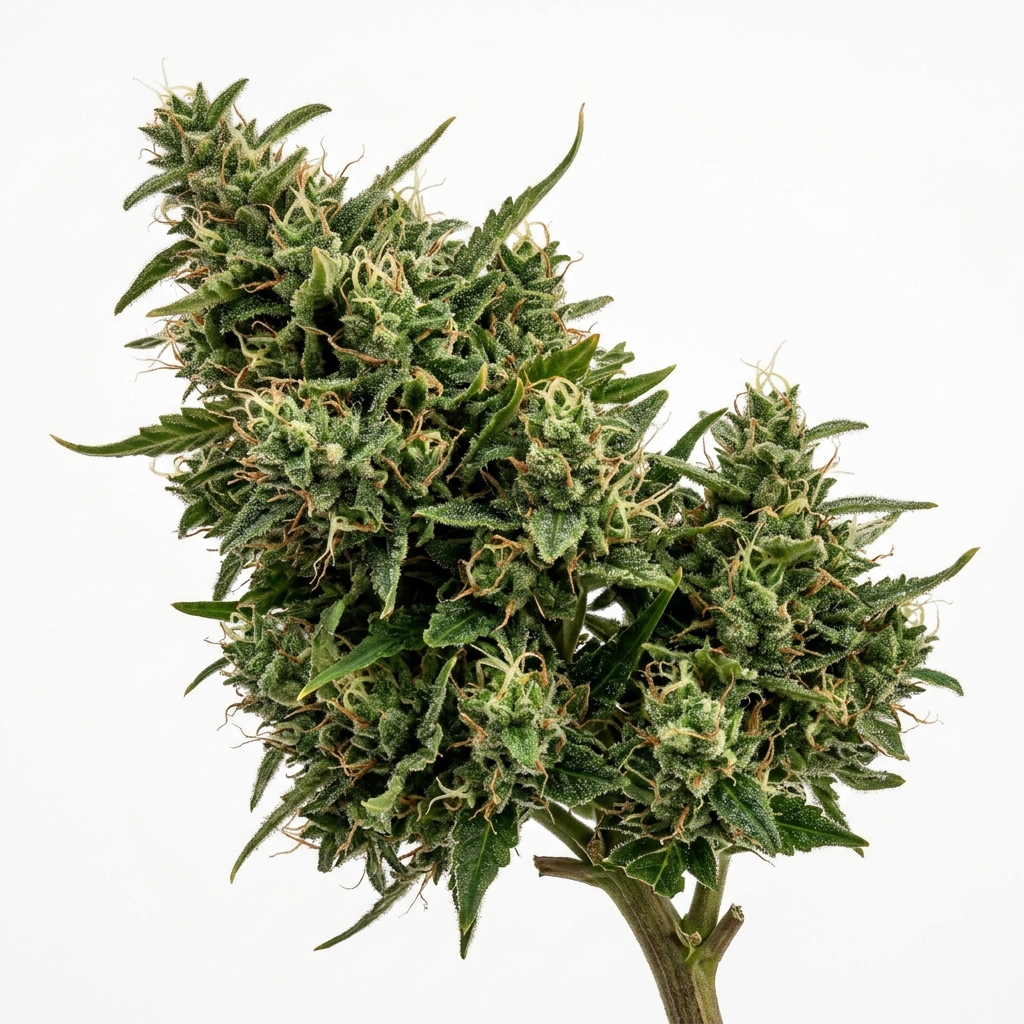
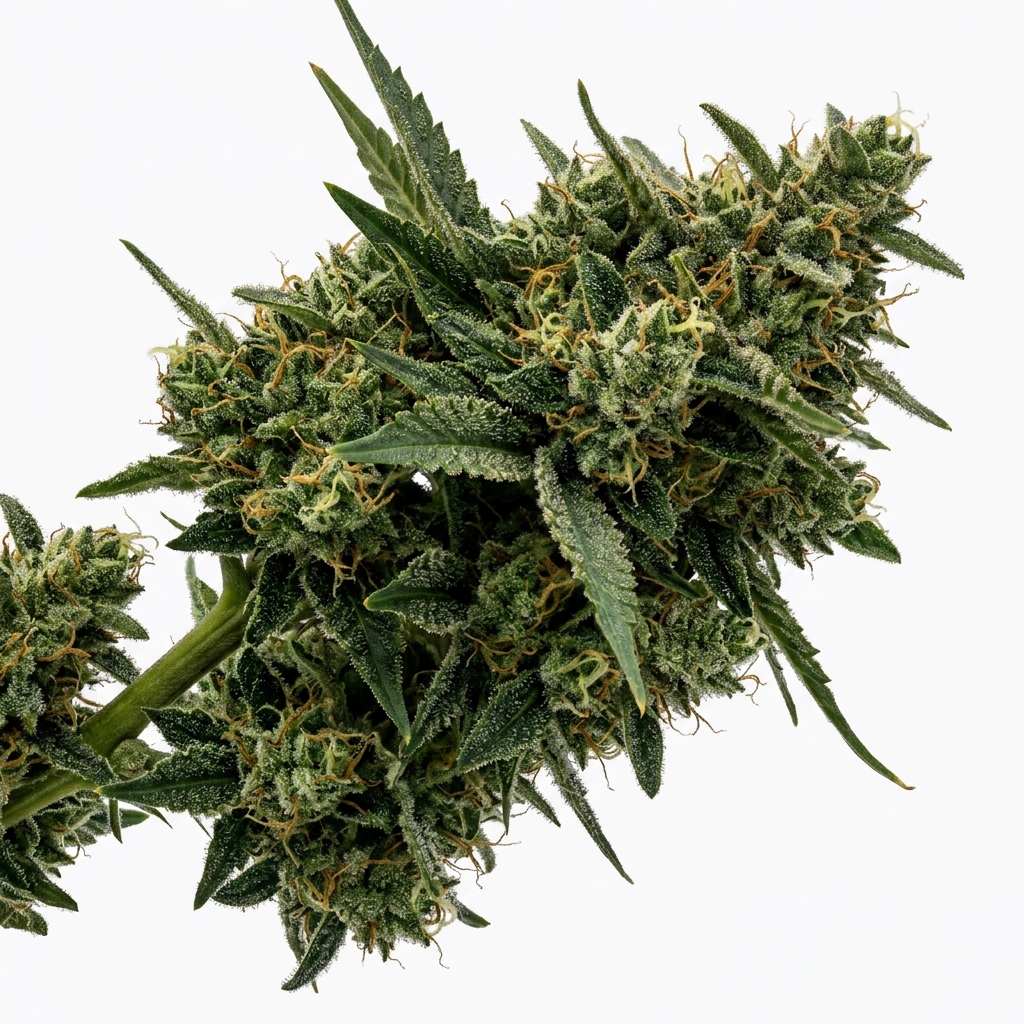
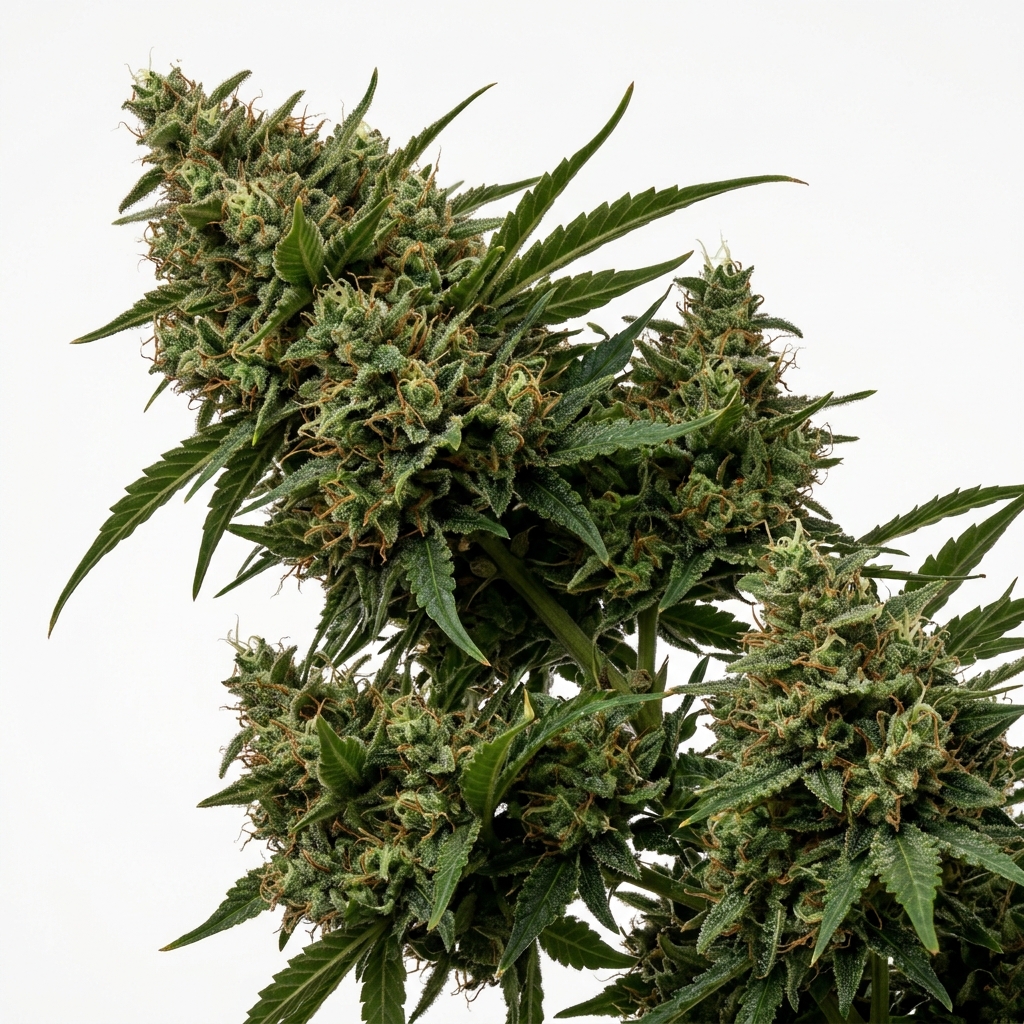
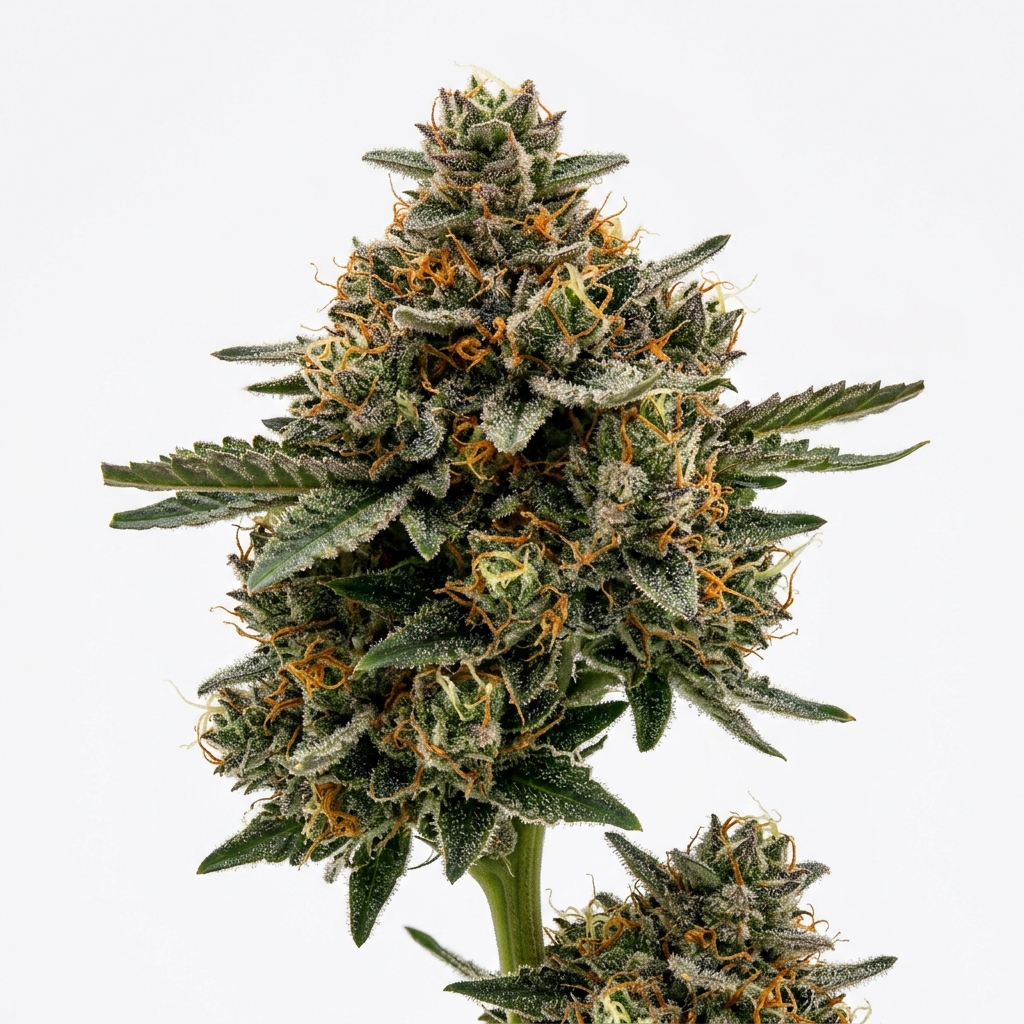
Banjerine produces dense, medium-to-large inflorescences characterized by high morphological uniformity. The floral clusters display forest green to lime green calyxes, often interspersed with subtle purplish-lavender shades when exposed to cooler night temperatures during late bloom. Bracts are densely layered and heavily coated with a crystalline blanket of capitate-stalked glandular trichomes, which extend well onto surrounding sugar leaves. Vibrant, burnt-orange to tangerine-hued pistils weave tightly through the bract clusters, accentuating the cultivar’s citrus-themed presentation.
Aroma & Flavor
The olfactory signature of Banjerine is prominently driven by pungent, sharp citrus. Atlas Seed describes the cultivar as exuding orange citrus notes with notable voracity, with individual phenotypes leaning closely into ripe mandarin oranges, fresh tangerine zest, and subtle hints of petroleum fuel inherited from its Banjo heritage. Confectionary undertones from the Cotton Candy parental line add a soft, floral sweetness reminiscent of spun sugar and dried roses.
On the palate, the strain translates cleanly into bright, candied orange and sweet citrus zest on the initial inhalation. As the vapor lingers, secondary notes of ground black pepper, herbal spice, and faint diesel emerge on the exhale, providing an earthy balance to an otherwise sweet and zesty profile.
Terpene Profile
Analytical laboratory tests and breeder documentation identify Banjerine as a limonene-, myrcene-, and caryophyllene-rich profile:
- Beta-Caryophyllene: Often the leading terpene in dispensary batch testing, contributing subtle warm spice, woody notes, and gastrointestinal/cannabinoid receptor affinity.
- Beta-Myrcene: Provides sweet herbal nuances, supporting physical ease and complementing the fruity bouquet.
- Limonene: Responsible for the characteristic sweet mandarin and tangerine peel fragrance, commonly associated with clean sensory stimulation and mood elevation.
- Humulene: Delivers an earthy, slightly hoppy secondary aromatic layer that grounds the sharper citrus components.
- Linalool: Present in trace concentrations, lending subtle lavender and floral sweetness.
Potency & Cannabinoids
Potency in Banjerine varies notably based on agricultural method and specific filial cut. Breeder documentation from Atlas Seed notes general baseline ranges between 16% and 24% THC for autoflowering and semi-full-term variants, while state-regulated dispensary batch testing of sungrown photoperiod flower has documented cannabinoid levels ranging between 18.9% and 29.88% total THC. Minor cannabinoids such as cannabigerol (CBG/CBGa) frequently appear between 0.5% and 1.5%, while neutral CBD and CBDa remain consistently below 0.2% or below the limit of quantitation (<LOQ).
Effects
Consumer and retail reports consistently describe Banjerine as a versatile daytime and early-evening cultivar. Its subjective effects lean decidedly into its sativa lineage while retaining sufficient physical grounding to avoid overstimulation.
Mental Effects
The onset is typically noted as rapid and mentally elevating. Consumers report an immediate brightening of mood, sensory engagement, and a light surge of creative curiosity. Because it generally avoids raciness or mental cloudiness, Banjerine is often selected for focused hobbies, outdoor recreation, collaborative work, and daytime social settings.
Body Effects
As the initial head elevation settles, the Cotton Candy and Banjo lineage introduces a subtle, spreading wave of somatic relaxation. Muscle tension softens and mild stress dissipates without inducing heavy sedation, couch lock, or motor sluggishness.
Cultivation Characteristics
Banjerine was bred by Atlas Seed with outdoor farming viability, canopy uniformity, and disease resistance as primary breeding targets:
- Vigor & Uniformity: Atlas Seed reports exceptional vegetative vigor and consistent internodal spacing across phenotypes, making the cultivar easily manageable in field-scale canopies and trellised commercial rooms.
- Flowering Time: Operates on an approximate 70-day indoor flowering cycle. In fast-flowering / semi-full-term outdoor applications, it finishes within 70 to 80 days.
- Outdoor Harvest Scheduling: Designed to finish reliably before late-season rains, Banjerine typically reaches peak physiological maturity in September in the Northern Hemisphere and March in the Southern Hemisphere when sown in early to mid-May and transplanted by early June.
- Pathogen Resistance: Features above-average resistance to botrytis (bud rot) and powdery mildew, an essential trait passed down to protect its dense floral structures under damp autumn conditions.
- Yield Potential: Rated as high, yielding substantial harvests under optimized organic sungrown or full-spectrum indoor lighting regimens.
Resin & Extraction Characteristics
A notable feature of Banjerine is its resin chemistry. Atlas Seed specifically bred and tested the cultivar for extraction performance, reporting that the terpene profile of Banjo transfers completely into dry flower and extracted products. Commercial processors report above-average wash yields when agitating fresh-frozen Banjerine biomass in ice-water filtration setups. The cultivar’s gland heads separate cleanly, producing fragrant blonde bubble hash that presses into terpene-rich live rosin with pronounced citrus and fuel flavors.
Scientific & Botanical Overview
Taxonomically, Banjerine represents a complex polyhybrid within Cannabis sativa L. It combines tropical African and heirloom sativa genetics inherited through Cotton Candy’s line (Power Plant and South African landrace genetics blended with Lavender) with the citrus-heavy hybrid background of Banjo (a combination of Boost and Tangelo). This background balances extended trichome maturation cycles against expedited fast-flowering traits, yielding high concentrations of monoterpenes alongside substantial sesquiterpene depth.
Lineage & Related Strains
The direct parents of Banjerine are:
- Banjo: A prized hybrid bred from Boost × Tangelo, known for pungent notes of tangerine peel, sour diesel, and stimulating cognitive qualities.
- Cotton Candy: A cross of Power Plant × Lavender, recognized for dense floral architecture, rich resin production, and confectionary berry sweetness.
Disambiguation Note: Some low-confidence strain aggregators inaccurately list Banjerine as a direct cross of Banana Kush × Tangelo. The original documented release is the Banjo × Cotton Candy pedigree stabilized and cataloged by California’s Atlas Seed.
Sources & Data Notes
Cultivation guidelines, lineage documentation, and morphological traits are sourced directly from Atlas Seed breeder catalogs and authorized seed distributors (Multiverse Beans, North Atlantic Seed Co., SeedFinder). Chemical potency data and dominant terpene distributions reflect regulatory retail lab certificates of analysis (Good Green, Bloom Dispensaries, and Bannermans Batch) as well as independent cultivator grow logs. Individual batch potency spans 16% to 29.88% THC depending on environmental parameters and specific seed format (semi-full-term photoperiod versus autoflower).
Banjerine Summary
Banjerine by Atlas Seed is a resilient, sativa-leaning cultivar uniting Banjo and Cotton Candy. Prized for its vivid tangerine, mandarin, and light-diesel aromatics, the strain provides an energetic, mood-elevating experience coupled with mild somatic relaxation. With high mold resistance, a predictable September harvest window, and exceptional bubble hash wash yields, Banjerine serves as an adaptable choice for commercial outdoor growers, indoor cultivators, and solventless extractors alike.