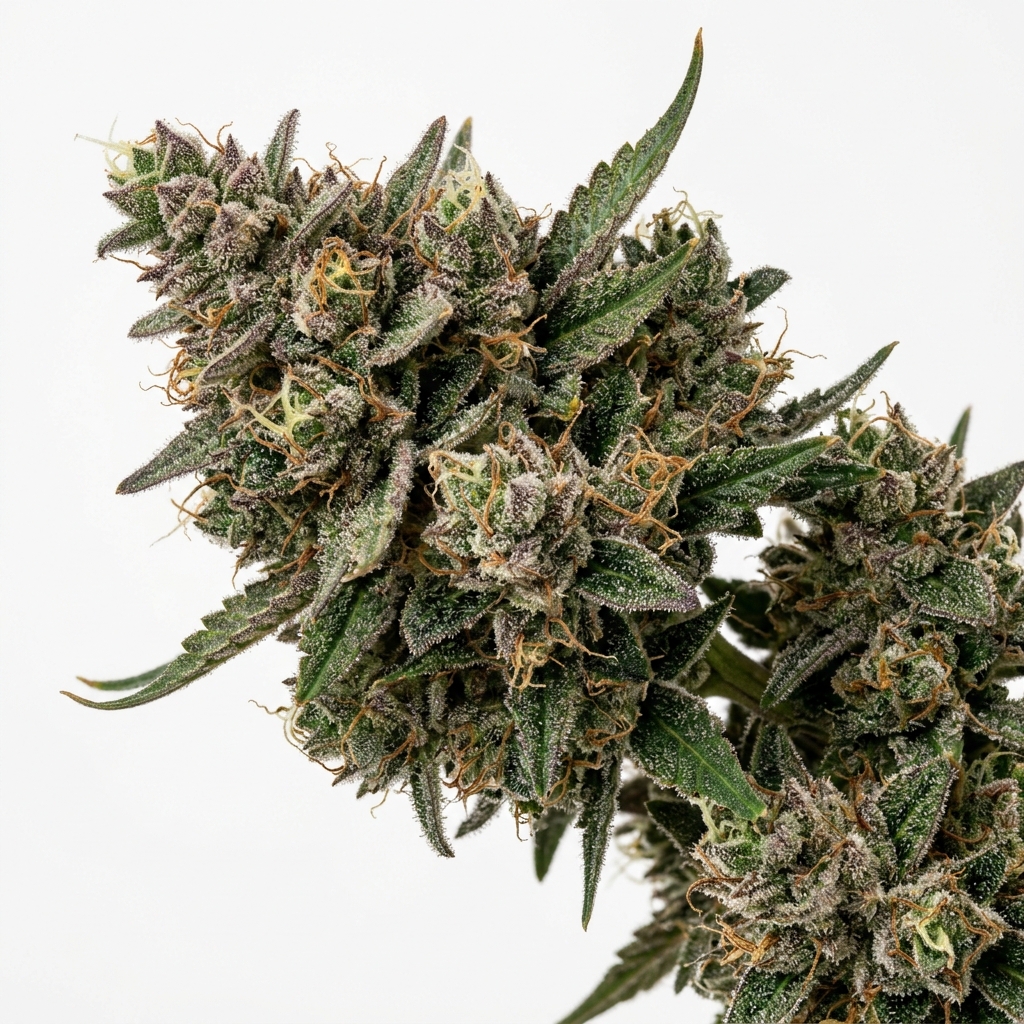
Time Change is an indica-classified cannabis cultivar recognized in regulated state markets for its dessert-fuel aromatic profile, purple-tinged coloration, and deeply sedating physical footprint. While the cultivar is best known across commercial dispensaries as a cross of Gelato #41 and Jealousy produced by multi-state operator Good Day Farm, botanical databases also record a separate, lesser-known heritage pairing Vortex and Blood Wreck. In its primary modern form, Time Change captures the sweet anthocyanin-rich terpene signatures of the Cookies and Gelato lines, delivering dense, resinous flowers characterized by notes of syrupy grape confection and sharp floral petroleum.
Strain Profile & Genetics
- Genetics: Disputed (Commercial dispensary batches cite Gelato #41 × Jealousy; alternate secondary databases cite Vortex × Blood Wreck)
- Type: Indica
- THC Content: 17.62%–20.73% (tested flower batches)
- CBD Content: < 1% (CBDA 0.02% in flower; 0.12% in processed distillate)
- Primary Terpenes: Limonene, Beta-Caryophyllene, Linalool, Humulene, Nerolidol
- Aroma: Grape candy, floral gas, syrupy sweetness
- Flavor: Sweet candied grape, floral undertones, diesel
- Mental Effects: Mood elevation, cerebral calm, perceived temporal deceleration (subjective)
- Body Effects: Deep muscular easing, heaviness, sedation (subjective)
- Resin / Extraction: High glandular trichome density suitable for solvent-based and hydrocarbon extracts
Appearance
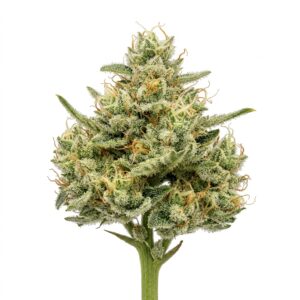
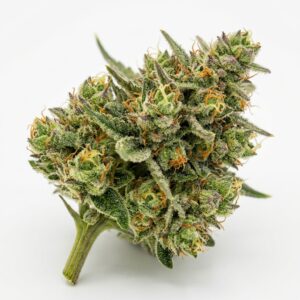
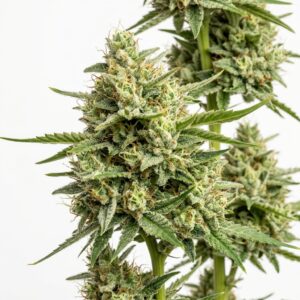
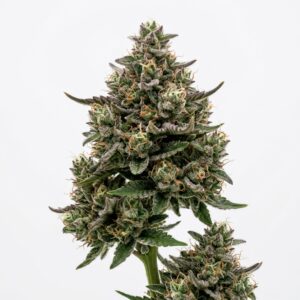
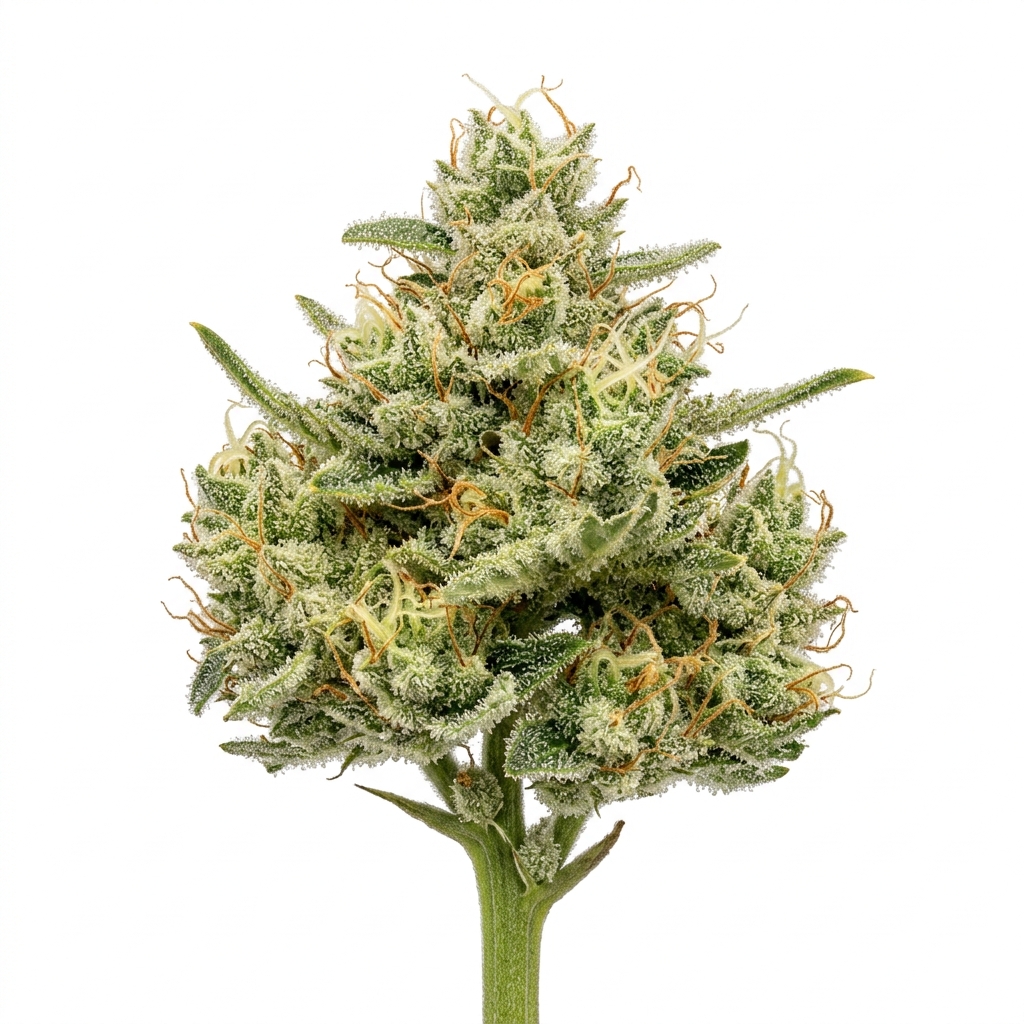
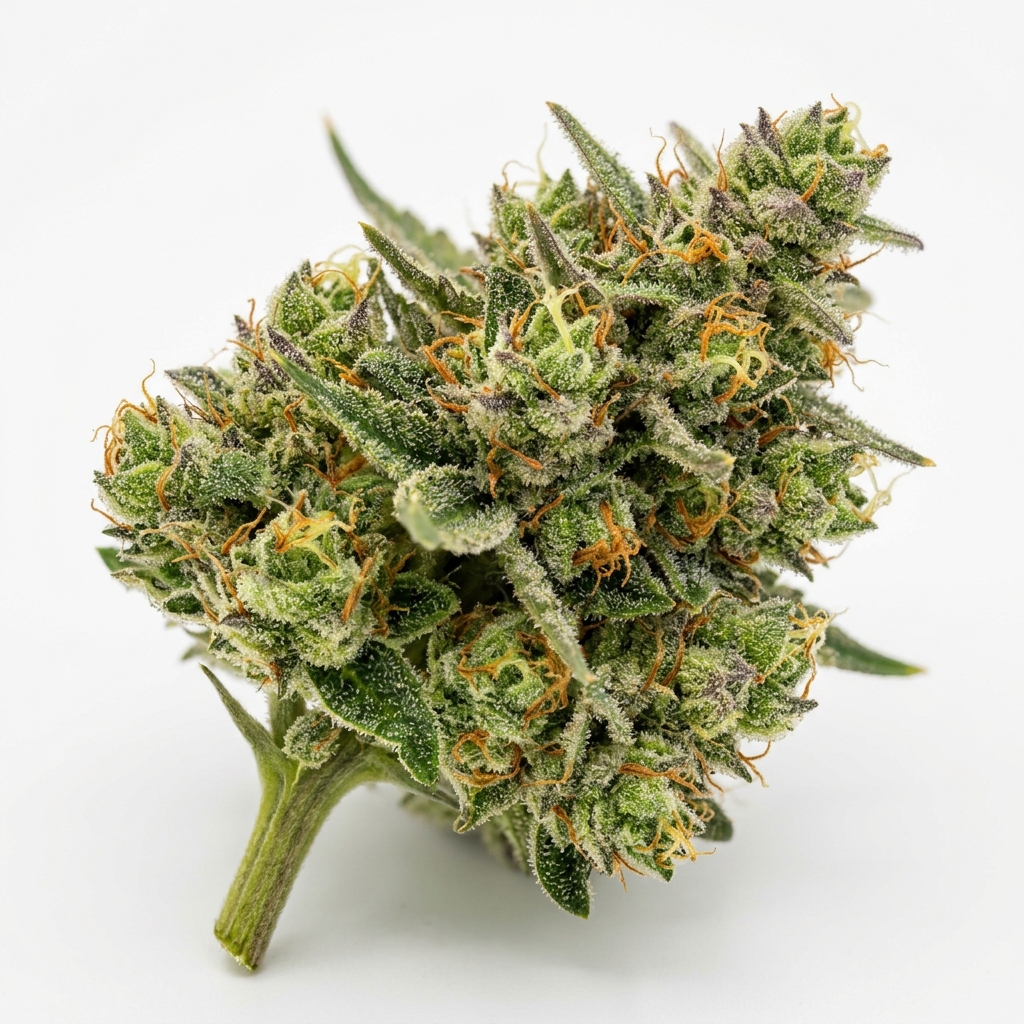
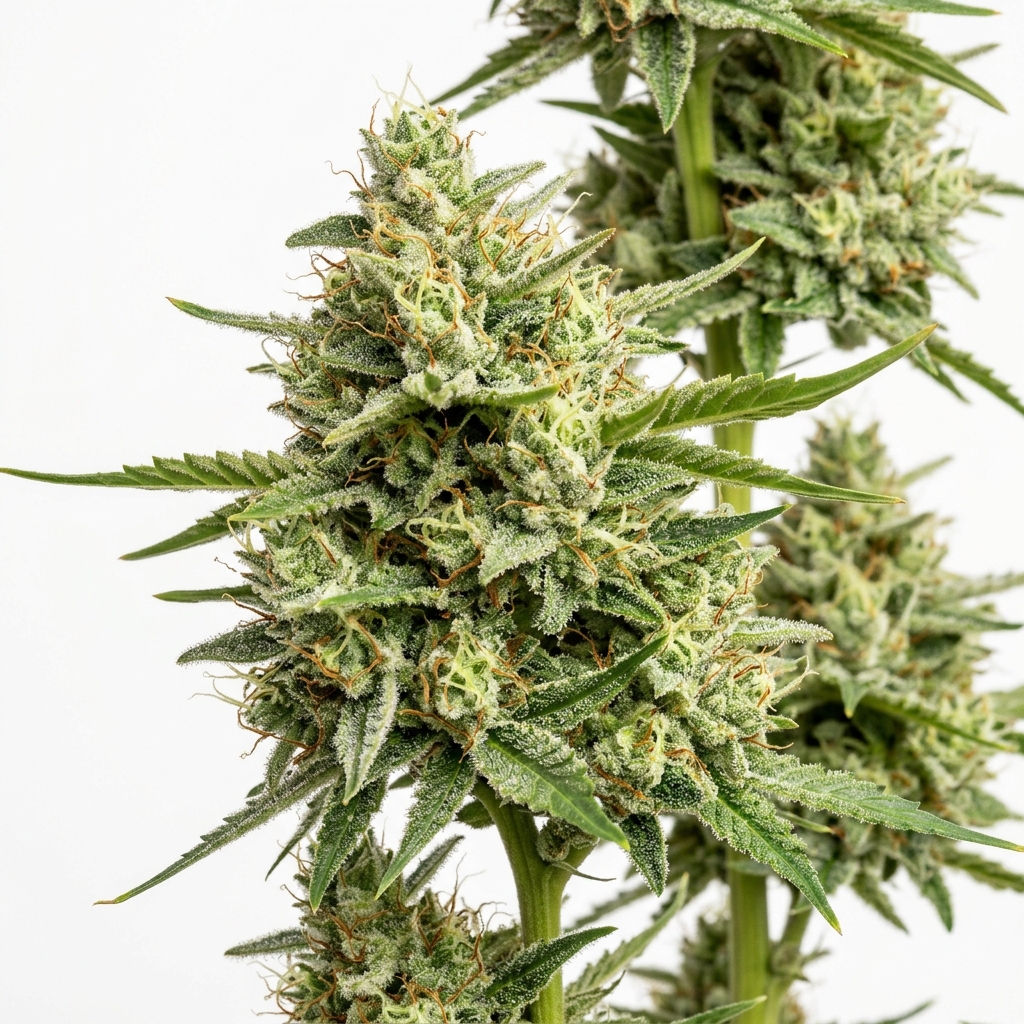
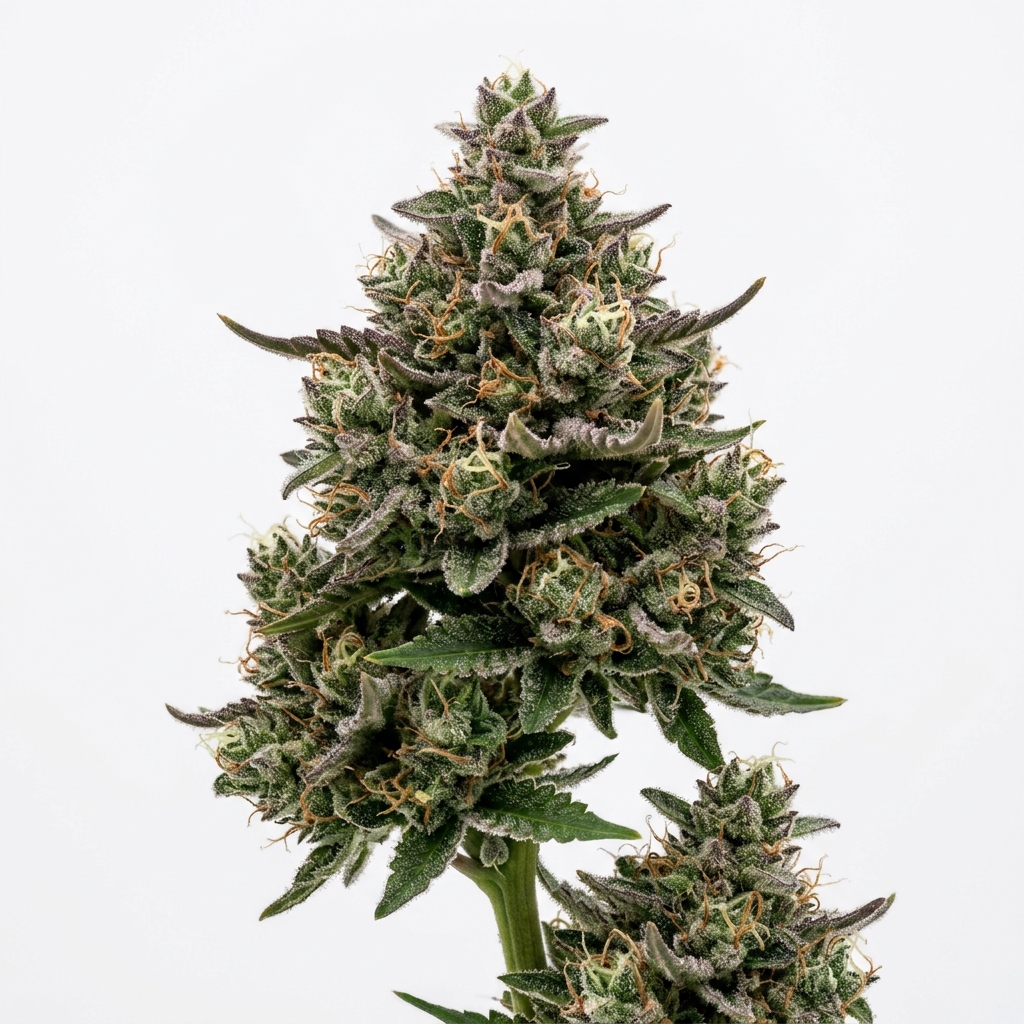
Time Change produces medium-sized, tightly clustered floral structures with characteristic indica morphology. The calyxes exhibit an intricate chromatic pattern, displaying deep forest greens heavily mottled with purple and violet pigmentation resulting from anthocyanin expression. A generous coating of capitate-stalked glandular trichomes blankets both the floral bracts and adjoining sugar leaves, imparting a frosted, crystalline sheen. Slender, copper-to-amber pistils twist throughout the flower structure, creating sharp visual contrast against the dark violet and olive bract tissues.
Aroma & Flavor
The olfactory profile of Time Change opens with a dominant note of concentrated grape syrup and candied berries, inherited from its Gelato-leaning lineage. Breaking apart the cured inflorescences releases pungent hydrocarbon undertones, combining sharp petroleum diesel with an herbaceous, floral bouquet. On the palate, the smoke or vapor delivers an initial burst of sugary grape confectionery, followed closely by an earthy, peppery gas on the exhale. A lingering sweet floral aftertaste persists on the tongue, creating a complex dessert-gas sensory presentation.
Terpene Profile
Analytical lab testing of commercial flower batches reveals a total terpene concentration ranging between 0.98% and 1.34%. Primary analytical breakdown identifies d-limonene (tested up to 3.43 mg/g) and beta-caryophyllene (tested up to 3.13 mg/g) as co-dominant constituents. These are reinforced by linalool (1.30 mg/g) and alpha-humulene (1.11 mg/g), with minor contributions from beta-pinene (0.83 mg/g), alpha-pinene (0.57 mg/g), beta-myrcene (0.30 mg/g), trans-nerolidol, caryophyllene oxide (0.14 mg/g), and camphene (0.12 mg/g). This balanced terpene matrix explains the cultivar’s dual presentation of sweet citrus-floral brightness and heavy, peppery diesel.
Potency & Cannabinoids
Third-party certificates of analysis on commercial Time Change flower document total THC concentrations ranging from 17.62% to 20.73%. In representative high-resolution batch testing, THCA registers at 20.79% alongside 1.13% active delta-9-THC, yielding an active total THC of 19.36%. The secondary cannabinoid spectrum demonstrates meaningful trace accumulation, including cannabigerolic acid (CBGA) at 0.40%, cannabichromenic acid (CBCA) at 0.20%, free cannabigerol (CBG) at 0.07%, tetrahydrocannabivarinic acid (THCVA) at 0.07%, and cannabidiolic acid (CBDA) at 0.02%. Concentrated oil products derived from the cultivar have tested upward of 83.4% THC and 0.12% CBD.
Effects
Reported subjective experiences identify Time Change as a potent, evening-oriented cultivar with prominent sedative properties. Because human responses vary based on individual endocannabinoid tone and dosage, these effects remain anecdotal.
Mental Effects
Consumers typically report a gentle cerebral onset that reduces mental tension, quietens racing thoughts, and encourages a calm, contented headspace. In keeping with its colloquial moniker, many users note an altered subjective perception of time, where minutes appear to pass with marked leisure alongside mild euphoria.
Body Effects
The physical manifestation is characterized by profound bodily easing, muscle loosening, and heavy relaxation. As the duration progresses, the initial soothing sensation often shifts into physical inertia and couchlock, frequently culminating in drowsiness and natural sleep readiness.
Resin & Extraction Characteristics
Because of the dense glandular coverage inherited from Gelato #41 and Jealousy, Time Change yields substantial resin returns. The cultivar is actively deployed in commercial facilities for single-source hydrocarbon vapor cartridges and dabbable concentrates. The trichome heads detach readily under mechanical agitation and dissolve cleanly during light hydrocarbon extraction, retaining the volatile grape and beta-caryophyllene terpene fractions into the finished extracts.
Scientific & Botanical Overview
Taxonomically, Time Change belongs to the species Cannabis sativa L., exhibiting the morphological and physiological traits conventionally designated as an indica chemotype. Chemically, it falls into Chemotype I, characterized by high tetrahydrocannabinolic acid (THCA) synthesis with low cannabidiolic acid (CBDA) accumulation. The dominant interaction between limonene, beta-caryophyllene, and linalool provides a classic representation of modern polyhybrid breeding, where volatile monoterpenes and sesquiterpenes modulate the psychoactive potency of high-THC inflorescences.
Lineage & Related Strains
The prevailing commercial cut of Time Change descends from a direct cross of Gelato #41 (Sunset Sherbet × Thin Mint GSC) and Jealousy (Gelato #41 × Sherbet Bx1). This pairing represents a close-line breeding project designed to amplify the terpene-rich, high-resin traits of the Sherbet and Cookies genetic pools. Related cultivars within this immediate family tree include Jealousy, Shiraz, and various Gelato backcross selections. A separate historical entry associates the name Time Change with a cross of Vortex (Apollo 13 × Space Queen) and Blood Wreck (Chernobyl × Trainwreck), representing an unrelated genetic identity that emphasizes citrus and tropical profiles rather than the dominant grape-gas profile seen in commercial markets.
Sources & Data Notes
Data compiled for this profile originates directly from state-regulated dispensary Certificates of Analysis (COAs), licensed producer records from Good Day Farm, and genealogical documentation in specialist cannabis archives. Laboratory values reflect real-world testing from commercial flower, popcorn, pre-roll, and vaporized oil batches. Where agricultural parameters (such as indoor flowering photoperiod duration, square-meter yield, and outdoor harvest dates) have not been formally released by the primary breeding source, they have been left unstated to prevent speculative reporting.
Time Change Summary
Time Change is an indica-classified cannabis strain known primarily for its Gelato #41 and Jealousy pedigree. Testing reliably between 17.62% and 20.73% THC with 0.98% to 1.34% total terpenes, it delivers a distinct flavor and aroma marked by grape candy, floral bouquets, and sharp petroleum gas. Backed by high resin production and dominant concentrations of limonene, beta-caryophyllene, and linalool, it is recognized for delivering deep physical relaxation and a calm, tranquil sensory experience.