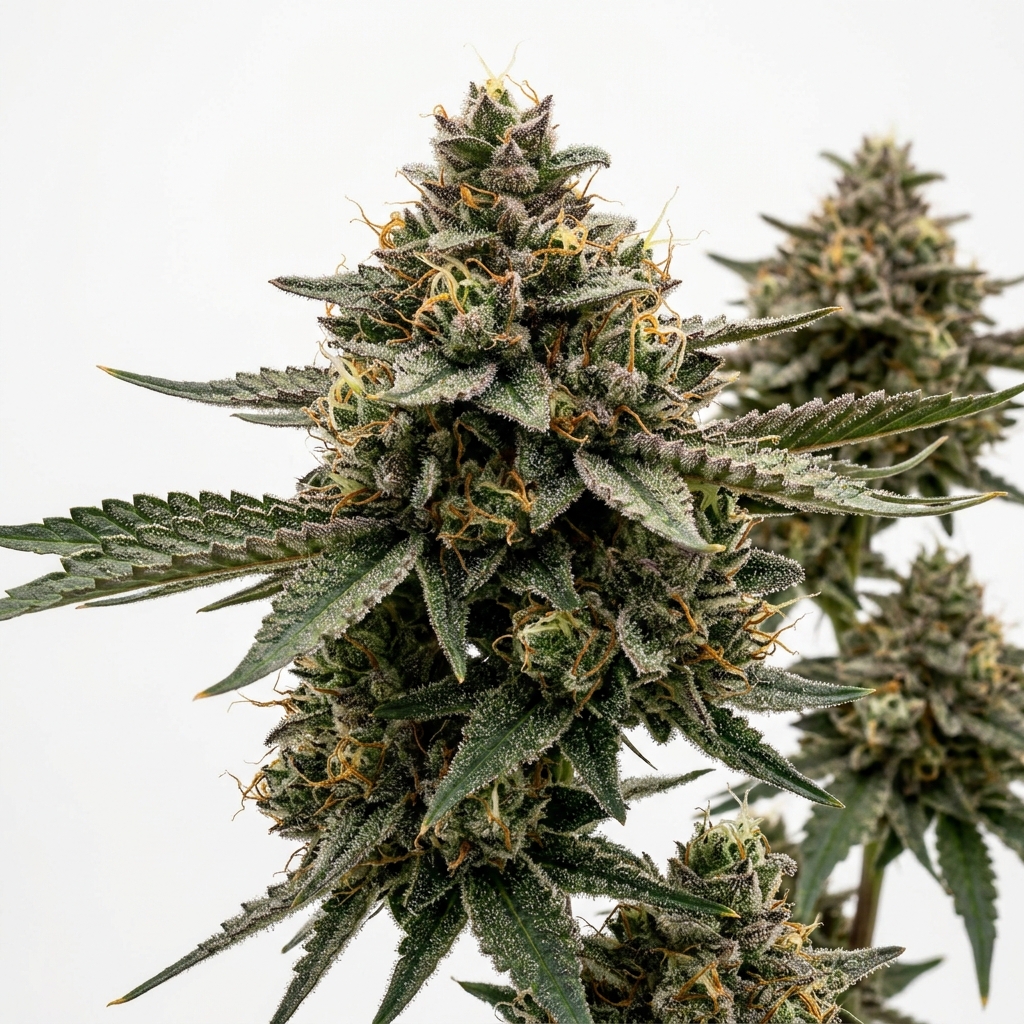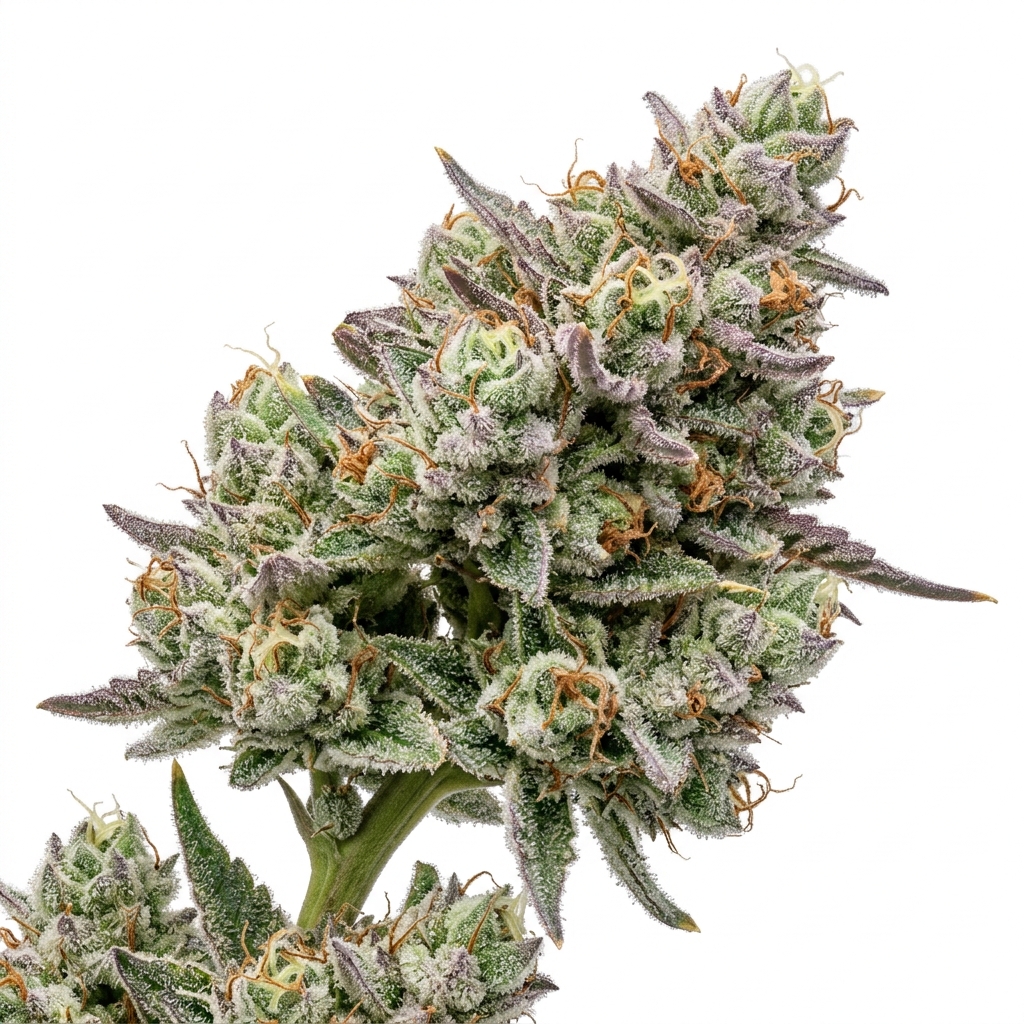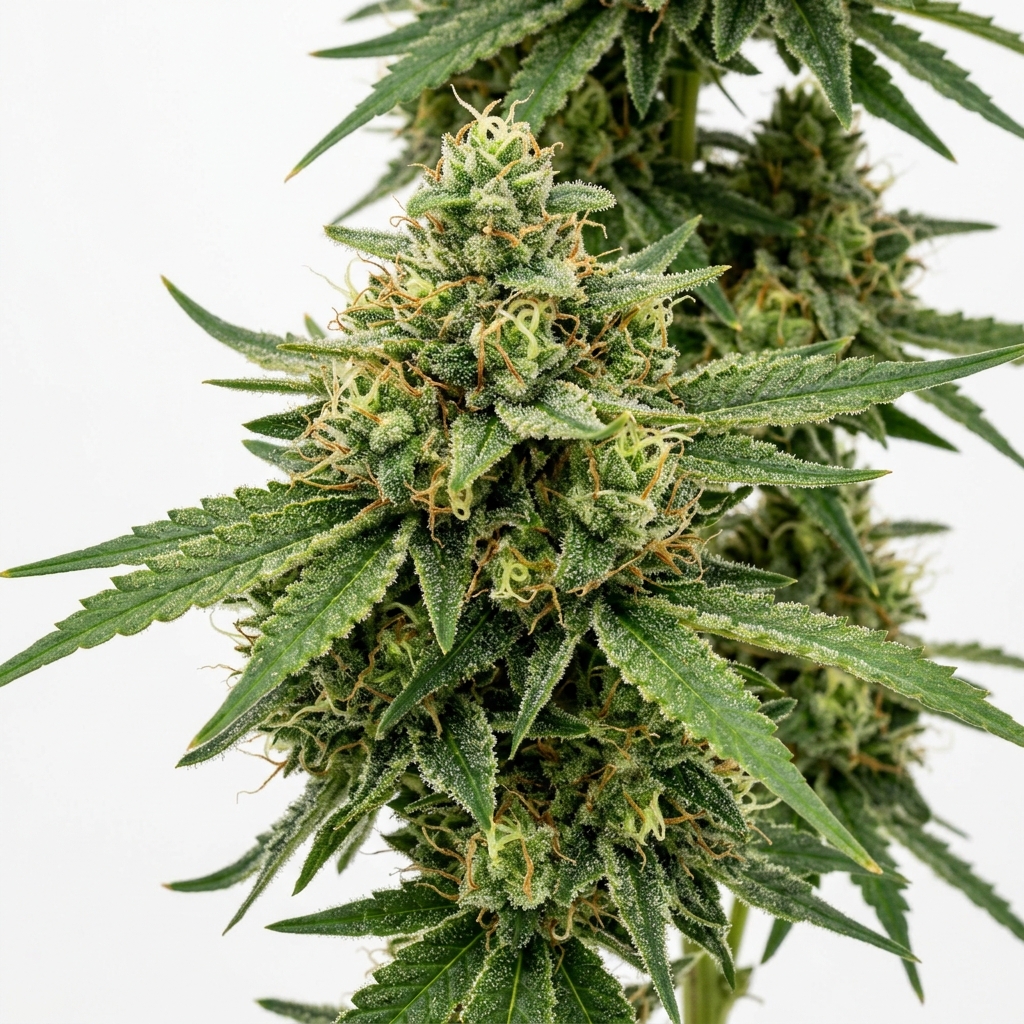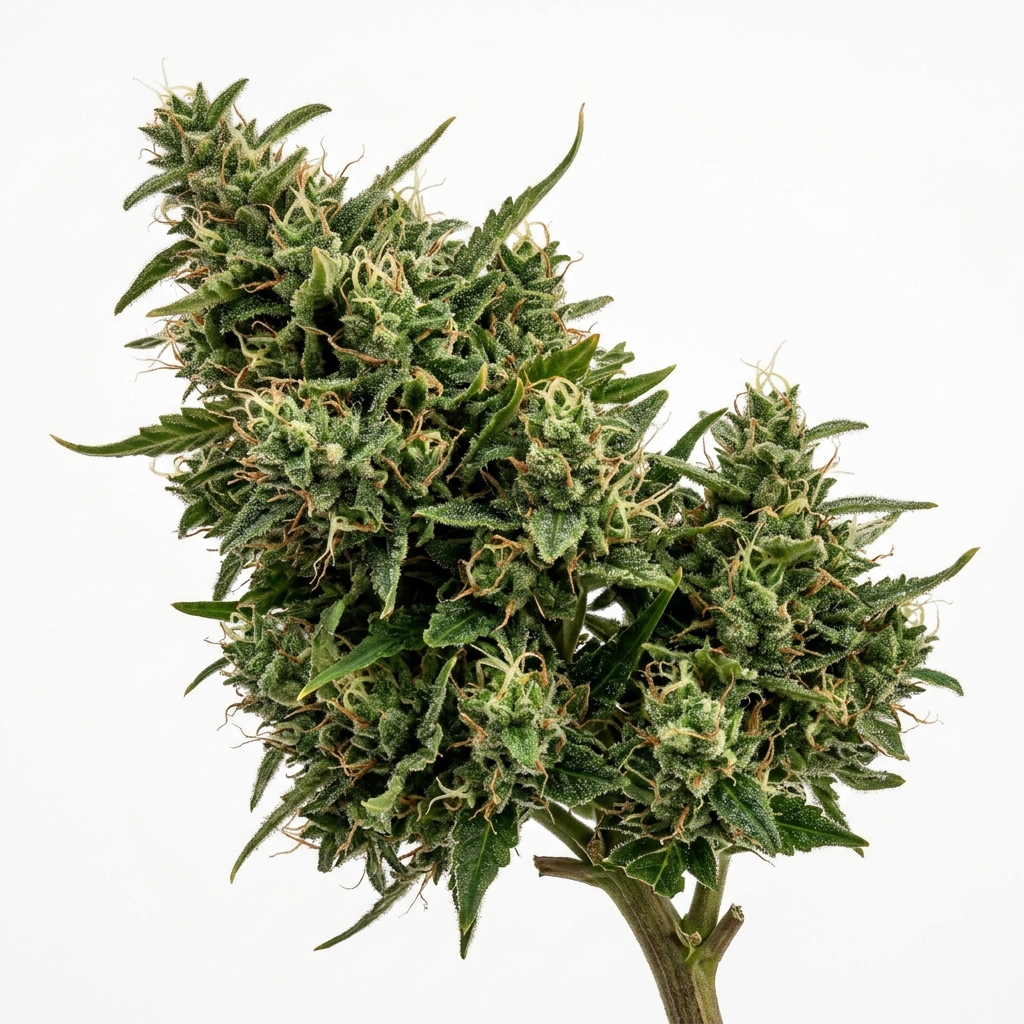
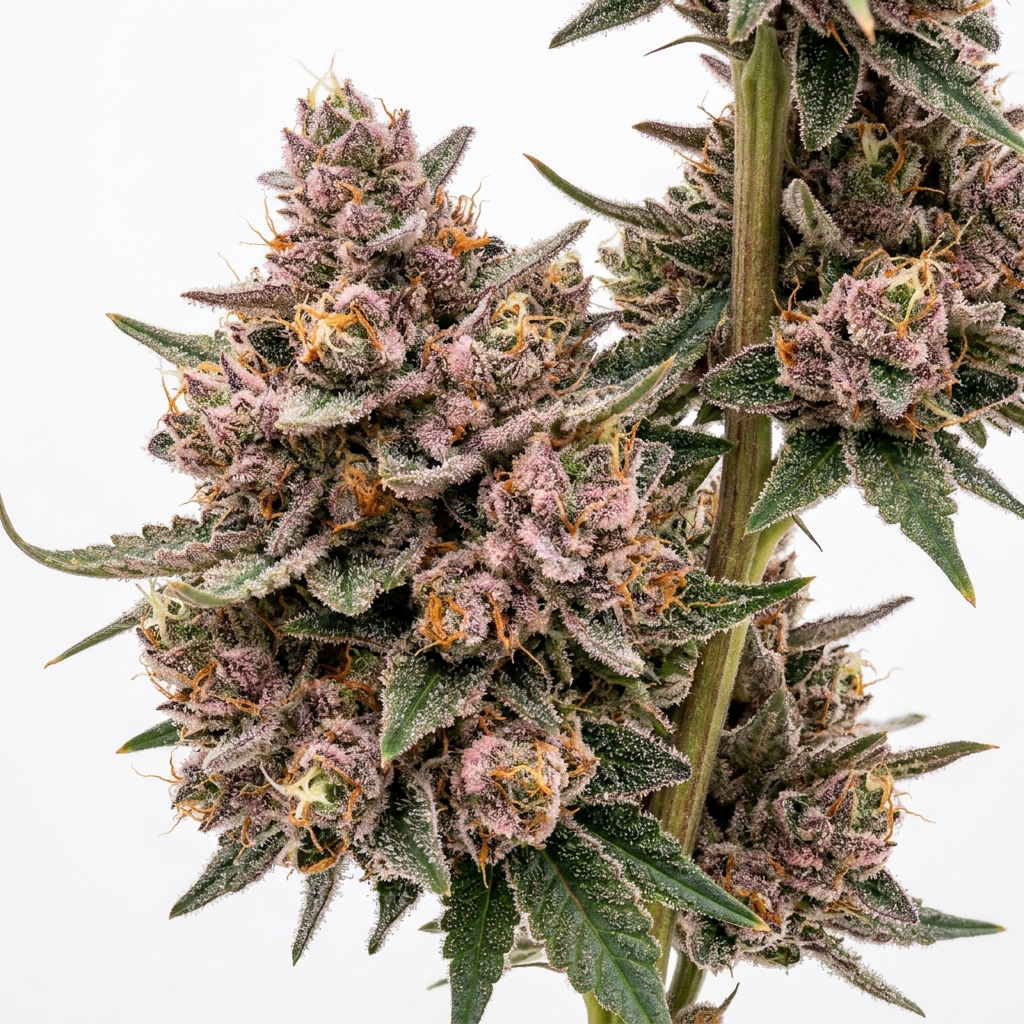
Pink Lobster is an indica-dominant hybrid cannabis cultivar bred through a collaboration between Chris Lynch of Cipher Genetics and the cultivators at Maine Trees. Originally introduced to seed catalogs under the designation Cotton Candy Lobster and released to dispensary menus under the name Pink Lobster, this cultivar crosses Cotton Candy Runtz with Maine Trees’ acclaimed Blue Lobster cut (an Apples and Bananas × Eye Candy selection). Renowned for intense dessert aromatics, deep pink-to-violet coloration, and a generous coating of crystalline trichomes, Pink Lobster delivers a functional balance of mood-elevating cerebral stimulation and soothing physical calm.
Strain Profile & Genetics
Pink Lobster stands as a premier selection within Cipher Genetics’ dedicated line of Blue Lobster crosses introduced in 2024. Blue Lobster rose to national prominence after securing multiple accolades at the 2023 East Coast Zalympix, noted for its complex candied gas profile and heavy resin production. By introducing Cotton Candy Runtz—a sweet cross blending Runtz with Cotton Candy Kush—breeders emphasized sugary confectionary terpenes while preserving the anthocyanin density and structural integrity of the original clone.
- Breeder: Cipher Genetics and Maine Trees
- Genetics: Cotton Candy Runtz × Blue Lobster
- Type: Indica-dominant hybrid
- Seed Type: Feminized photoperiod
- THC Range: 20%–28% (tested flower batches)
- CBD Range: < 0.3% (typically 0.05%–0.25%)
- Dominant Terpenes: Linalool, Limonene, β-Caryophyllene, β-Myrcene
- Flowering Time: 50 to 65 days (indoor)
- Plant Structure: Medium height, strong apical dominance, sturdy lateral branching, dense golf-ball nodal stacking
- Yield Potential: Medium indoors (approximately 350–500 g/m²)
- Aroma: Spun sugar, candied berries, ripe fruit, creamy sweetness, subtle floral spice
- Flavor: Confectionary candy, tropical fruit, berry syrup, light black pepper on exhale
- Mental Effects: Uplifting euphoria, cheerful headspace, mental lucidity, social chattiness
- Body Effects: Smooth muscular relaxation, gentle body ease, unhurried calming sensation
- Resin & Extraction: Heavy capitate-stalked trichome coverage, suitable for live resin and solventless extraction
Appearance
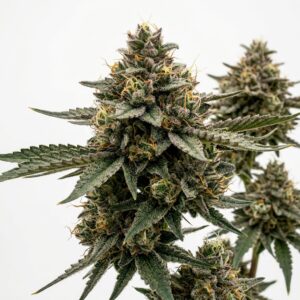
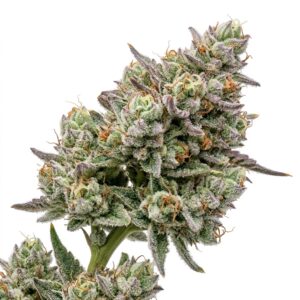
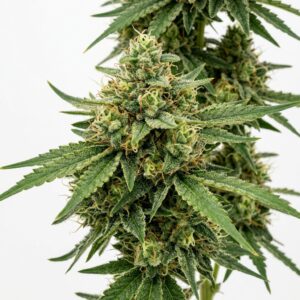
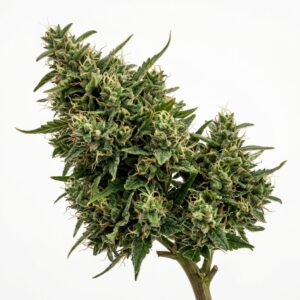
True to its descriptive moniker, Pink Lobster develops visually striking coloration during the late floral cycle. Mature buds form tightly packed, medium-to-large calyx groupings that stack into dense, rounded conical clusters. Under regulated cooler night temperatures, floral bracts express genuine pink, lavender, and deep violet tones driven by significant anthocyanin accumulation. The flowers are coated in an opaque, sugar-glazed crust of capitate-stalked glandular trichomes with bulbous resin heads. Delicate, bright tangerine to coral-hued pistils curl tightly across the surface, providing high-contrast bag appeal against the dark purple and pastel pink foliage.
Aroma & Flavor
The olfactory profile of Pink Lobster leans heavily into modern candy genetics. Unbroken flowers emit an immediate fragrance of spun sugar, berry syrup, and fruit chew candies inherited from the Runtz and Cotton Candy lineage. Grinding or breaking the bracts releases a deeper aromatic complexity: ripe blueberries, subtle grape, creamy dessert undertones, and a background hint of citrus zest and earthy spice derived from the Blue Lobster parent.
On inhalation, the smoke is dense yet smooth, coating the palate with upfront flavors of sweet confection, mixed berries, and tropical fruit. The exhale transitions smoothly toward a creamy, slightly doughy base with faint floral lavender notes and a lingering trace of cracked black pepper that keeps the intense sweetness from becoming cloying.
Terpene Profile
Analytical certificates of analysis (COAs) across commercial batches in legal markets frequently demonstrate total terpene content ranging between 1.4% and 2.4%. The primary constituent terpenes include:
- Linalool: Unusually prominent for a dessert cultivar, contributing delicate floral, lavender-like aromatics that accentuate the candy finish and support mild calming physical properties.
- Limonene: Adds bright citrus notes and crisp fruity nuances while supporting an elevated, cheerful emotional state.
- β-Caryophyllene: Delivers a faint peppery warmth on the finish; as a dietary cannabinoid, it selectively interacts with CB2 receptors.
- β-Myrcene: Provides foundational earthy, herbal undertones and contributes to the grounding physical comfort reported by users.
- Secondary Terpenes: Trace amounts of α-humulene, β-pinene, α-pinene, and α-bisabolol routinely register in analytical screens, rounding out its multi-tiered bouquet.
Potency & Cannabinoids
Licensed market laboratory testing places cured flower potency between 20% and 28% total THC, with delta-9-THC levels often under 1.5% and the remainder present as raw THCA (averaging 22% to 26% across most dispensary batches). CBD is typically minimal, registering below 0.3% (frequently between 0.05% and 0.25%). Minor cannabinoids include cannabigerol (CBG) and its acidic precursor (CBGA), which regularly test between 0.5% and 1.25%, alongside trace quantities of tetrahydrocannabivarinic acid (THCVA).
Effects
Note: Subjective cannabis experiences vary widely based on individual tolerance, dose, and unique endocannabinoid tone.
Mental Effects
Consumers frequently report an initial onset marked by a clear, sunny euphoria that brightens mood without inducing racing thoughts or acute disorganization. The cerebral experience is commonly described as cheerful, social, and functional, making it suitable for casual conversation, creative pursuits, or afternoon leisure. The presence of limonene and linalool helps maintain a calm, unbothered headspace while avoiding heavy mental fog.
Body Effects
Following the cerebral onset, a gentle, radiating wave of physical ease travels through the neck, shoulders, and extremities. Pink Lobster delivers significant physical comfort and softens muscle tightness, yet it generally lacks the immobilizing lethargy associated with heavier sedative cultivars. High doses can bring about deeper relaxation and eventual drowsiness, but at moderate levels, it remains a balanced, versatile option for late afternoon or evening unwinding.
Cultivation Characteristics
Pink Lobster exhibits predictable hybrid growth, drawing steady vegetative vigor from its Runtz ancestry and structural density from Blue Lobster. It develops a sturdy central stalk flanked by vigorous lateral branches that benefit from early apical topping and horizontal canopy management, such as a Screen of Green (SCROG) trellis. Internodal spacing is relatively tight, resulting in uniform, golf-ball-sized flower clusters along lower branches.
Indoors, the flowering phase completes within 50 to 65 days (approximately 7 to 9 weeks). Growers report moderate nutrient requirements, warning against excessive nitrogen late in vegetative growth or early flower. Introducing a 5°F to 10°F temperature drop during the final two weeks of maturation encourages maximal anthocyanin expression, coaxing out the signature lavender and pink calyx hues. Indoor yields typically reach a solid medium tier, averaging 350 to 500 grams per square meter under optimal LED lighting and environmental parameters.
Resin & Extraction Characteristics
Owing to the heavy glandular trichome coverage inherited from Blue Lobster, Pink Lobster performs exceptionally well in processing settings. The cultivar’s brittle, resin-dense trichome heads separate cleanly during solventless ice water extraction, while its high monoterpene and sesquiterpene retention translates into flavorful hydrocarbon extracts. Commercial processors frequently produce Pink Lobster live resin badder, testing well over 70% THC and more than 4% total terpenes, prized for its doughy consistency and pronounced sweet berry aroma.
Scientific & Botanical Overview
Taxonomically, Pink Lobster is an allotetraploid hybrid of Cannabis sativa L., optimized through selective breeding for high secondary metabolite concentration. The distinctive pastel coloration observed in mature inflorescences is a direct function of anthocyanins—water-soluble flavonoid pigments housed in the plant’s vacuoles. When chlorophyll production declines toward the conclusion of the life cycle, lower night temperatures down-regulate chlorophyll synthesis, allowing the red, violet, and purple anthocyanin pigments to dominate visual expression. Simultaneously, capitate-stalked trichomes reach maximum secretory density, producing high concentrations of phytocannabinoids and volatile terpenes in the glandular head disk cells.
Lineage & Related Strains
- Cotton Candy Runtz (Maternal / Pollen Parent): A cross of Runtz (Zkittlez × Gelato) and Cotton Candy Kush, contributing dense calyx structure, heavy sugar coatings, and pure candy-shop aromatics.
- Blue Lobster (Parental Selection): Maine Trees’ pheno-hunt of Façade (Apples and Bananas × Eye Candy), bred by Chris Lynch. Renowned for multi-award-winning terpene complexity, purple-blue hues, and pungent candied gas.
- Lobster OG & Grape Lobster: Sibling selections within Cipher Genetics’ Blue Lobster breeding projects, exploring gassy Kush and rich grape-dominant terpene profiles, respectively.
Sources & Data Notes
Genetics, seed releases, and cultivar naming conventions originate from official Cipher Genetics releases and documentation from Maine Trees. Cannabinoid and terpene metrics are gathered directly from certified batch testing conducted on retail flower lots distributed across state-regulated markets including Florida, Maryland, and Pennsylvania. Environmental timelines, growth habit, and indoor flowering parameters reflect documented breeder data and grower cultivation logs.
Pink Lobster Summary
Pink Lobster is an indica-leaning hybrid developed by Cipher Genetics and Maine Trees by crossing Cotton Candy Runtz with Blue Lobster. Testing between 20% and 28% THC, it features an aroma profile defined by spun sugar, ripe berries, and creamy fruit over subtle peppery undertones. Its dominant terpenes—linalool, limonene, and caryophyllene—support a balanced experience of cheerful, lucent euphoria combined with soothing physical ease, framed by resin-drenched buds displaying vibrant pink and violet hues.