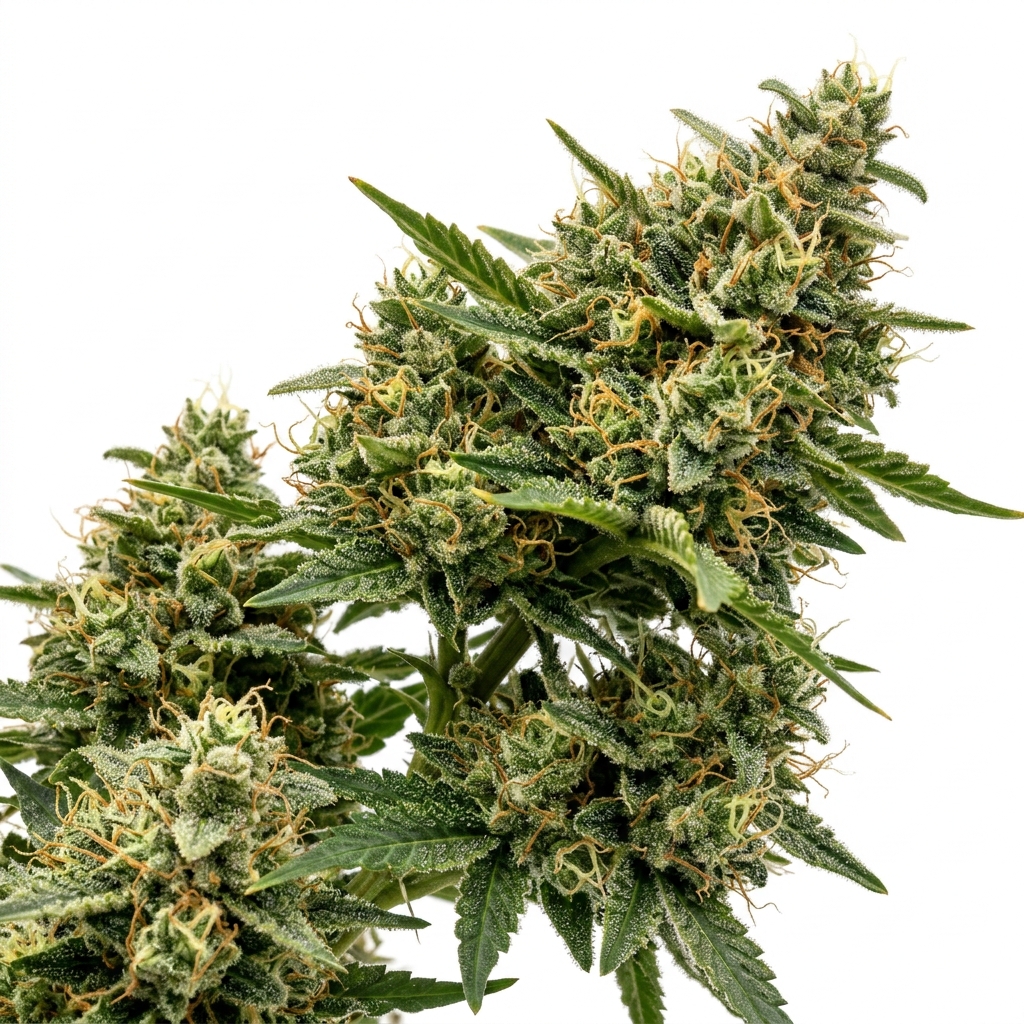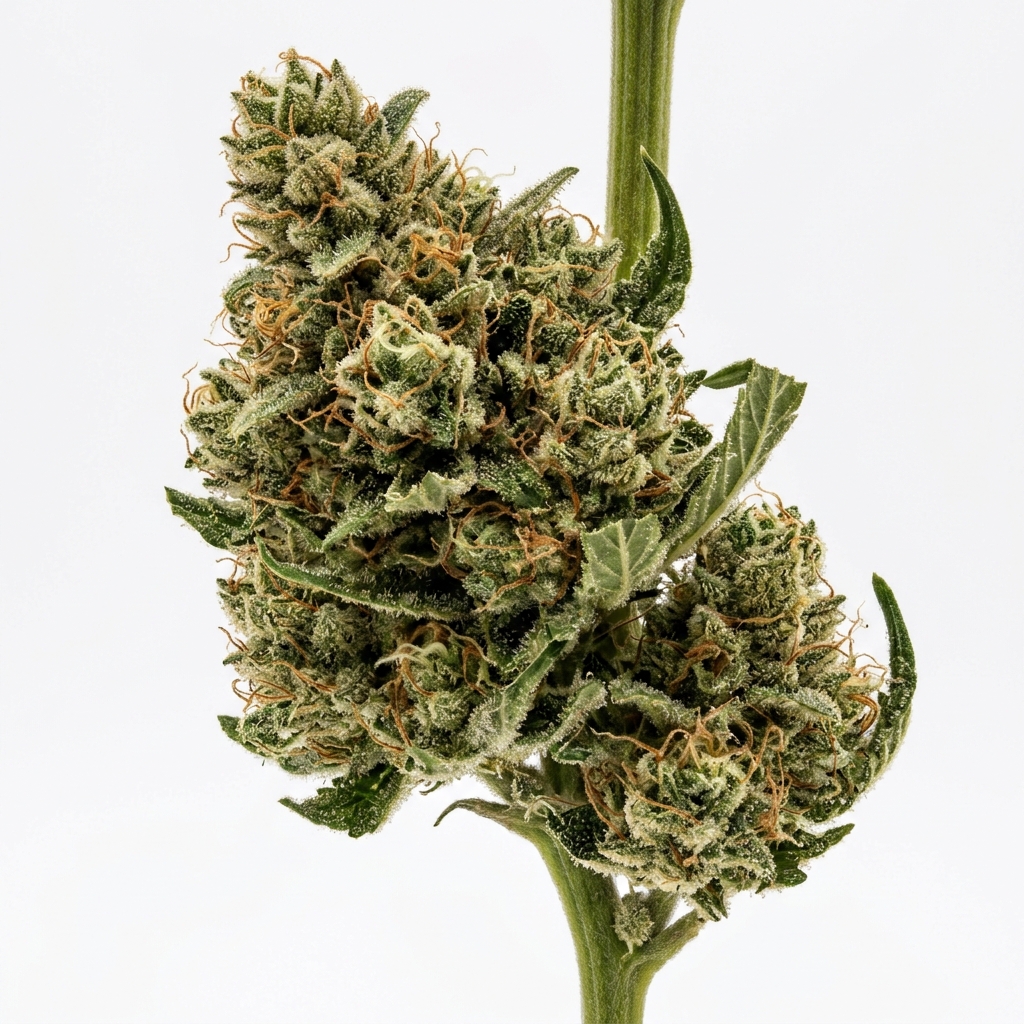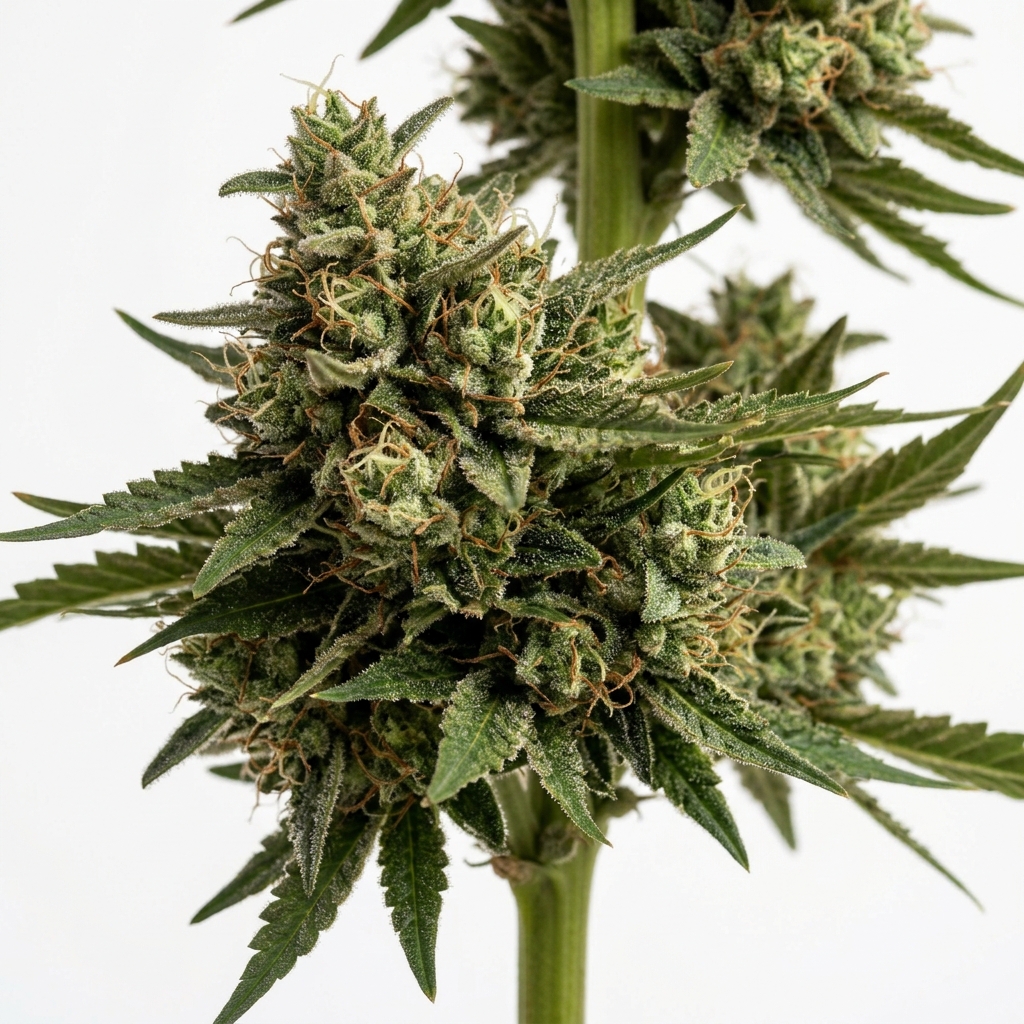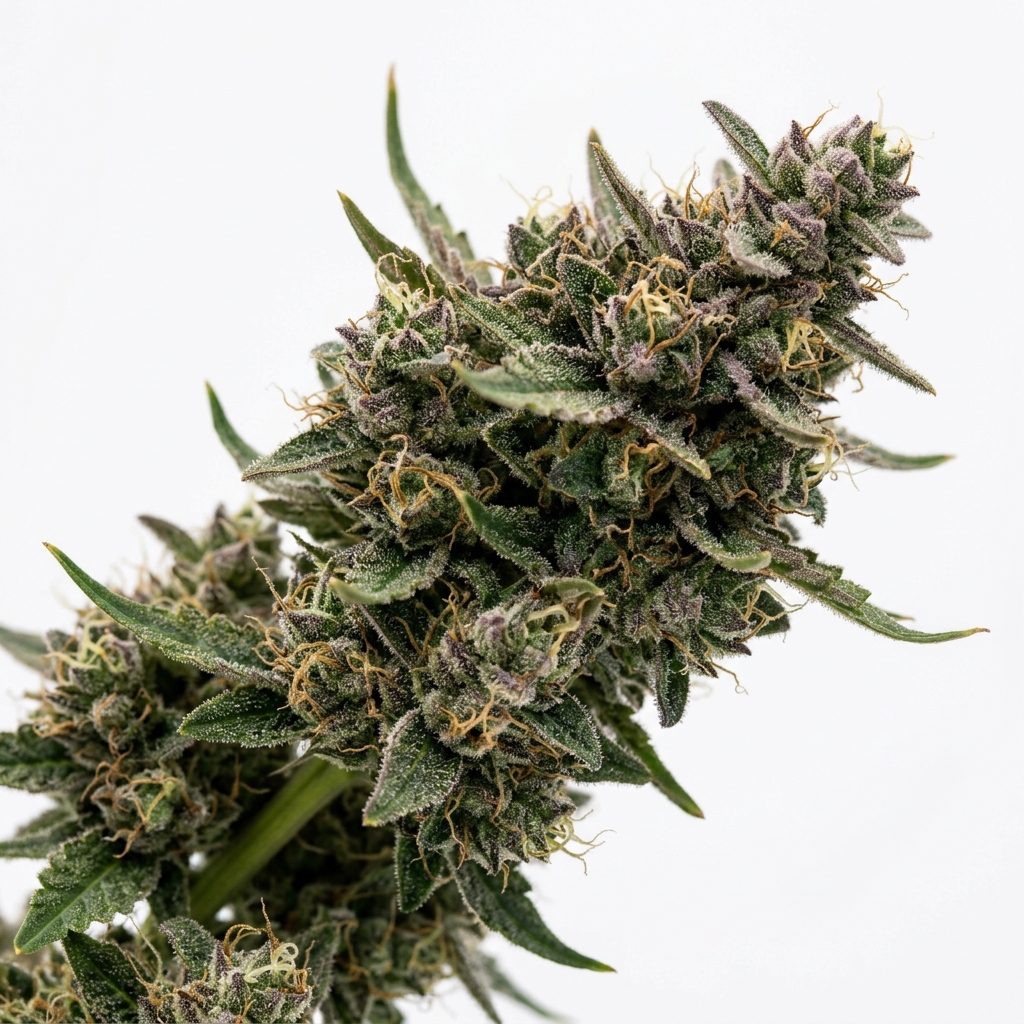
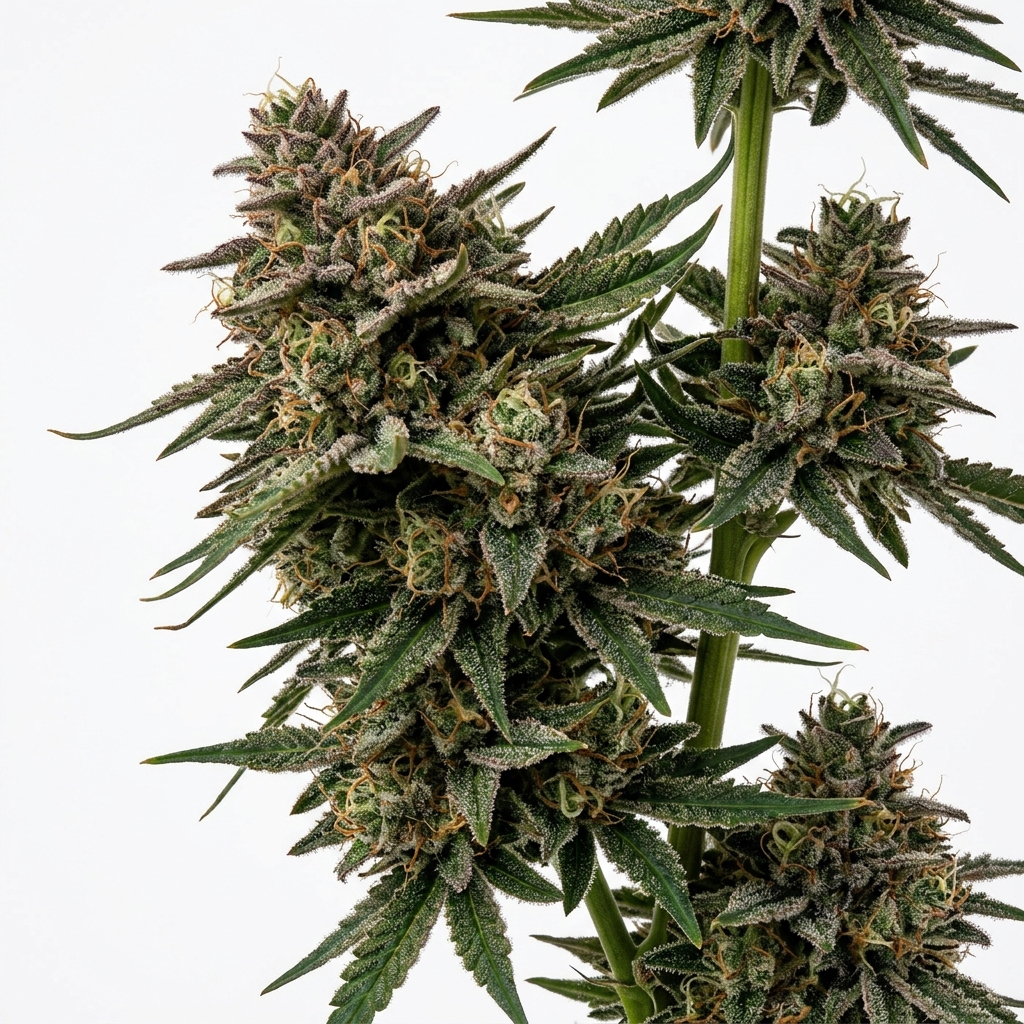
Khalifa Candy (frequently circulated under the spelling Khalifa Kandy) is an indica-dominant hybrid cannabis cultivar recognized for merging sugary confectionary flavor profiles with fuel-heavy, citrus, and classic Kush undertones. Within the modern cannabis market, the name refers to two distinct genetic lineages: an established cross of OG Kush and Candyland popular in California and dispensaries across the United States, and a modern tissue-culture-refined cross of Khalifa Mints and Grape Gasoline developed and evaluated by Phinest Cannabis (later renamed Phinest Cap City Kush). Renowned for generating dense, resinous floral bracts and heavy evening physical relaxation, Khalifa Candy has earned a reputation both as premium recreational flower and as high-yield biomass for terpene-rich solventless and hydrocarbon concentrates.
Strain Profile & Genetics
- Breeder: Disputed (The OG Kush × Candyland lineage has an undocumented regional originator; the Khalifa Mints × Grape Gasoline selection was propagated and characterized by Phinest Cannabis).
- Genetics: Disputed (Documented as either OG Kush × Candyland or Khalifa Mints × Grape Gasoline; occasionally conflated at retail with pure Khalifa Mints).
- Type: Indica-dominant hybrid.
- Seed Type: Not reliably established (predominantly circulated as tissue-culture clones and nursery nursery stock).
- THC: Reported (Batch lab tests report 25% THC in light-deprivation field trials and 28.58% THC in commercial indoor batches).
- CBD: Not reliably established (typically below 1% in commercial certificates of analysis).
- Terpenes: Not reliably established (dominant parental profiles point to caryophyllene, limonene, and myrcene).
- Outdoor Harvest: Reported (Mid-September through mid-November under California light-deprivation schedules).
- Plant Structure: Reported (Dense, chunky inflorescences with large primary colas and substantial foliage).
- Yield: Reported (Documented as medium-to-high, producing ample commercial harvest weight).
- Aroma: Reported (Sweet candy, sour lemon, deep grape, pungent gasoline, and earthy pine).
- Flavor: Reported (Sugary confection, candied lemon drop, dark fruit gas, and smooth earthy fuel).
- Mental Effects: Reported (Initial cerebral lift, easing of mental clutter, and calm clarity).
- Body Effects: Reported (Profound body relaxation, tension release, sedation, and appetite stimulation).
- Resin / Extraction: Supported (High trichome density, utilized widely for live resin badder, sauce carts, and fresh frozen rosin).
Appearance
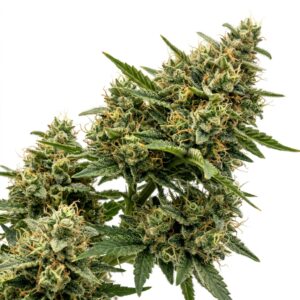
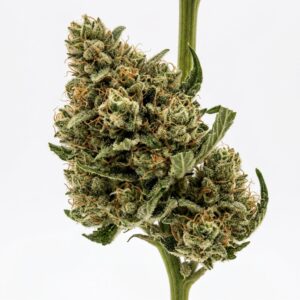
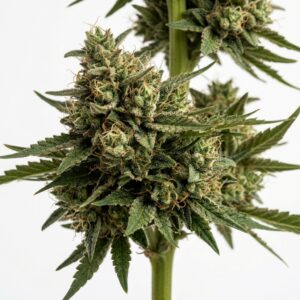
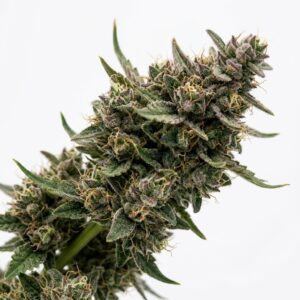
Khalifa Candy produces flowers with classic high-density Kush morphology. Inflorescences form tight, chunky, rounded clusters dominated by tightly stacked calyxes. Pigmentation exhibits notable phenotypic plasticity depending on climate and cultivation technique: commercial trials by Phinest Cannabis documented that indoor cultivation triggers deep purple anthocyanin development across the floral bracts, whereas outdoor light-deprivation cultivation yields predominantly frost-covered lime to forest green flowers with minimal purple expression. The buds are threaded with slender, vivid fiery orange pistils and encased in a thick, crystalline shell of glandular trichomes that present a sticky, wet exterior.
Aroma & Flavor
The olfactory expression of Khalifa Candy depends closely on the specific parentage in circulation, though both popular cuts maintain a signature balance between sweet confectionary overtones and sharp fuel-kush undertones.
For the OG Kush × Candyland cross, the nose opens with a sugary, candy-shop sweetness complemented by tart, pungent lemon drops and an underlying foundation of damp earth, fuel, and pine. On the inhale, the smoke or vapor delivers a sugary citrus zest, which transitions into an earthy, peppery pine finish upon exhale.
For the Khalifa Mints × Grape Gasoline cut, the bouquet leans heavily toward rich grape candy and fermented dark fruit suspended in pungent petroleum gas, backed by cool, creamy herbal nuances. The flavor is intensely sweet and fuel-laden, leaving a lingering grape and gas aftertaste on the palate.
Terpene Profile
Standardized, laboratory-aggregated chemotype assays across multi-state harvests for Khalifa Candy have not been published in peer-reviewed contexts, leaving exact whole-percentage rankings unverified. However, individual testing batches and parental lineage analyses consistently reflect a chemotype governed by beta-caryophyllene, limonene, and myrcene. Beta-caryophyllene delivers the spicy, pungent, peppery baseline that underpins its Kush heritage; limonene drives the bright, sugary lemon and citrus elements; and myrcene supplies the earthy, musky herbal grounding while reinforcing the sedating tactile qualities of the cultivar. Secondary contributions of pinene and humulene contribute subtle pine crispness and woody hop nuances.
Potency & Cannabinoids
Khalifa Candy is a high-potency cultivar containing primarily delta-9-tetrahydrocannabinolic acid (THCA). In formal commercial light-deprivation trials conducted by nursery specialists, flower batches averaged 25% THC. Specific indoor boutique releases, such as California cuts prepared by Honest Flower, have yielded lab tests reaching 28.58% THC. Secondary cannabinoids—including CBD, CBG, and CBC—typically measure in minor fractional amounts (below 1.0%), resulting in a robust, THC-dominant cannabinoid profile typical of modern polyhybrids.
Effects
Consumer-reported effects of cannabis cultivars are subjective and may vary considerably according to individual tolerance, neurochemistry, dosage, and consumption method.
Mental Effects
Consumers consistently report an initial onset characterized by a clean cerebral shift and positive mood modulation. The initial phase is described as mentally unburdening, providing an elevated, relaxed mental state without provoking extreme cognitive racy sensations.
Body Effects
As the experience progresses, the cultivar’s indica dominance emerges with pronounced physical sensations. Users report a heavy wave of muscular relaxation spreading across the neck, shoulders, and extremities. The physical stone frequently induces deep calmness, eases bodily tension, stimulates appetite, and leads toward couch-lock or sedation, making the strain predominantly suited for evening consumption or quiet relaxation.
Cultivation Characteristics
Detailed performance parameters for Khalifa Candy have been characterized by commercial nursery Phinest Cannabis in large-scale light-deprivation greenhouse evaluations. The plant displays strong vegetative vigor, forming thick stalks and dense, broad foliage that supports substantial weight. Due to the heavy density of the flower clusters and broad leaf canopy, attentive environmental control is critical during mid-to-late bloom to mitigate the danger of fungal pathogens, particularly botrytis, in high-humidity settings.
In field performance across extended periods of summer heat exceeding 100°F (37.8°C), the cultivar demonstrated exceptional resilience, maintaining solid trichome coverage, robust yields, and stable terpene retention. In light-deprivation systems, harvesting runs span mid-September through mid-November. Indoor setups respond well to moderate-to-heavy trellising, canopy thinning, and lower ambient temperatures during the final two weeks of flowering to stimulate anthocyanin expression.
Resin & Extraction Characteristics
The morphology of Khalifa Candy’s trichomes makes it a sought-after candidate for commercial concentrates. The plant develops densely packed, bulbous gland heads that separate cleanly during mechanical separation. Extractors in California and the Pacific Northwest (including operations such as FOG and Shasta Hash Co) utilize the cut for solventless live rosin (70–149 micron selections) and hydrocarbon live resin badder and cartridges, where the cultivar consistently yields extracts rich in volatile monoterpenes with sweet fruit and petrol profiles.
Scientific & Botanical Overview
Botanically, Khalifa Candy is a complex Cannabis sativa L. polyhybrid exhibiting predominantly broad-leaf (indica-type) phenotypic traits. Its genetic stabilization reflects decades of North American indoor selection, crossing foundational landrace-derived cultivars (such as Afghani and Chemdawg via OG Kush) with modern dessert lines like Candyland (Granddaddy Purple × Platinum Cookies) or Grape Gasoline (Grape Pie × Jet Fuel Gelato). The synthesis of monoterpenes (such as limonene) with sesquiterpenes (such as beta-caryophyllene) in its capitate-stalked glandular trichomes generates the sharp sweet-and-gas aromatics that typify modern candy-gas chemovars.
Lineage & Related Strains
- OG Kush: Foundational Southern California cultivar responsible for the earthy fuel base, peppery-pine terpenes, and heavy physical stone present in the classic cut.
- Candyland: A cross of Granddaddy Purple and Platinum Cookies known for donating sugary candy sweetness, vibrant trichome distribution, and cerebral uplifting tendencies.
- Khalifa Mints: A cross between Khalifa Kush and The Menthol, providing cool herbal, minty petrol qualities to the Phinest cross.
- Grape Gasoline: A cross of Grape Pie and Jet Fuel Gelato that imparts deep fruit pungency, dark purple coloration, and heavy gas to the modern Khalifa Kandy line.
- Phinest Cap City Kush: The direct commercial clone renamed by Phinest Cannabis from their Khalifa Kandy breeding and trial stock.
Sources & Data Notes
The profile data for Khalifa Candy is synthesized from nursery field trials, licensed cultivator harvest sheets, dispensary batch records, and commercial lab certificates. Specific cultivation metrics are drawn from the Phinest Cannabis Second Run Light Deprivation Report (2024), where the cut was characterized and compared across 18 commercial varieties. Readers should note the coexistence of two separate genetic lineages marketed under identical or near-identical names across regional legal markets; growers should obtain certified tissue culture or verified clonal documentation to verify lineage.
Khalifa Candy Summary
Khalifa Candy is an indica-leaning hybrid cannabis variety celebrated for pairing mouth-watering candy and fruit sweetness with the pungent, diesel-pine bite of California Kush genetics. Capable of producing dense, trichome-laden blooms testing between 25% and 28.58% THC, it delivers smooth cerebral calmness followed by deeply sedating, full-body relaxation.