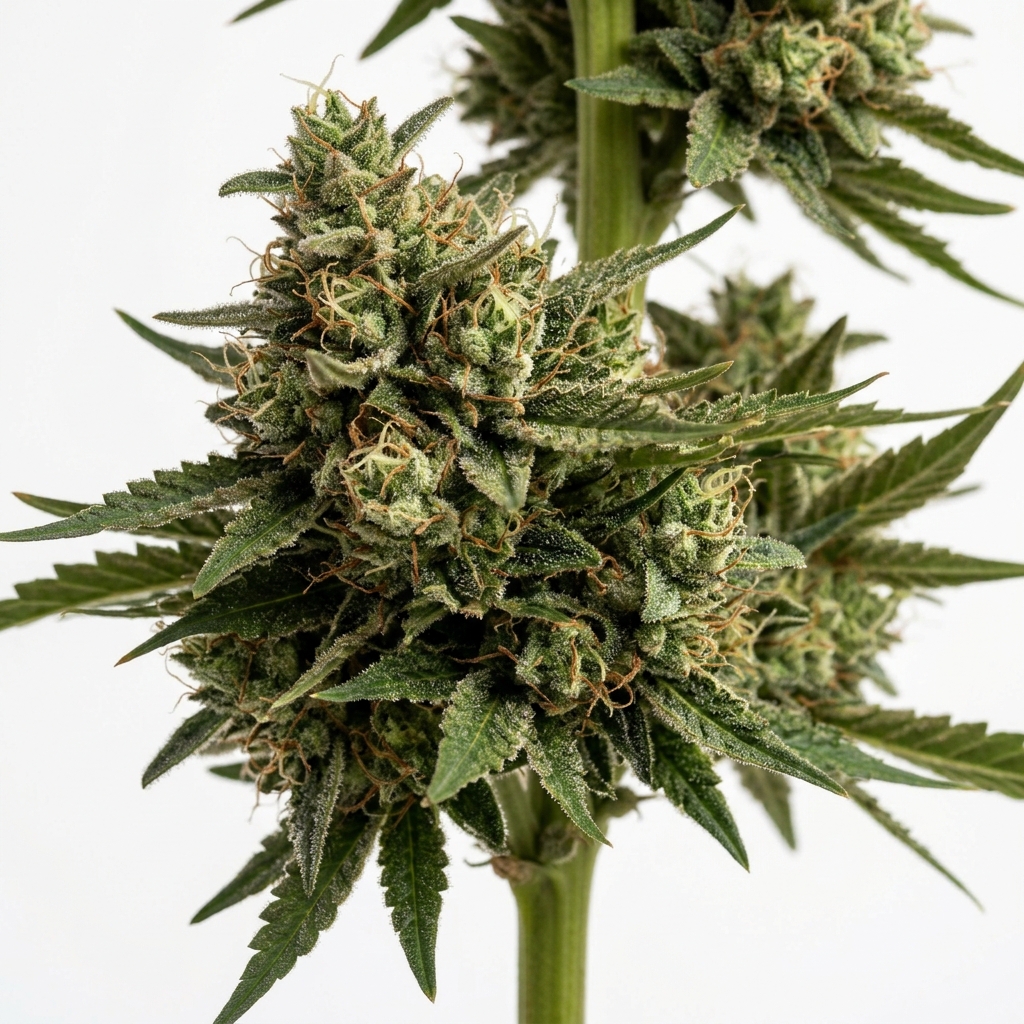
Diesel Poison is a sativa-dominant cannabis cultivar created by Skunk VA under the Lucky Dog Seed Co banner. Developed by crossing an original Durban Poison mother with Skunk VA’s signature Chemdog 91 Bx3 stud, the cultivar blends the electrifying, cerebral profile of classic African equatorial landrace genetics with the heavy resin coverage, physical structure, and pungent volatile fuel character of the Chemdog lineage.
Strain Profile & Genetics
Diesel Poison combines two historically significant genetic pillars that pull in complementary directions. Skunk VA selected Durban Poison—famed for its rapid cerebral onset and sweet anise background—and paired it with Chemdog 91 backcrossed three times to anchor the plant’s structure and alter the aroma toward deep hydrocarbon notes.
- Breeder: Lucky Dog Seed Co (Skunk VA)
- Genetics: Durban Poison (mother) × Chemdog 91 Bx3 (father / pollen donor)
- Type: Sativa-dominant hybrid
- Seed Type: Regular seeds (also selected as clone-only cuts)
- THC: Not reliably established (batch tests report variable levels from 17% to 30.11% THC / 29.19% THCA)
- CBD: Not reliably established (analytical batch results generally register under 1%)
- Primary Terpenes: Limonene, Beta-Caryophyllene, Myrcene (batch-reported)
- Flowering Time: 63 to 70 days
- Plant Structure: Vigorous sativa-dominant branching reinforced by dense, heavy Chemdog-influenced flowering calyxes
- Aroma: Pungent chemical diesel, sour lemon-lime funk, sweet earthy spice
- Flavor: Sharp gas, tart citrus, sweet earth, clean herbal exhale
- Mental Effects: Uplifting cerebral stimulation, creative motivation, clear-headed daytime focus
- Body Effects: Functional physical lightness, mild body relaxation without lethargy
- Resin & Extraction: Heavy glandular trichome production, frost-encrusted bracts
Appearance
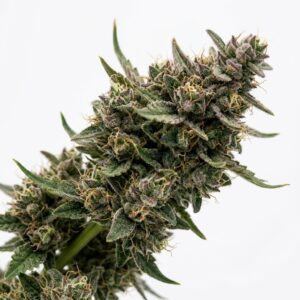
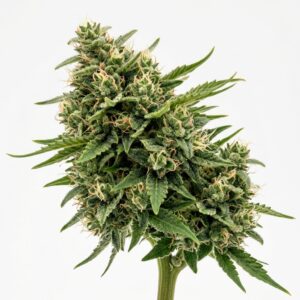
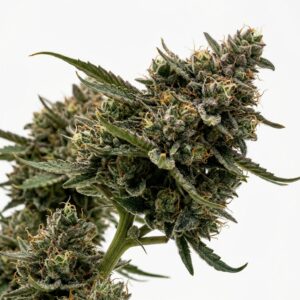
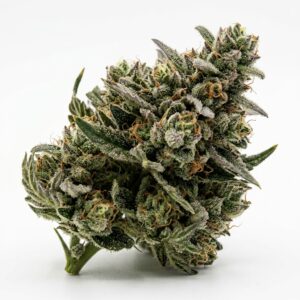
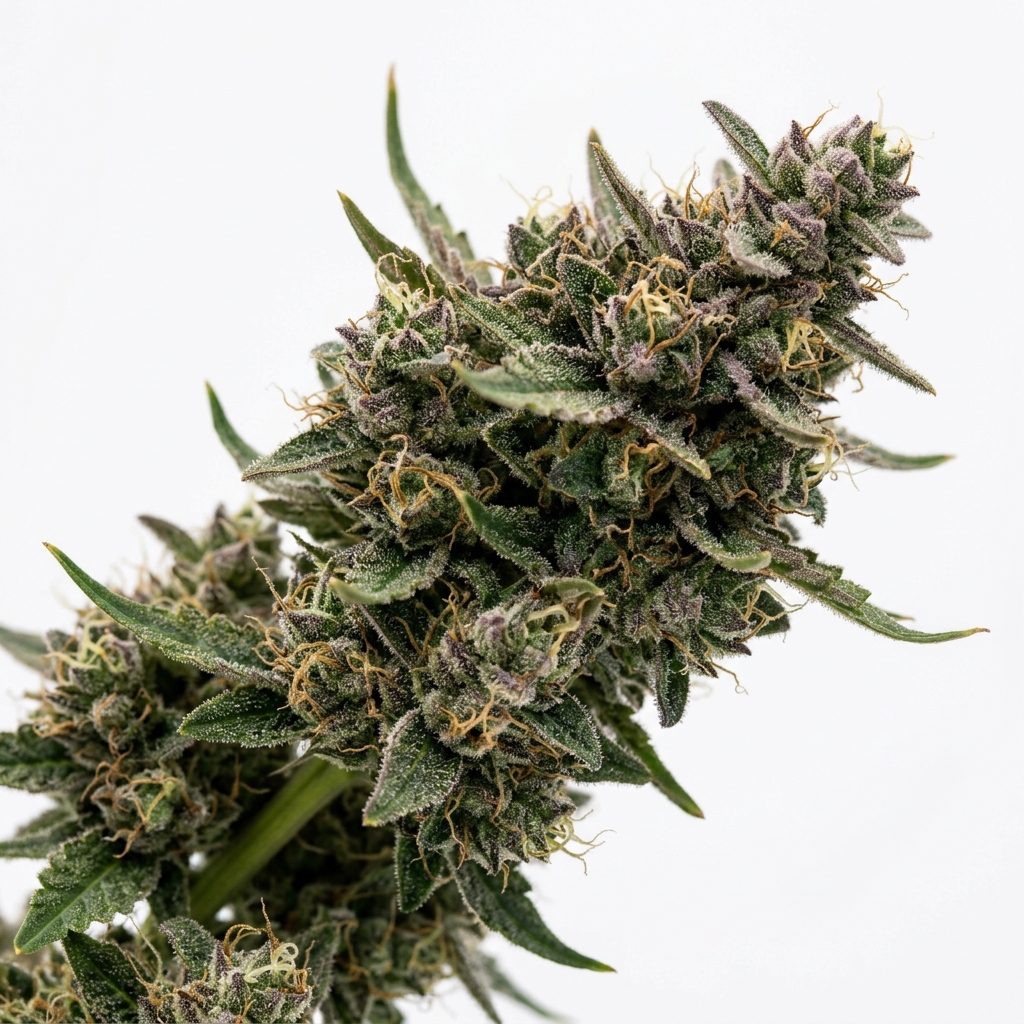
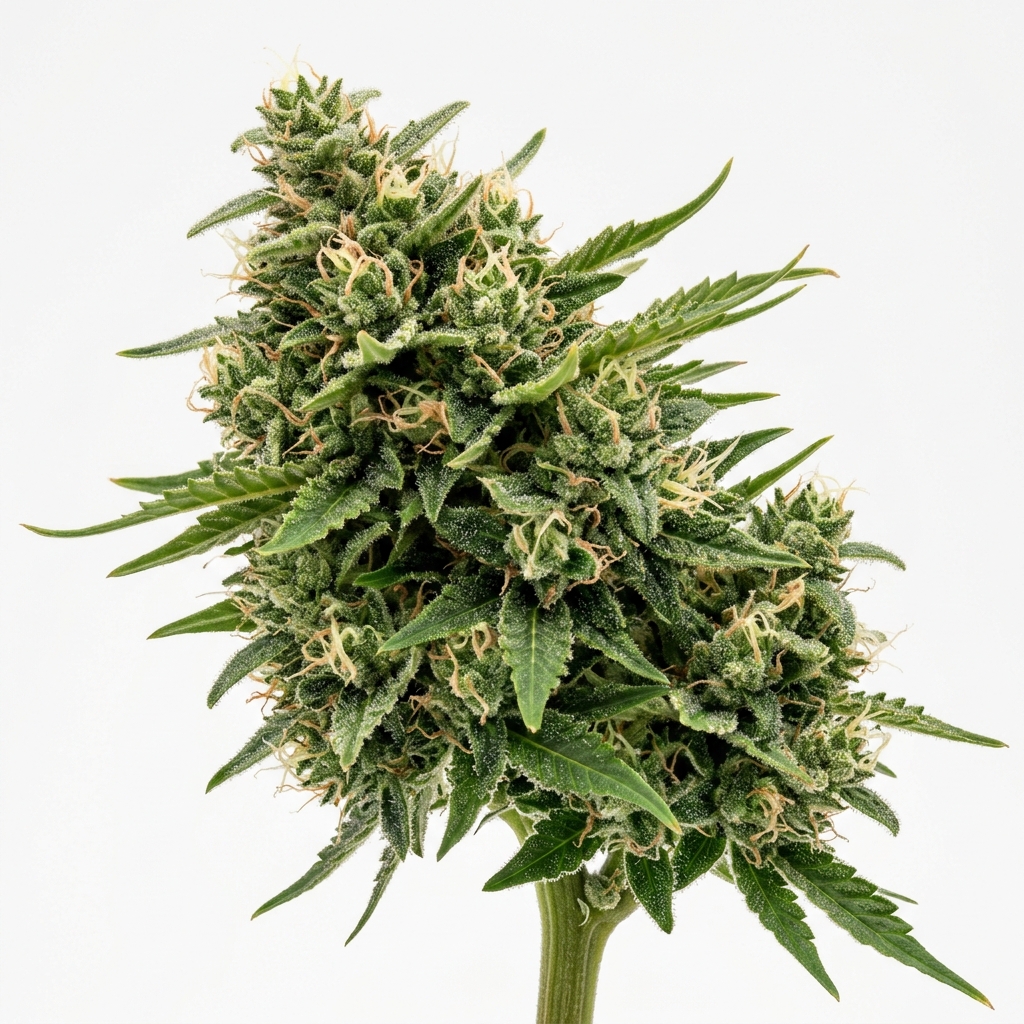
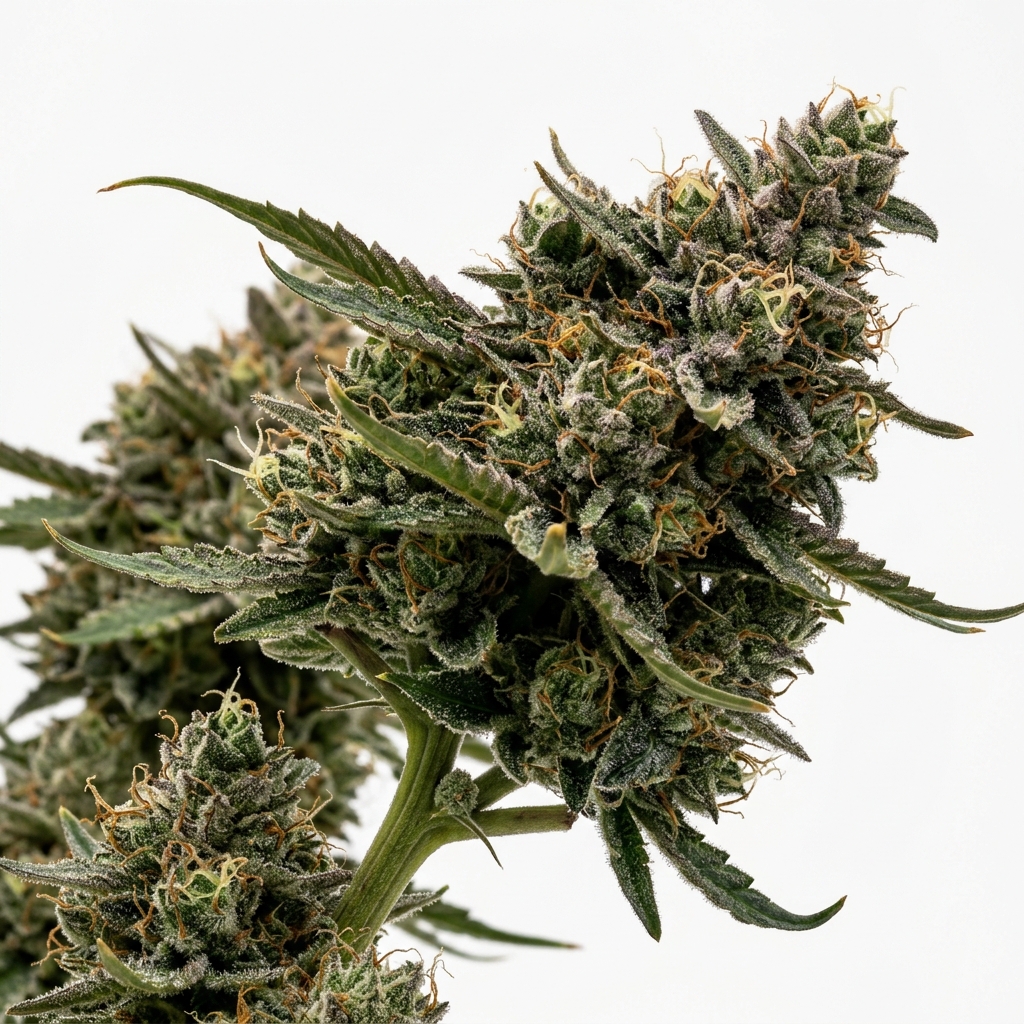
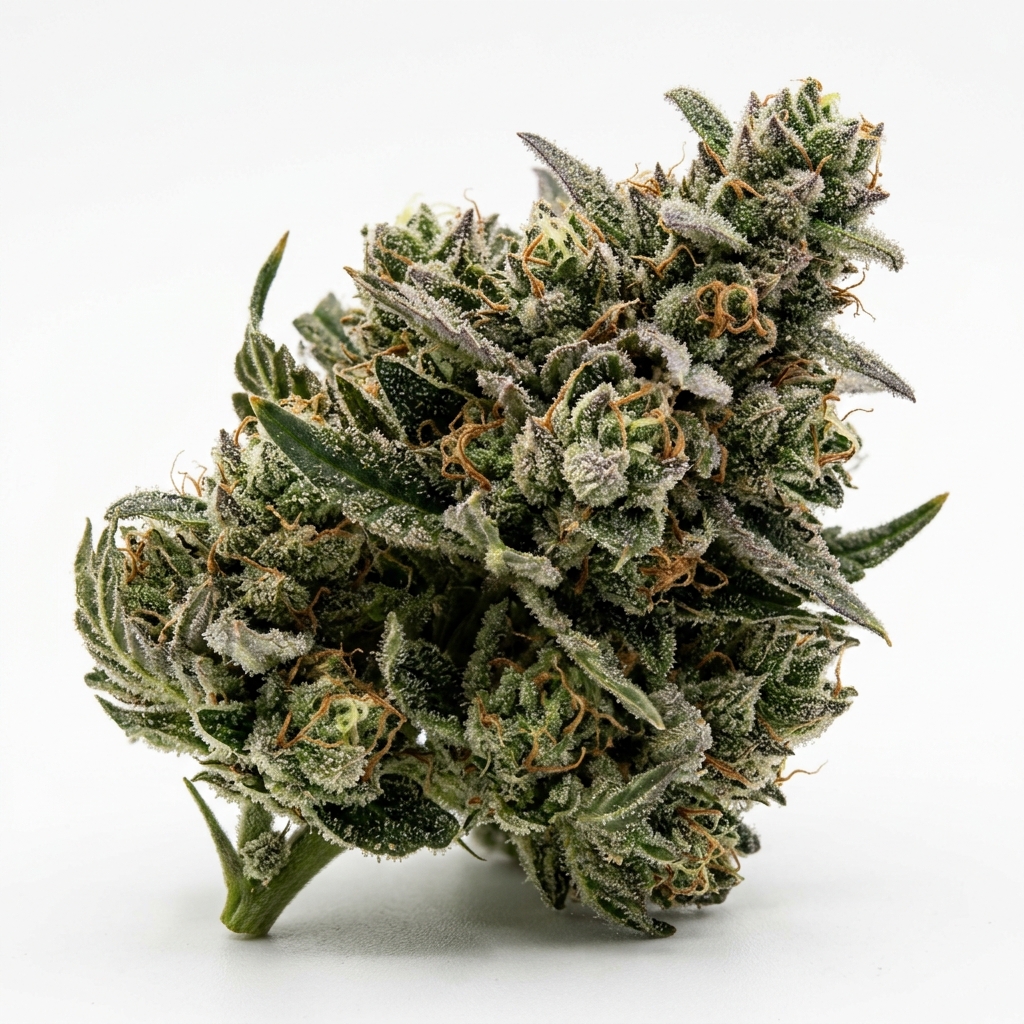
Diesel Poison presents a visual profile that reflects both parent lines while leaning heavily into the trichome density of the Chem 91 male. The living plant develops an open, vigorously branching frame with elongated colas that finish denser and chunkier than standard equatorial sativa expressions. Mature flowering bracts display rich forest and olive green tones, interspersed with thin, curled bright amber to copper-orange stigmas. Under proper maturation, the inflorescence becomes thoroughly frosted in a dense, uniform layer of bulbous glandular trichomes extending well onto surrounding secondary sugar leaves.
Aroma & Flavor
While uncrossed Durban lines often lead with distinct sweet licorice, fennel, or anise notes, the Chemdog 91 Bx3 pollen donor substantially shifts the sensory profile of Diesel Poison. The resulting bouquet leads with an unmistakable, room-filling wash of pungent chemical diesel and acrid industrial gas. Underneath the fuel, bright notes of sour lemon, sharp lime zest, and damp earthy herbs balance the terpene profile.
On inhalation, the smoke is sharp and fuel-dominant, coated by a tart citrus and herbal tang. The exhale carries a subtle, sweet earthy baseline inherited from the Durban parent, finishing with a lingering peppery and citrus aftertaste.
Terpene Profile
Analytical certificates of analysis across legal market batches report high concentrations of beta-caryophyllene, limonene, and beta-myrcene, with trace contributions of terpinolene, humulene, and linalool in specific phenotypes. The pronounced presence of limonene and caryophyllene drives the tart citrus and pungent peppery gas notes, while myrcene contributes the earthy, herbal undertone.
Potency & Cannabinoids
Because Diesel Poison has been cultivated across various craft facilities and released primarily as regular seed hunting stock, no universal cannabinoid average exists. Available state-regulated laboratory test results demonstrate variable potency depending on growing medium and environment. Commercial flower batches by Washington state producers have registered between 17% and 20.71% THC, while select indoor boutique batches and THCA hemp flower lots have logged results as high as 29.19% THCA to 30.11% total THC. Cannabidiol (CBD) levels remain consistently low across all tested analytical profiles, usually testing below 0.1% to 1.0%.
Effects
Consumers and breeder notes characterize Diesel Poison as an intensely energizing, cerebral experience. In breeder commentary, Skunk VA famously referred to Durban crosses as producing potent “sweaty forehead” stimulation. The mental effects take hold rapidly, delivering a soaring head rush, creative activation, and elevated focus suited for daytime activities and productive work.
Physically, the Chemdog 91 Bx3 parentage provides a functional buffer. Rather than the sharp, occasionally jittery rush typical of pure equatorial sativas, the Chem lineage provides a subtle, grounded body calm that loosens muscle tension while preserving physical mobility.
Cultivation Characteristics
According to Lucky Dog Seed Co, Diesel Poison finishes its flowering cycle indoors in 63 to 70 days (with approximately 67 days representing the median phenotype). The cultivar requires moderate horticultural experience, as its sativa parentage induces significant vertical stretch during the transition to bloom. Growers typically employ training methods such as topping, low-stress training (LST), or a Screen of Green (ScrOG) framework to manage apical dominance and support its heavy, resin-weighted floral clusters.
Resin & Extraction Characteristics
The infusion of Chemdog 91 backcross genetics rectifies the lighter, sparser trichome coverage often encountered in pure Durban landrace expressions. Diesel Poison exhibits exceptional glandular trichome production, with dense fields of capitate-stalked resin heads covering the bracts and trim leaves. This resin concentration makes the cultivar a strong candidate for hydrocarbon extraction and whole-plant fresh frozen processing, yielding concentrates with heavy diesel and citrus terpene retention.
Lineage & Related Strains
Diesel Poison stands out within the Lucky Dog Seed Co catalog for pairing an unhybridized African landrace with an intensely inbred Chemdog pillar:
- Mother: Durban Poison — A foundational, pure sativa landrace collected from the South African port city of Durban, renowned worldwide for its rapid finish and energetic high.
- Father: Chemdog 91 Bx3 — Skunk VA’s signature backcrossed stud, constructed by crossing the held 1995 Chemdog 91 clone back into its own family line across three successive generations to consolidate yield, vigor, and volatile diesel fuel aromatics.
- Related Cultivars: Other Chemdog 91 Bx3 crosses developed by Skunk VA include Dog Patch (Chem D × Chemdog 91 Bx3), Chasca (Super Silver Haze × Chemdog 91 Bx3), Catahoula (Triangle Kush × Chemdog 91 Bx3), and Chem Fuego.
Sources & Data Notes
Data regarding lineage, flowering duration, and phenotypic variance is grounded in documentation and catalog notes from original breeder Skunk VA of Lucky Dog Seed Co. Potency variations, cannabinoid ranges, and secondary terpene representations are sourced from independent analytical certificates of analysis and licensed retail dispensary lab reports from states including Washington and Oregon.
Diesel Poison Summary
Diesel Poison represents an intentional bridge between historic African landrace genetics and modern American fuel cultivars. By balancing the soaring, clear-headed cerebral qualities of Durban Poison with the resin density, structural weight, and pungent petroleum punch of Chemdog 91 Bx3, Lucky Dog Seed Co created a distinctive daytime cultivar that offers heavy bag appeal, gas-forward flavor, and vigorous garden performance.