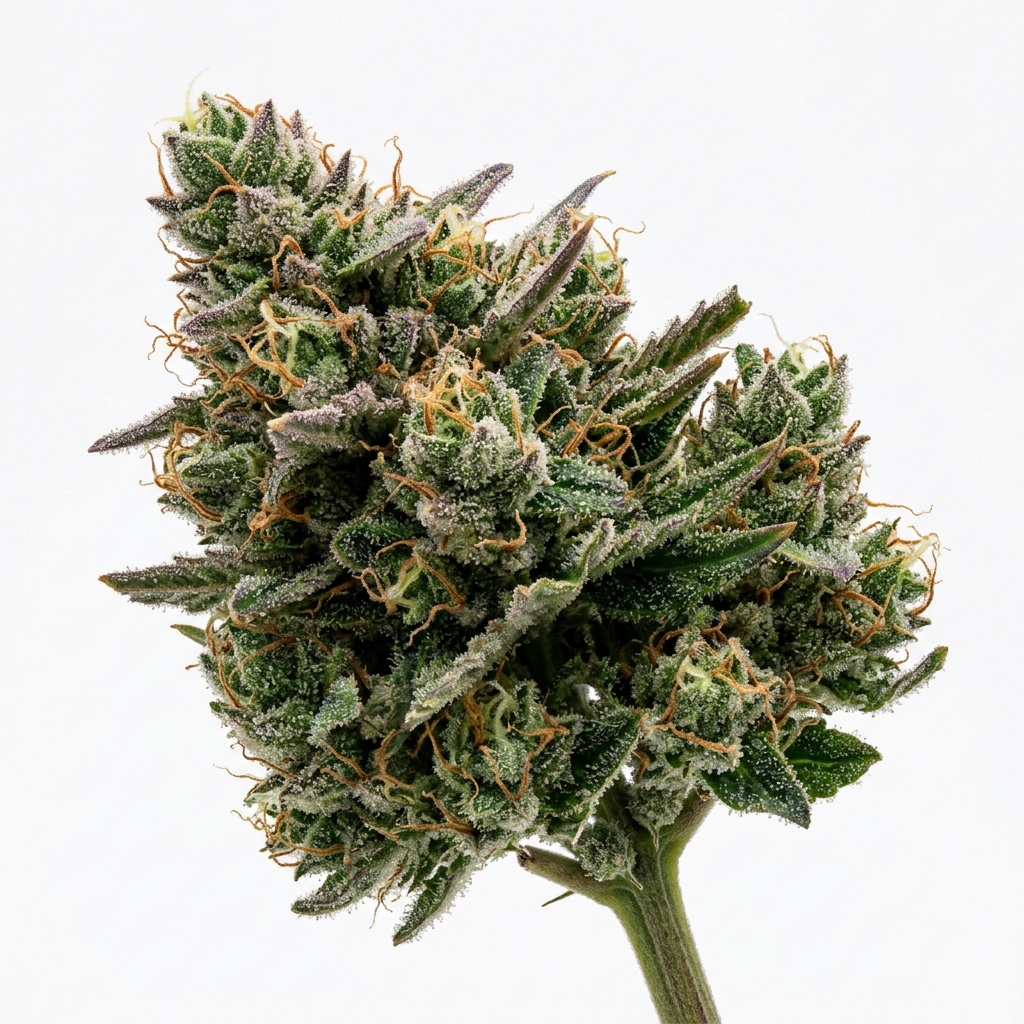
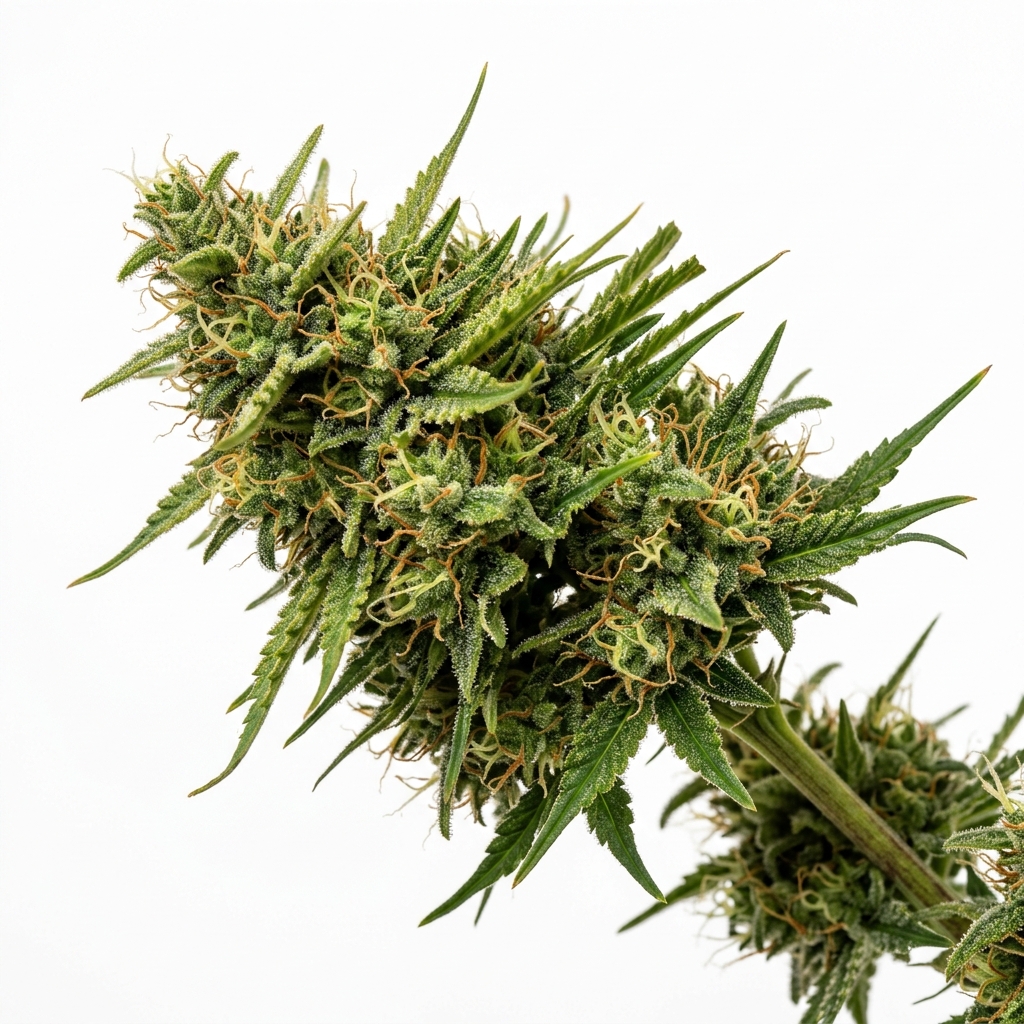
ACDC (frequently formatted as AC/DC) is a landmark CBD-dominant hybrid cannabis cultivar renowned for establishing the modern benchmark of Type III, low-THC chemovars. Rather than a reference to rock music, the name stands for Alternative Cannabinoid Dietary Cannabis, coined by Northern California dietary cannabis pioneer Dr. William Courtney. Courtney selected the clone after germinating seeds of Cannatonic obtained from the Spanish breeding collective Resin Seeds. With an exceptional cannabidiol-to-tetrahydrocannabinol ratio that commonly approaches 20:1, ACDC delivers calming, clear-headed relief with minimal to no psychoactive intoxication, supported by a distinctive herbal, woody, and pine aromatic signature.
Strain Profile & Genetics
- Breeder: Selected by Dr. William Courtney (from Resin Seeds genetic material)
- Genetics: Cannatonic phenotype selection (MK Ultra x G13 Haze lineage)
- Type: Hybrid
- Indica/Sativa Ratio: Disputed (widely documented as a balanced 50% indica / 50% sativa hybrid, though several technical sources classify it as 70% sativa / 30% indica)
- Seed Type: Clone-only (original foundational cut; subsequent third-party seed lines exist)
- THC Potential: 0.5%–6% (consistently under 1% to 1.4% in verified nursery cuts)
- CBD Potential: 12%–20%
- Dominant Terpenes: Myrcene, Pinene, Caryophyllene
- Flowering Time: 63–70 days (9–10 weeks)
- Plant Structure: Bushy hybrid branching with slender, sativa-leaning foliage, reaching approximately 4 feet tall
- Yield Potential: Medium
- Aroma: Earthy, pine, woody, sweet citrus
- Flavor: Earthy pine, herbal spice, citrus zest, aged wood
- Mental Effects: Clear-headed, focused, calm, alert
- Body Effects: Physical relaxation, easing of muscular tension, non-intoxicating
- Resin / Extraction Profile: High glandular trichome density with low THC; widely processed for full-spectrum CBD oils, distillates, and topicals
Appearance
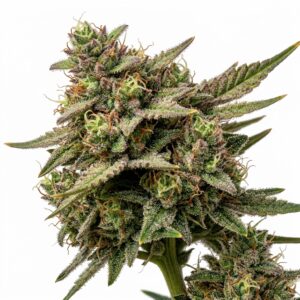
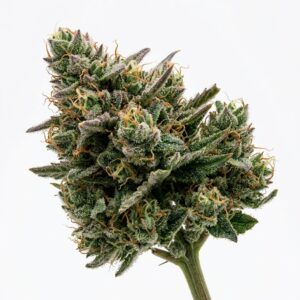
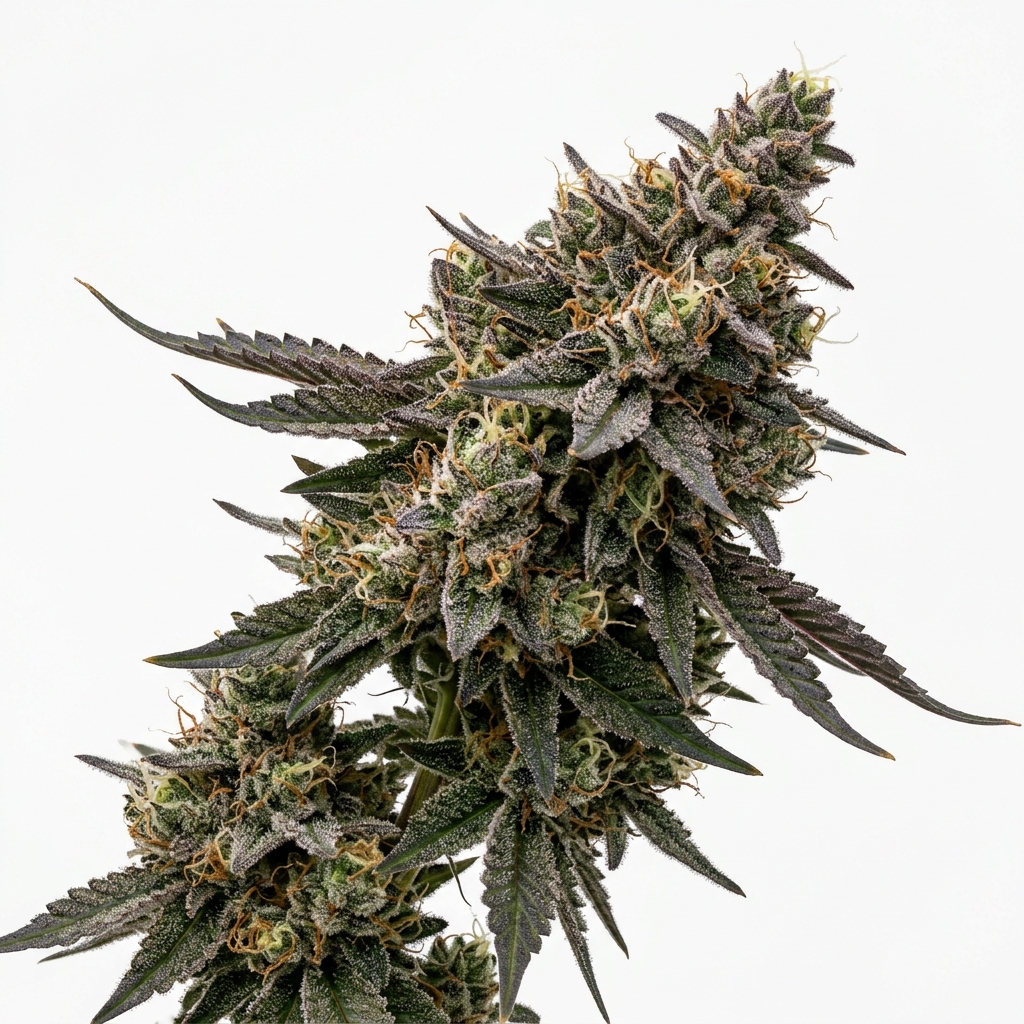
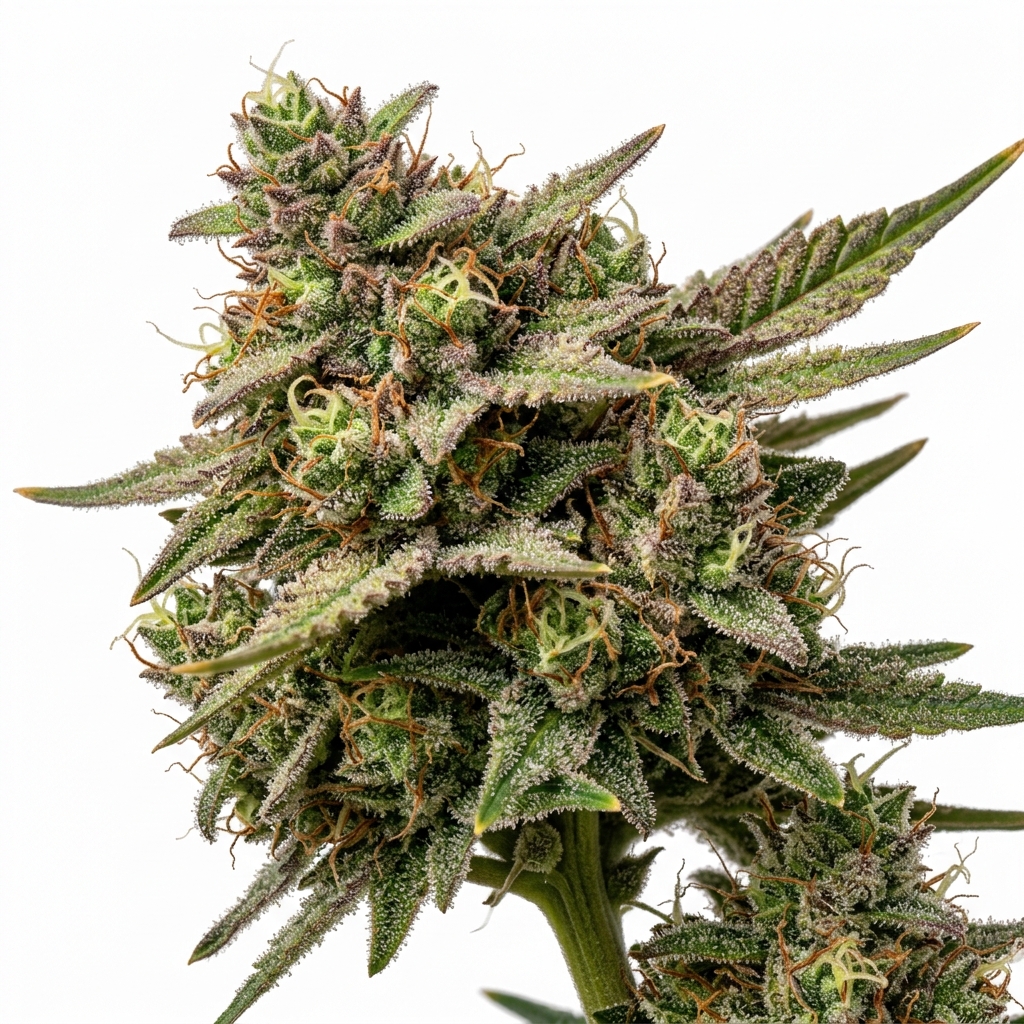
ACDC produces elongated, tapered inflorescences that reflect its sativa heritage, forming spear-like colas with a balanced, open internodal spacing. The bracts display a rich tapestry of olive and moss green shades, interlaced with slender, pale to vivid brass-orange pistils that curl tightly against the calyx walls as maturity approaches. Cured flowers exhibit a frosty mantle of stalked glandular trichomes, which give the buds a dewy, crystalline sheen despite the cultivar’s negligible intoxicating potency. Fan and sugar leaves are characteristically thin and serrated, exhibiting an airy structure that facilitates canopy airflow.
Aroma & Flavor
The sensory profile of ACDC is defined by a grounded, forest-floor bouquet. Upon breaking open a cured bud, the predominant aromatic notes are pungent fresh pine and rich damp earth, accented by undertones of aged wood and crushed lemongrass. When combusted or vaporized, the smoke carries a smooth, herbal flavor profile led by damp earth, spruce needle, and mild black pepper, followed by a crisp citrus and faint cherry-diesel finish on exhalation.
Terpene Profile
Analytical laboratory panels confirm that ACDC possesses a terpene composition dominated by beta-myrcene, which typically constitutes the largest fraction of the essential oil content. Alpha-pinene and beta-pinene provide the brisk forest and conifer notes, while beta-caryophyllene contributes a spicy, woody undertone and acts as a dietary cannabinoid binding to peripheral CB2 receptors. Secondary and trace terpenes frequently identified across tested samples include d-limonene, linalool, and humulene, creating an invigorating yet tranquil sensory character.
Potency & Cannabinoids
ACDC is one of the definitive archetypes of a Type III cannabis chemovar, characterized by high concentrations of cannabidiol (CBD) and low concentrations of delta-9-tetrahydrocannabinol (THC). Mature dried flowers typically test between 12% and 20% CBD, alongside 0.5% to 6% total THC, with premium verified cuts holding THC levels around 1% to 1.4%. This yields an average CBD:THC ratio of approximately 20:1. In addition to CBD and THC, full-panel analyses routinely detect minor concentrations of cannabigerol (CBG) and cannabichromene (CBC), contributing to full-spectrum entourage interactions without producing intoxicating head spaces.
Effects
Because of its minimal THC concentration and high CBD expression, the effects of ACDC are overwhelmingly non-intoxicating and therapeutic in qualitative tone. Consumers remain clear-headed, lucid, and functionally unimpaired throughout the experience.
Mental Effects
Reported mental effects center on cognitive clarity, subtle mood elevation, and a distinct reduction in day-to-day mental stress. Users consistently describe feeling focused and calm without the lethargy, confusion, or cerebral paranoia frequently associated with high-THC cultivars.
Body Effects
Subjective bodily sensations involve gentle physical relaxation and an easing of overall somatic tension. The cultivar fosters a sensation of ease across the musculature while allowing individuals to remain physically active and fully alert during daytime routines.
Cultivation Characteristics
ACDC demonstrates moderate vegetative vigor and typically develops into a bushy, medium-stature plant reaching approximately 4 feet in height indoors. Cultivators report that the original cut can be somewhat finicky regarding nutrient intake and environmental shifts, demanding steady environmental parameters and proactive pest and fungal management. Its sativa-leaning morphology develops thin leaves and moderate foliage density, which aids airflow through the lower branches. When cultivated indoors under regulated photoperiod conditions, the flowering cycle finishes within 63 to 70 days (9 to 10 weeks). Structural support via trellis netting is often recommended to support the weight of elongated secondary colas during late maturation.
Resin & Extraction Characteristics
Although developed originally as a dietary whole-plant cultivar for fresh juicing, ACDC produces an abundant coat of trichome heads that makes it a popular starting material for whole-plant extraction. The trichomes hold rich concentrations of CBD acid (CBDA) prior to decarboxylation, making the cut suitable for solventless fresh-frozen processing, CO2 supercritical extraction, and hydrocarbon formulations designed for full-spectrum wellness tinctures, vape oils, and topicals.
Scientific & Botanical Overview
In cannabinoid chemotaxonomy, cannabis plants are categorized into three primary classes: Type I (THC-dominant), Type II (balanced THC and CBD), and Type III (CBD-dominant with low THC). ACDC represents one of the earliest widely distributed Type III cultivars in the Western medical cannabis movement. Genetic testing by Phylos Bioscience and independent botanical mapping programs places ACDC in close evolutionary alignment with CBD-rich breeding lines, reflecting strong ancestral markers from Skunk and European low-THC hemp phenotypes incorporated into Resin Seeds’ foundation stock. The chemical stability of this cut has made it a frequent reference standard in academic cannabis research examining cannabinoid receptor binding affinity and the therapeutic modulation of phytocannabinoids.
Lineage & Related Strains
ACDC descends directly from Cannatonic, a celebrated hybrid created by Resin Seeds in Spain via crossing MK Ultra with G13 Haze. Because Cannatonic seeds exhibited variable phenotypic segregation across CBD:THC ratios, Dr. Courtney’s selection isolated the rare, stable Type III high-CBD individual. In turn, ACDC has served as a foundational parent for modern therapeutic cultivars, including:
- Ringo’s Gift: A cross of Harle-Tsu and ACDC bred by the late Lawrence Ringo.
- Thunderstruck: An S1 inbred selection of ACDC developed by Sin City Seeds.
- HarleSin: A cross pairing Harlequin with ACDC.
- Treasure Island: A hybrid combining Swiss Gold and ACDC.
- CBD Rich Blessing: A union of ACDC and a Good Medicine male bred by Bodhi Seeds.
Sources & Data Notes
Cannabinoid and terpene data for this profile are cross-referenced from testing reports published by analytical testing laboratories (including SC Labs and Leafly Certified Lab aggregates), botanical records from Resin Seeds, and documented reports from Dr. William Courtney. Cultivation timelines and morphological metrics reflect indoor nursery documentation and commercial grow logs. Specific outdoor finishing calendar dates remain unverified across uniform climatic zones and are marked as not reliably established.
ACDC Summary
ACDC is an elite CBD-dominant cannabis cultivar selected by Dr. William Courtney from Resin Seeds’ Cannatonic genetic line. Producing a signature ~20:1 CBD-to-THC ratio with 12%–20% CBD and 0.5%–6% THC, it delivers clear-headed, physical relaxation without intoxication. Supported by an earthy, pine-forward, and citrus terpene profile led by myrcene and pinene, ACDC remains a foundational classic in medical cannabis breeding and functional daytime wellness.