
Banana Lemon Cupcake is a modern sativa-dominant hybrid cultivar bred in-house by Happy Valley Genetics. Developed through the pairing of the classic sativa Super Lemon Haze with the dessert-forward modern hybrid Banana Jealousy (Banana Cream Cake × Jealousy), the cultivar brings together bright citrus zest, sweet confectionary undertones, and robust cannabinoid output.
Strain Profile & Genetics
- Breeder: Happy Valley Genetics
- Genetics: Banana Jealousy × Super Lemon Haze
- Type: Sativa-dominant hybrid
- Indica/Sativa Ratio: 70% sativa / 30% indica (reported)
- THC Content: 29% – 31% (reported); batch testing demonstrates 30.22% THCA
- Primary Terpenes: Beta-Myrcene, Limonene, Beta-Caryophyllene
- Aroma: Sweet banana, candied lemon, creamy dough, earth, pine
- Flavor: Sugary lemon icing, ripe banana, creamy pastry, hazy spice
- Mental Effects: Uplifting, cerebral clarity, creative focus, energizing
- Body Effects: Mild physical ease, tension relief without heavy sedation
- Resin & Extraction: Dense glandular trichome coverage; utilized for live solventless rosin
Appearance
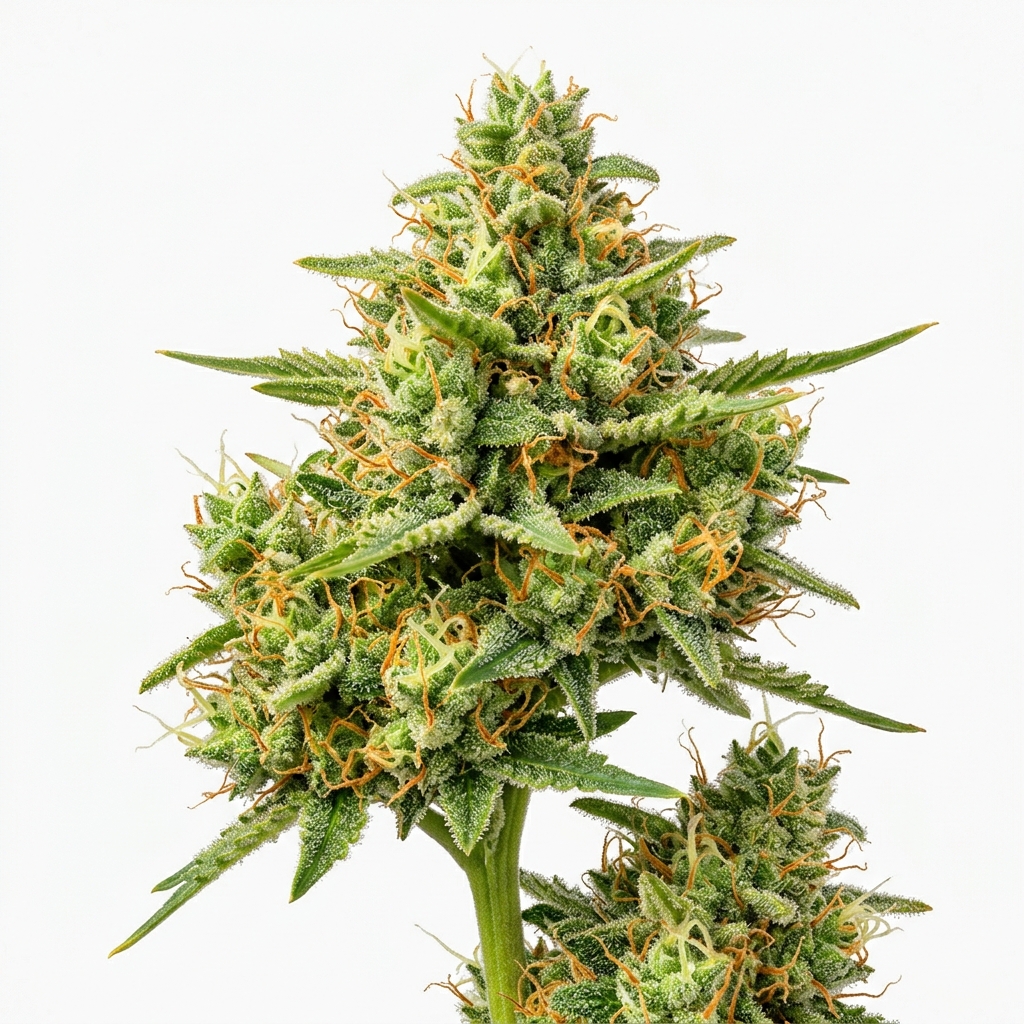
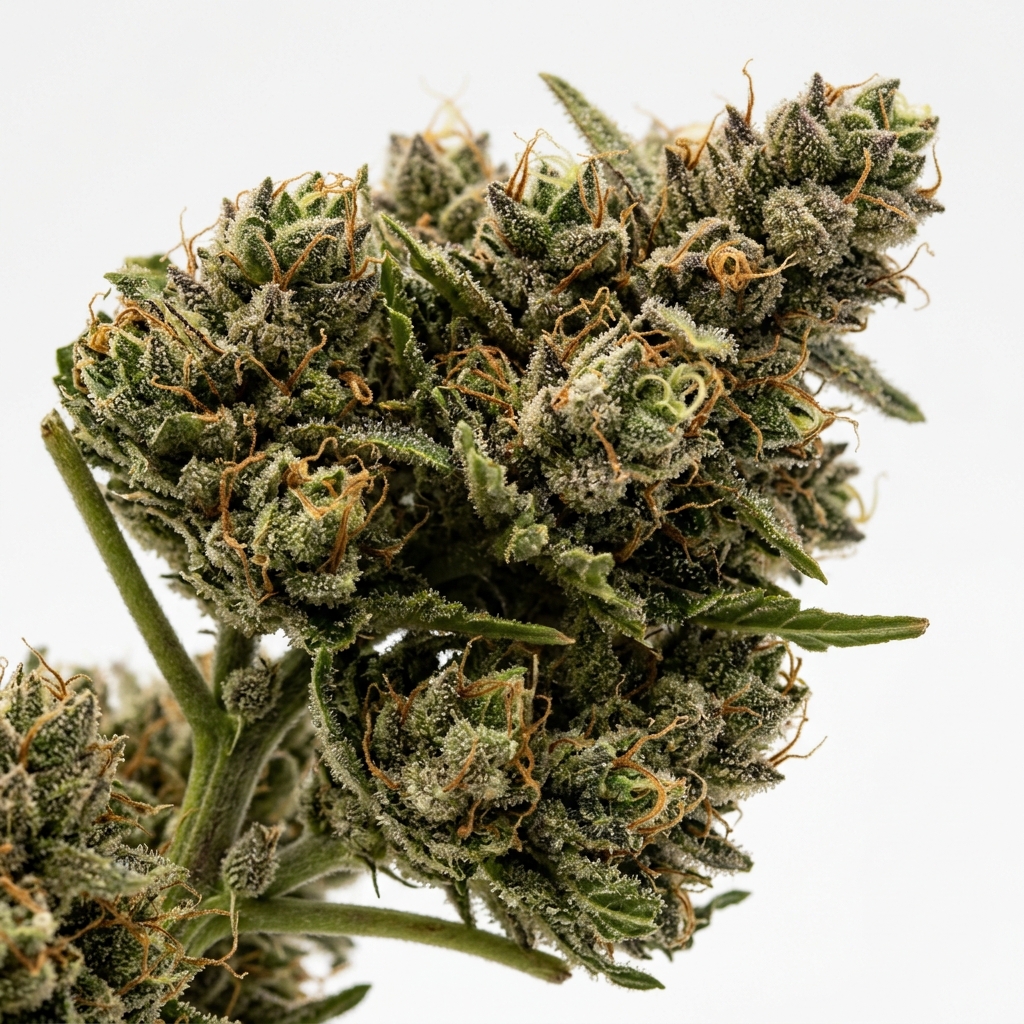
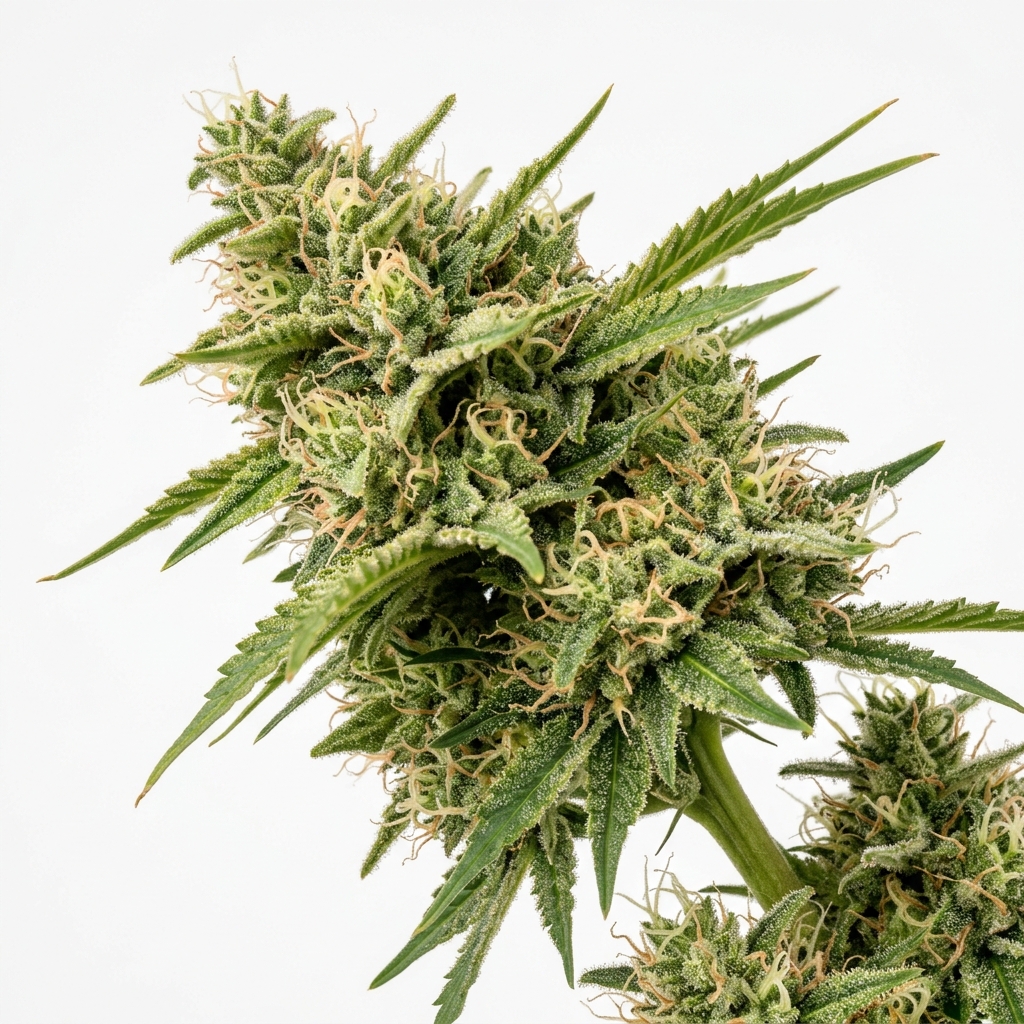
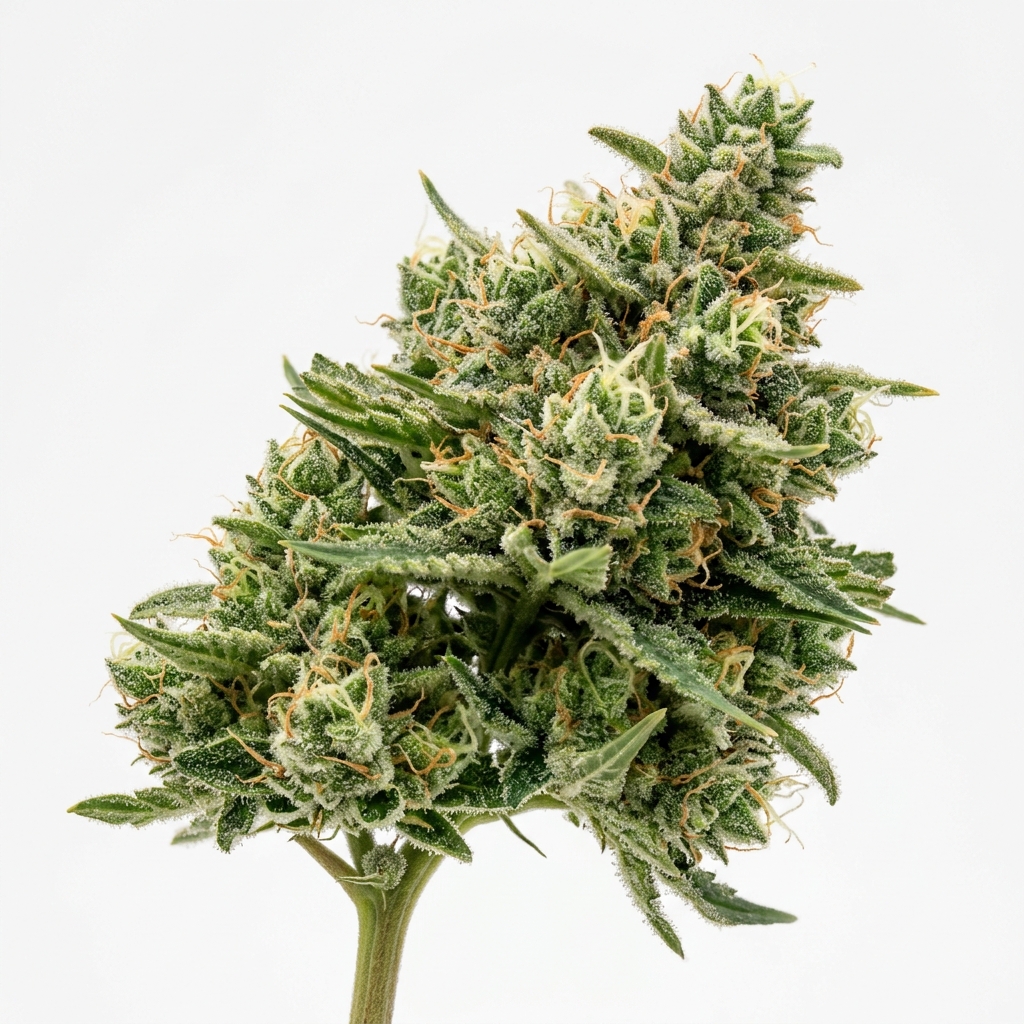
Cultivated flowers of Banana Lemon Cupcake typically present as dense, grape-shaped clusters with a tapered sativa-leaning structure. The bracts show vibrant tones ranging from bright forest green to mint, accented by deep golden undertones and occasional faint violet flashes. A thick network of slender, curling orange pistils weaves through the calyxes, while the entire flower surface is heavily encrusted in a pale golden-white mantle of glandular stalked trichomes.
Aroma & Flavor
The sensory profile of Banana Lemon Cupcake strongly reflects both parents. On the nose, initial impressions deliver a sharp burst of sweet, candied lemon and pungent citrus peel derived from its Super Lemon Haze ancestry. Breaking open the cured buds releases deeper notes of ripe banana puree, vanilla pastry cream, and a warm, loamy earthiness. Upon combustion or vaporization, the palate experiences an immediate hit of sugary lemon glaze and whipped banana cream, finishing with a lingering nuance of pine, herbal haze, and delicate spice.
Terpene Profile
Primary analytical batch testing from the breeder reveals a rich and varied monoterpene and sesquiterpene profile led by beta-myrcene, limonene, and beta-caryophyllene. Representative laboratory testing for whole flower shows:
- Beta-Myrcene: 0.54%
- Limonene: 0.40%
- Beta-Caryophyllene: 0.26%
- Linalool: 0.12%
- Humulene: 0.10%
- Beta-Pinene: 0.06%
- Alpha-Pinene: 0.03%
- Terpinolene: 0.03%
- Nerolidol: 0.02%
Potency & Cannabinoids
Banana Lemon Cupcake is characterized by high potency. Strain aggregator reports identify an average THC bracket spanning 29% – 31%. State laboratory certificates of analysis from licensed producer batches demonstrate total active cannabinoid concentrations exceeding 32%, featuring a cannabinoid distribution dominated by acidic precursors:
- THCA: 30.22%
- Delta-9 THC: 0.39%
- CBGA: 2.05%
- CBCA: 0.29%
The elevated levels of CBGA provide minor cannabinoid presence alongside the dominant tetrahydrocannabinolic acid content.
Effects
Consumer and community reports document an onset that is rapid and primarily cerebral. The initial phase is described as clear, uplifting, and stimulating, providing a spark of creative focus and mood elevation that avoids overwhelming disorientation when consumed in moderation. As the experience matures, the secondary body effects present as a light, calming relaxation throughout the shoulders and neck, maintaining functional mobility rather than delivering heavy couch-lock.
Cultivation Characteristics
Specific agronomic parameters such as exact photoperiod flowering duration, indoor yield per square meter, and outdoor harvest weeks have not been formally released by Happy Valley Genetics. Cultivator protocols highlight careful moisture management during the drying phase, followed by targeted hand trimming and multi-week environmental curing to protect the cultivar’s delicate monoterpenes and preserve cannabinoid integrity.
Resin & Extraction Characteristics
Due to the cultivar’s dense trichome density and abundant capitate-stalked heads, Banana Lemon Cupcake has been selected by commercial laboratories for solventless hash production. The trichomes wash effectively in ice-water separation, producing full-spectrum live rosin and solventless cartridges that emphasize its sweet limonene and myrcene profile.
Scientific & Botanical Overview
Taxonomically, Banana Lemon Cupcake represents an advanced polyhybrid cross within Cannabis sativa L. It combines classic European sativa-leaning genetics (Super Lemon Haze, derived from Lemon Skunk and Super Silver Haze) with modern California dessert varieties (Banana Jealousy, tracing back to Gelato #41, Sherbinski lines, and Banana Cream Cake). This genetic architecture yields high expression of secondary metabolites, combining volatile monoterpenes with high cannabinoid enzymatic synthesis.
Lineage & Related Strains
- Super Lemon Haze: Maternal/paternal contributor known for high limonene concentrations, sweet citrus candy aroma, and energizing sativa heritage.
- Banana Jealousy: A cross of Banana Cream Cake × Jealousy, contributing creamy fruit nuances, robust branch structure, and enhanced resin output.
- Lemon Smuggler: A related breeding line from Happy Valley Genetics pairing Han Solo Burger with Super Lemon Haze.
- Burger Jealousy: A sibling in-house project uniting Donny Burger with Banana Jealousy.
Sources & Data Notes
Data for this profile is sourced directly from breeder publications (Happy Valley Genetics), licensed Massachusetts dispensary analytical menus, and aggregated consumer reports. Exact cannabinoid percentages and terpene metrics reflect batch-specific laboratory analyses and may fluctuate across growing cycles and post-harvest handling.
Banana Lemon Cupcake Summary
Banana Lemon Cupcake is a potent, sativa-dominant hybrid cultivated by Happy Valley Genetics. Fusing Super Lemon Haze with Banana Jealousy, it features a complex lemon cream and fruit pastry terpene profile anchored by myrcene, limonene, and caryophyllene, backed by THC levels testing between 29% and 31%.