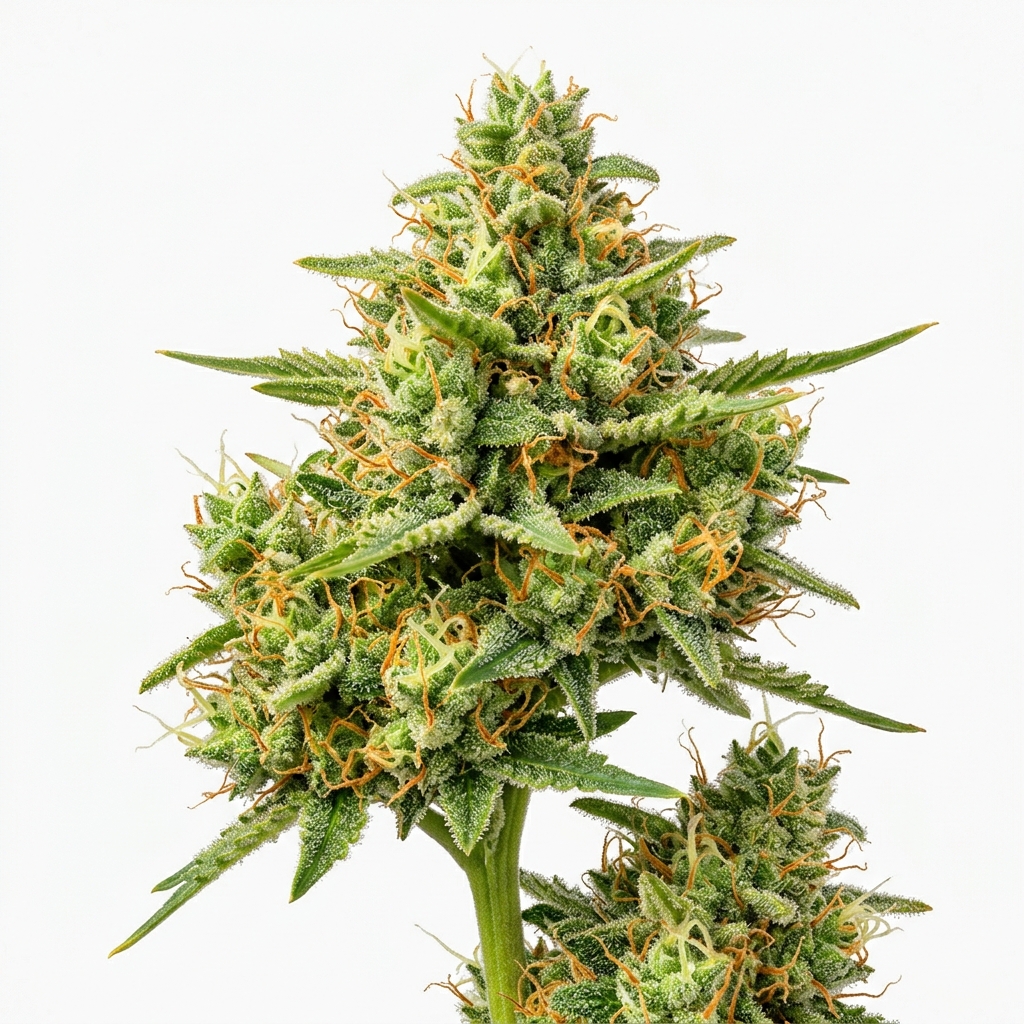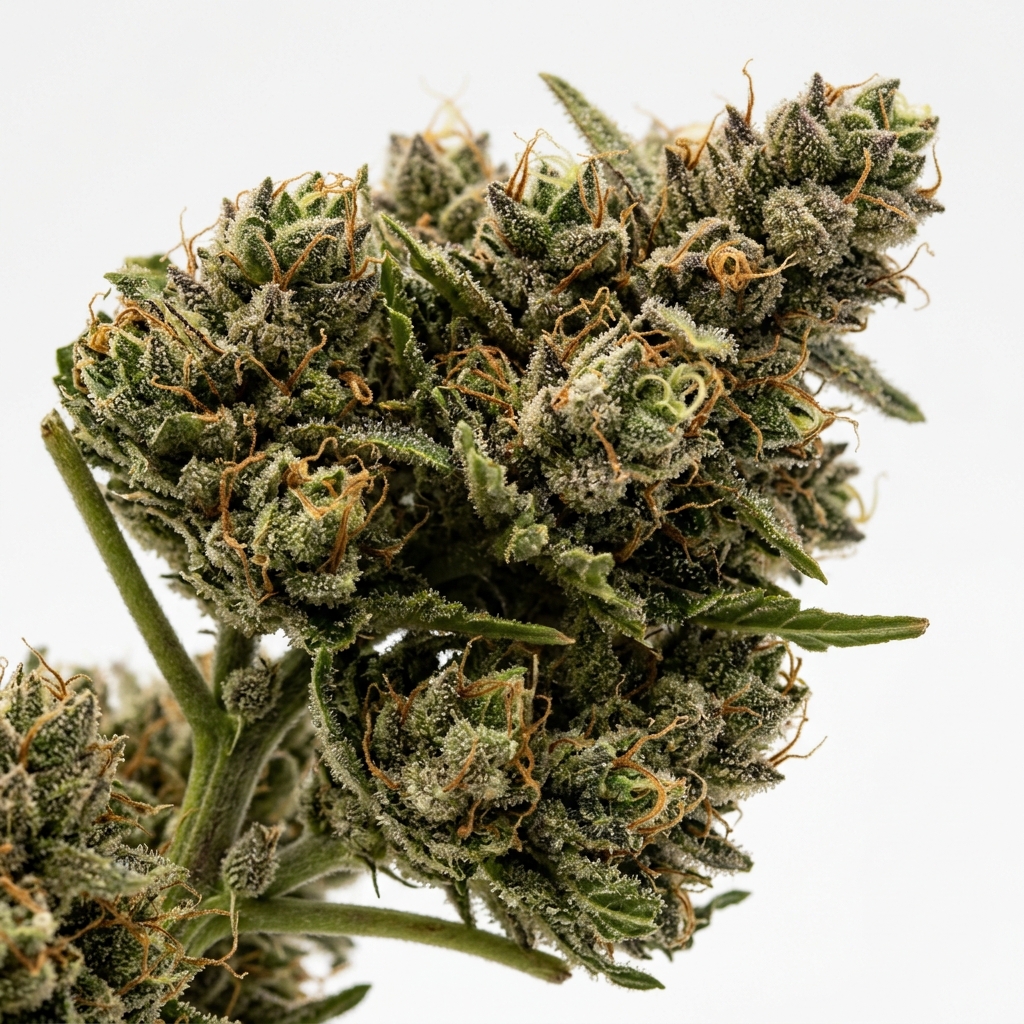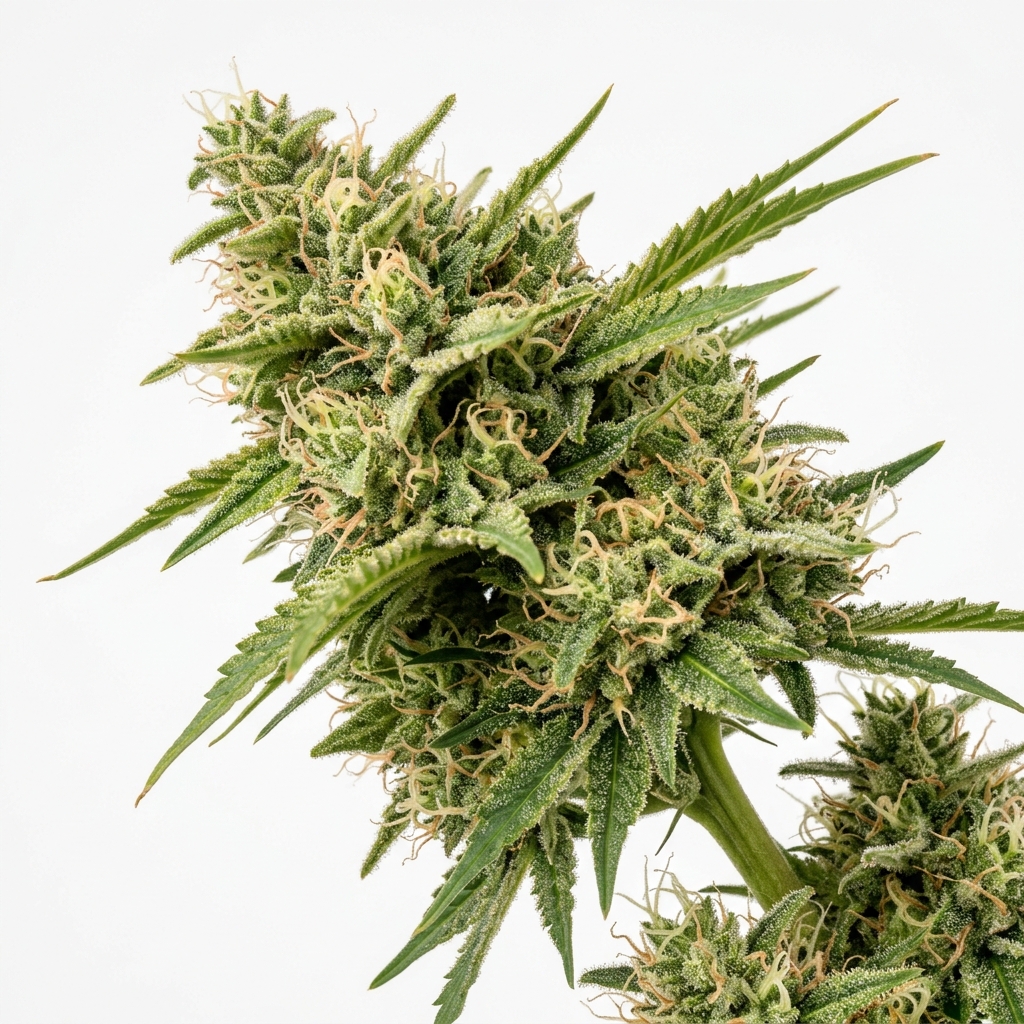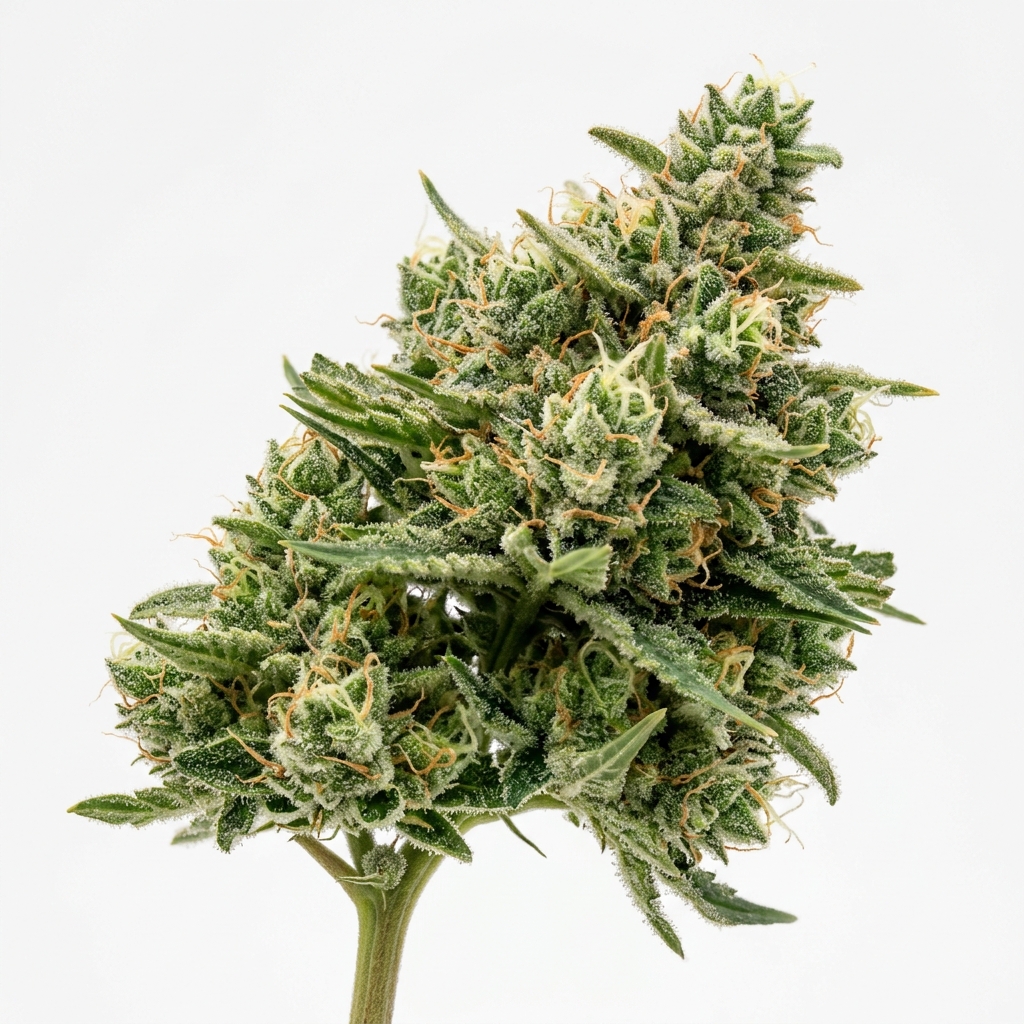
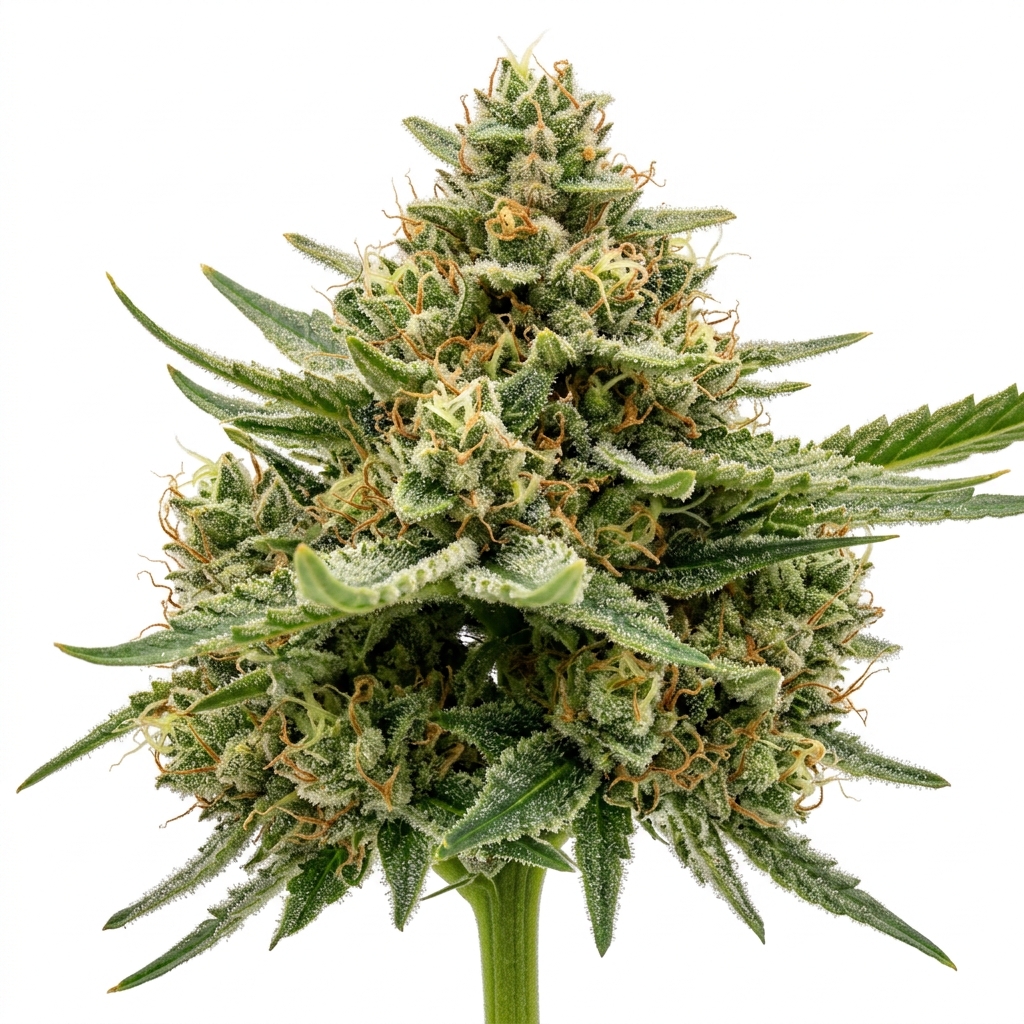
Dream Junky is a sativa-leaning hybrid cannabis cultivar developed by the Oakland-based breeding collective Purple City Genetics. Created through the cross of Double Dream and Chimera Junky, the strain is recognized for pairing the berry-forward, uplifting haze heritage of the Dream lineage with the resin-dense, modern vigor of Cap Junky and Chimera ancestry. Characterized by bold notes of ripe blueberry, sweet confectionery citrus, and sharp pine, Dream Junky combines pronounced bag appeal with high cannabinoid output and versatile extract performance.
Strain Profile & Genetics
The standardized botanical profile of Dream Junky is outlined below:
- Breeder: Purple City Genetics
- Genetics: Double Dream × Chimera Junky
- Cultivar Type: Sativa-leaning hybrid
- Seed Type: Clones and photoperiod regular/feminized starts
- THC Content: 23.02% – 28.2% (tested flower batches)
- CBD Content: Not reliably established (≤0.1% reported in observational entries)
- Primary Terpenes: β-Caryophyllene, β-Myrcene, α-Pinene, Limonene, Humulene
- Flowering Time: 60–65 days (indoor photoperiod)
- Outdoor Harvest: Mid-to-late October
- Plant Structure: Above-average height with vigorous lateral branching
- Yield Potential: High
- Aroma: Fresh blueberry, sweet orange peel, classic haze, and subtle peppery gas
- Flavor: Sugary blueberries, citrus juice, pine, and floral spice
- Mental Effects: Uplifting, cerebrally energizing, euphoric, and creatively focusing
- Body Effects: Calming, gentle somatic decompression, and a smooth, dreamy finish
- Resin & Extraction: High glandular trichome density suitable for solventless rosin and hydrocarbon sugar
Appearance
Dream Junky develops substantial, well-formed inflorescences that inherit the structural density of Chimera Junky paired with the elongated calyx clustering typical of Haze derivatives. The floral clusters display light forest-green to sage-green bracts, often contrasted by pale olive hues and occasional faint lavender undertones under cooler night cycles. Fiery amber and copper pistils curl tightly across the surfaces of the buds. A dense, granular crust of capitate-stalked glandular trichomes covers both bract surfaces and adjacent sugar leaves, giving mature colas a frosty, high-contrast visual texture.
Aroma & Flavor
The organoleptic profile of Dream Junky is driven by a pronounced interplay of berry, sweet citrus, and botanical haze. Unbroken cured flowers release an immediate aroma reminiscent of fresh blueberries and candied fruit, supported by an effervescent citrus brightness often compared to orange soda or zesty peel. Grinding the buds exposes underlying secondary layers of earthy spice, damp pine needles, and subtle pungent fuel derived from the Caryophyllene and Pinene components.
On inhalation, the flavor presents distinct blueberry and sweet berry pastry notes. As the vapor expands, it reveals an herbaceous haze character complemented by crisp pine, soft floral accents, and a mild, peppery bite on the exhale.
Terpene Profile
Analytical testing on commercial flower batches grown by operators such as The Standard indicates total terpene concentrations generally ranging between 2.01% and 3.57%. The terpene profile is dominated by a balanced mix of monoterpenes and sesquiterpenes:
- β-Caryophyllene: Typically the dominant or co-dominant terpene, measuring up to 0.93%–1.00% in tested cuts, contributing sharp spice, woody warmth, and potential interaction with peripheral CB2 receptors.
- β-Myrcene: Present in levels up to 1.07% in myrcene-heavy expressions, providing deep, ripe herbal-fruit aromas and contributing to full-body physical grounding.
- α-Pinene & β-Pinene: Accounting for up to 0.48% (α-pinene) and 0.15% (β-pinene), offering a fresh, sharp pine needle edge and contributing to sensory clarity.
- D-Limonene: Registering between 0.25% and 0.31%, imparting clean citrus sweetness that lifts the berry bouquet.
- Secondary Terpenes: Humulene (0.26%–0.27%), Linalool (0.17%–0.24%), Bisabolol (0.12%–0.14%), and trace Nerolidol round out the complex floral and woody baseline.
Potency & Cannabinoids
Laboratory assays from licensed dispensaries and horticultural nurseries show Dream Junky to be a high-potency chemotype. Commercial whole-flower samples have tested between 23.02% and 28.2% total THC. A representative certificate of analysis for a 28.06% total THC batch revealed 30.79% THCA and 1.06% Δ9-THC. Secondary cannabinoids like CBD remain very low, generally testing below 0.1% or at trace levels. Concentrated forms of the cultivar, including hydrocarbon live sugar, frequently exceed 88% total THC.
Effects
Consumer-reported effects are subjective, variable, and should not be construed as medical claims.
Mental Effects
Consumers consistently describe Dream Junky as opening with a rapid, sativa-leaning cerebral onset. Users frequently report heightened sensory awareness, elevated mood, and an invigorating wave of clean, euphoric energy. This initial phase is often described as promoting creative thinking, conversational engagement, and mental focus, making it popular for daytime activities and creative tasks.
Body Effects
As the initial rush moderates, the hybrid character transitions into a calm, tension-relieving sensation. Physical effects are characterized by smooth muscle ease and a soft, dreamy tranquility that softens mental urgency without immediately causing severe sedation or immobility.
Cultivation Characteristics
Dream Junky demonstrates vigorous vegetative development with strong vertical reach, commonly stretching to above-average heights. Growers report that plants adapt well to both indoor setups and full-sun outdoor environments.
Under controlled indoor conditions, Dream Junky carries a flowering window of approximately 60 to 65 days (some growers suggest allowing 9 to 11 weeks depending on phenotypic resin ripening goals). Outdoor agricultural listings from Northern California nurseries indicate an outdoor finish timeframe from mid-to-late October. The plants generate large terminal colas and benefit from early topping and trellis support to manage canopy density and sustain heavy, resinous blooms.
Resin & Extraction Characteristics
Thanks to the influence of Chimera Junky (which carries the resin-heavy Cap Junky lineage), Dream Junky produces abundant glandular trichome coverage. The cultivar has been widely selected by commercial processors for solventless live rosin wash runs as well as hydrocarbon live sugar extractions, yielding high terpene fractions characterized by durable citrus-berry and sweet fuel volatile profiles.
Scientific & Botanical Overview
Botanically, Dream Junky expresses a chemotype I (THC-dominant) profile. Its ancestry traces back to classic Northern California genetic pools (via Blue Dream and Super Silver Haze) paired with contemporary resin-forward polyhybrids (Cap Junky and Chimera #3). The resulting chemical phenotype produces an elevated ratio of monoterpenes (β-myrcene, α-pinene, limonene) combined with sesquiterpenes (β-caryophyllene, α-humulene), contributing to its distinctive, bright top-note bouquet and dense glandular trichome matrix.
Lineage & Related Strains
Dream Junky represents a convergence between established legacy sativa lines and modern high-potency dessert cultivars:
- Double Dream (Parent): A cross of Blue Dream and Dream Star, Double Dream is celebrated for sweet berry sweetness, moderate physical relaxation, and energetic cerebral stimulation.
- Chimera Junky (Parent): A potent cross of Cap Junky (Alien Cookies × Kush Mints) and Chimera #3, contributing extreme resin output, heavy trichome head size, and complex gassy, sweet undertones.
- Related Cultivars: Close genetic relatives within modern breeding programs include Cap Junky, Chimera, Super Silver Haze, and other Purple City Genetics selections such as Angry Orange and Governmint Oasis crosses.
Sources & Data Notes
Genetic origin and botanical lineage are sourced from Purple City Genetics and nursery distribution records (e.g., Plant Humboldt catalog data). Analytical cannabinoid values and terpene distributions reflect certified laboratory panel reports published by state-licensed operators (including The Standard) across regulated dispensary menus. Exact indica-to-sativa ratios have not been quantified in breeder disclosures; descriptions classify the plant qualitatively as a sativa-leaning hybrid.
Dream Junky Summary
Bred by Purple City Genetics, Dream Junky is a sativa-dominant hybrid combining Double Dream and Chimera Junky. Boasting tested THC concentrations from 23.02% to 28.2% and a rich terpene profile led by β-caryophyllene, β-myrcene, and α-pinene, it offers bright blueberry-haze aromatics, heavy resin production, and an uplifting, creative onset that settles into a dreamy somatic ease.