Northern Lights stands as one of the most foundational and influential cannabis cultivars in modern horticultural history. Emerging originally from the Pacific Northwest in the late 1970s and early 1980s, the variety was carried to the Netherlands, where breeder Neville Schoenmakers at The Seed Bank and subsequently Sensi Seeds stabilized, cataloged, and commercialized its genetic line. Bred predominantly from landrace Afghanica ancestry crossed with Thai sativa elements, Northern Lights established the global archetype for fast-flowering indoor indicas, celebrated for its stout architecture, abundant glandular trichome production, and heavily sedating physical effects.
Strain Profile & Genetics
- Breeder: Sensi Seeds / Neville Schoenmakers (originating in the Pacific Northwest, attributed to “The Indian”)
- Genetics: Afghani landrace x Thai sativa
- Type: Indica-dominant hybrid
- Indica / Sativa Ratio: 90% Indica / 10% Sativa
- Seed Type: Regular, Feminized, Autoflowering
- THC: 16% to 22%
- CBD: Under 1%
- Dominant Terpenes: Myrcene, Pinene, beta-Caryophyllene
- Flowering Time: 45 to 50 days
- Outdoor Harvest: Late September to mid-October
- Plant Structure: Compact, bushy, sturdy, short internodal spacing
- Yield: Heavy (approximately 500 g/m² indoors)
- Aroma: Earthy, sweet musk, forest pine, subtle honey and herbal juniper
- Flavor: Pungent sweet pine, hash spice, rich earth, woody undertones
- Mental Effects: Calming, mild euphoria, settled headspace, mental quietude
- Body Effects: Deep physical relaxation, muscle loosening, heavy body stone, sedation
- Resin / Extraction: Copious trichome density, high yields for sieved hashish and solventless extracts
Appearance
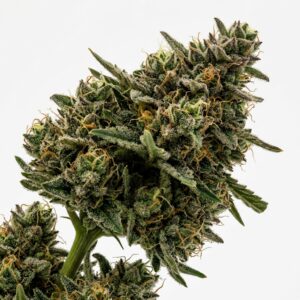
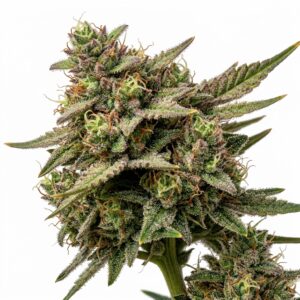
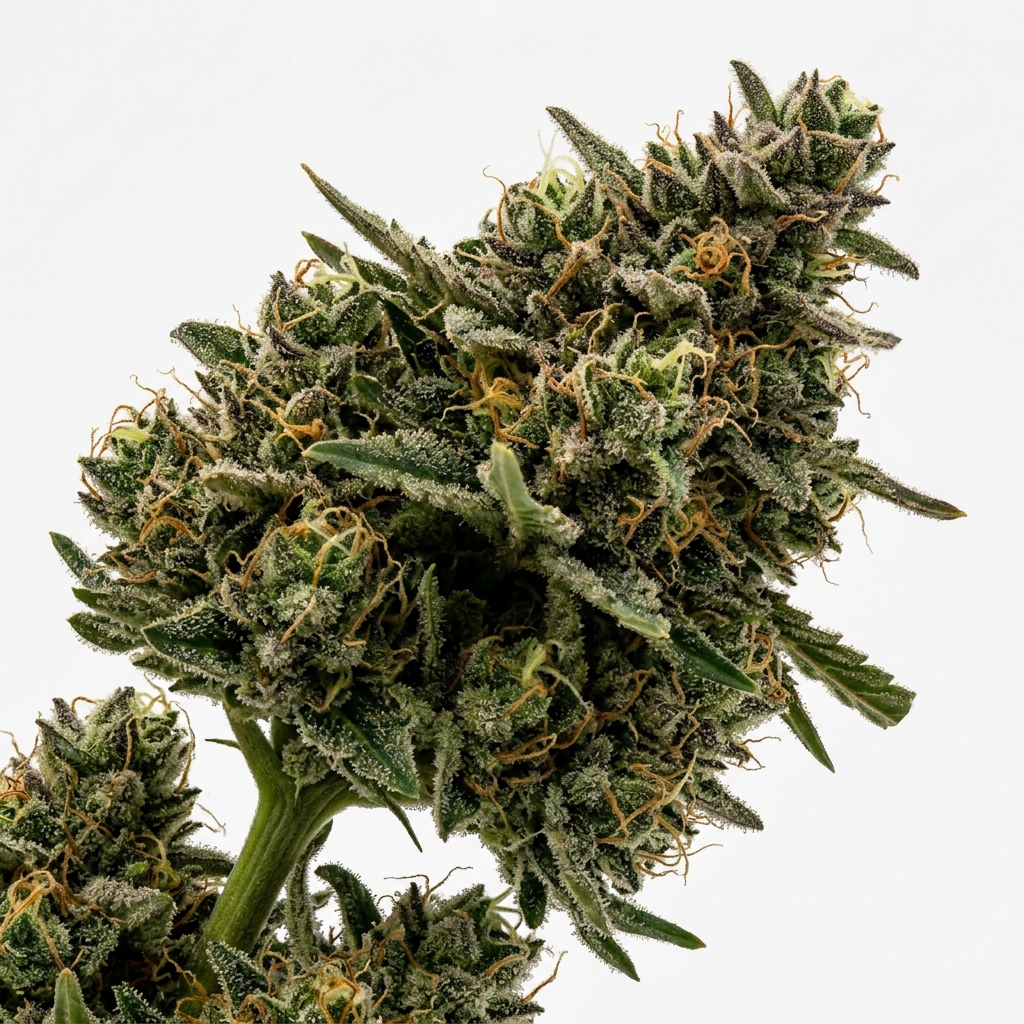
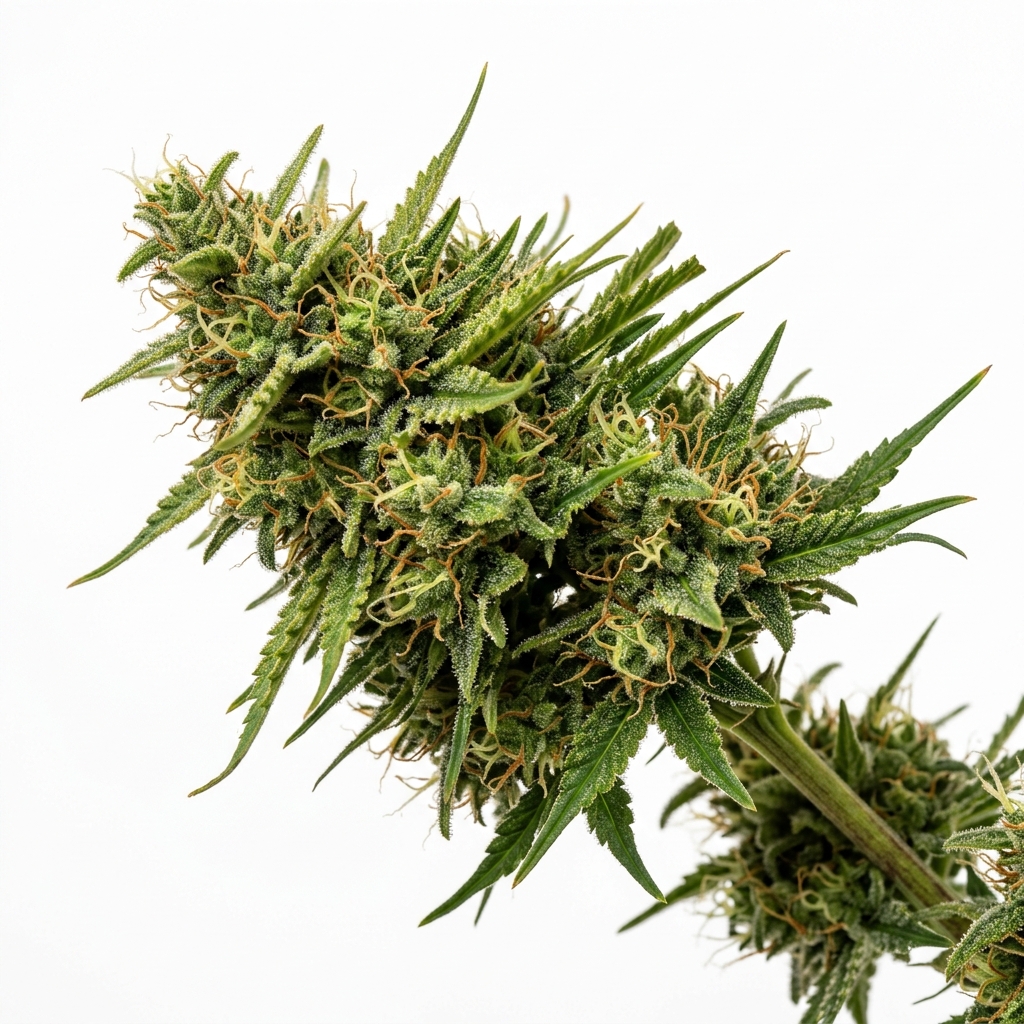
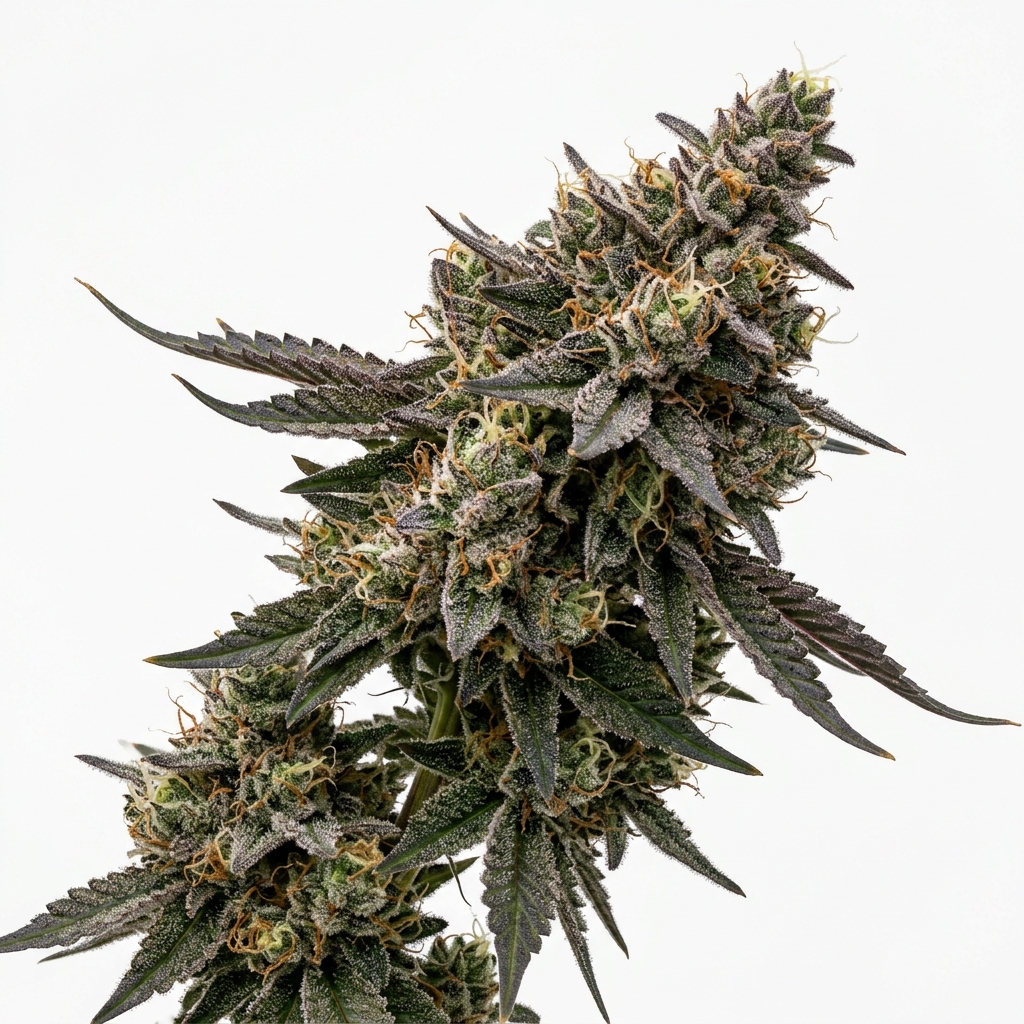
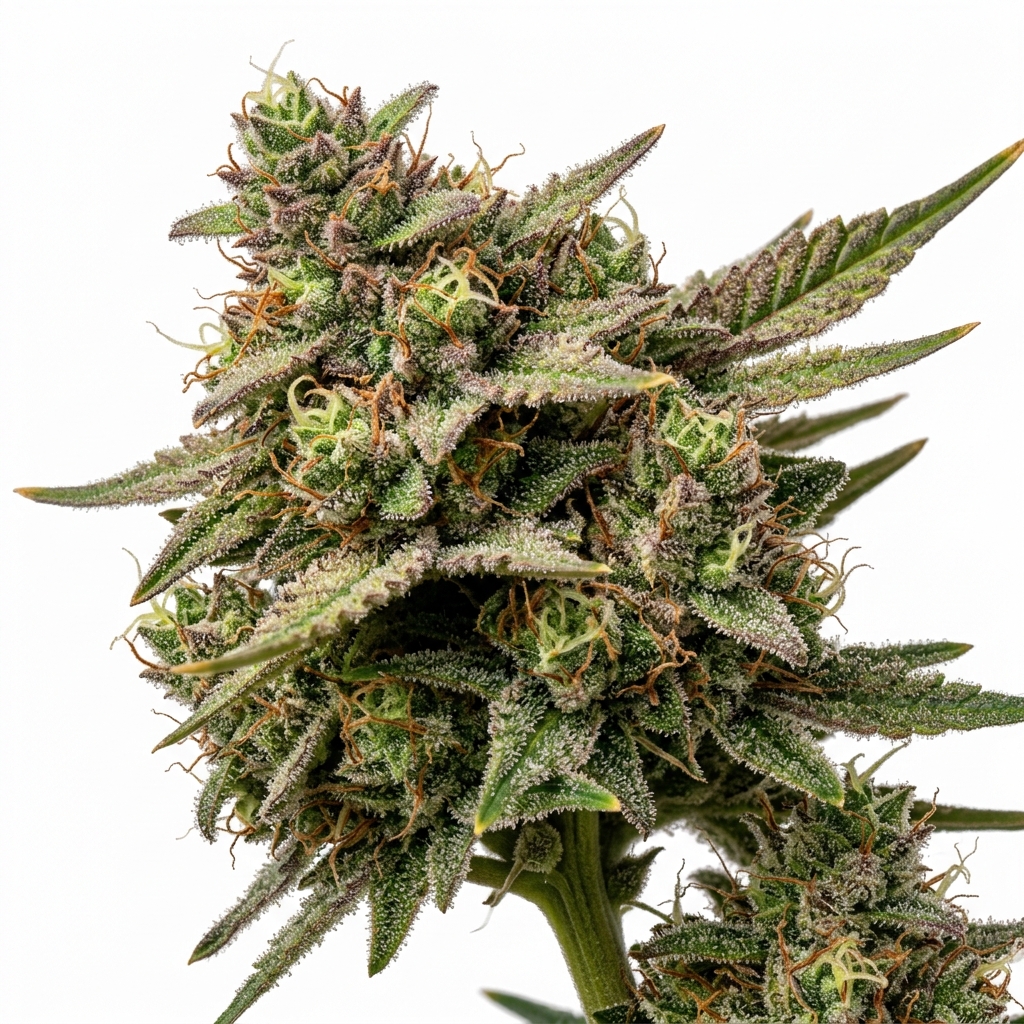
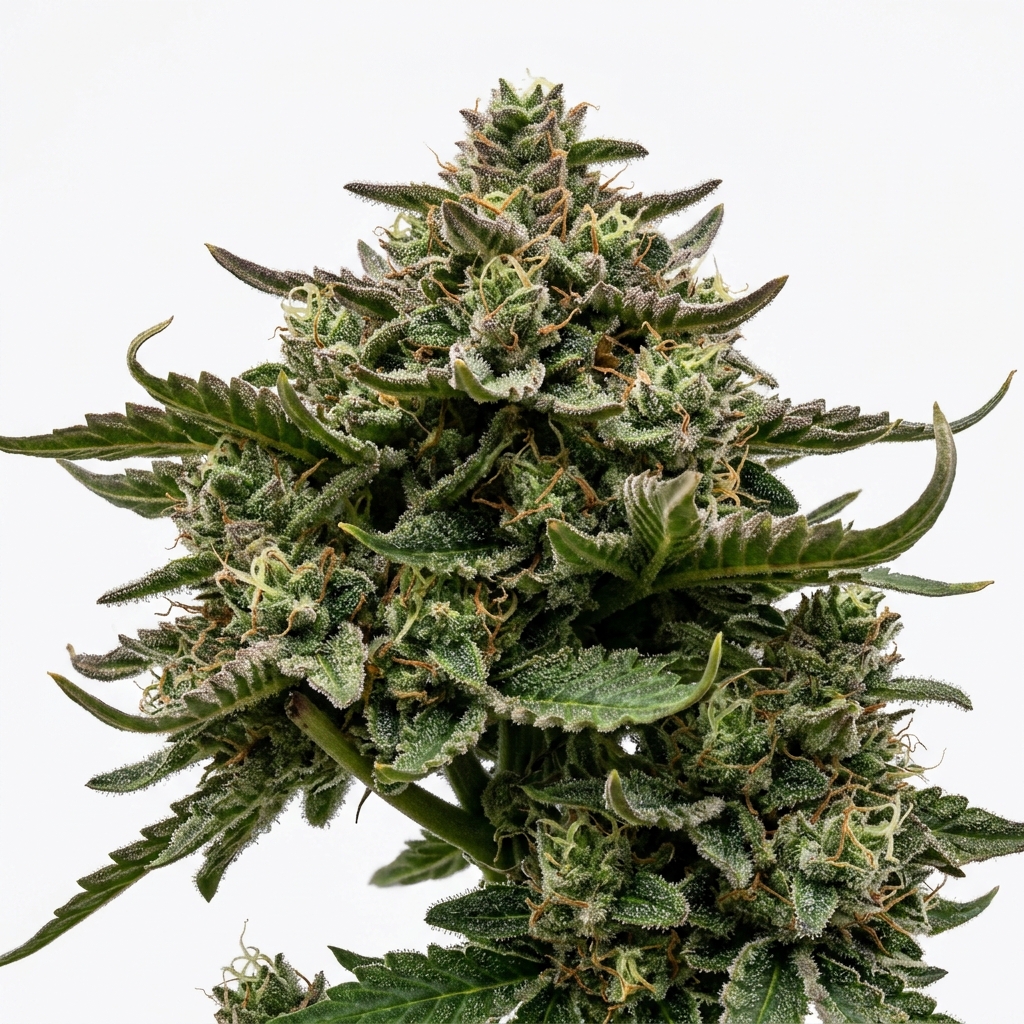
Northern Lights produces dense, tightly packed, conical to spherical floral clusters characteristic of pure broad-leaf Afghanica heritage. The calyxes form thick, layered knuckles draped in a heavy, frosted mantle of stalked glandular trichomes. Foliage displays deep forest-green and olive tones, with occasional darkening or muted purple shading near the bract margins when exposed to cooler night cycles during the final weeks of flowering. Pistils remain relatively short, fine, and tightly curled, aging from pale creamy white to rich brassy amber and copper.
Aroma & Flavor
During vegetative growth and early flowering, Northern Lights emits a comparatively discreet, low-intensity odor, making it a classic favorite for stealth cultivation. Once the mature flowers are cured and broken open, the profile reveals a rich aromatic palette defined by damp earth, aged wood, sweet musk, and sharp pine resin. Notes of wildflower honey and peppery spice linger beneath the primary evergreen bouquet. On consumption, the smoke is dense yet smooth, delivering notes of sweet forest earth, hashish musk, and herbal pine on the palate, finishing with a lingering peppery-sweet resonance on the exhale.
Terpene Profile
Analytical testing across commercial harvests and breeder repositories consistently identifies beta-myrcene as the primary terpene driving the Northern Lights profile. Secondary monoterpenes and sesquiterpenes play significant supportive roles, notably alpha-pinene, beta-pinene, and beta-caryophyllene, with limonene present in lesser concentrations. Myrcene contributes the earthy, musky foundation and reinforces the physical weight of the cultivar, pinene introduces crisp pine and resinous nuances, and beta-caryophyllene delivers peppery warmth while binding selectively to peripheral CB2 receptors.
Potency & Cannabinoids
Northern Lights is categorized as a moderate-to-high potency THC cultivar by historical standards, with commercial analytical tests generally reporting total THC concentrations ranging from 16% to 22%. Individual phenotype grow reports, such as Sensi Seeds’ controlled cultivation runs, have logged specific THC levels around 20.2%. Cannabidiol (CBD) levels remain low, consistently registering under 1% or below the limit of quantitation in primary chemotype testing. Secondary cannabinoids include trace to moderate amounts of cannabigerolic acid (CBGA) and cannabichromene (CBC), which together form a typical Type I THC-dominant cannabinoid profile.
Effects
The psychoactive and somatic profile of Northern Lights is widely documented through consumer reports and specialist literature.
Mental Effects
Reported cognitive effects begin with a mild, cerebral uplift and gentle euphoria that quiets racing thoughts and eases mental tension. The psychological state is commonly described as contemplative, tranquil, and clear rather than disorienting or racy, fostering a slow, tranquil headspace that suits quiet evening hours.
Body Effects
Physical effects dominate the latter stages of the experience, settling firmly into the musculature with profound body heaviness, physical tension release, and marked limb relaxation. Higher consumption frequently leads to pronounced couch-lock and eventual sleepiness, establishing Northern Lights as an evening-oriented, restorative variety.
Cultivation Characteristics
Northern Lights is regarded as one of the most resilient, forgiving, and dependable photoperiod cultivars available. Its rapid flowering window spans just 45 to 50 days (6.5 to 7 weeks) under a standard 12/12 photoperiod, though some specific selections or backcrosses can extend up to 55 days. Plants maintain a naturally compact profile indoors, generally reaching between 80 and 130 cm in height, exhibiting sturdy side branches that easily support heavy floral clusters. Outdoors in warm, sunny Mediterranean climates, plants can reach 150 to 200 cm, completing flowering between late September and mid-October. Indoor yields typically average around 500 g/m², while outdoor yields can produce 500 to 600 g per plant, with optimal outdoor specimens capable of higher output. The cultivar demonstrates strong innate resistance to pests and mold due to its hardy mountain ancestry.
Resin & Extraction Characteristics
Throughout its history, Northern Lights has been celebrated for exceptional glandular trichome formation. The capitate-stalked trichomes produce dense, easily sheared heads with sturdy cuticle membranes, making the dried material well suited for traditional dry-sieving, ice-water extraction (bubble hash), and mechanical rosin pressing. Concentrates produced from Northern Lights retain deep, pine-dominant and earthy terpene signatures accompanied by high cannabinoid purity.
Scientific & Botanical Overview
Botanically, Northern Lights displays the morphological hallmarks of Cannabis sativa subsp. indica (often taxonomically categorized as Cannabis indica var. afghanica). These traits include wide, dark green leaflets, short internodal gaps, thick woody stems, and a low surface-area-to-volume ratio in the inflorescences. The infusion of Thai sativa genetics introduced hybrid vigor, modest internodal stretch, and nuanced terpene complexity without undermining the rapid maturation cycle or dense bract formation inherited from the Afghan parent.
Lineage & Related Strains
Alongside Skunk #1 and Haze, Northern Lights formed the tripartite foundation of modern domestic cannabis hybridization. Originally selected into eleven numbered phenotypes (NL#1 through NL#11), the legendary cut Northern Lights #5 (NL#5) became the definitive mother plant across European and American breeding programs. Northern Lights genetics serve as a direct parent or pivotal ancestor in prominent cultivars including:
- Jack Herer: (Haze x Northern Lights #5 x Skunk #1)
- Super Silver Haze: ((NL#5 x Haze) x (Skunk #1 x Haze))
- Shiva Skunk: (Northern Lights #5 x Skunk #1)
- Black Domina: (Northern Lights x Ortega Indica x Hash Plant x Afghani)
Sources & Data Notes
Data regarding original breeding lineage, flowering timelines, and morphology is sourced from primary documentation published by Sensi Seeds and historical archives of The Seed Bank. Cannabinoid and terpene ranges reflect regulatory filings, third-party laboratory certificates of analysis, and peer-reviewed cannabis database records. Reported experiential effects represent observational consumer feedback aggregated across specialist analytical platforms.
Northern Lights Summary
Northern Lights is a seminal 90% indica hybrid combining landrace Afghani and Thai lineage. Renowned for its compact structure, short 45-to-50-day flowering time, heavy resin yields, and earthy-pine terpene profile led by myrcene, it remains a global standard for reliable cultivation and deep physical relaxation.