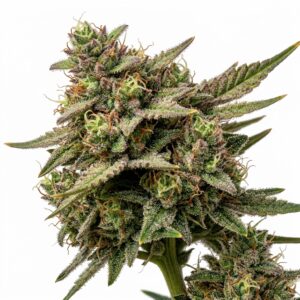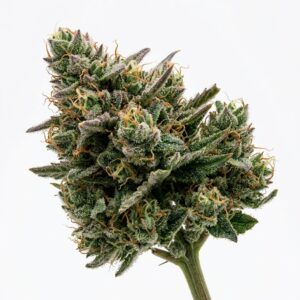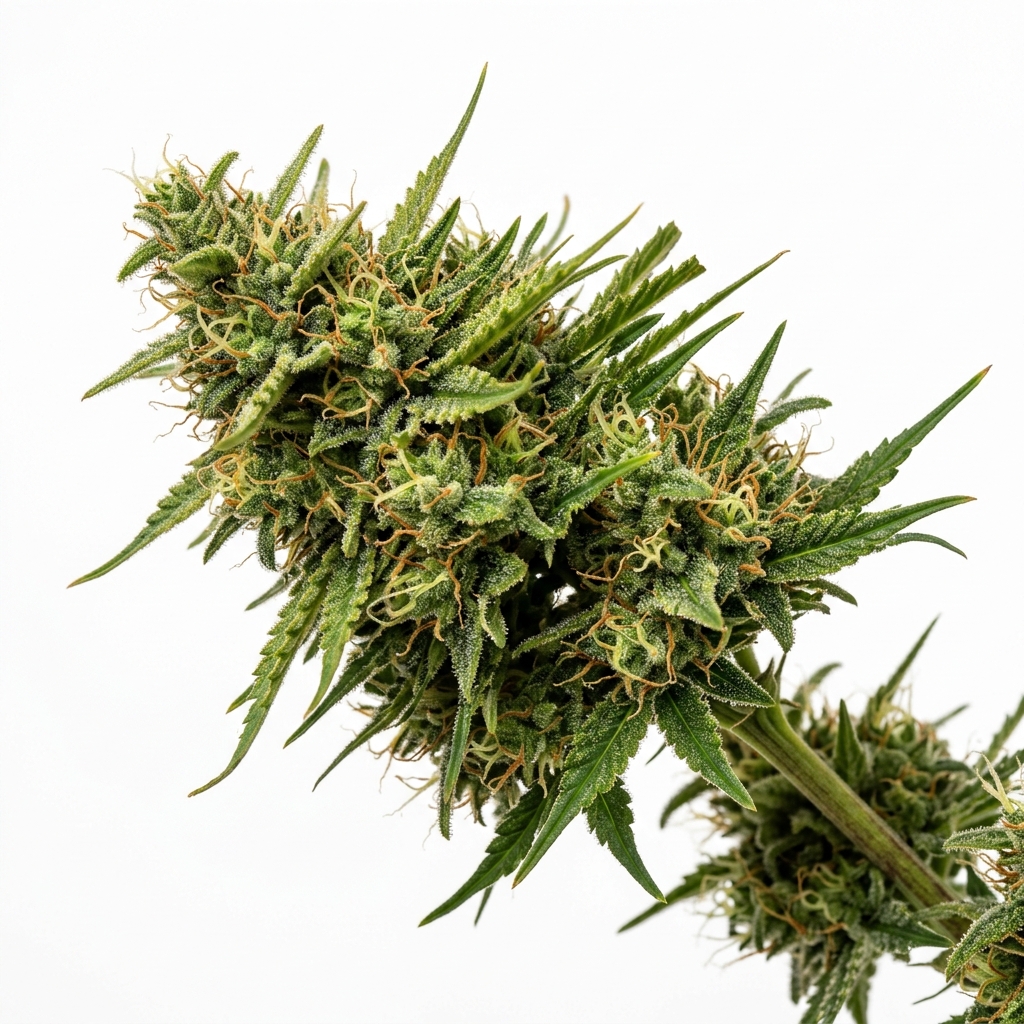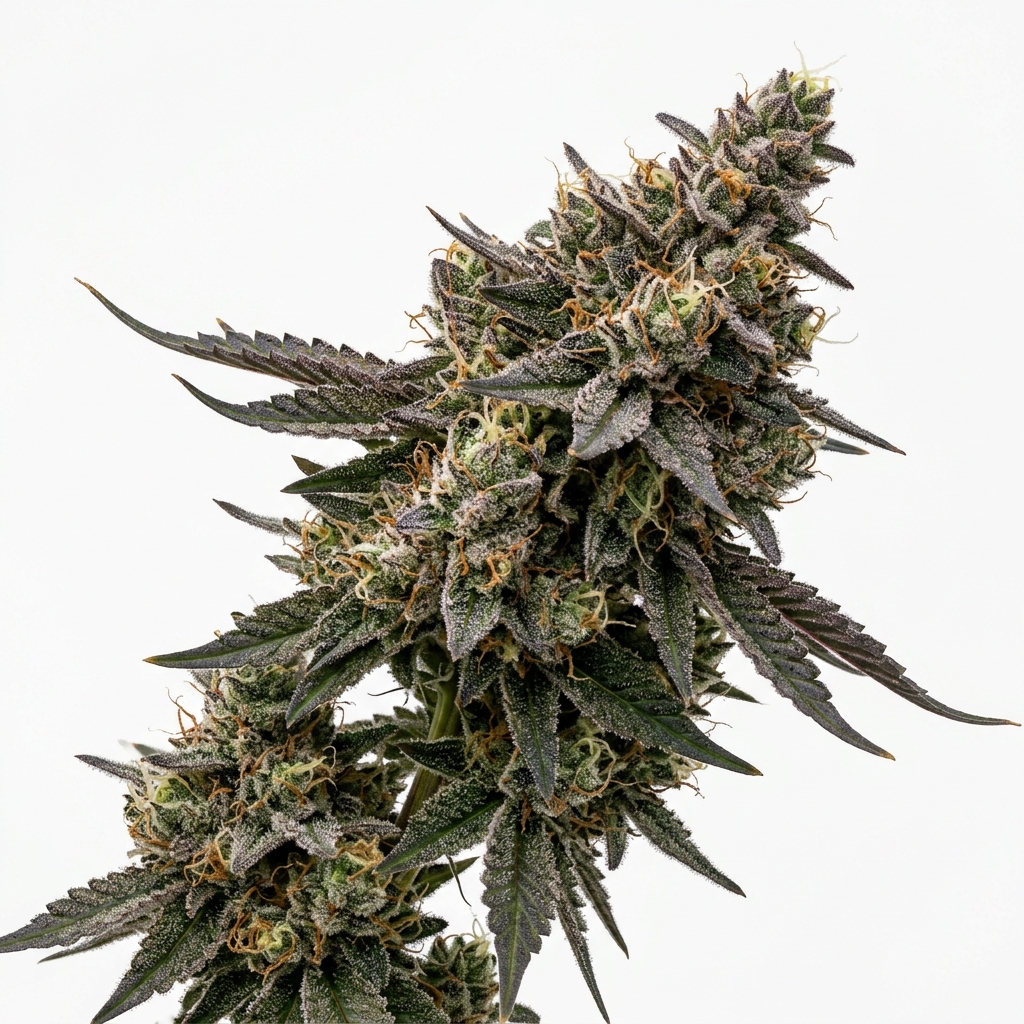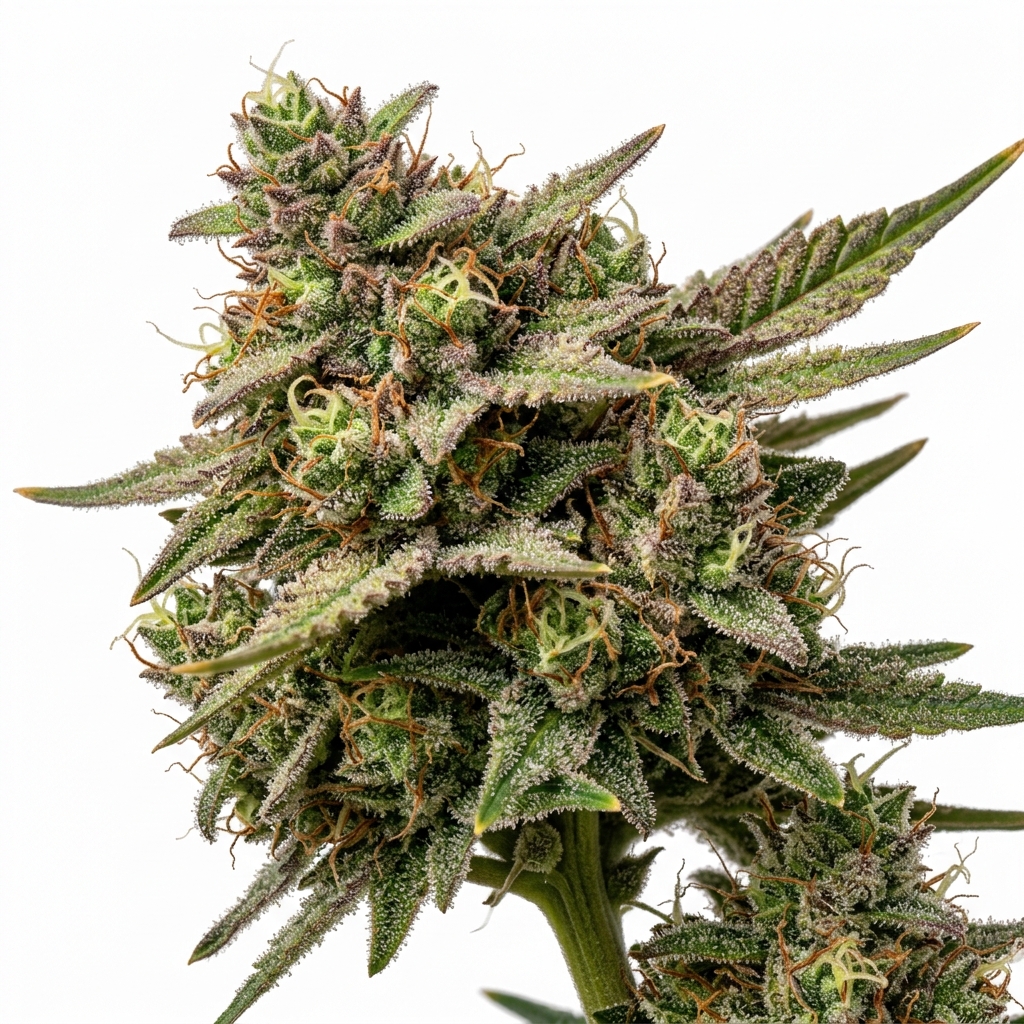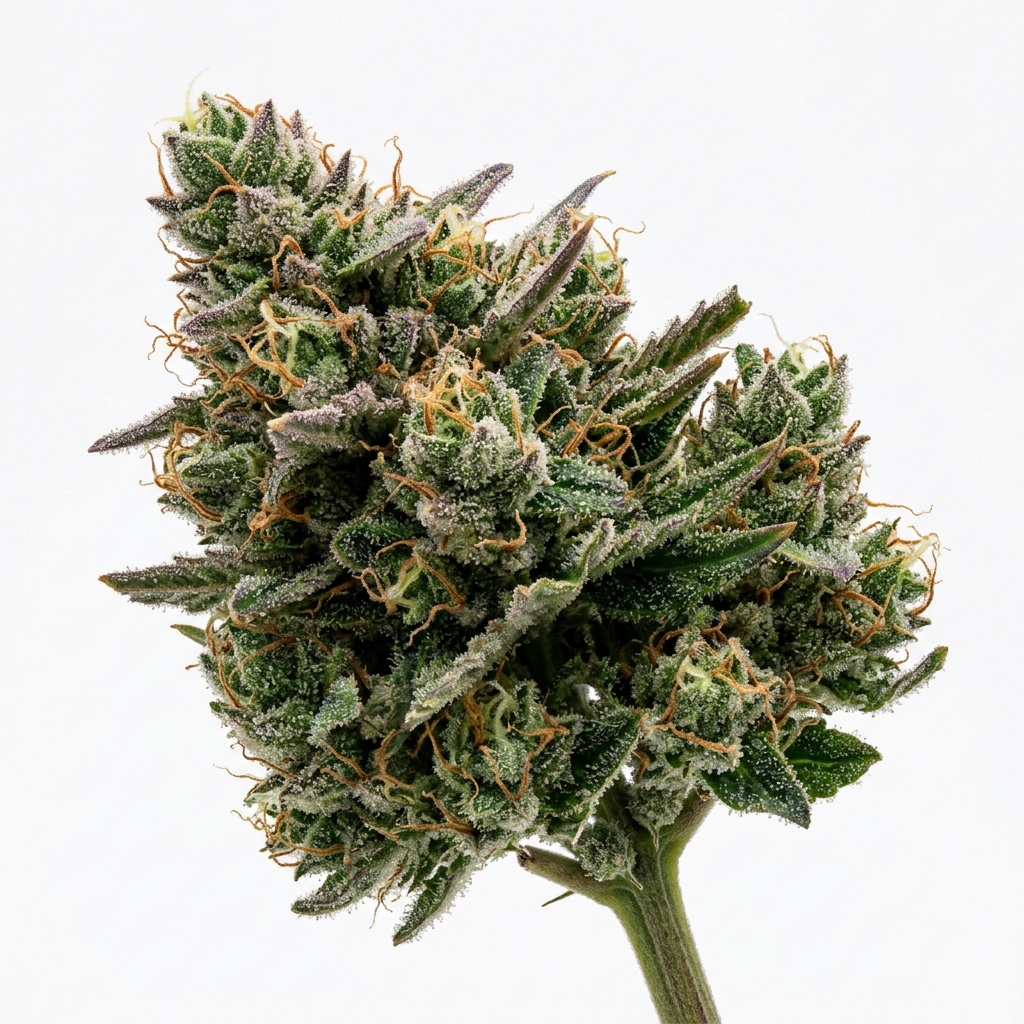

Tusi is an indica-dominant hybrid cannabis cultivar recognized within modern craft markets for its dessert-like confectionery fragrance, deep purple-and-pink floral coloration, and heavy resin coverage. In commercial cannabis circles, it has been popularized through select Californian craft cultivators such as GOTTI, though it remains an exclusive boutique offering rather than an open-source seedline. Importantly, the cannabis cultivar Tusi must not be confused with the illicit synthetic street concoction of the same name (also known as “pink cocaine” or “tucibi”), which is a non-cannabis powder mixture typically containing ketamine, MDMA, and colorants. As a botanical variety, Tusi belongs firmly to the modern dessert-and-gas lineage of contemporary Cannabis sativa L. hybrids.
Strain Profile & Genetics
- Genetics: Pink Runtz × Gelato #33 (reported)
- Type: Indica-dominant hybrid
- Indica/Sativa Ratio: 60% Indica / 40% Sativa (reported)
- THC Content: 20% – 26%
- Flowering Time: 56 – 63 days (8 – 9 weeks)
- Plant Structure: Medium height with moderate internodal spacing and strong lateral branching
- Yield Potential: 400 – 500 g/m² indoor
- Aroma: Sweet candy, strawberry cream, sugary confections, sharp diesel fuel
- Flavor: Candied fruit, strawberry milkshake, creamy vanilla, earthy fuel
- Mental Effects: Uplifting cerebral euphoria, calm sensory clarity
- Body Effects: Physical ease, soothing muscular relaxation
- Resin / Extraction: Copious capitate-stalked glandular trichomes suitable for solventless extraction
The genetic background of Tusi is widely documented across specialized cultivar listings as a targeted cross between Pink Runtz (a phenotype within the Zkittlez × Gelato family) and Gelato #33 (Sunset Sherbet × Thin Mint GSC). While boutique flower selections have entered legal retail spaces through California cultivators like GOTTI, the identity of the original individual breeder has not been formally verified in primary commercial seed registries, leaving attribution to boutique underground selections.
Appearance
Tusi produces dense, spade-shaped to compact ovate floral clusters characterized by tightly packed bracts. The coloration is heavily driven by anthocyanin pigments inherited from both Gelato and Pink Runtz lines. When subjected to mild night-cycle temperature drops during late bloom, the flower calyxes transition from a deep olive green to hues of royal purple and soft pinkish-lavender. A thick blanket of glandular, capitate-stalked trichomes covers the exterior, giving mature nugs a frosted, crystalline sheen that contrasts sharply with curled, fiery-orange to copper pistils.
Aroma & Flavor
True to its contemporary dessert heritage, Tusi emits a pungent, room-filling olfactory bouquet driven by artificial candy sweetness, creamy undertones, and subtle background fuel. Sensory profiles describe the primary scent as reminiscent of pink fruit chews, strawberry milkshake, and candied berry confections layered over an earthy, doughy base. Upon combustion or vaporization, the inhale delivers heavy candied sweetness and fruit punch tones, while the exhale introduces a smooth, creamy vanilla finish accompanied by light earthy gas.
Terpene Profile
While definitive laboratory third-party certificates of analysis specifying exact milligram-per-gram terpene ratios are not formally cataloged in public repositories, sensory and lineage evaluations strongly indicate a terpene profile dominated by beta-caryophyllene, limonene, and linalool or humulene, characteristic of Gelato and Runtz descendants. This combination underpins the simultaneous sweet fruitiness, velvety creaminess, and light peppery-diesel finish present in cured flowers.
Potency & Cannabinoids
Analytical cannabinoid testings reported by dispensaries and cultivar profiles establish a total THC concentration ranging between 20% and 26%. Secondary cannabinoids such as CBD, CBG, and THCV are present only in baseline fractional traces, confirming that Tusi is a Type I chemotype bred primarily for high tetrahydrocannabinol expression rather than balanced non-intoxicating fractions.
Effects
User reports describe Tusi as delivering a balanced but distinctly indica-leaning experiential profile. The mental effects typically begin with an immediate euphoric crest that softens mental clutter and provides a sensory, relaxed focus. Physically, the strain introduces a gentle sensation of bodily ease, easing muscular tension without inducing an immediate or paralyzing couch-lock when consumed in moderation. In higher quantities, the physical relaxation deepens, making the cultivar popular for late afternoon or evening leisure.
Cultivation Characteristics
In indoor horticultural environments, Tusi demonstrates standard hybrid vigor with manageable internodal spacing and stout lateral branching capable of holding moderately heavy floral weight. Plants reach medium heights with a controlled vertical stretch during the transition to flower. The cultivar finishes flowering indoors within 56 to 63 days (8 to 9 weeks), generating yields between 400 and 500 grams per square meter under optimized environmental controls. Growers note that maintaining low relative humidity during the final three weeks of bloom is critical to protect its dense, resin-saturated colas against botrytis.
Resin & Extraction Characteristics
Owing to its Gelato #33 ancestry, Tusi exhibits notable glandular trichome heads with brittle stalks that separate cleanly during mechanical agitation. This trait has led craft processors to select the cut for live rosin and ice-water hash production, capturing the vibrant candy-fuel terpene fraction without degradation.
Scientific & Botanical Overview
Botanically classified under Cannabis sativa L., Tusi expresses phenotypic markers typical of polyhybrid stabilized crosses within the North American dessert cannabis gene pool. Foliar development presents broad, dark green fan leaves during vegetative growth that gradually narrow during generative flowering. Anthocyanin accumulation in floral bracts is a genetically guided physiological response influenced by cooler finishing temperatures, which upregulates pigment synthesis while chlorophyll degrades.
Lineage & Related Strains
Tusi shares close genetic ties with other celebrated modern confectionery hybrids:
- Pink Runtz: A direct maternal/paternal relative providing the intense sugary, tropical candy aroma.
- Gelato #33 (Larry Bird cut): Contributes plant structure, deep purple coloration, and creamy dough-and-fuel notes.
- Zkittlez: The foundational heritage ancestor behind the candy-forward terpene traits found across the Runtz family.
- Sunset Sherbet: Foundational ancestor behind the dense floral architecture and rich anthocyanin palette.
Sources & Data Notes
Data regarding Tusi is synthesized from published craft cultivar reports, commercial lab test brackets, and documented batch reviews by California cannabis organizations. Due to the prevalence of the slang term “Tusi” in non-cannabis contexts, users and researchers must take care to separate botanical cannabis documentation from synthetic drug references. Exact commercial breeder identity remains unverified across open seed databases.
Tusi Summary
Tusi is an indica-dominant (approx. 60/40) hybrid testing between 20% and 26% THC, derived from Pink Runtz and Gelato #33. Known for dense purple-tinted flowers, heavy trichome production, and a profile reminiscent of candied fruit and creamy milkshakes, it delivers relaxing physical ease paired with sensory mental calm.