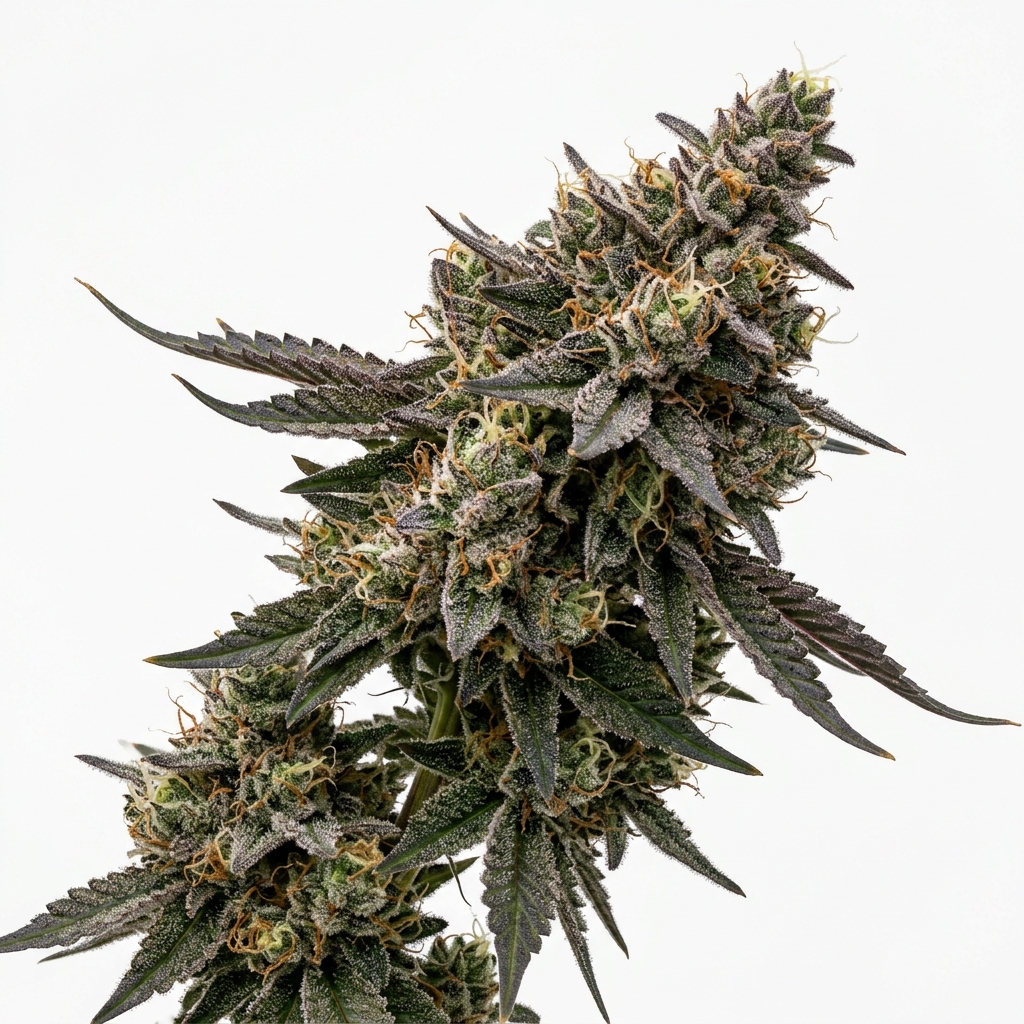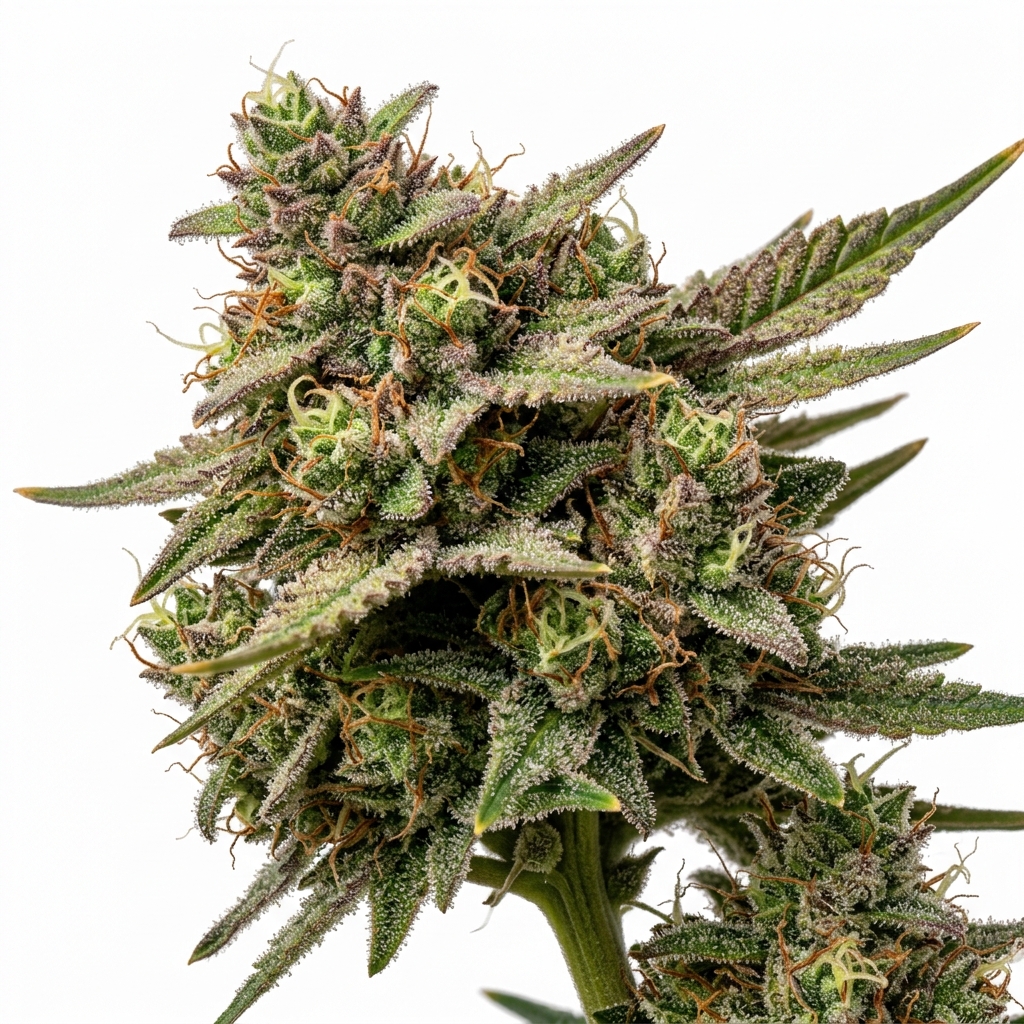

Elderflower is a balanced hybrid cannabis cultivar profile widely recognized across regulated state markets—including Massachusetts, New York, New Jersey, and Illinois—primarily popularized by the lifestyle vaporizer manufacturer Fernway. Characterized by a delicate botanical bouquet of blooming elderflowers, light citrus, and fresh herbs, this profile is formulated to deliver an approachable, cerebrally uplifting experience paired with functional physical calm.
Strain Profile & Genetics
In commercial adult-use markets, Elderflower has been distributed almost exclusively as a curated hybrid distillate formulation rather than an open-market botanical seed release. As a result, standard commercial seed registries lack verified maternal and paternal cross documentation for raw agricultural cultivation.
- Breeder: Fernway (proprietary product line formulation)
- Type: Hybrid
- THC: High potency in processed oil (individual analytical batch assays report 83.07%, 85.01%, 87.34%, 88.88%, and up to 91.11% THC); raw flower baseline Not reliably established
- CBD: Trace levels in concentrate batches (reported between 0.16% and 1.78% CBD)
- Dominant Terpenes: Limonene, beta-Myrcene, Bisabolol, alpha-Pinene, Linalool
- Aroma: Floral blossoms, sweet herbs, crisp citrus, faint spice
- Flavor: Delicate elderflower, honeysuckle sweetness, lemon zest, botanical tea
- Mental Effects: Mood elevation, calm clarity, focus, daytime sociability
- Body Effects: Mild muscle relaxation, tension relief without heavy sedation
- Resin & Extraction: Standardized high-purity cannabis distillate oil blended with naturally derived terpenes
Appearance
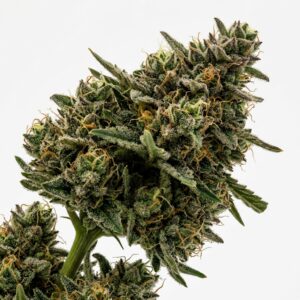
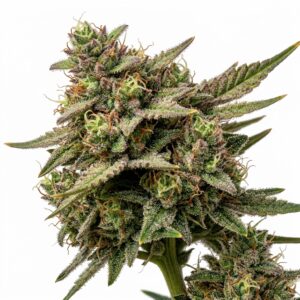
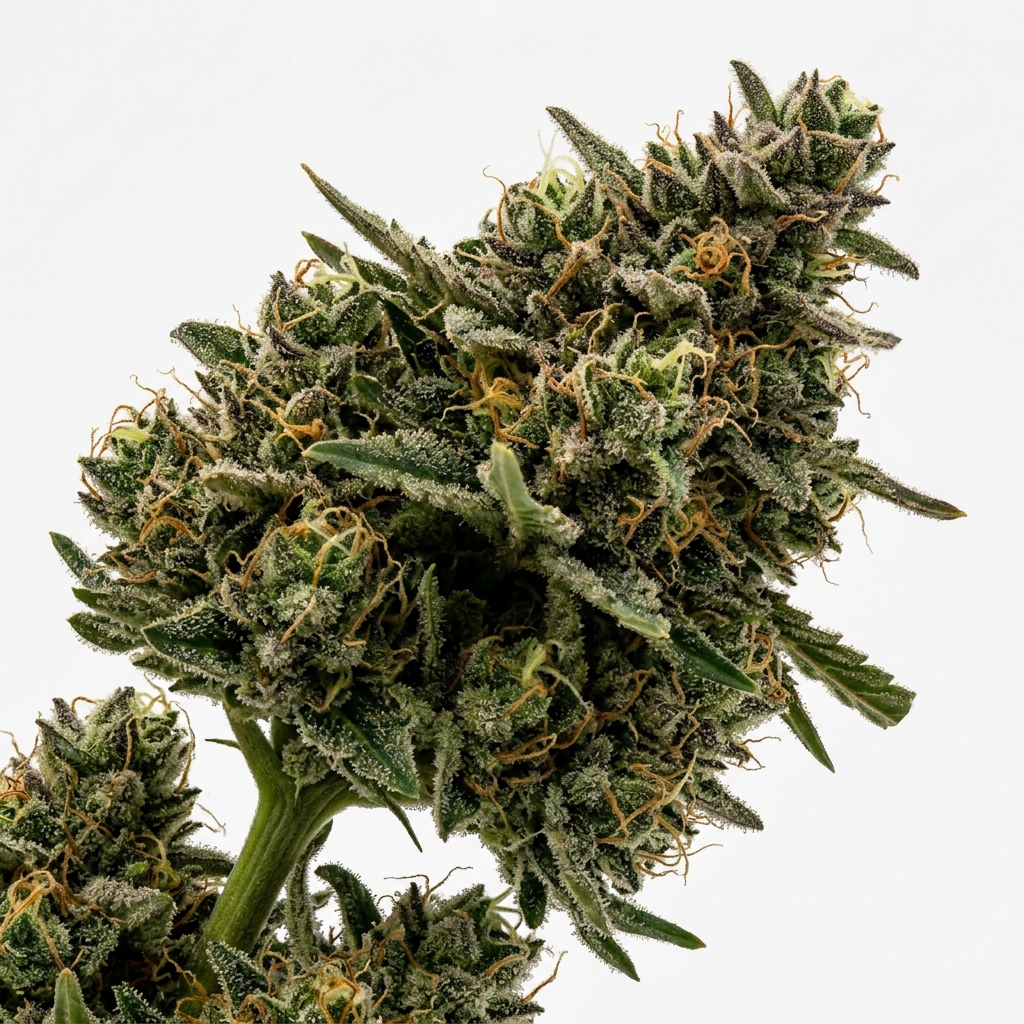
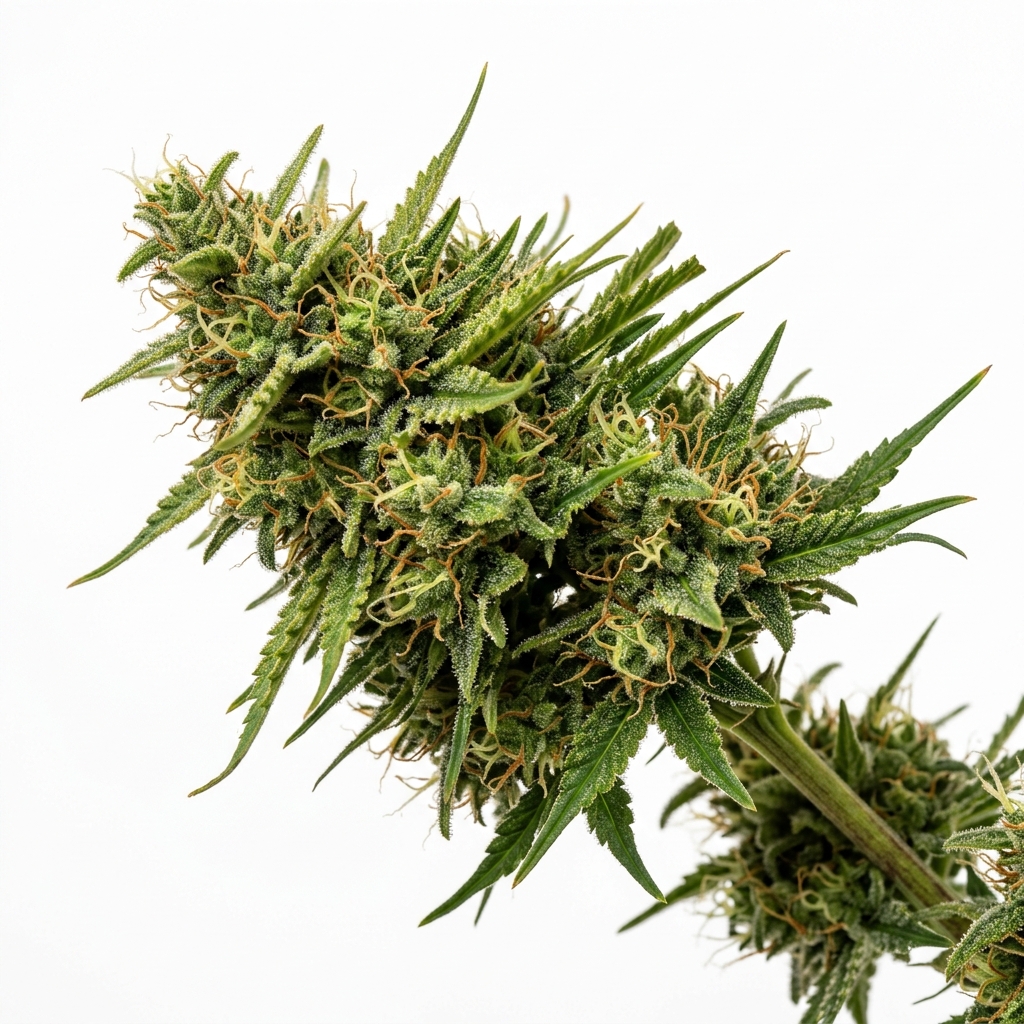
Because Elderflower is distributed primarily through high-purity vaporization hardware, its commercial presence is most frequently documented in processed form as a translucent, honey-amber extract possessing high viscosity. Verified botanical records detailing whole-flower bract morphology, calyx-to-leaf ratios, or pistil coloration for a living cultivar under this standalone name have not been made available by commercial breeders.
Aroma & Flavor
The sensory signature of Elderflower centers around delicate floral terpenes reminiscent of wild Sambucus blossoms. Upon inhalation, the vapor provides a light, crisp sweetness layered with herbal tea and elderberry floral notes. The exhale carries faint hints of citrus zest from limonene and a subtle spice grounded by secondary herbal compounds, avoiding the pungent skunk and heavy fuel notes found in traditional gas-leaning cultivars.
Terpene Profile
Analytical laboratory profiles of Elderflower formulations show total terpene content typically standardized between 2.5% and 5.0% by weight. The dominant compound is limonene (frequently testing between 1.13% and 1.97%), which drives its bright citrus character and mood-elevating properties. The profile is supported by beta-myrcene (0.38% to 0.60%) providing sweet herbal base notes, alpha-bisabolol (approximately 0.21%) conferring true floral nuance, and trace amounts of alpha-pinene (0.14%), linalool (0.10%), and eucalyptol (0.07%).
Potency & Cannabinoids
As a concentrated oil formulation, Elderflower displays consistently high total active cannabinoid (TAC) figures, often measuring between 88.9% and 94.1%. Delta-9-THC is the principal cannabinoid, with certified batch tests recording potencies from 83.07% to 91.11%. Laboratory analyses consistently identify an array of minor cannabinoids, including cannabigerol (CBG) ranging from 1.02% to 3.59%, cannabinol (CBN) between 0.44% and 0.65%, cannabidiol (CBD) from 0.16% to 1.78%, and trace levels of tetrahydrocannabivarin (THCV) around 0.58%.
Effects
Consumer reports indicate that Elderflower provides a balanced, functional experience well suited for daytime and evening use. Effects are subjective and vary depending on individual biology, tolerance, and dosage.
Mental Effects
Consumers consistently report a clean, moderate cerebral uplift characterized by improved mood, peaceful focus, and mental clarity. It is frequently selected for creative tasks, daytime walks, and relaxed social settings due to the absence of overwhelming mental fogginess or racy anxiety.
Body Effects
Physical effects present as light, soothing tension relief across the shoulders and neck. The physical release rarely crosses into heavy sedation or couch-lock, allowing consumers to stay active and engaged throughout the duration.
Resin & Extraction Characteristics
Elderflower exists within the marketplace as a product of advanced extraction processing. Utilizing ethanol or supercritical CO2 extraction pathways, raw cannabis material is refined into clear, broad-spectrum distillate to strip harsh plant pigments and lipids. Standardized botanical and cannabis-derived terpene fractions are subsequently reintroduced to preserve precise cannabinoid-to-terpene ratios and maintain uniform viscosity across 510-threaded cartridges and all-in-one hardware.
Scientific & Botanical Overview
The name Elderflower directly references the flowers of the elder tree (Sambucus nigra), prized in traditional herbalism and beverage craft for their floral, muscat-like aroma composed of flavonoids and aromatic terpenes. In cannabis product formulation, reproducing this aromatic footprint relies heavily on elevated ratios of limonene, linalool, and bisabolol relative to heavier sesquiterpenes such as caryophyllene or humulene. Chemically, this terpene arrangement facilitates a clear sensory experience while interacting with high concentrations of delta-9-THC at human cannabinoid receptors.
Lineage & Related Strains
Unlike stabilized heirloom or seed-bank cultivars, Elderflower has no publicly declared parent lineage such as OG Kush, Haze, or Skunk. Its functional and sensory counterparts on dispensary shelves include floral and fruit-forward hybrid profiles such as Lavender, Champagne Kush, and Elderberry Kush—the latter of which is an unrelated botanical cross of Edelweiss #3 and Dojaberry.
Sources & Data Notes
Information regarding Elderflower is derived from analytical certificates of analysis (COAs) and manufacturer filings from Fernway and licensed retail dispensaries across Massachusetts, New York, New Jersey, and Illinois. Because the cultivar is marketed as a formulated hybrid vape product rather than an open-source seed line, standard agronomic traits such as vegetative stretch, photoperiod timing, and yield metrics remain omitted in strict adherence to primary verification standards.
Elderflower Summary
Elderflower is a commercial hybrid cannabis profile defined by its delicate floral and citrus aromatic expression. Featuring distillate-tested THC potencies reaching above 85% alongside a limonene- and bisabolol-forward terpene structure, it delivers an uplifting, functional experience marked by gentle physical ease and daytime versatility.