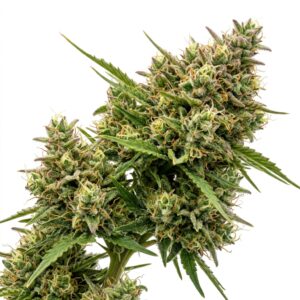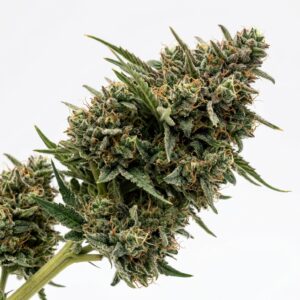

Electric Green is a sativa-dominant hybrid cannabis cultivar recognized for its vivid lime-green floral coloration, elongated cola morphology, and sharp, citrus-forward terpene expression. While regional selections circulate among craft cultivators, the original breeder has not been conclusively documented in public records. Commonly reported to descend from a cross between Green Crack and Electric Lemon G, Electric Green combines high canopy vigor with brisk flowering dynamics and consistent resin coverage. Testing reliably within moderate to high potency brackets, it has earned attention among daytime enthusiasts for its lively organoleptic profile and clear, functional mental effects.
Strain Profile & Genetics
- Genetics: Green Crack × Electric Lemon G (commonly reported)
- Type: Sativa-dominant hybrid
- Indica/Sativa Ratio: Approximately 70% sativa / 30% indica
- THC: 19% – 24%
- Terpenes: Limonene, pinene, caryophyllene, myrcene
- Flowering Time: 8 – 9 weeks (56 – 63 days)
- Plant Structure: Medium to tall (140 – 190 cm) with narrow-leaf architecture and extended internodes
- Yield: 450 – 550 g/m² indoors (moderate to high)
- Aroma: Tart lemon zest, crushed pine needles, faint kerosene
- Flavor: Crisp citrus, pine, herbal earth
- Mental Effects: Swift cerebral engagement, focused clarity, uplifting euphoria
- Body Effects: Energizing physical lift, light muscle ease without sedation
- Resin & Extraction: High glandular trichome density across upper calyxes and sugar leaves
Appearance
Electric Green earns its name through an unmistakable visual presence. Rather than producing tight, spherical clusters, the cultivar develops tapered, conical spear colas characterized by moderate density and an open floral layout. The individual calyxes and bracts display an intense, near-neon chartreuse to lime-green tone, virtually devoid of anthocyanin pigmentation. Weaving through the floral structure are delicate, pale golden-to-amber pistils that recede neatly into the bracts upon full maturity. A heavy, uniform frost of capitate-stalked glandular trichomes envelops the buds and surrounding sugar leaves, giving the finished inflorescence a glistening, wet appearance under direct light.
Aroma & Flavor
The olfactory profile of Electric Green is pungent, sharp, and predominantly citrus-driven. Breaking open a cured bud releases a burst of tart lemon zest and sour lime peel, underpinned by the refreshing bite of crushed pine needles. Lingering beneath the bright citrus and coniferous top notes is a subtle, sharp chemical trace reminiscent of light kerosene, reflecting its heritage. When combusted or vaporized, the flavor mirrors the aroma: an immediate wash of crisp lemon and herbal citrus dominates the inhale, giving way to a clean, woody pine and faint earthy undertone on the exhale.
Terpene Profile
Analytical testing and sensory documentation identify limonene and pinene (both alpha- and beta-isomers) as dominant drivers of Electric Green’s aromatic signature. Limonene contributes the prominent sour lemon and citrus rind qualities, while pinene imparts the crisp pine forest freshness and sharpness. Caryophyllene provides a spicy, herbaceous counterweight in the mid-palate, and minor concentrations of myrcene lend mild earthy cohesion. Commercial analytical certificates frequently record total terpene concentrations ranging between 0.99% and 1.38% depending on the specific cultivation batch and cure.
Potency & Cannabinoids
Electric Green exhibits a cannabinoid output tailored to moderate and experienced consumers seeking functional daytime strength. Lab analyses across regulated commercial batches consistently document total THC levels between 19% and 24%, with occasional commercial shelf batches testing slightly below or within this bracket (such as 17.8% to 21.55% total THC). Secondary cannabinoids, including CBD, CBN, and CBC, typically measure below significant reporting thresholds (often less than 1%), resulting in an experience largely driven by delta-9-THC acting in conjunction with its volatile terpene fraction.
Effects
Consumers subjectively report an effect progression marked by swift onset and daytime utility. The experience is primarily cerebral, offering energetic stimulation without excessive somatic weight.
Mental Effects
Reported cognitive effects develop rapidly within minutes of inhalation, beginning with an uplifting cerebral engagement and an apparent sharpening of sensory detail. Reviewers frequently describe enhanced daytime focus, creative enthusiasm, and elevated mood, making it a frequent selection for active projects, brainstorming, and social interaction.
Body Effects
On a physical level, Electric Green provides an energizing somatic lift. Rather than inducing couchlock or heavy physical sedation, the cultivar leaves the limbs feeling light and relaxed, offering gentle muscle tension relief while sustaining functional coordination.
Cultivation Characteristics
Electric Green displays classic narrow-leaf hybrid growth habits, exhibiting rapid vegetative extension and noticeable vertical stretch during the initial two to three weeks of the photoperiod switch. Mature indoor plants generally reach heights between 140 and 190 cm, demanding intentional canopy training techniques such as topping, low-stress training (LST), or a screen of green (ScrOG) grid to maintain uniform light penetration. The cultivar maintains flexible secondary branches and moderate internodal spacing, which aids airflow and lowers susceptibility to stagnant microclimates. Indoors, flowering completes in 8 to 9 weeks (56 to 63 days), producing yields of 450 to 550 g/m² under optimized environmental conditions with warm, temperate parameters.
Resin & Extraction Characteristics
The glandular trichomes of Electric Green are notable for their broad heads and sturdy stalks, forming an abundant layer over the inner calyx structures and primary sugar leaves. Because of the cultivar’s elevated monoterpene content, hydrocarbon extraction and cold-cured live resin methods excel at preserving the volatile lemon-zest and kerosene notes. While solventless washing yields moderate head return due to thinner cuticles, full-spectrum hydrocarbon runs preserve the bright citrus spectrum with clarity.
Scientific & Botanical Overview
Botanically classified as a narrow-leaf dominant Cannabis sativa L. hybrid, Electric Green showcases typical physiological traits of long-day equatorial descendants modified by temperate hybridization. Foliage consists of slender, lanceolate leaflets with pronounced serrations and narrow petioles. The inflorescence demonstrates an extended calyx-to-leaf ratio, facilitating efficient trimming and adequate internal air circulation. Glandular trichome heads develop primarily as capitate-stalked structures on floral bracts, where terpene synthesis centers on the MEP/DOXP pathway to produce robust concentrations of monoterpenes like limonene and alpha-pinene.
Lineage & Related Strains
The reported lineage of Electric Green traces to two reputable sativa-forward cultivars: Green Crack (descending from the classic Skunk #1 lineage) and Electric Lemon G (a cross of Ohio’s Lemon G and G13). Green Crack contributes compact flowering duration, spear-shaped cluster density, and rapid vegetative vigor, while Electric Lemon G supplies the piercing citrus profile and open canopy architecture. It is critical to distinguish Electric Green from distinct cultivars sharing similar names, such as Verde Electric (a 50/50 hybrid of Durban Poison × Platinum OG × Sherbet) and Electric Green Apple (an Alien Dawg × Sour Apple cross).
Sources & Data Notes
Cultivar data for Electric Green is compiled from regional craft cultivation records, dispensary batch lab profiles, and Strainpedia horticultural archives. While its reported parentage (Green Crack × Electric Lemon G) is widely recognized among growers, the original breeding facility remains unverified by official registry. Potency ranges are documented between 19% and 24% THC based on testing data, though individual state-market batches have registered slight variances.
Electric Green Summary
Electric Green is an energizing, sativa-dominant cannabis cultivar combining Green Crack and Electric Lemon G heritage. Recognized for its neon lime-green spear colas, tart lemon-pine bouquet, and 19% to 24% THC profile, it delivers functional cerebral focus and high canopy productivity within an 8- to 9-week flowering cycle.