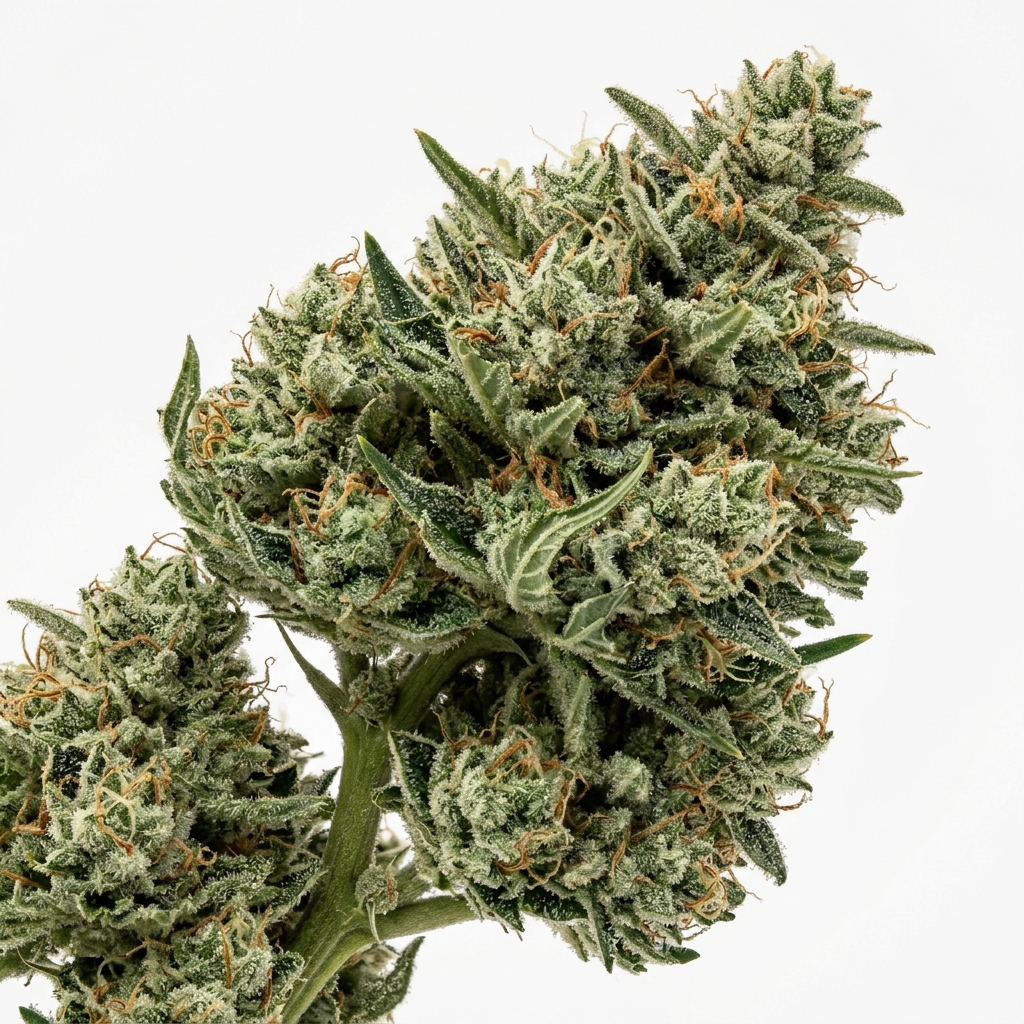
Vienna, occasionally cataloged on dispensary shelves as Cookies Vienna or Vienna Cookies, is an indica-dominant hybrid cultivar developed by the California-founded cannabis powerhouse Cookies. Engineered by crossing the terpene-heavy resin cultivar Glitterbox with the established dessert-profile classic Biscotti, Vienna was introduced to bridge confectionery pastry sweetness with heavy petroleum diesel notes. Characterized by dense, chunky flower clusters coated in glandular trichomes and accented by burnt-orange pistils, Vienna offers an experience focused on deep physical tranquility paired with a clear, composed mental state.
Strain Profile & Genetics
- Breeder: Cookies
- Genetics: Glitterbox × Biscotti (alternate small-batch retail drops also reported as Baked Alaska × Georgia Pie #19)
- Type: Indica-dominant hybrid
- Cannabinoid Potency (THC): Disputed (Commercial recreational batches test between 19.94% and 25.47% Total THC; dedicated medical flower batches test up to 31% Total THC)
- Cannabinoid Potency (CBD): Reported trace levels (<1% Total CBD; verified batch certificates show 0.06% CBD)
- Dominant Terpenes: Limonene, Beta-Caryophyllene, Linalool
- Flowering Time: 8 to 9 weeks (56 to 63 days)
- Plant Structure: Medium-stature, compact OG-cookie architecture with dense terminal clusters
- Yield Potential: Reported 350 to 450 g/m² indoors
- Primary Aroma: Sweet pastry dough, toasted nuts, spiced diesel, subtle tropical fruit
- Primary Flavor: Sweet gassy funk, nutty dough, rich cookie finish
- Mental Effects: Calm, clear-headed, quietly uplifted
- Body Effects: Deep physical ease, muscle relaxation, gentle warmth
- Resin & Extraction: Heavy coverage of thick, creamy glandular trichome heads suited for solventless washing
The primary lineage documented across licensed state menus and verified cultivation partners centers on the cross of Glitterbox (Candyland × Gorilla Glue #4 hybrid) and Biscotti (Gelato #25 × South Florida OG). However, retail documentation in select markets has noted minor small-batch drops under the Cookies Vienna name originating from a Baked Alaska × Georgia Pie #19 pairing, reflecting internal R&D variations. Vienna should not be confused with Vienna Cotta, an unrelated cultivar bred by Aficionado French Connection and Sensi Seeds combining Garlic Bud with Strudel and Pianono.
Appearance
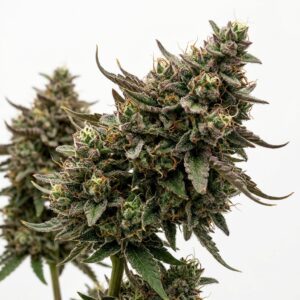
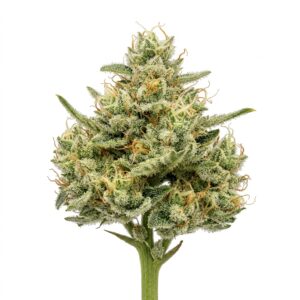
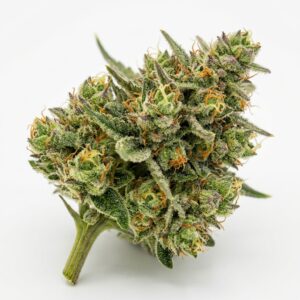
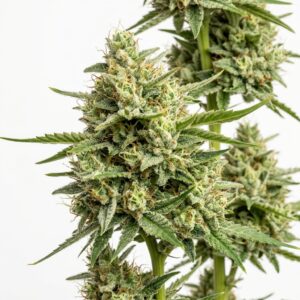
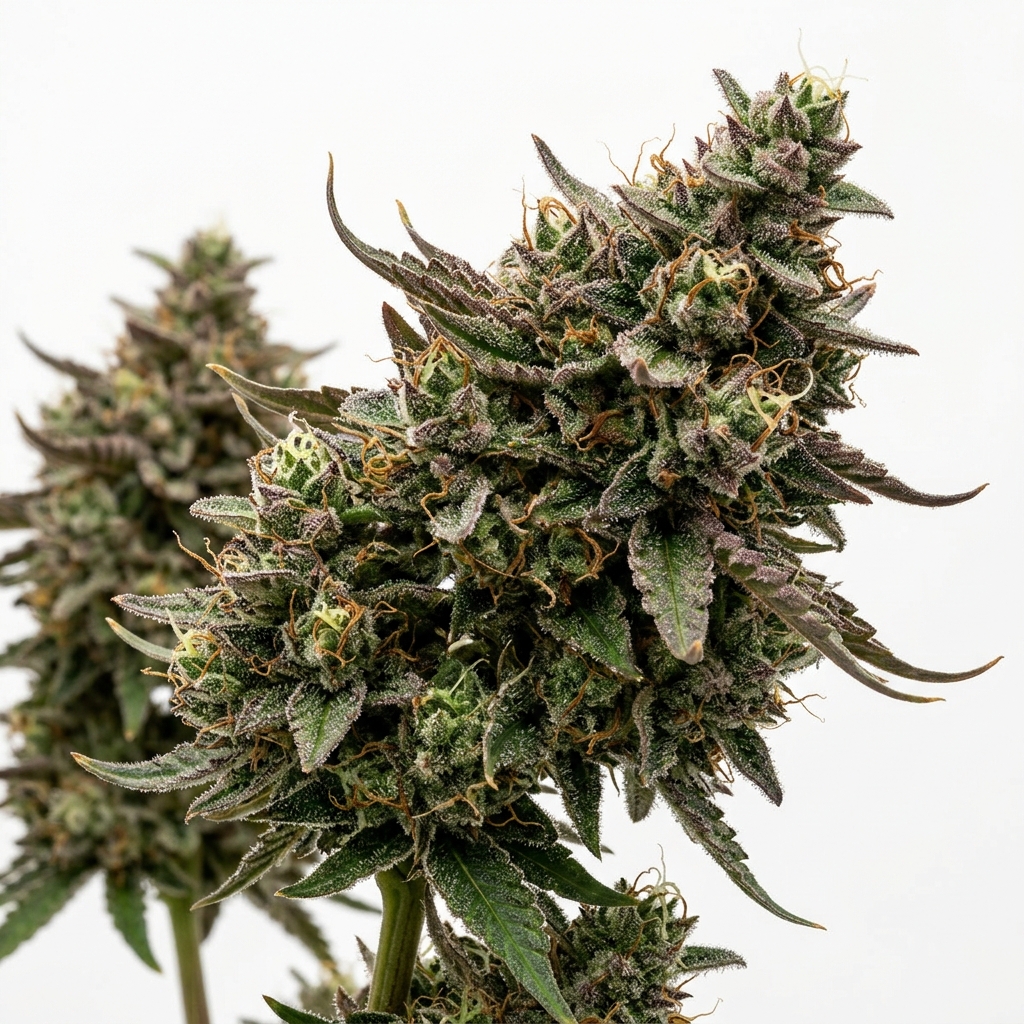
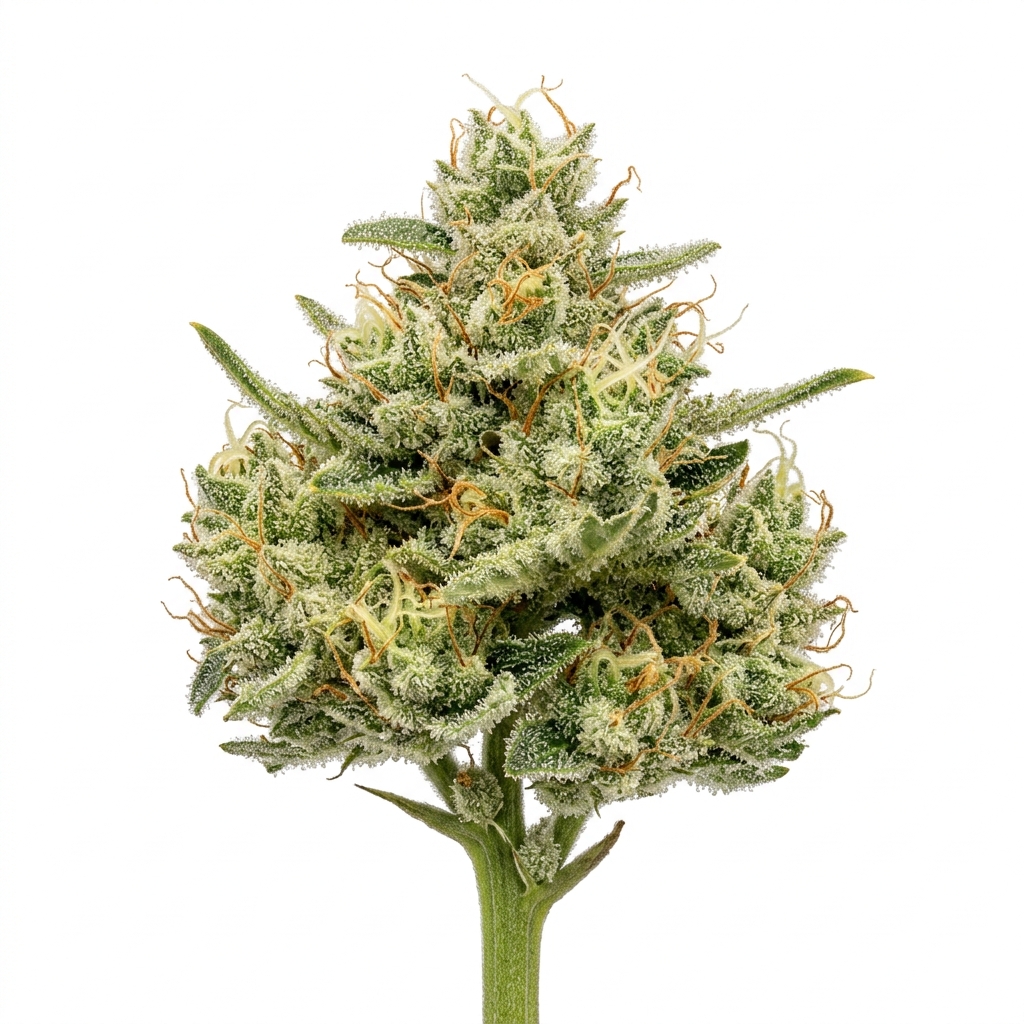
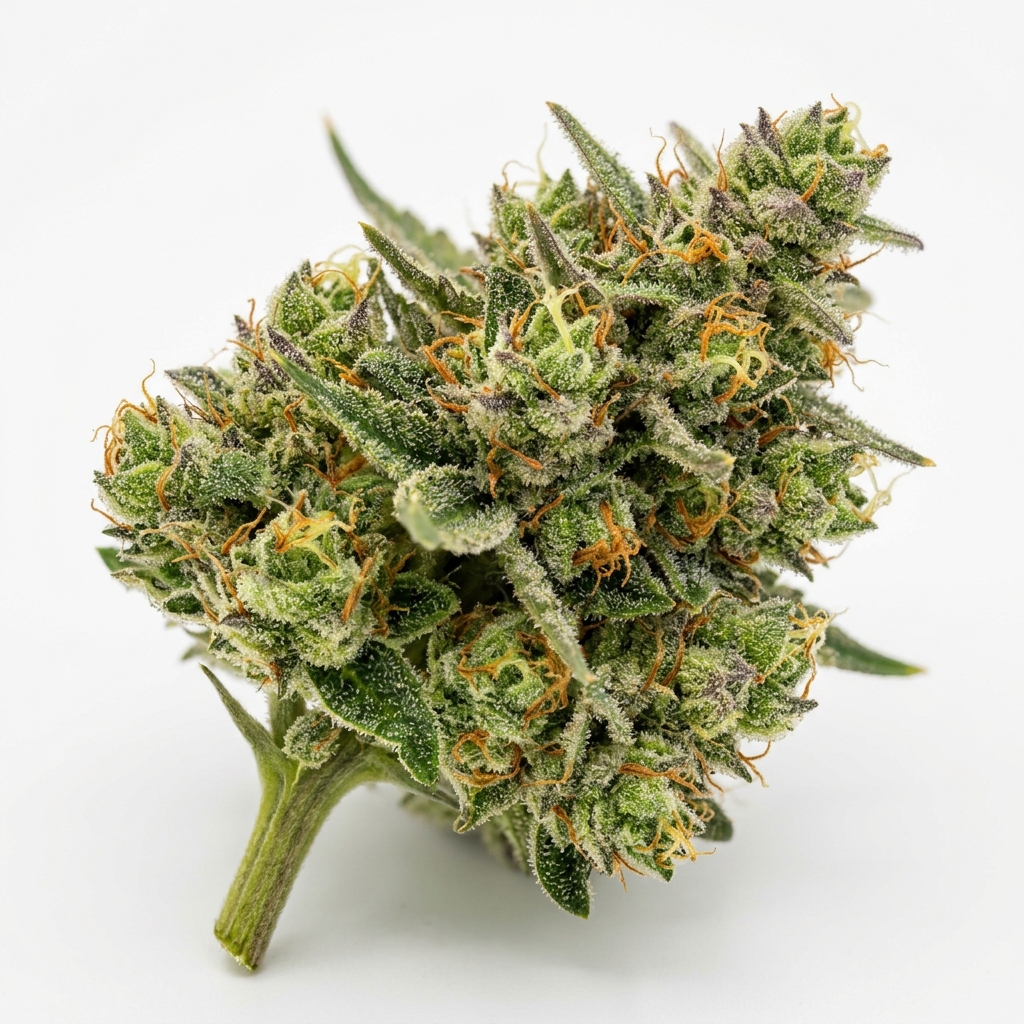
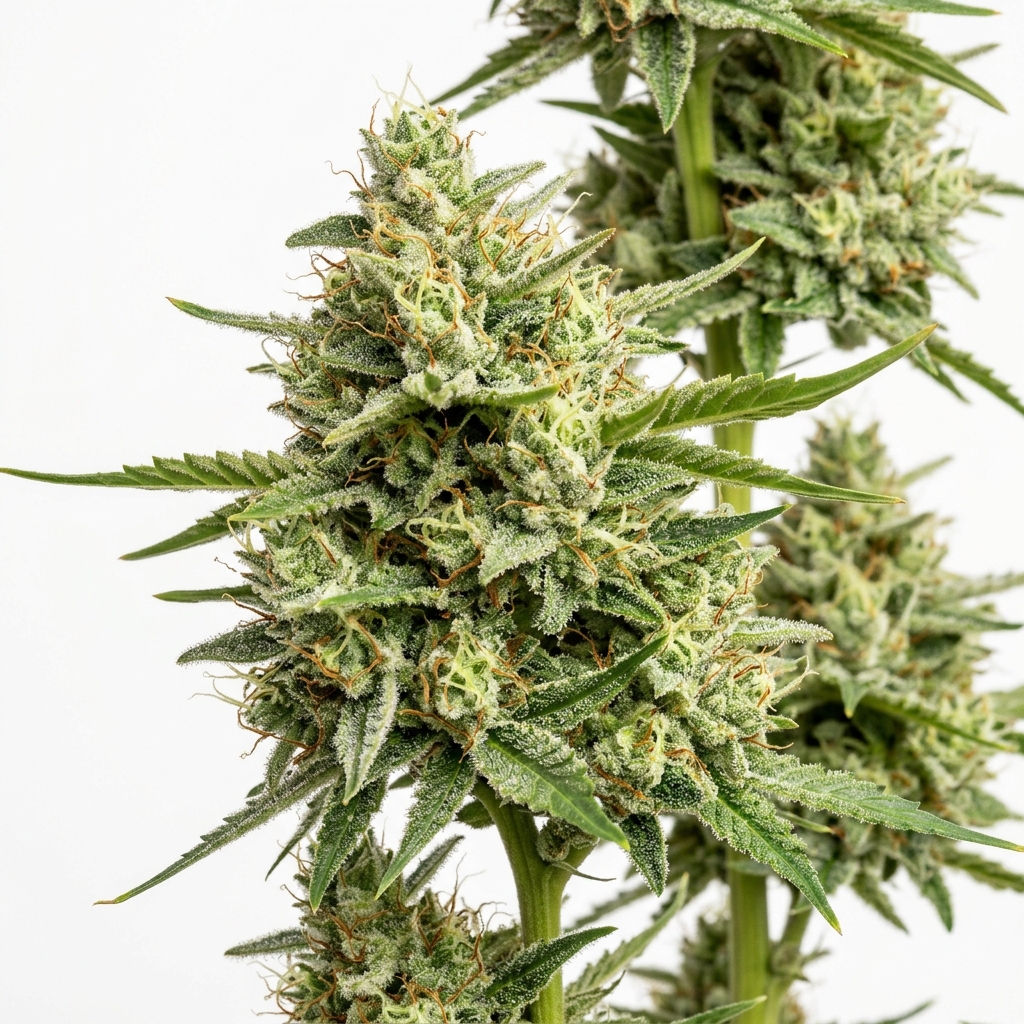
Vienna displays an unmistakable dessert-lineage flower morphology. Mature inflorescences develop into tight, golf-ball-sized clusters and chunky conical colas. The tightly stacked bracts present a color spectrum ranging from mint to deep olive green, frequently highlighted by darker forest tones. Woven sparsely across the exterior are thin, curled, burnt-orange stigmas that contrast against the bract surface. The entire structure is frosted in a continuous, crystalline mantle of capitate-stalked glandular trichomes, giving cured flowers a milky, resinous sheen.
Aroma & Flavor
The aromatic signature of Vienna combines rich confectionery warmth with pungent fuel. Opening a jar reveals immediate notes of sweet bakery dough, vanilla cream, and toasted nuts. Breaking apart the dense bracts introduces an unmistakable surge of sharp, spicy hydrocarbon diesel and faint undertones of sweet tropical fruit. On inhalation, the smoke or vapor delivers a sweet, gassy funk that coats the palate, before resolving on the exhale into a smooth, buttery cookie dough finish that lingers pleasantly.
Terpene Profile
Analytical testing of Vienna identifies a terpene ensemble dominated by monoterpenes and sesquiterpenes characteristic of modern Cookies and OG hybrids. Total terpene content typically measures between 2.24% and 3.11% in well-cultivated batches. Limonene acts as the principal monoterpene (measuring up to 0.97% in single-batch certificates), imparting bright citrus notes and fruit accents. Beta-Caryophyllene serves as the lead sesquiterpene (measuring between 0.53% and 0.66%), supplying the peppery spice and gassy bite. Linalool follows as a prominent secondary compound (typically 0.27% to 0.41%), introducing floral softness and sweet lavender tones. Secondary contributors documented in laboratory tests include alpha-pinene (0.10% to 0.13%), beta-pinene (0.13% to 0.16%), and beta-myrcene (0.05% to 0.08%).
Potency & Cannabinoids
Because Vienna is distributed across multiple regulated legal and medical markets, tested potency shows distinct variance depending on the cultivation environment and license tier. In US state recreational markets, published certificates of analysis report Total THC levels between 19.94% and 25.47%, with representative flower batches frequently averaging around 21% to 22% THC. In regulated medical export batches (such as Cookies C-VIE T31 cultivated by Purplefarm and distributed in the United Kingdom), potency is certified as high as 31% Total THC. Cannabidiol (CBD) concentrations consistently register at trace levels, with certificates documenting Total CBD at or below 0.06%. Minor cannabinoids include trace Cannabigerol (CBG), commonly testing around 0.04%.
Effects
Consumer experiences with cannabis are inherently subjective and may vary based on dose, individual tolerance, and delivery format.
Mental Effects
Reported cognitive effects of Vienna emphasize quiet composure, tranquility, and mild mood elevation. Consumers frequently note a rapid easing of daily mental stress without the intense cerebral rushing or disorienting fog associated with more energetic varieties. The cultivar tends to promote a calm, clear mental space suitable for unhurried tasks, social conversation, or evening decompression.
Body Effects
Physical sensations are pronounced and indica-leaning. Users describe a gentle, warming physical relaxation that starts along the neck and shoulders before spreading through the core and limbs. It is commonly reported to melt somatic tension and encourage seated comfort, making it a preferred option for late afternoon or nighttime wind-down sessions.
Cultivation Characteristics
Vienna demonstrates indoor growth patterns typical of compact Cookies and OG descendants. The plants display manageable vertical stretch during the transition to bloom, reaching a final indoor height between 90 and 130 cm (approximately 3 to 4 feet). Internodal spacing is relatively short, leading to dense terminal flower stacking. Cultivators report an indoor flowering window of 8 to 9 weeks (56 to 63 days). Due to the heavy density of the flower clusters, maintaining relative humidity levels below 50% during the late flowering stage is recommended to protect against moisture-related issues. Indoor yields are moderate, typically reported between 350 and 450 g/m² under optimized lighting. Specific outdoor harvest parameters have not been reliably established in public cultivation databases.
Resin & Extraction Characteristics
With lineage tracing directly through Biscotti and Glitterbox, Vienna is notable for heavy trichome synthesis. The cultivar generates abundant capitate-stalked glandular trichomes featuring bulbous heads and relatively brittle gland stalks. This trichome morphology lends itself well to solventless evaluation, where gentle ice-water agitation allows resin heads to shear cleanly from the plant matter, resulting in terpene-rich bubble hash and aromatic rosin.
Scientific & Botanical Overview
Botanically, Vienna behaves as a stout, broad-leaf hybrid. Foliage develops thick, dark green fan leaves that demand deliberate canopy management and defoliation during early flowering to facilitate adequate photosynthetic penetration to lower bud sites. Cold late-bloom night temperatures often prompt anthocyanin expression, deepening the calyx and sugar leaf tones toward forest green and muted purple. The terpene synthase expression favors a balanced limonene/beta-caryophyllene output, which, in combination with low levels of pinene and myrcene, produces its complex confectionery-fuel chemo-type.
Lineage & Related Strains
Vienna’s family tree unites several pillar genetic lines of modern breeding:
- Biscotti: A cross of Gelato #25 × South Florida OG, Biscotti provides Vienna with its dense calyx formation, nutty pastry aromas, and grounded physical potency.
- Glitterbox: Bred from Candyland and Gorilla Glue #4 heritage, Glitterbox contributes copious trichome production, diesel undertones, and elevated limonene content.
- Related Cultivars: Close relatives within the Cookies family circle include Georgia Pie, Jealousy, and Gelato crosses sharing South Florida OG or GSC foundations.
Sources & Data Notes
Cultivar metrics and morphological details for Vienna are compiled from licensed producer specifications (Cookies, Klutch Cannabis, Purplefarm), state dispensary certificates of analysis (including retail testing via Molly Ann Farms and Western Front), and medical cannabis registries (MedBud Wiki C-VIE T31). Cannabinoid figures reflect batch variances across recreational markets (19.94%–25.47% Total THC) and specialized medical markets (up to 31% Total THC). Genetic documentation primarily supports Glitterbox × Biscotti, with retail R&D releases noting occasional parallel drops of Baked Alaska × Georgia Pie #19.
Vienna Summary
Vienna is a modern indica-dominant creation from Cookies that captures the essence of classic dessert genetics combined with old-school fuel. Driven by prominent limonene, beta-caryophyllene, and linalool levels, it produces an aromatic bouquet of sweet bakery dough, toasted nuts, and sharp diesel. With a steady 8- to 9-week flowering time, dense trichome coverage, and a deeply relaxing yet mentally clear profile, Vienna stands as a refined hybrid for connoisseurs of the Cookies catalog.