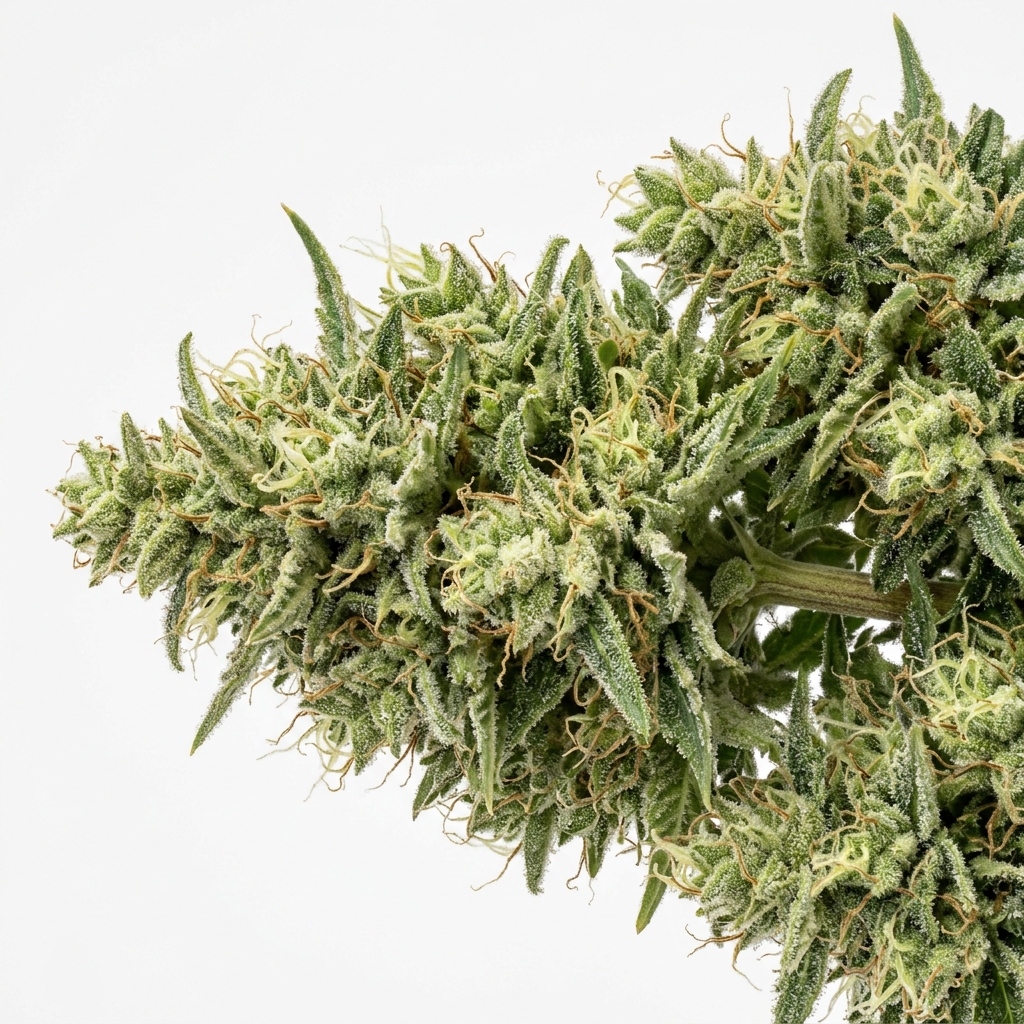
St Marks Skunk (frequently stylized as St. Mark’s Skunk) is an indica-dominant cannabis cultivar cultivated within regulated commercial markets, notably distributed through Trulieve’s Roll One label. Created by crossing the pungent Canadian legacy cultivar Sweet Skunk with the foundational Dutch classic White Widow, St Marks Skunk is recognized for bringing old-school pungent sulfurous funk, heavy physical sedation, and resinous trichome coverage into contemporary dispensary rotations.
Strain Profile & Genetics
- Genetics: Sweet Skunk × White Widow
- Type: Indica-dominant hybrid
- THC: Approximately 20%–31.3% (flower batches)
- CBD: < 0.2%
- Dominant Terpenes: β-Caryophyllene, Limonene, α-Humulene
- Aroma: Skunk, pungent diesel, garlic, and damp earth
- Flavor: Sour diesel, savory garlic, skunk, and sweet earthy undertones
- Mental Effects: Cerebral haze, mood softening, and deep mental calm
- Body Effects: Pronounced physical relaxation, heavy limbs, and sedation
- Resin & Extraction: High trichome coverage; yields terpene-rich cured wax, shatter, and crumble
Appearance
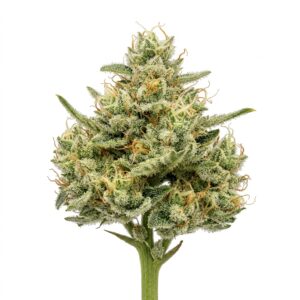
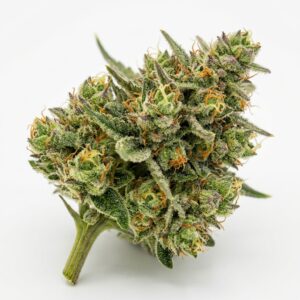
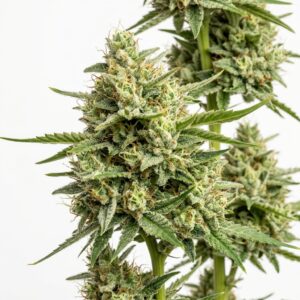
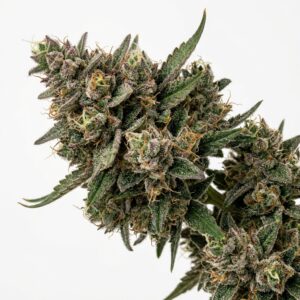
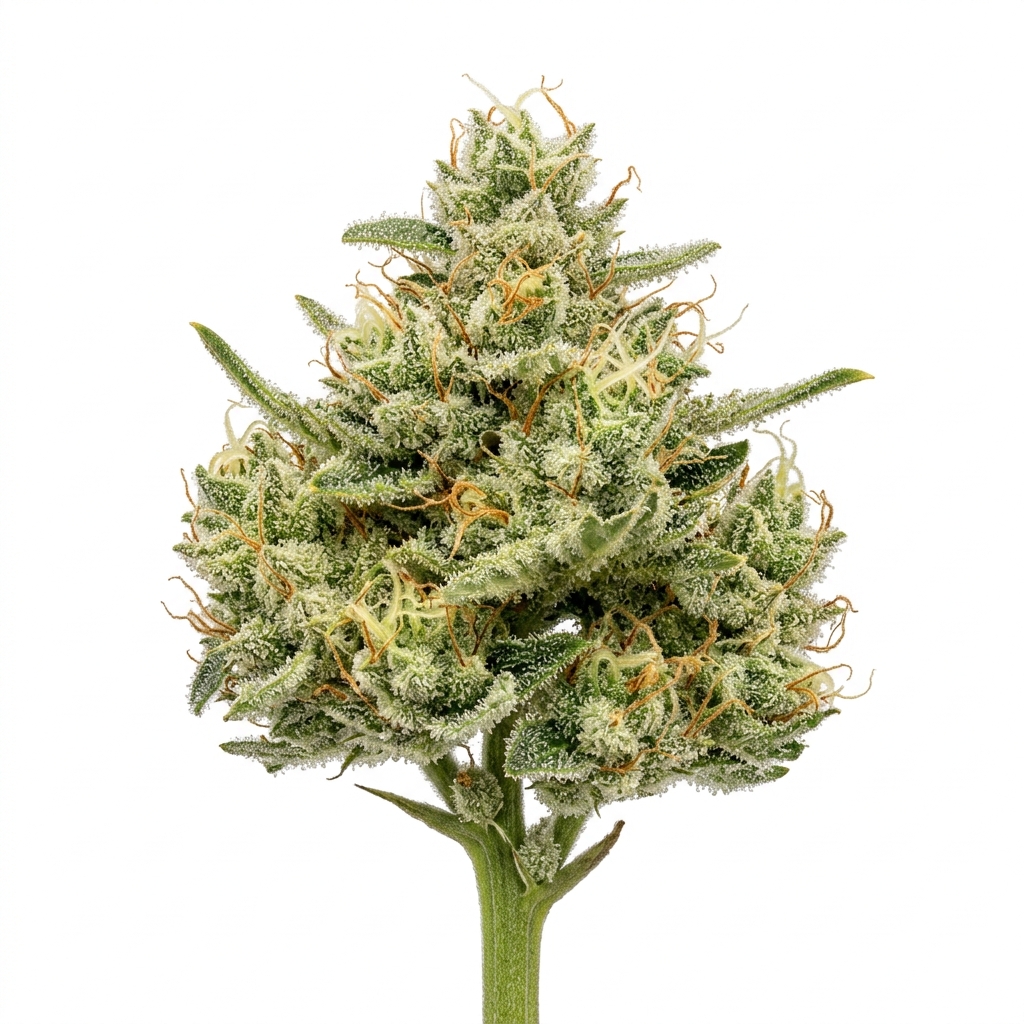
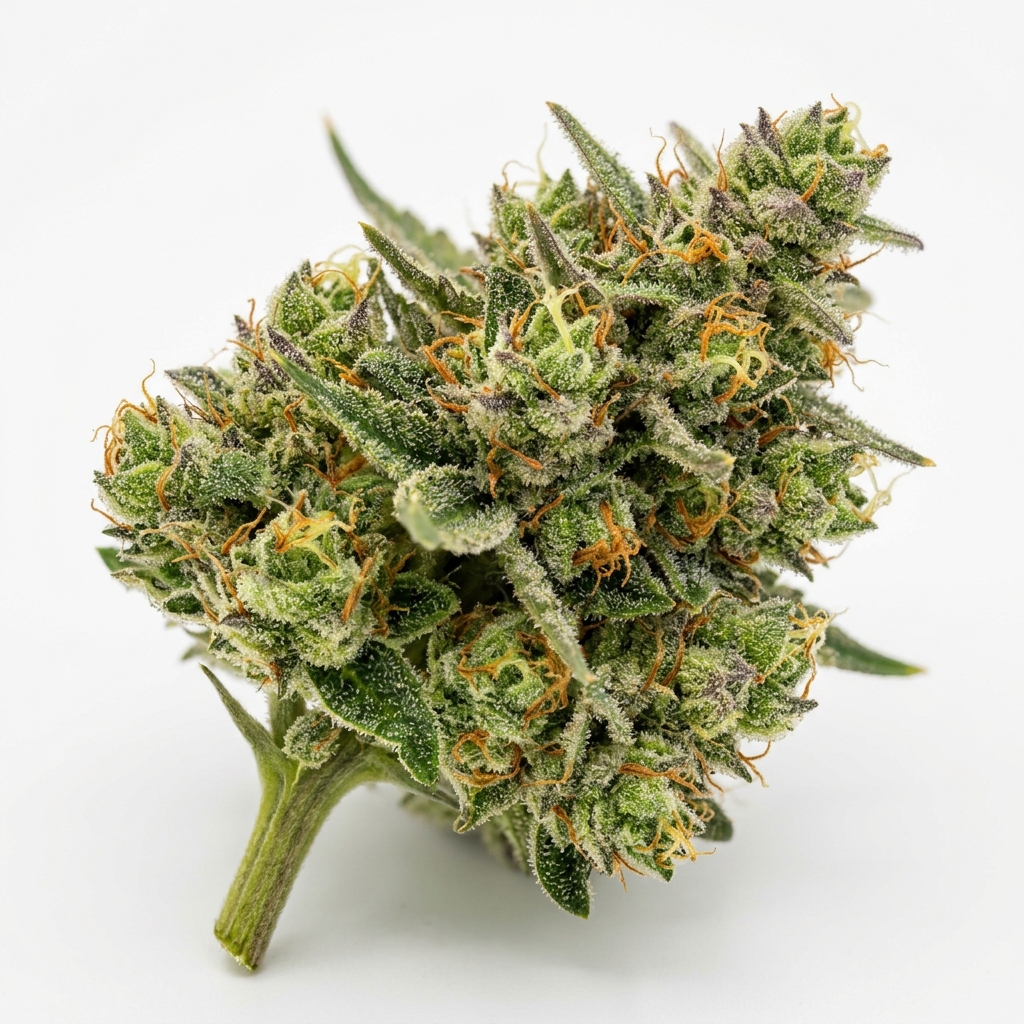
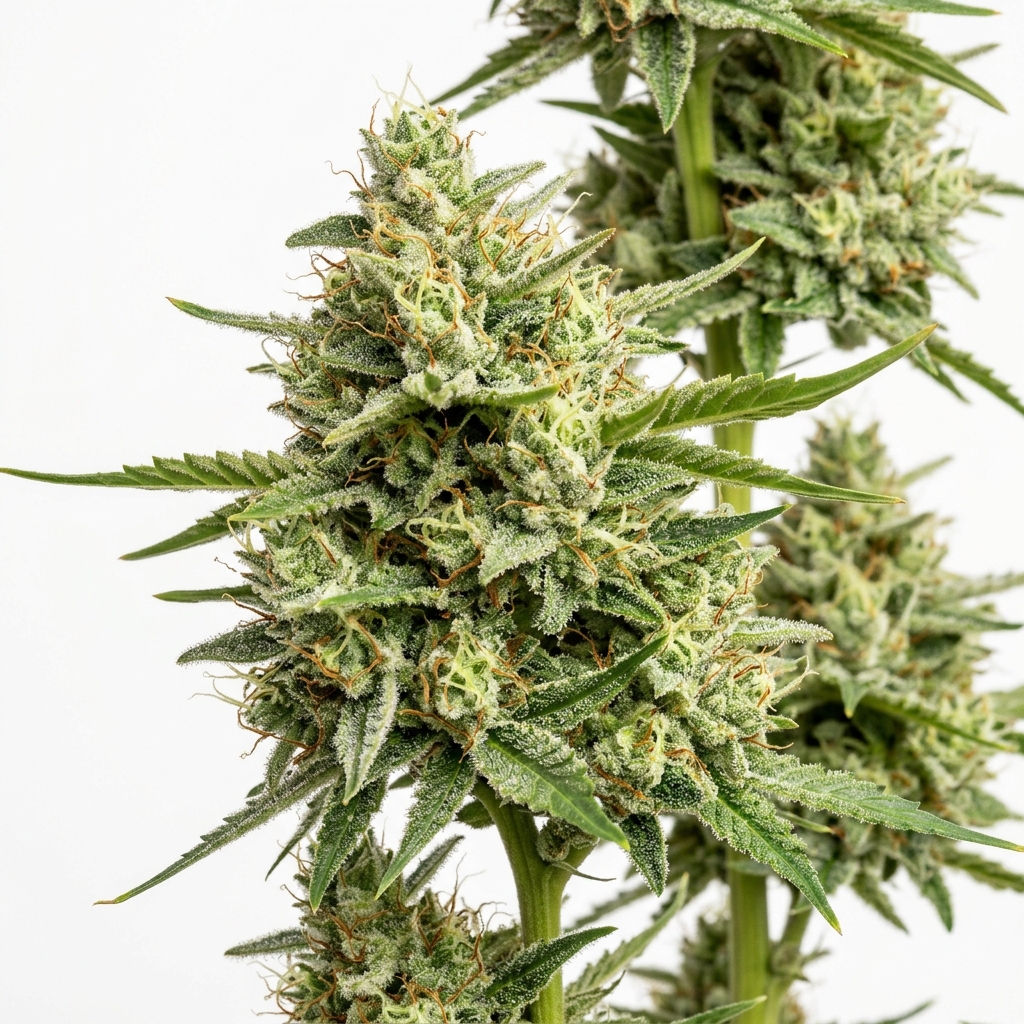
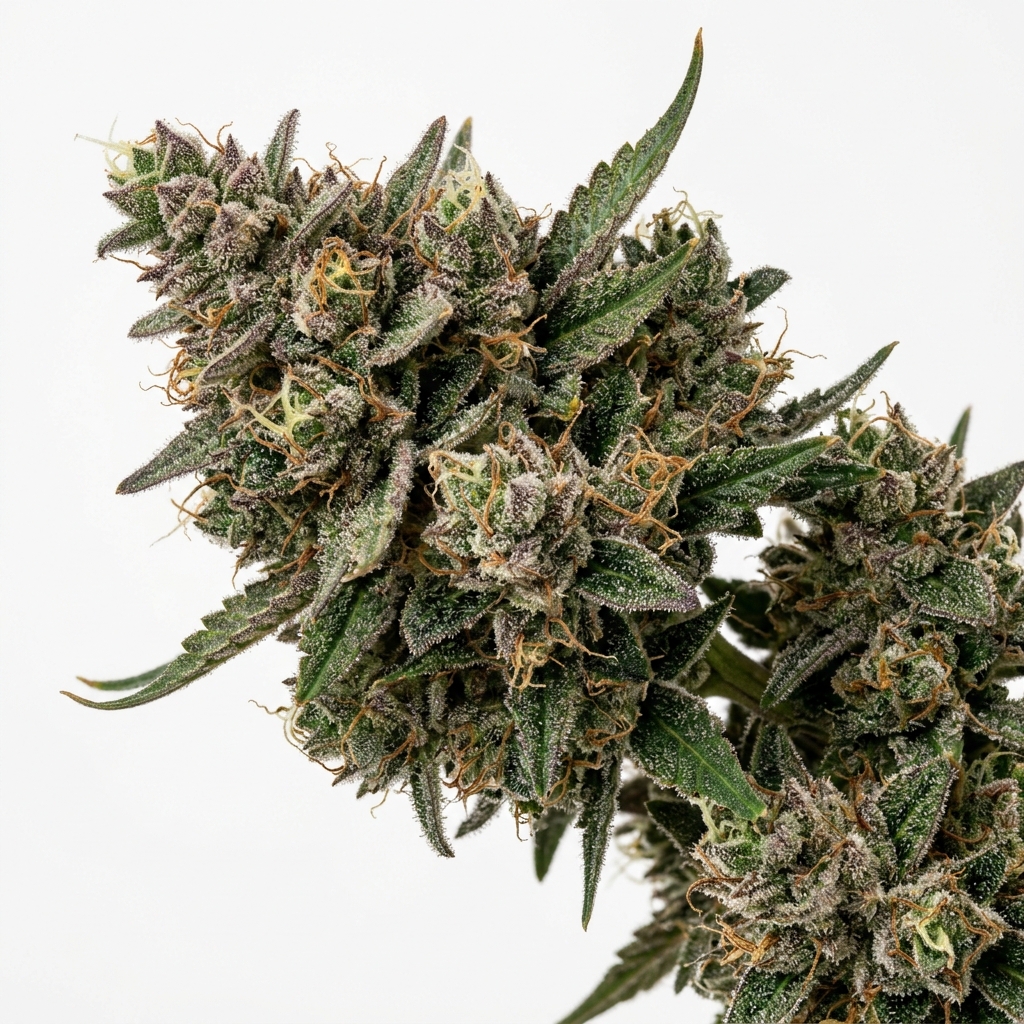
Finished inflorescences of St Marks Skunk feature a light green to pale lime coloration accented by brassy, coiled pistils. Commercial harvests typically present as small to medium-sized, tightly structured conical clusters with occasional leafy floret spacing. The cultivar’s White Widow heritage is visually apparent in its glandular development, forming a pale, crystalline frosting of trichome heads that generously blankets both the calyxes and surrounding sugar leaves.
Aroma & Flavor
True to its namesake, St Marks Skunk displays an assertive olfactory profile that recalls classic 1990s skunk genetics blended with modern savory notes. Unbroken flowers emit an initial bouquet of pungent skunk, damp earth, and sharp diesel fuel. Once ground or broken open, the aroma deepens significantly, releasing a distinct allium funk reminiscent of raw garlic and heavy hydrocarbon gas. On inhalation, the smoke or vapor delivers a sour, fuel-forward palate underpinned by earthy spice and garlic notes, transitioning into a subtly sweet, herbal finish on the exhale.
Terpene Profile
Analytical certificates of analysis (COAs) for St Marks Skunk flower batches consistently report total terpene concentrations spanning between 1.49% and 3.21%. The terpene architecture is led by β-caryophyllene (often reported as trans-caryophyllene), which drives the peppery spice and collaborates with endocannabinoid CB2 receptors. Secondary dominant terpenes include limonene, providing a sour citrus brightness that lifts the diesel aroma, and α-humulene, which introduces an earthy, woody bite. Minor secondary contributors frequently verified by laboratory tests include β-myrcene, linalool, trans-nerolidol, α-bisabolol, and fenchyl alcohol.
Potency & Cannabinoids
St Marks Skunk is categorized as a high-potency cultivar. In commercial flower testing, total THC levels generally measure between 20% and 31.3% depending on the specific cultivation batch and curing protocol. Secondary cannabinoids are predominantly minimal; total CBD remains nominal at or below 0.14%–0.2%, while minor cannabinoids such as CBGa and CBG routinely register between 0.6% and 1.7% in raw extract matrices.
Effects
Consumer reports describe St Marks Skunk as a classic evening cultivar that develops in two distinct phases.
Mental Effects
The onset begins with a foggy, cerebral haze that rapidly quiets intrusive thoughts and diminishes environmental stressors. Rather than inducing sharp focus or cognitive energy, users report a dreamy, detached calm that promotes introspection and low-key evening activities.
Body Effects
As the initial mental euphoria stabilizes, the physical effects deepen into heavy somatic relaxation. Muscles loosen, bodily tension dissipates, and a spreading sense of heaviness settles into the limbs. At moderate to high doses, the strain frequently induces pronounced sedation and couchlock, making it favored for end-of-day use or night-time rest.
Cultivation Characteristics
Because St Marks Skunk has been circulated almost exclusively as an internal commercial clone within licensed production facilities (notably grown in indoor environmental setups in Florida), home cultivation parameters remain largely proprietary. Commercial harvest schedules indicate that the plant performs well under controlled indoor LED and high-pressure sodium environments where canopy climate, humidity, and airflow are strictly maintained to protect its dense, trichome-laden bracts.
Resin & Extraction Characteristics
Thanks to the dense trichome cap inherited from White Widow, St Marks Skunk demonstrates high suitability for concentrate production. Processors utilize the cultivar for hydrocarbon extractions, yielding cured wax, crumble, and shatter. In derivative formats, St Marks Skunk has yielded total THC levels between 60% and 79%, with total concentrate terpene retention ranging from 4.47% to 11.7%, maintaining the strain’s distinct garlic-skunk flavor profile.
Scientific & Botanical Overview
Taxonomically, St Marks Skunk is an inter-hybrid cross within Cannabis sativa L., exhibiting morphological and physiological traits characteristic of indica-dominant varieties. The cultivar expresses a chemotype I cannabinoid profile, defined by high concentrations of tetrahydrocannabinolic acid (THCA) and negligible cannabidiolic acid (CBDA). The aromatic dominance of β-caryophyllene and humulene alongside volatile sulfur compounds (VSCs) accounts for the pungent skunk and garlic olfactory signature that characterizes this genetic pairing.
Lineage & Related Strains
St Marks Skunk descends directly from two historic lines:
- Sweet Skunk: A revered British Columbia hybrid known for intense skunky, sweet, and fuel-heavy profiles.
- White Widow: The landmark 1990s Netherlands cross of a Brazilian sativa landrace and a South Indian indica, globally celebrated for prolific resin development and dense physical stone.
Through these parental foundations, St Marks Skunk shares close genetic associations with classic European white strains, Skunk #1 derivatives, and modern savory hybrids carrying pungent allium terpenes.
Sources & Data Notes
Data regarding St Marks Skunk is sourced from licensed medical producer catalogs (Trulieve Florida / Roll One), verified third-party laboratory Certificates of Analysis (Modern Canna, LLC and ACS Laboratory), and aggregate dispensary test filings. Because the original botanical breeder of this specific cross has not released documented commercial seed packs to retail markets, home-grow benchmarks such as outdoor harvest calendar dates and vegetative stretch ratios are currently undocumented.
St Marks Skunk Summary
St Marks Skunk is a potent, indica-dominant cross of Sweet Skunk and White Widow. Defined by its pungent garlic-diesel aroma, terpene profile rich in β-caryophyllene and limonene, and THC levels reaching past 30% in prime batches, it delivers dependable physical sedation and deep evening relaxation.