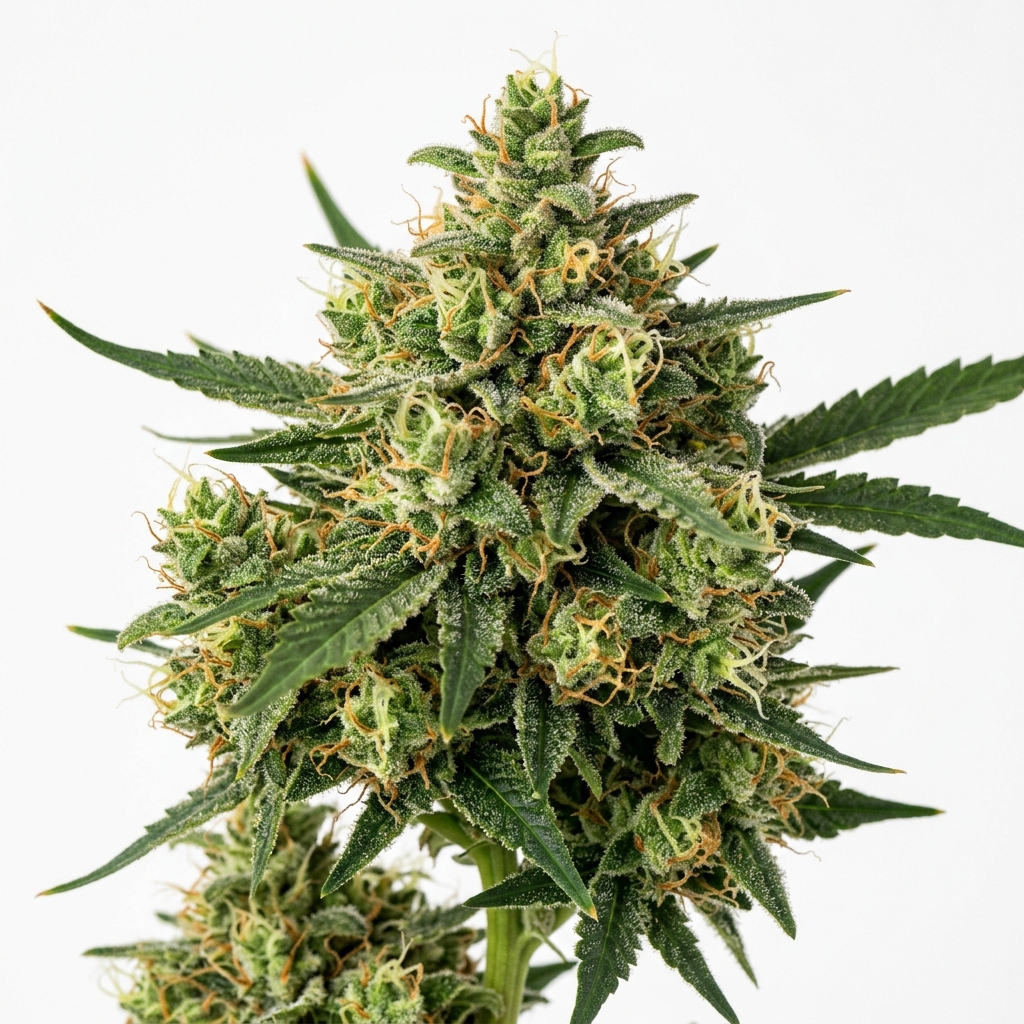
Pineapple Under Sea (commonly circulated as Pineapple Under the Sea) is a sativa-dominant hybrid cannabis cultivar recognized for its vibrant sensory profile of candied tropical fruit juxtaposed against sharp, pungent gas and chemical undertones. In contemporary legal cannabis markets, two distinct genetic backgrounds share this ocean-inspired name: an established seedline developed by CSI Humboldt pairing classic Pineapple genetics with Space Queen, and a widely distributed modern commercial selection pairing Pineapple Fruz with Permanent Marker #3. The cultivar has earned a strong reputation among connoisseurs and daytime consumers for delivering bright, citrus-forward aromatics and a clean, cerebral experience.
Strain Profile & Genetics
- Cultivar Name: Pineapple Under Sea (Pineapple Under the Sea)
- Breeder: Disputed (CSI Humboldt for the Space Queen lineage; commercial selections distributed by MSOs including Cresco Labs)
- Genetics: Disputed (Pineapple x Space Queen vs. Pineapple Fruz x Permanent Marker #3)
- Cultivar Type: Sativa-dominant hybrid
- Seed Type: Regular and feminized seeds (CSI Humboldt); commercial production primarily via vegetative cuttings (clones)
- THC Potency: 24.66% to 30.60% THC (laboratory-verified retail batches)
- CBD Potency: 0.11% to 0.14% CBD (laboratory-verified retail batches)
- Primary Terpenes: Limonene, beta-Pinene, Linalool, beta-Caryophyllene
- Aroma: Sweet pineapple, pungent chemical marker, lemon peel, tropical haze, and earthy spice
- Flavor: Ripe tropical citrus, candied pineapple, floral gas, and soapy diesel
- Reported Mental Effects: Cerebral energy, creative drive, sustained focus, and euphoric elevation
- Reported Body Effects: Mild physical relaxation, gentle somatic ease, non-sedating muscle comfort
- Resin & Extraction: High terpene retention; utilized commercially for hydrocarbon live resins and vapor formulations
Appearance
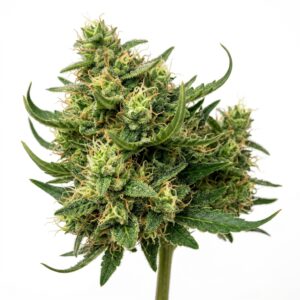
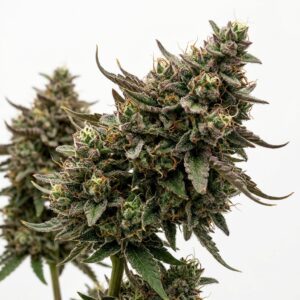
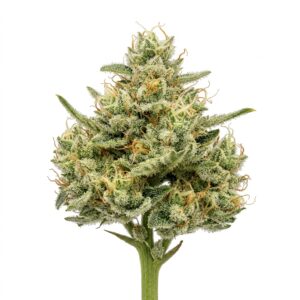
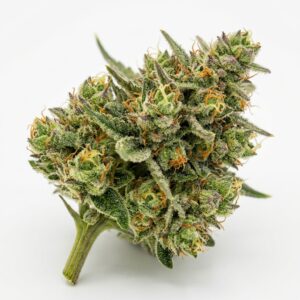
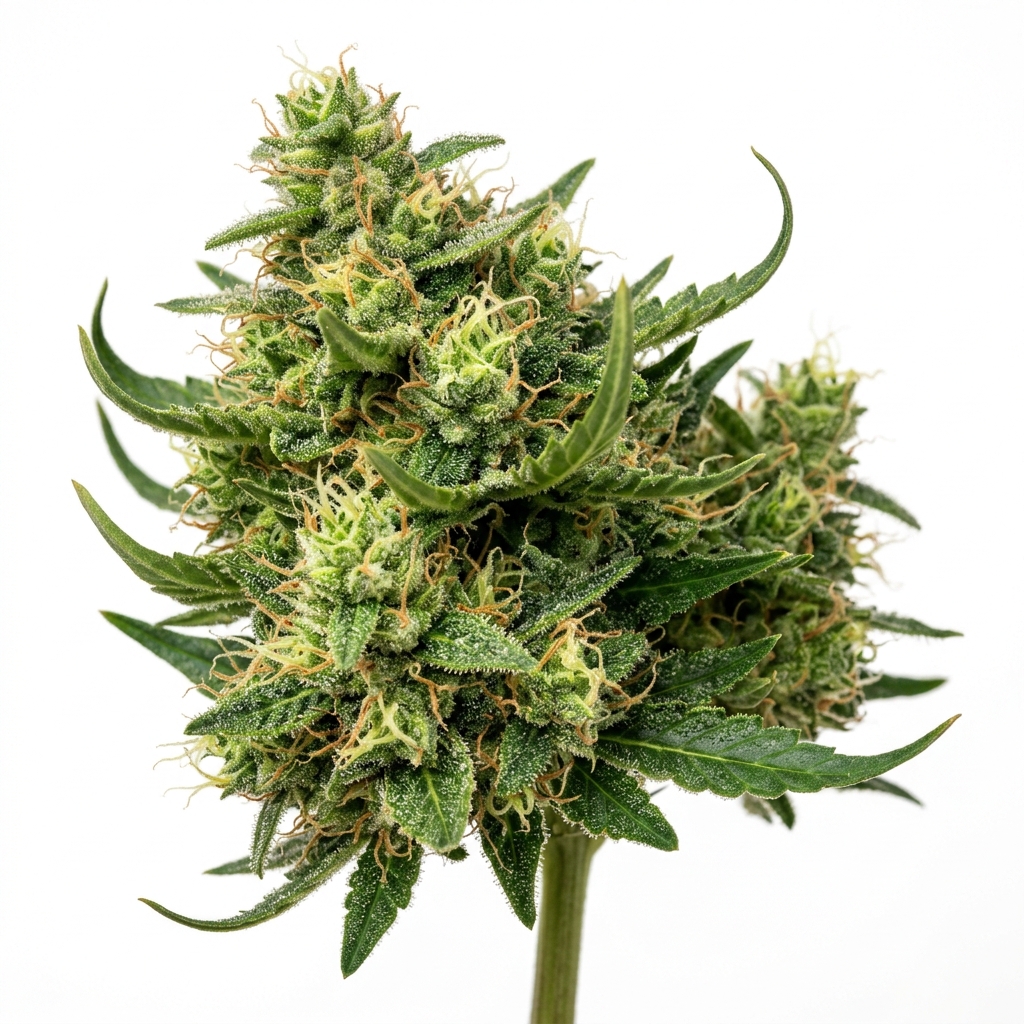
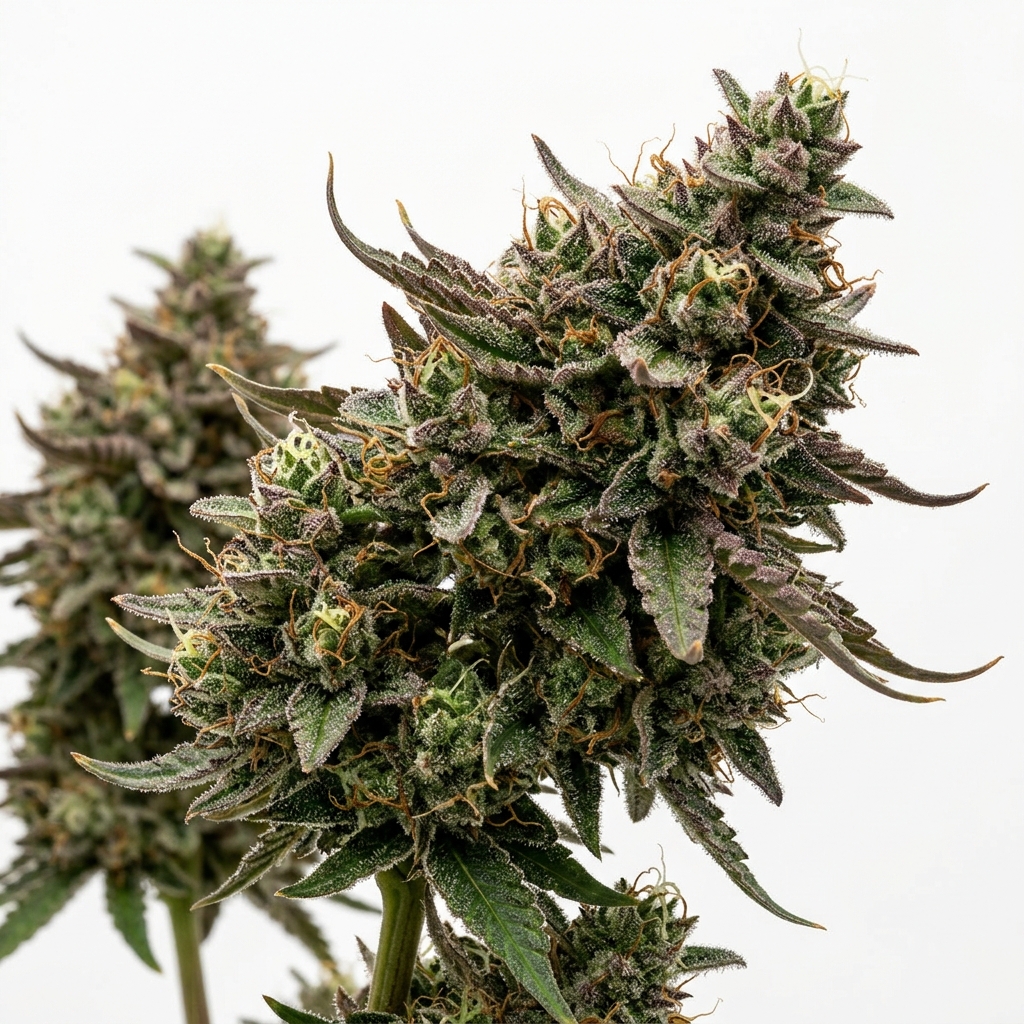
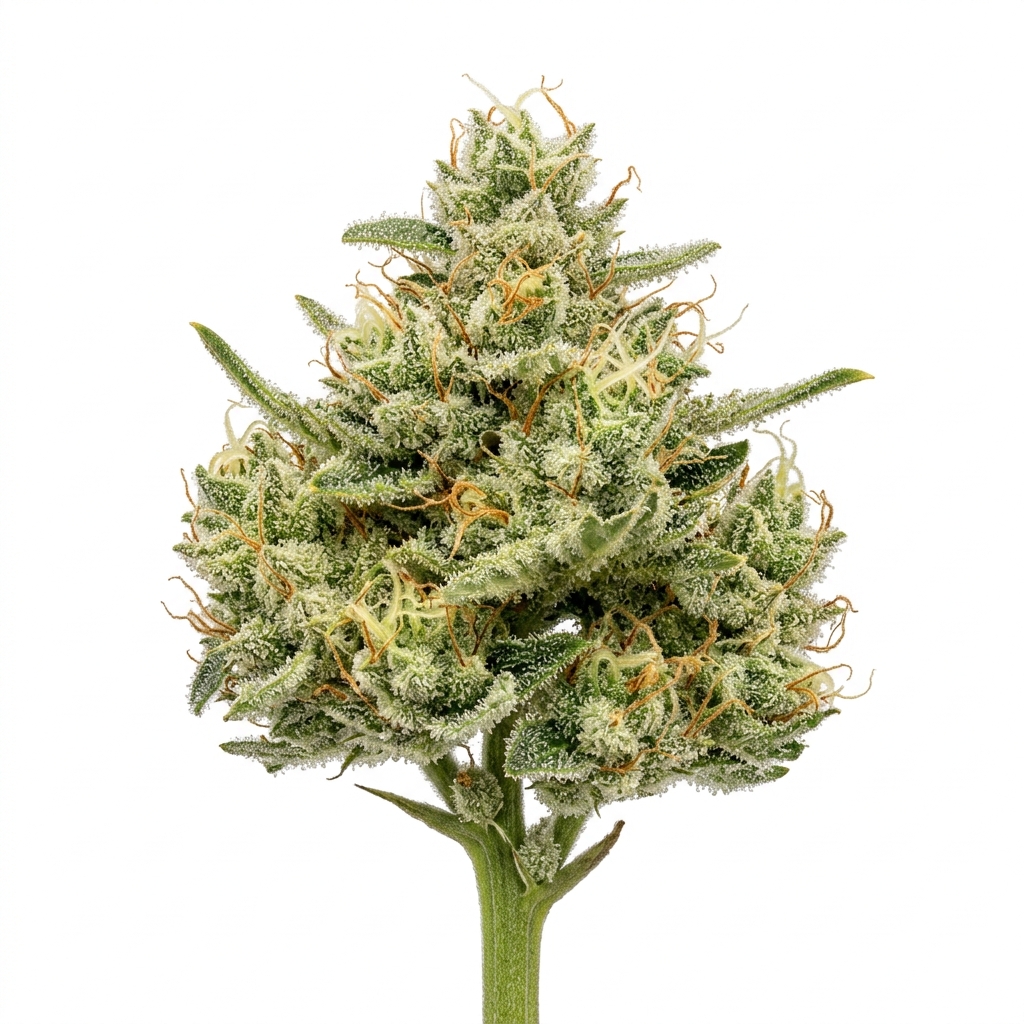
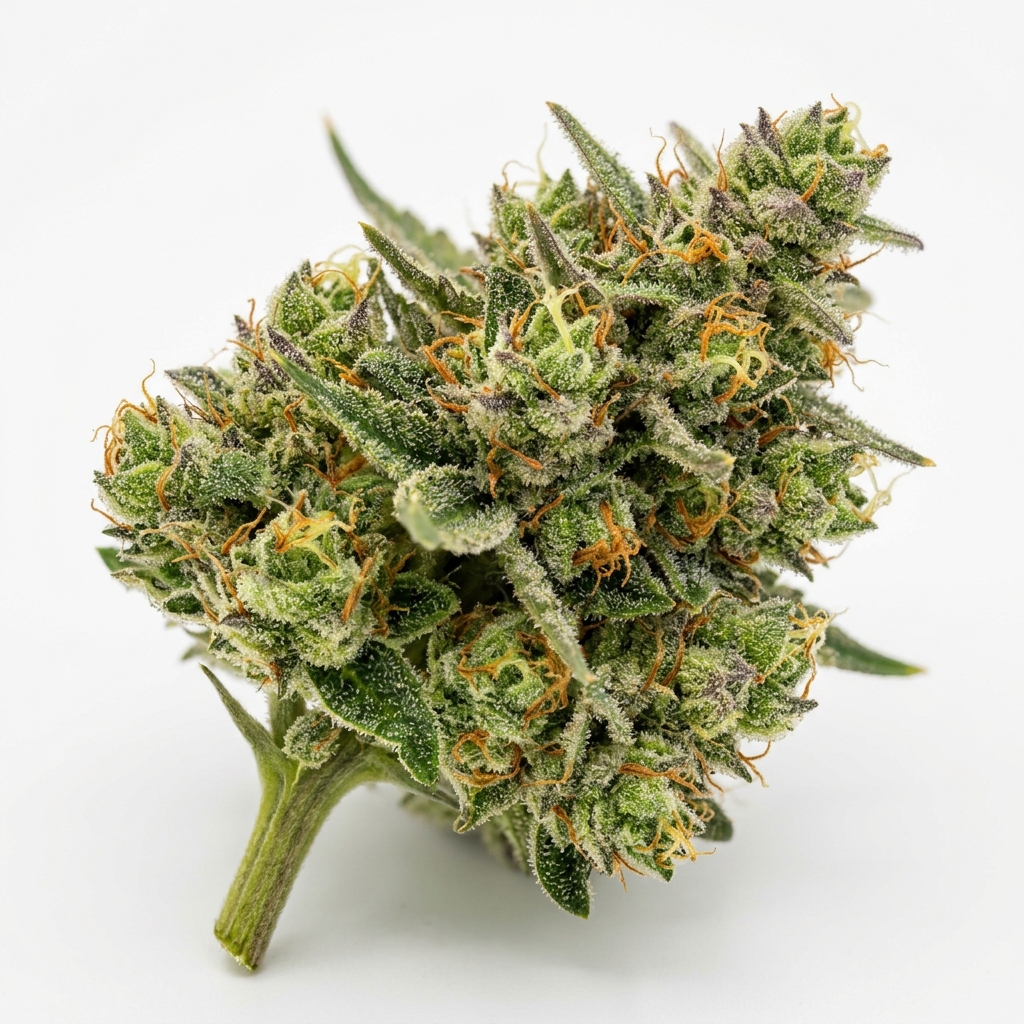
Cured flowers of Pineapple Under Sea typically display an elongated, conical to spear-shaped sativa morphology. Calyx clusters form moderately dense structures characterized by vivid lime-green and forest-green bracts, occasionally displaying pale chartreuse highlights near the inner nodes. Slender, fiery tangerine to amber pistils curl tightly around the floral bracts. Mature inflorescences are cloaked in a thick layer of capitate-stalked glandular trichomes, giving the bud surface a frosty, glistening resin coverage that accentuates its intricate petal-like bract layers.
Aroma & Flavor
Pineapple Under Sea presents a complex olfactory bouquet led by intense tropical fruit aromas. Upon breaking the flower open, dominant top notes of ripe, sugary pineapple and zesty Meyer lemon emerge. In the modern Pineapple Fruz x Permanent Marker expression, this tropical sweetness is contrasted by an unmistakable volatile chemical character reminiscent of industrial permanent markers, pungent ink, and soapy floral gas. In the CSI Humboldt Pineapple x Space Queen lineage, the bouquet tilts heavier toward fermented tropical citrus, sweet orchard fruit, and spicy, haze-influenced earthiness.
On the palate, the cultivar delivers a layered smoke or vapor experience. Initial draws taste distinctly of candied pineapple and sour citrus pulp. As the draw transitions across the exhalation, secondary flavors of peppery caryophyllene, light pine, and a lingering fuel-soaked marker twang remain on the palate.
Terpene Profile
Analytical laboratory panels conducted on commercial batches of Pineapple Under Sea show a total terpene concentration commonly measuring between 2.28% and 2.53% by dry weight. The profile is consistently anchored by monoterpenes and floral sesquiterpenes:
- d-Limonene (0.82%–1.01%): The primary dominant terpene, providing sharp citrus aromatics, rind-like sharpness, and contributing to the cerebral, mood-elevating profile.
- beta-Pinene (0.42%–0.52%): A prominent secondary monoterpene lending herbal pine undertones, crisp vapor character, and promoting mental alertness.
- Linalool (0.34%–0.35%): Imparts delicate floral top notes, counterbalancing the intense sharpness and adding mild calming nuances.
- beta-Caryophyllene (0.15%–0.20%): Provides warmth, cracked black pepper nuances, and synergistic CB2 receptor interaction.
- Minor Terpenes: Analytical assays frequently document trace fractions of beta-Myrcene (0.09%–0.15%), Nerolidol (0.12%–0.14%), Humulene (0.10%–0.12%), Terpinolene (0.03%), Eucalyptol (0.01%–0.02%), and alpha-Bisabolol (0.01%).
Potency & Cannabinoids
Pineapple Under Sea is recognized as a high-potency cultivar. Certificate of Analysis (COA) labels from regulated Massachusetts dispensaries reflect total cannabinoid (TAC) readings ranging from 23.77% up to 35.42%. Documented active THCA levels typically register between 25.11% and 30.60%, with decarboxylated neutral Delta-9 THC testing between 1.60% and 3.54%. Total THC across individual retail batches has been verified at 24.66%, 28.08%, 29.39%, and 30.60%.
Secondary cannabinoids remain modest but biologically relevant, with CBGA measuring up to 0.70%, CBG at 0.21% to 0.27%, CBDA from 0.08% to 0.14%, total CBD at 0.11% to 0.14%, and trace THCVA at 0.33%. This cannabinoid matrix generates rapid, pronounced psychoactivity.
Reported Effects
Consumer experiences with Pineapple Under Sea are subjective and may vary based on personal tolerance, setting, dosage, and specific batch chemistry.
Mental Effects
Consumers consistently report an immediate onset of cerebral invigoration. The mental experience is frequently described as lucid, focused, inspiring, and creatively stimulating, making the cultivar popular for daylight use, hobby work, and social activities. Unlike racy sativas that may induce nervous edge, its linalool and caryophyllene buffer the experience into a clear, buoyant optimism.
Body Effects
The somatic footprint remains light and non-intrusive. Users describe a clean wave of mild physical relaxation that softens neck and shoulder tension without inducing lethargy or heavy sedation. It provides sufficient functional physical ease to maintain movement and active tasks throughout the day.
Resin & Extraction Characteristics
Owing to its volatile monoterpene concentration and prominent glandular head density, Pineapple Under Sea has been incorporated into specialized hydrocarbon extraction programs. Commercial producers utilize fresh-frozen harvests to preserve its delicate limonene- and pinene-heavy fractions, generating aromatic live resin cartridges, solventless dabbable pastes, and sugar-wax concentrates that retain the strain’s distinct tropical-chemical terpene balance.
Scientific & Botanical Overview
Taxonomically, Pineapple Under Sea is an intraspecific hybrid of Cannabis sativa L. exhibiting predominant sativa morphological expressions. Its monoterpene distribution, notably high in limonene and beta-pinene relative to myrcene, aligns with daytime-associated chemical profiles in chemovar classification schemes. The synthesis of high levels of THCA alongside trace amounts of CBGA and THCVA demonstrates strong cannabinoid synthase enzyme activity characteristic of modern Polyhybrid breeding programs.
Lineage & Related Strains
Due to multiple breeding entities deploying the name, understanding the lineage requires separating two distinct lines:
- CSI Humboldt Line: Bred as a cross of the heirloom Pineapple clone (an inbred descendant of Ed Rosenthal’s Super Bud selected in the Pacific Northwest and Emerald Triangle) and Space Queen (Romulan x Cinderella 99, originated by Subcool / TGA Genetics). This version carries heavy heritage fruit, haze, and sweet resin traits.
- Modern Commercial Line: Bred from a cross between Pineapple Fruz (Animal Mints BX1 x Zkittlez BX1, created by Seed Junky Genetics) and Permanent Marker #3 ((Biscotti x Jealousy) x Sherb BX). Commercialized widely through cultivators such as Cresco Labs and High Supply, this line expresses dominant confectionery gas, tropical fruit, and industrial marker aromas.
Sources & Data Notes
Data compiled for this profile relies on primary breeder catalogs from CSI Humboldt, registered seed lineage documentation, and state-mandated analytical certificates from licensed recreational dispensaries and multi-state producers (including Cresco Labs, High Supply, and Rise) across Massachusetts markets. Exact quantitative cannabinoid and terpene figures represent verified individual batch test results rather than theoretical industry approximations. Agronomic parameters such as indoor flowering time, plant height, and square-meter yields have not been universally documented by breeders and remain classified as not reliably established.
Pineapple Under Sea Summary
Pineapple Under Sea is a flavorful sativa-dominant hybrid prized for its tropical sweetness and sharp chemical funk. Whether encountered as CSI Humboldt’s Pineapple x Space Queen heritage cross or the modern Pineapple Fruz x Permanent Marker selection, it consistently delivers high-potency THC testing between 24.66% and 30.60%, limonene-driven aromatics, and an energetic, cerebrally focused profile well suited for daytime endeavors.