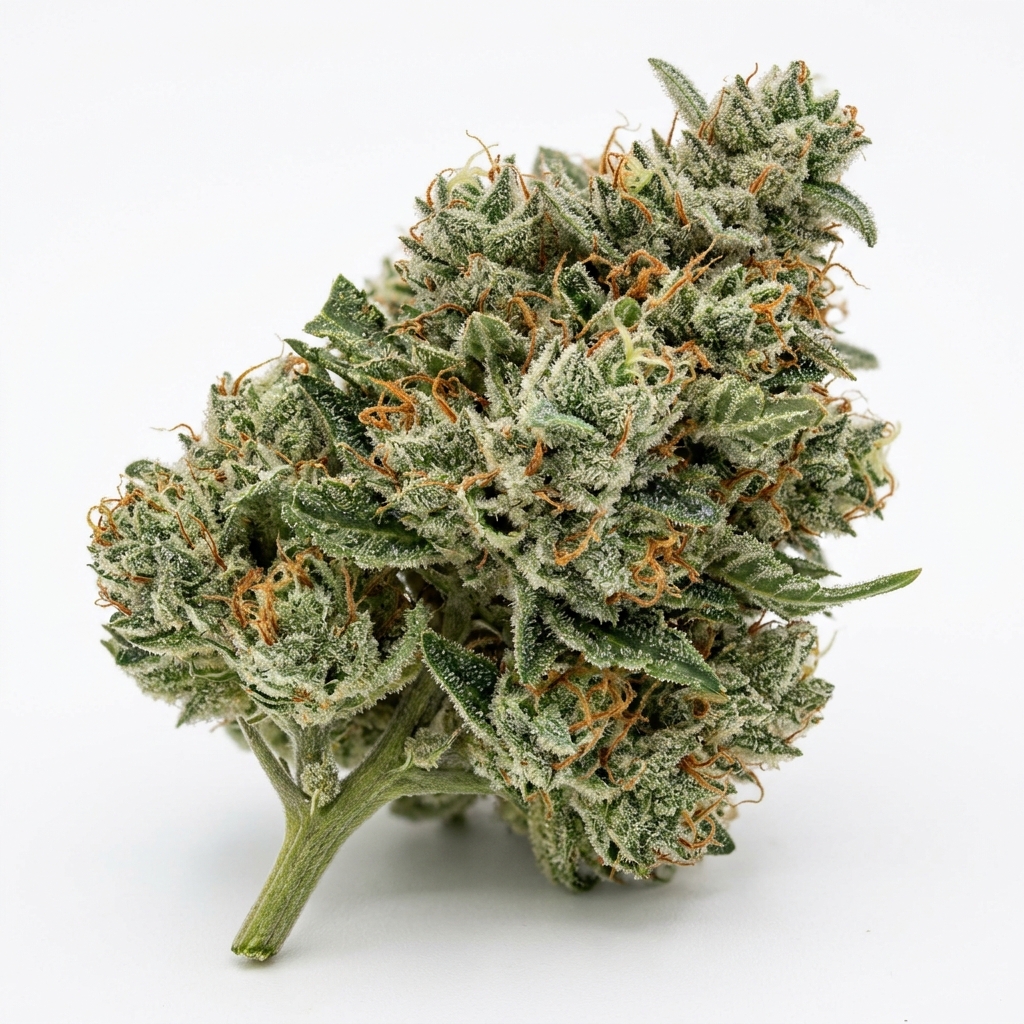
Valley Of Fire (commonly abbreviated as V.O.F. or VoF) is a high-potency hybrid cannabis cultivar renowned for its pungent fuel aroma, sharp citrus accents, and heavy resin production. Popularized across legal state markets primarily through commercial growers such as KYND and Ayr Wellness, the strain is most widely documented as a cross between Fire OG and The White. Combining the robust gaseous heritage of classic OG Kush lines with the extraordinary crystalline glandular density of The White, Valley Of Fire is sought after by experienced consumers seeking a bold terpene presence and powerful, balanced effects.
Strain Profile & Genetics
- Genetics: Fire OG × The White (disputed on select retail registries as OG Kush × SFV OG Kush)
- Strain Type: Hybrid
- Indica / Sativa Ratio: Disputed (frequently cited as an evenly balanced 50% indica / 50% sativa hybrid, or as an indica-leaning hybrid)
- THC Content: 26% – 35% (batch certificates of analysis frequently document 24.48% – 28.82% total active THC, with THCA levels reaching 32.73%)
- CBD Content: 0.07%
- Dominant Terpenes: Limonene, Beta-Caryophyllene, Beta-Myrcene, Linalool, Humulene
- Aroma Profile: Pungent diesel, sharp lemon-citrus, damp earth, pine, and cracked black pepper
- Flavor Profile: Earthy fuel, citrus zest, woody pine, and spicy herbal undertones
- Subjective Mental Effects: Rapid cerebral elevation, euphoric clarity, enhanced focus
- Subjective Body Effects: Soothing physical relaxation, easing of muscular tension
- Resin & Extraction: Heavy glandular trichome coverage suited for mechanical and solvent extraction
Appearance
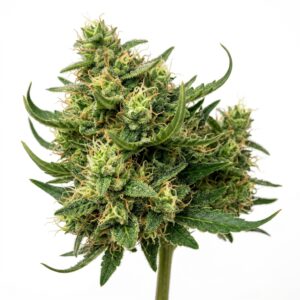
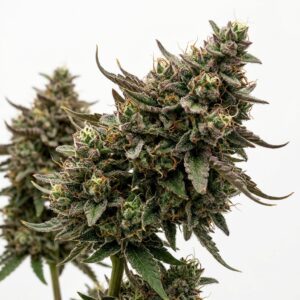
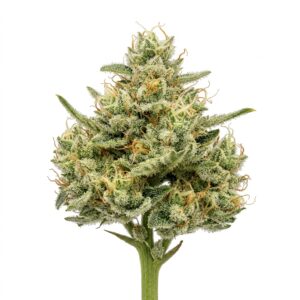
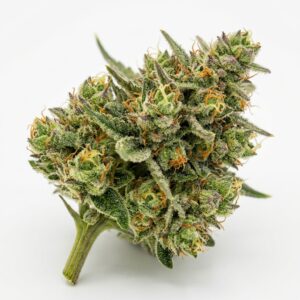
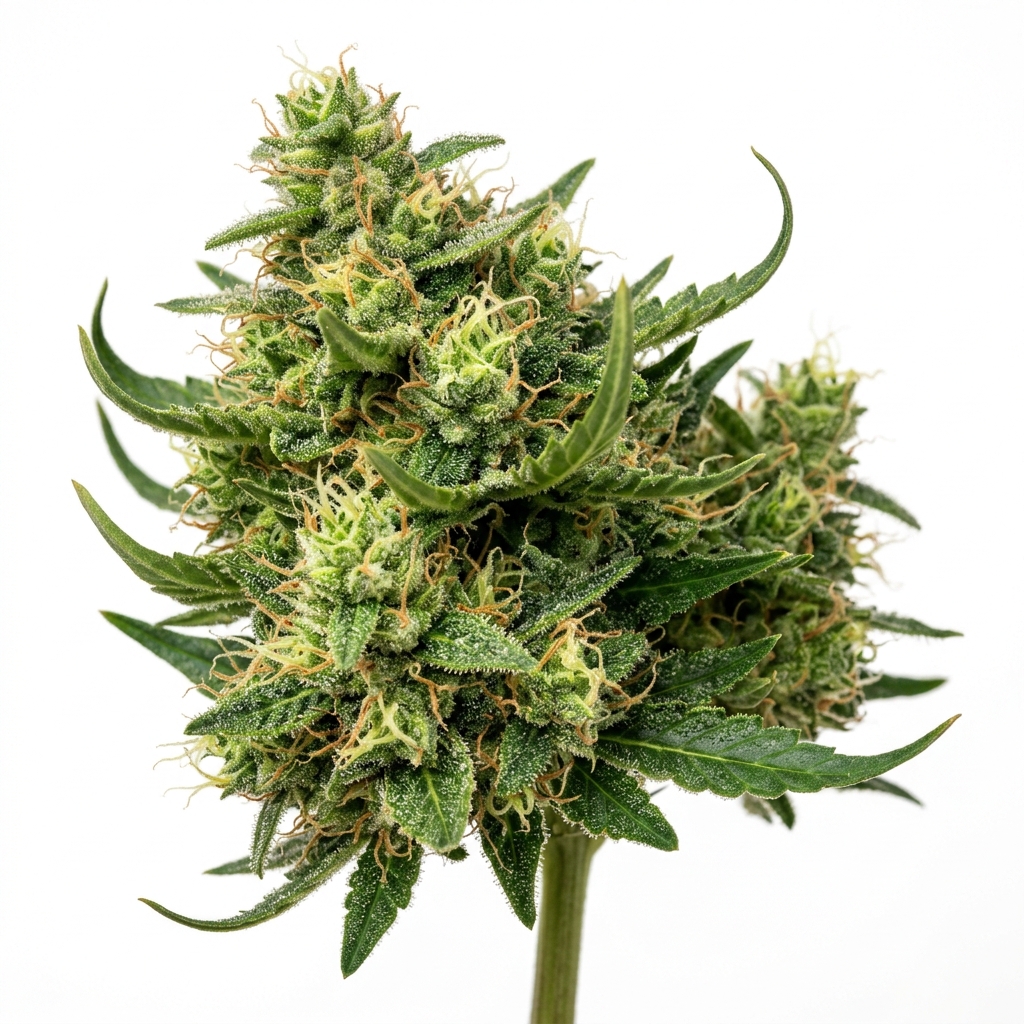
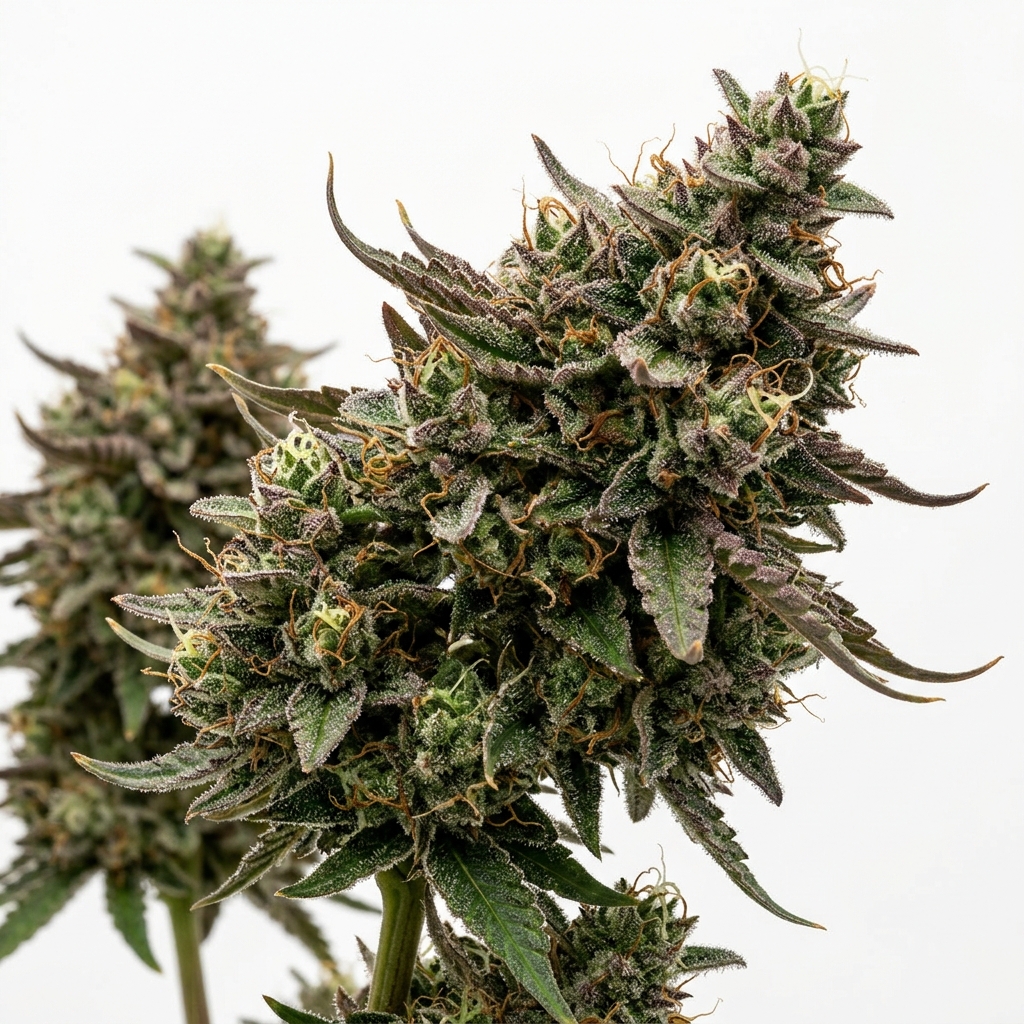
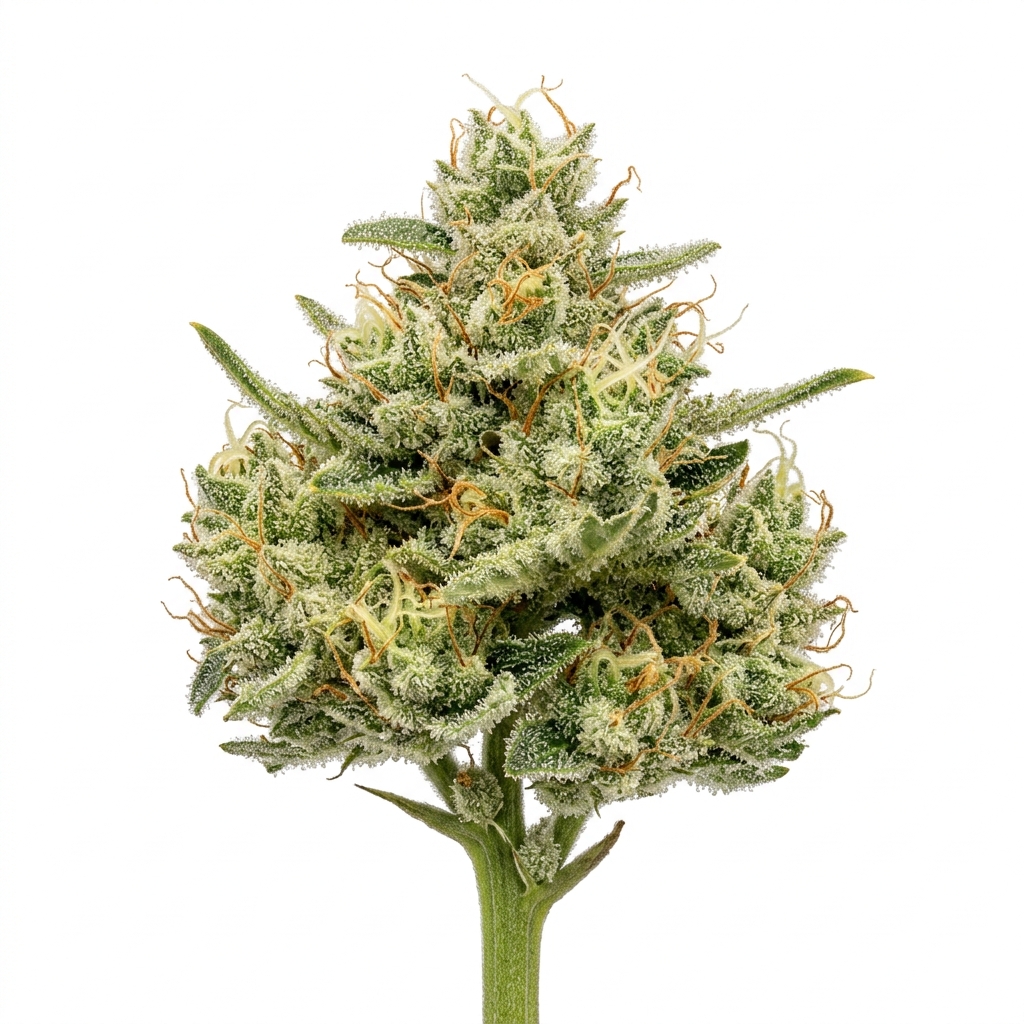
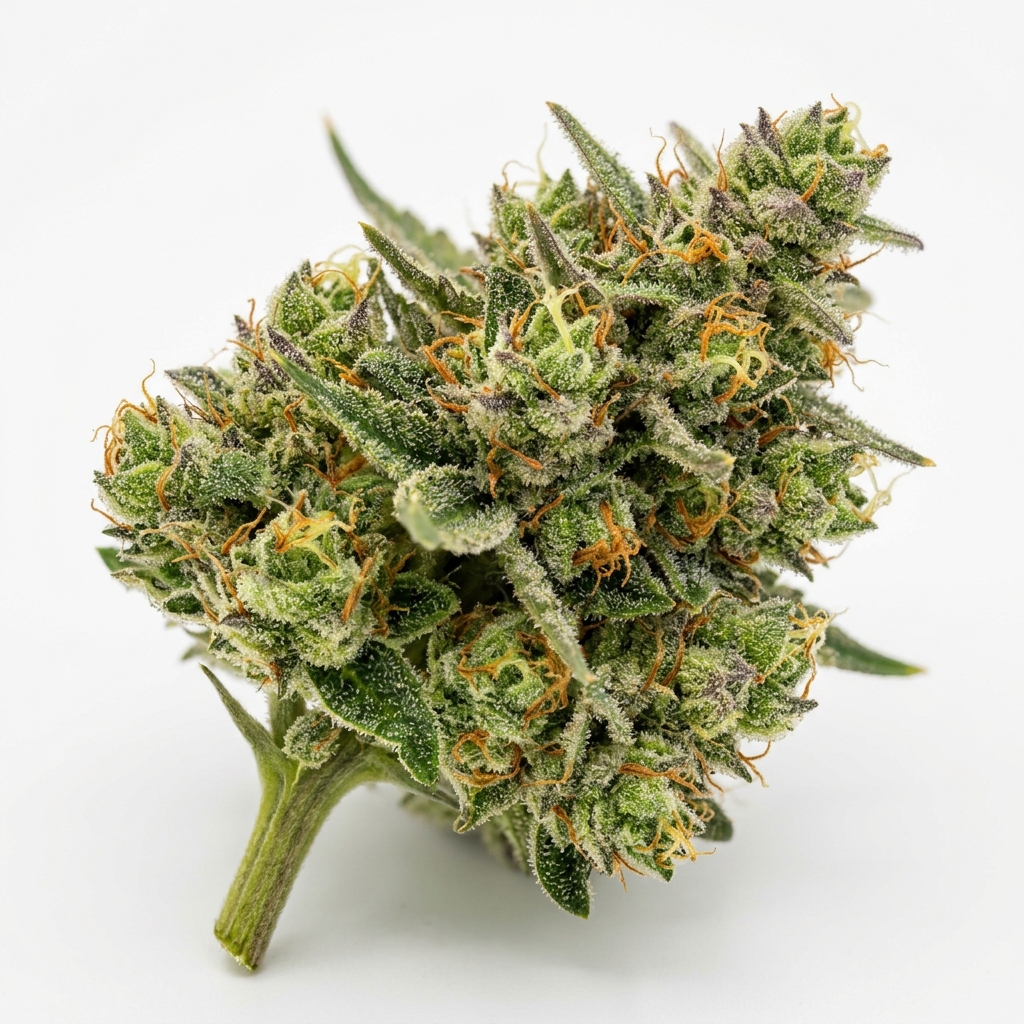
Valley Of Fire produces compact, moderately sized inflorescences that tend to form dense grape-shaped to conical clusters. The base coloration of the bracts is a distinct smoky sage to deep forest green, frequently highlighted by subtle olive undertones. Weaving throughout the dense calyx clusters are prominent, tightly coiled pistils that show vivid burnt-orange to deep brick-red hues. What defines the cultivar visually is its thick, glistening mantle of stalked glandular trichomes, inherited directly from The White, which blankets both the inner and outer floral surfaces in a frosty, snow-like layer of resin heads.
Aroma & Flavor
The aromatic profile of Valley Of Fire is loud, sharp, and unmistakably fuel-driven. Broken or ground flowers release an intense wave of hydrocarbon funk reminiscent of industrial diesel and sour fuel. Layered beneath this gassy dominance are secondary notes of bright lemon-citrus, crushed conifer pine needles, and a grounded foundation of damp, fertile soil. On the palate, the combustion or vaporization of Valley Of Fire delivers an assertive inhale dominated by sour fuel and citrus zest. The exhale transitions toward woodier, earthier tones, leaving a lingering peppery spice and herbal pine presence on the tongue.
Terpene Profile
Analytical testing of commercial flower batches reveals a total terpene concentration generally spanning 1.58% to 2.42%. The chemical profile is dominated by a synergistic pairing of monoterpenes and sesquiterpenes:
- Limonene: Typically the primary monoterpene (measured between 0.43% and 0.87%), responsible for the sharp citrus-rind top note and contributing to reported cerebral brightness.
- Beta-Caryophyllene: The prominent sesquiterpene (measured between 0.37% and 0.68%), providing the spicy, peppery undertone and engaging directly with peripheral CB2 receptors.
- Beta-Myrcene: Present in moderate amounts (ranging from 0.11% to 0.36%), contributing earthy, herbal complexities and reinforcing physical decompression.
- Linalool: Ranging between 0.18% and 0.25%, lending a soft floral note that buffers the sharp chemical fuel notes.
- Humulene: Consistently detected at approximately 0.10% to 0.15%, adding dry, woody accents.
- Secondary Terpenes: Minor concentrations of Alpha-Pinene, Beta-Pinene, Bisabolol, and Caryophyllene Oxide are regularly detected in laboratory screenings.
Potency & Cannabinoids
Valley Of Fire is classified as a high-potency Chemotype I cannabis cultivar. Strain reference compendiums typically report an overall THC bracket of 26% to 35%. State compliance certificates of analysis from commercial flower batches in regulated markets document active total THC ranging from 24.48% to 28.82%, with raw THCA values reaching 32.73%. Neutral CBD levels remain nominal, with published lab tests reporting approximately 0.07% CBD. Trace cannabinoids comprise a minor but meaningful fraction of the profile, notably CBG (0.21% to 0.58%) and CBGA (0.65% to 1.02%), which together contribute to the plant's overall entourage characteristics.
Effects
Consumer accounts indicate that Valley Of Fire delivers an immediate onset characterized by mental clarity and noticeable mood elevation. The initial phase is frequently reported as an invigorating cerebral rush that sweeps away mental fatigue and sharpens focus without prompting frantic overstimulation. As the duration progresses, the cerebral lift stabilizes into a composed, thoughtful mindset while a soothing physical warmth radiates across the shoulders, back, and extremities. The physical sensation brings comprehensive muscular relaxation and tension relief without enforcing an immediate couchlock, making it a versatile option for late afternoon or evening transition hours.
Resin & Extraction Characteristics
Due to the genetic contribution of The White—a parent cultivar famous in breeding circles for coating entire bract surfaces in trichomes—Valley Of Fire exhibits substantial resin production. The inflorescences feature an abundance of fully formed capitate-stalked glandular trichomes with brittle, resinous heads that separate cleanly during mechanical agitation. This structural trait makes the cultivar well-suited for solventless ice-water hash, dry sift, and live rosin pressing, while the rich terpene balance provides excellent yield and pungent aroma preservation in hydrocarbon extraction.
Scientific & Botanical Overview
Botanically, Valley Of Fire is a complex hybrid demonstrating typical morphological expressions of the broad-leaf and narrow-leaf intercrossed genome. As a Chemotype I specimen, its secondary metabolite production is almost entirely directed toward the enzymatic conversion of CBGA into THCA via THCA synthase, yielding negligible CBDA. The pronounced co-expression of limonene, beta-caryophyllene, and linalool illustrates a balanced volatile secondary metabolite profile capable of modulating the rapid pharmacodynamics of high-dose delta-9-tetrahydrocannabinol.
Lineage & Related Strains
The established pedigree of Valley Of Fire joins two cornerstone parents:
- Fire OG: A heavily regarded selection of OG Kush × SFV OG Kush recognized for intense lemon-fuel aroma and long-lasting potency.
- The White: An elite cut originating from Florida (initially known as "Triangle"), prized primarily for its exceptional trichome coverage rather than an overpowering scent.
The resulting combination shares parental heritage with the renowned White Fire OG (WiFi OG). Valley Of Fire represents a distinctive selection within this lineage, emphasizing rich gassy-citrus flavor alongside elevated cannabinoid synthesis. A distinct seed line named "Valley Fire" bred by Slanted Farms Seed Company (SFV OG × Fire OG or Afghani #1) exists under a similar name but should not be conflated with the KYND-distributed commercial hybrid profiled here.
Sources & Data Notes
Analytical figures, cannabinoid content, and terpene data in this profile are compiled directly from third-party state-licensed testing laboratory certificates of analysis (including tests performed for commercial packaging in Massachusetts, New Jersey, and Florida markets under the KYND and Later Days labels) and standard horticultural compendiums. A minor genealogical discrepancy exists across select retail dispensary menus, which occasionally list the parentage as "OG Kush × SFV OG Kush"; this represents a documentation error where the lineage of the parent Fire OG was mistakenly ascribed to Valley Of Fire itself.
Valley Of Fire Summary
Valley Of Fire is a potent, terpene-dense hybrid cultivar created from the genetic union of Fire OG and The White. Combining high-level cannabinoid expression (averaging 24% to 35% total THC potential) with a rich bouquet of limonene, caryophyllene, and myrcene, it yields compact, heavily frosted flowers characterized by pungent diesel, citrus, and pine notes alongside balanced, euphoric, and deeply relaxing effects.