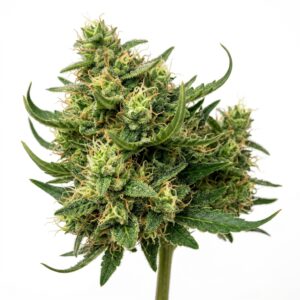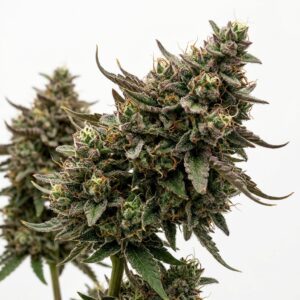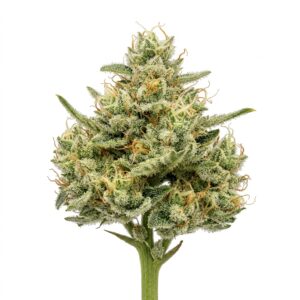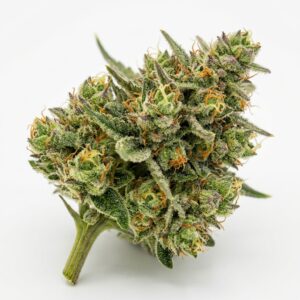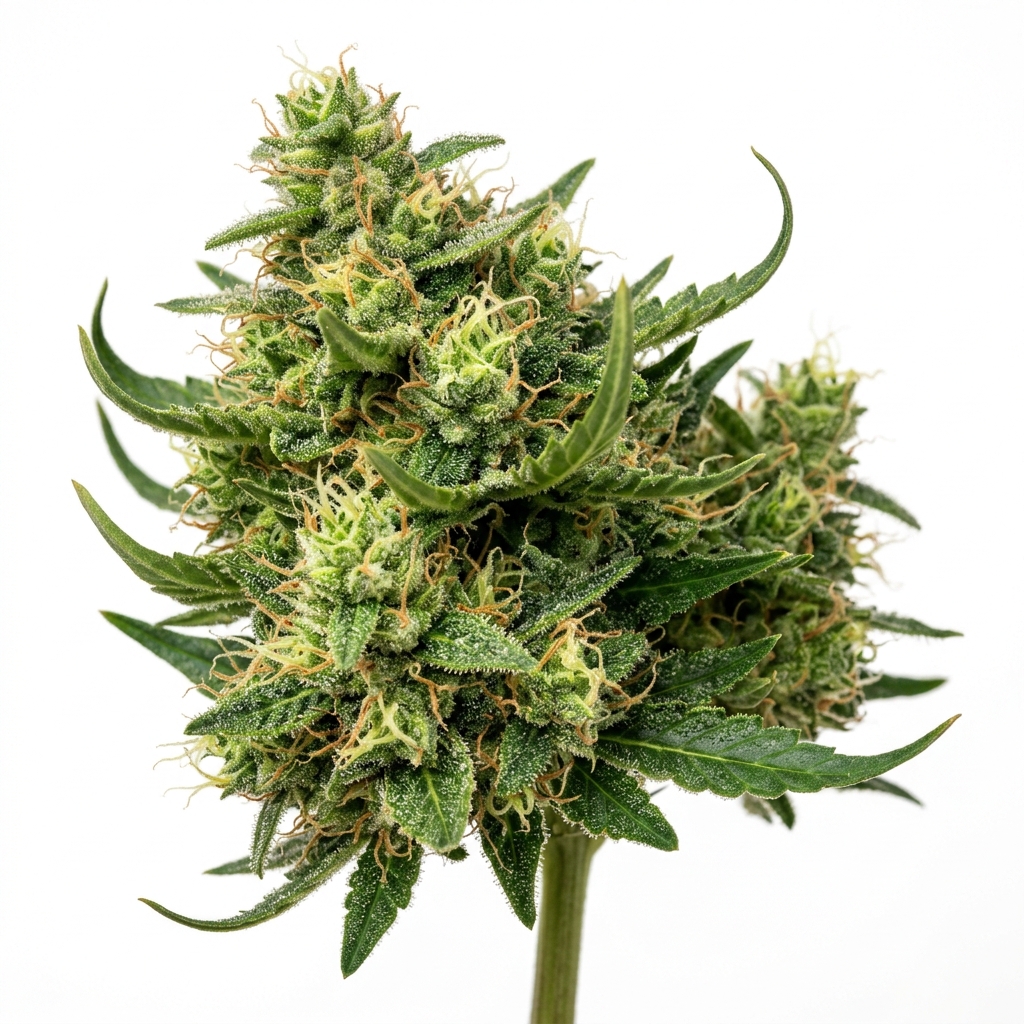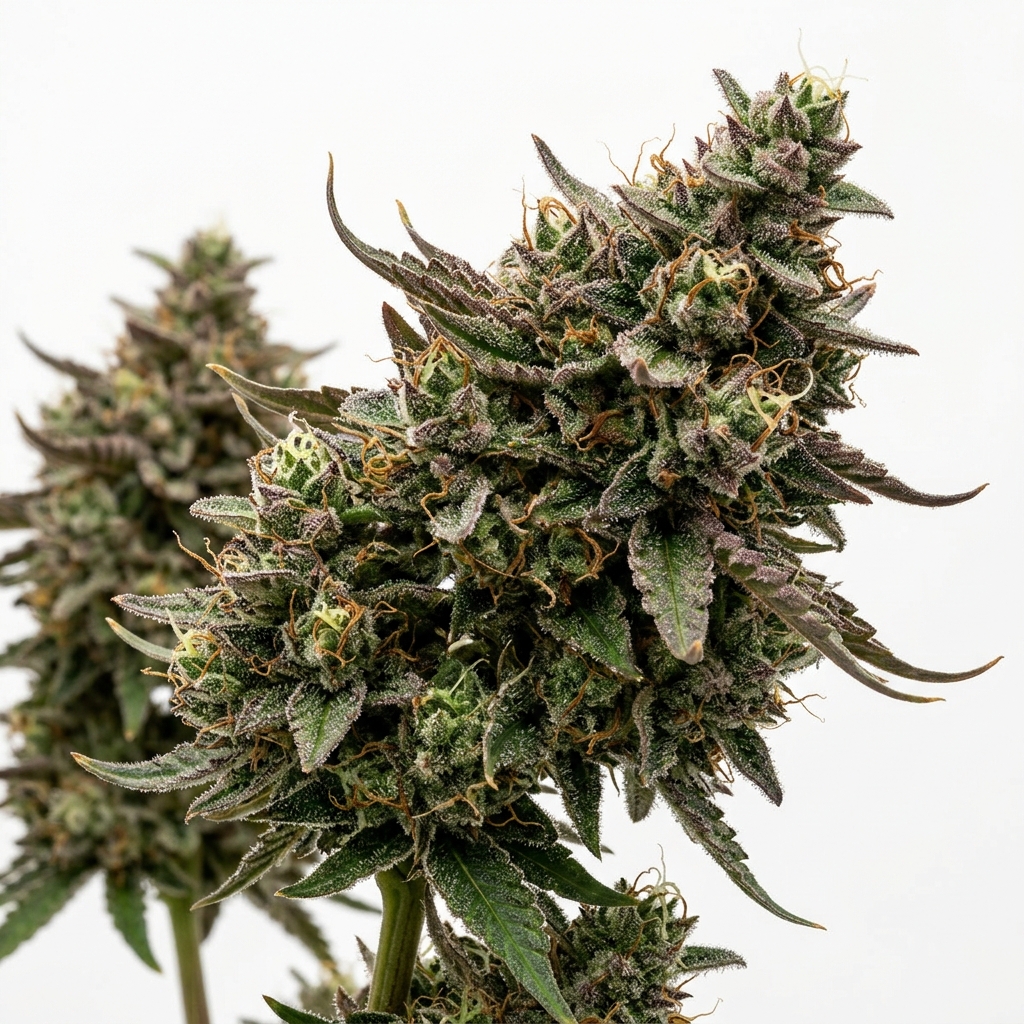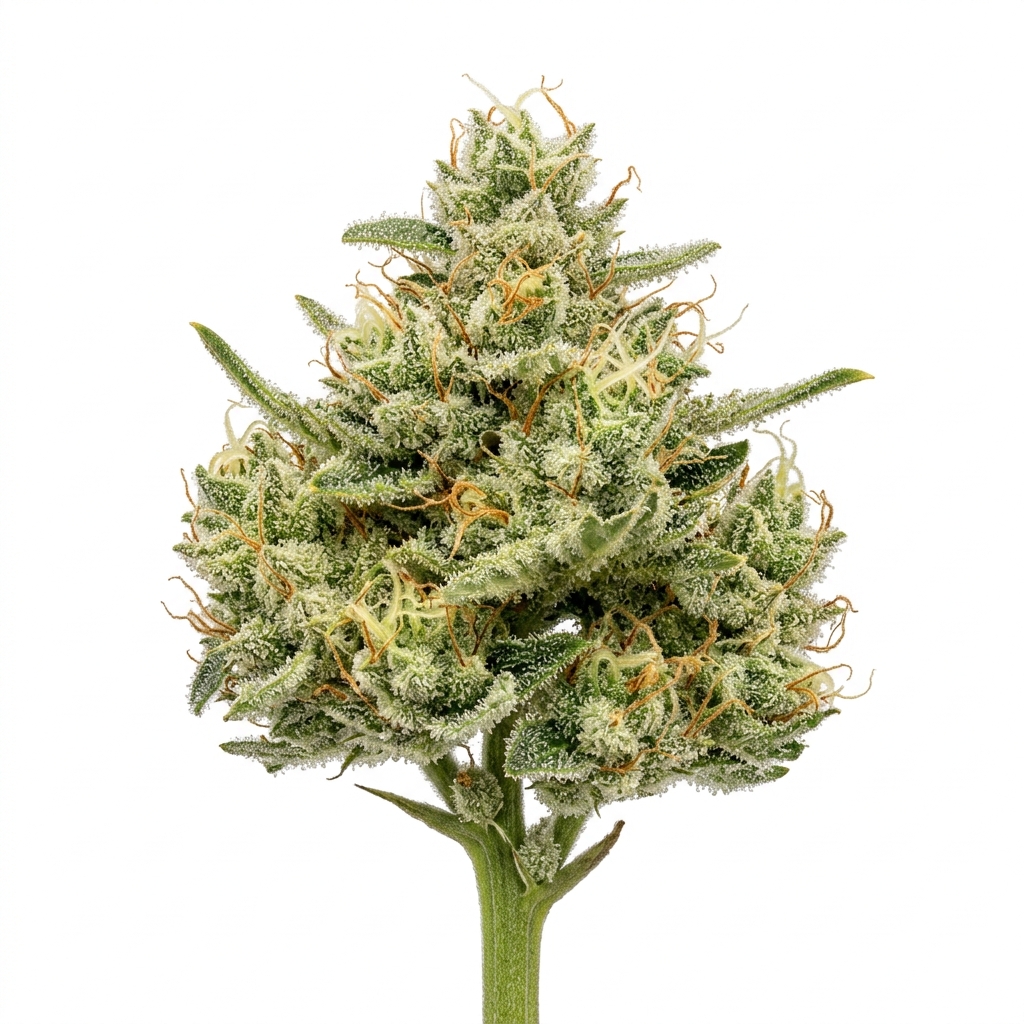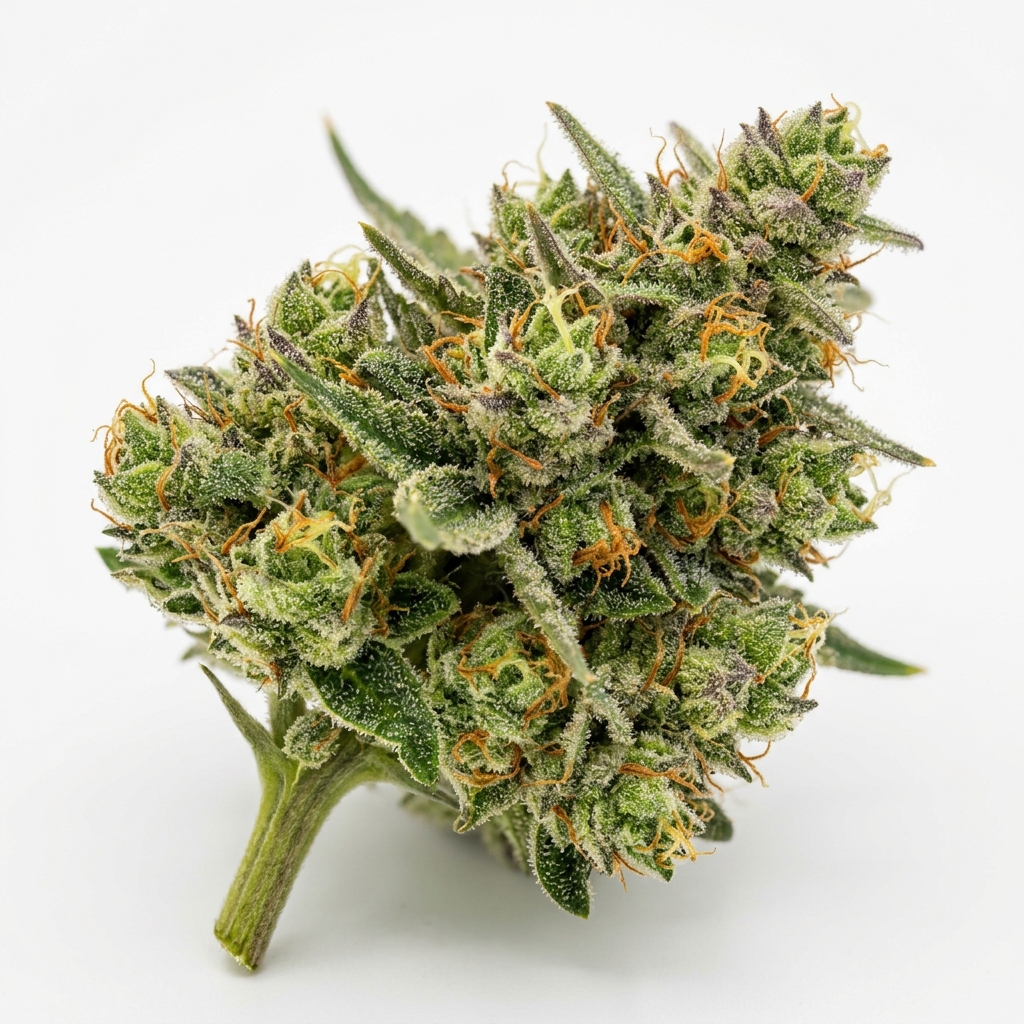
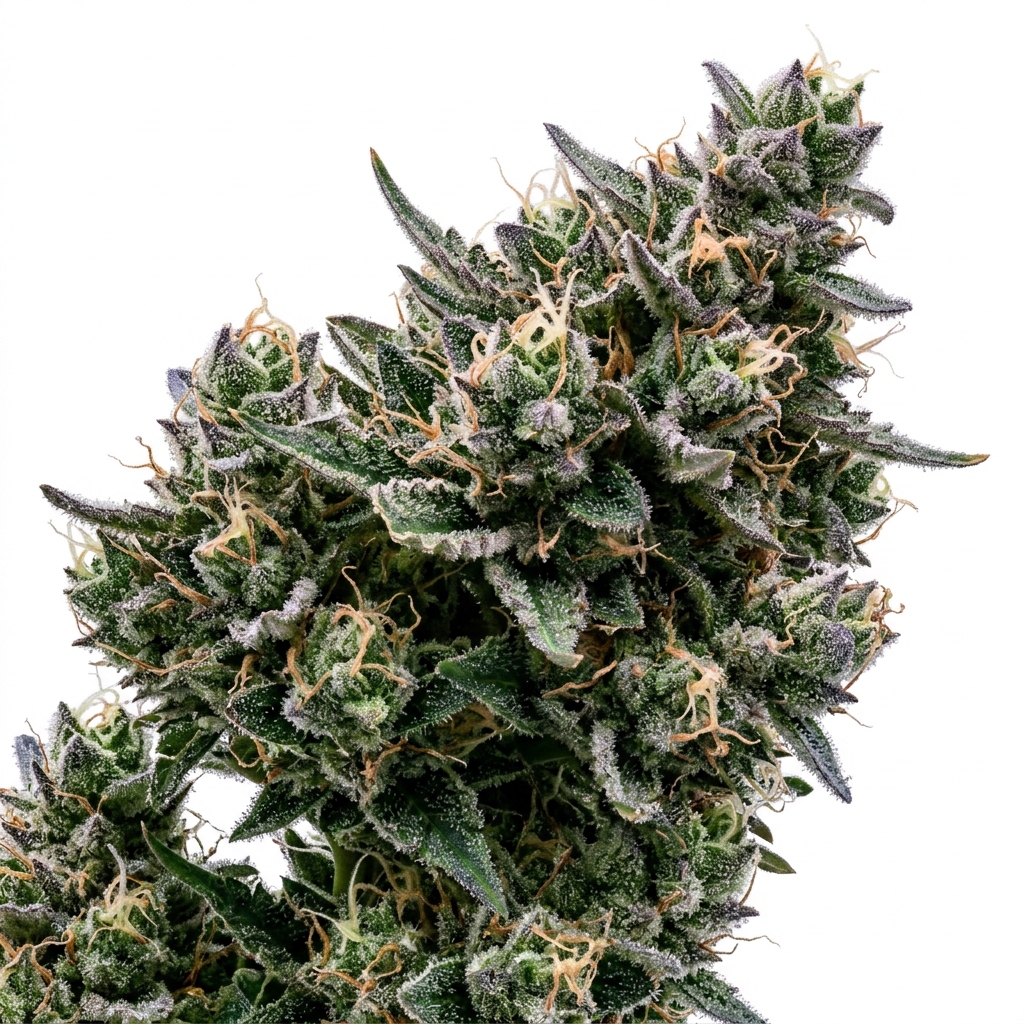
Cotton Candy Lobster is a contemporary hybrid cannabis cultivar bred by Cipher Genetics. Introduced as part of Cipher’s celebrated Blue Lobster breeding line, the variety pairs the confectionary dessert profile of Cotton Candy Runtz with the East Coast powerhouse Blue Lobster. Recognized for its striking blue and purple floral accents, lavish trichome density, and a distinctive aromatic fusion of spun sugar, ripe berries, and faint fuel, Cotton Candy Lobster has quickly established a dedicated following in craft cannabis circles.
Strain Profile & Genetics
Cipher Genetics developed Cotton Candy Lobster to merge modern West Coast dessert terpene profiles with the structural integrity and complex chemotype of Blue Lobster. Blue Lobster itself is an acclaimed Maine Trees selection of Compound Genetics’ cross between Apples and Bananas and Eye Candy (also known as Facade), renowned for winning multiple Zalympix East Coast trophies in 2023. By combining this elite cut with Cotton Candy Runtz—a sweet cross drawing from Runtz and Cotton Candy Kush genetics—the resulting progeny carries pronounced resin potential and confectionary terpene expressions.
- Breeder: Cipher Genetics
- Genetics: Cotton Candy Runtz × Blue Lobster
- Cultivar Type: Hybrid
- Indica/Sativa Ratio: Disputed (cataloged variously as an evenly balanced 50/50 hybrid and as an indica-dominant cultivar)
- Seed Type: Feminized photoperiod
- THC Potency: 24%–28%
- Dominant Terpenes: Limonene, Linalool, Beta-Myrcene
- Flowering Time: Approximately 56 to 63 days (8–9 weeks)
- Outdoor Harvest: Late September to early October
- Plant Structure: Bushy architecture with robust lateral branches, tight internodes, and compact calyx clusters
- Aroma: Spun sugar, sweet berry preserves, soft floral candy, light diesel fuel
- Flavor: Candied fruit, berry tartness, subtle cream, light gassy undertones
- Reported Mental Effects: Uplifting, tranquil euphoria, focused and calm
- Reported Body Effects: Physical ease, soothing relaxation, tension melting
- Resin & Extraction: Heavy capitate-stalked glandular trichome coverage across bracts and sugar leaves
Appearance
Cotton Candy Lobster produces visually striking inflorescences characterized by tight, chunky calyx stacking and a slightly tapered spear shape. The floral bracts present a vibrant canvas of deep forest green interwoven with distinct lavender, violet, and cool blue undertones—a morphological signature inherited from both parental lines. A heavy, snowy layer of glandular trichomes blankets the flower, giving mature buds a frosty, glistening veneer that contrasts with thin, curving pistils that ripen from soft peach to dark amber.
Aroma & Flavor
The sensory profile of Cotton Candy Lobster balances confectionary sweetness with grounded, pungent fuel. Breaking open cured flowers releases an intense, room-filling fragrance of pink spun sugar, blueberry syrup, and ripe summer berries. Underlying this candy-shop foreground is a delicate floral lift complemented by a savory, fuel-rich base inherited from the Blue Lobster heritage.
On the palate, the cultivar delivers a layered taste dominated by sugary fruit confections and sweet berry nectar. Smooth creamy notes buffer the sweetness on the intake, while the exhale introduces subtle herbal warmth and an earthy diesel snap that lingers on the tongue.
Terpene Profile
Analytical testing from licensed processors highlights a rich terpene profile typically led by limonene, linalool, and beta-myrcene, often accompanied by secondary quantities of beta-caryophyllene, pinene, and nerolidol. The prominent role of linalool gives Cotton Candy Lobster its characteristic soft, floral nuance, balancing the sweet citrus brightness supplied by limonene and the herbal, musky undertone contributed by beta-myrcene.
Potency & Cannabinoids
Cotton Candy Lobster is considered a high-potency modern cultivar, with primary THC levels routinely falling between 24% and 28%. Analytical lab results from individual state-licensed harvests have documented active total active cannabinoid (TAC) readings near 27% to 28%, with THCA accounting for the majority of the cannabinoid spectrum alongside minor concentrations of CBGA and CBG. CBD levels remain nominal, with primary testing registering negligible or trace quantities.
Effects
Consumer and cultivator reports describe the subjective effects of Cotton Candy Lobster as harmonious and functional, providing physical unwinding without incapacitation.
Mental Effects
The onset is reported to bring a subtle, clarifying mental uplift that gently elevates mood and dispels mental clutter. Users frequently describe a feeling of calm euphoria that encourages easy conversation, creative engagement, or relaxed socialization while preserving mental clarity.
Body Effects
Physically, the cultivar is reported to melt away bodily tension, starting across the neck and shoulders before spreading gently through the limbs. While soothing, the physical sensation generally avoids sudden heaviness or couchlock when consumed in moderation, making it popular for late afternoon and evening hours.
Cultivation Characteristics
Cotton Candy Lobster demonstrates a bushy growth pattern marked by strong secondary branching and short-to-medium internodal spacing. Indoors, the plant responds well to low-stress training (LST) and topping, which assist in spreading light evenly across its developing canopy. Indoor flowering typically concludes in approximately 56 to 63 days (8 to 9 weeks), with breeder data highlighting a median finish around 58 days. In outdoor environments within temperate or Mediterranean zones, plants reach full maturity between late September and early October. Because the calyxes stack tightly into dense colas, cultivators are advised to ensure proper dehumidification and adequate airflow throughout late flowering to maintain floral health.
Resin & Extraction Characteristics
Bred intentionally for premium bag appeal and resin output, Cotton Candy Lobster generates abundant capitate-stalked glandular trichomes across floral surfaces and trim leaves. The resin heads remain sticky and resilient during cure rather than dry or powdery, making the cultivar an appealing candidate for solventless processing methods like ice water wash, bubble hash production, and live rosin extraction where sweet-and-gassy terpene retention is desired.
Scientific & Botanical Overview
Taxonomically, Cotton Candy Lobster is an intraspecific hybrid within Cannabis sativa L., expressing polyhybrid genetics derived from diverse domestic lineages including Gelato, Zkittlez, OG Kush, Afghan, and Haze ancestries through its compound family tree. The presence of anthocyanin pigmentation, responsible for its cool blue and deep violet shades, is modulated by the plant’s genetics in response to environmental conditions such as light spectrum and late-bloom night temperatures.
Lineage & Related Strains
The immediate lineage consists of Cotton Candy Runtz (Cotton Candy Kush × Runtz) pollinated with or crossed to Blue Lobster (Apples and Bananas × Eye Candy). Related strains within this genetic ecosystem include Blue Lobster, Red Lobster, Facade, Apples and Bananas, and various high-terpene Runtz crosses popular in modern craft breeding.
Sources & Data Notes
Information on Cotton Candy Lobster is drawn from breeder documentation published by Cipher Genetics, commercial cultivation records from licensed East Coast and West Coast producers (including Maine Trees, Lazy River Products, Farmilia Gardenz, and Experience Organics), and state-licensed laboratory Certificates of Analysis. While classification varies between an even 50/50 hybrid and an indica-leaning variety across community outlets, both parent lines contribute visibly to its structural density and terpene expression.
Cotton Candy Lobster Summary
Cotton Candy Lobster stands out as an elite modern hybrid engineered by Cipher Genetics, fusing the candied allure of Cotton Candy Runtz with the award-winning vigor of Blue Lobster. Boasting 24% to 28% THC, a linalool- and limonene-forward terpene matrix, and striking blue-tinged floral geometry, the cultivar exemplifies the pinnacle of contemporary dessert-fuel cannabis breeding.