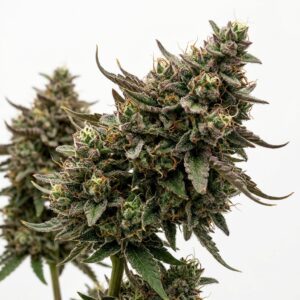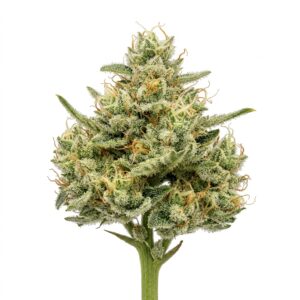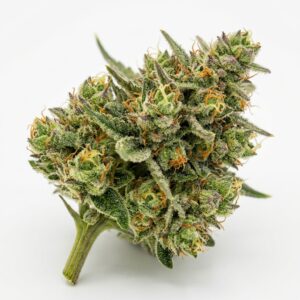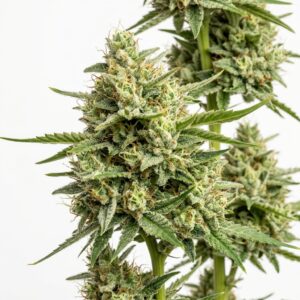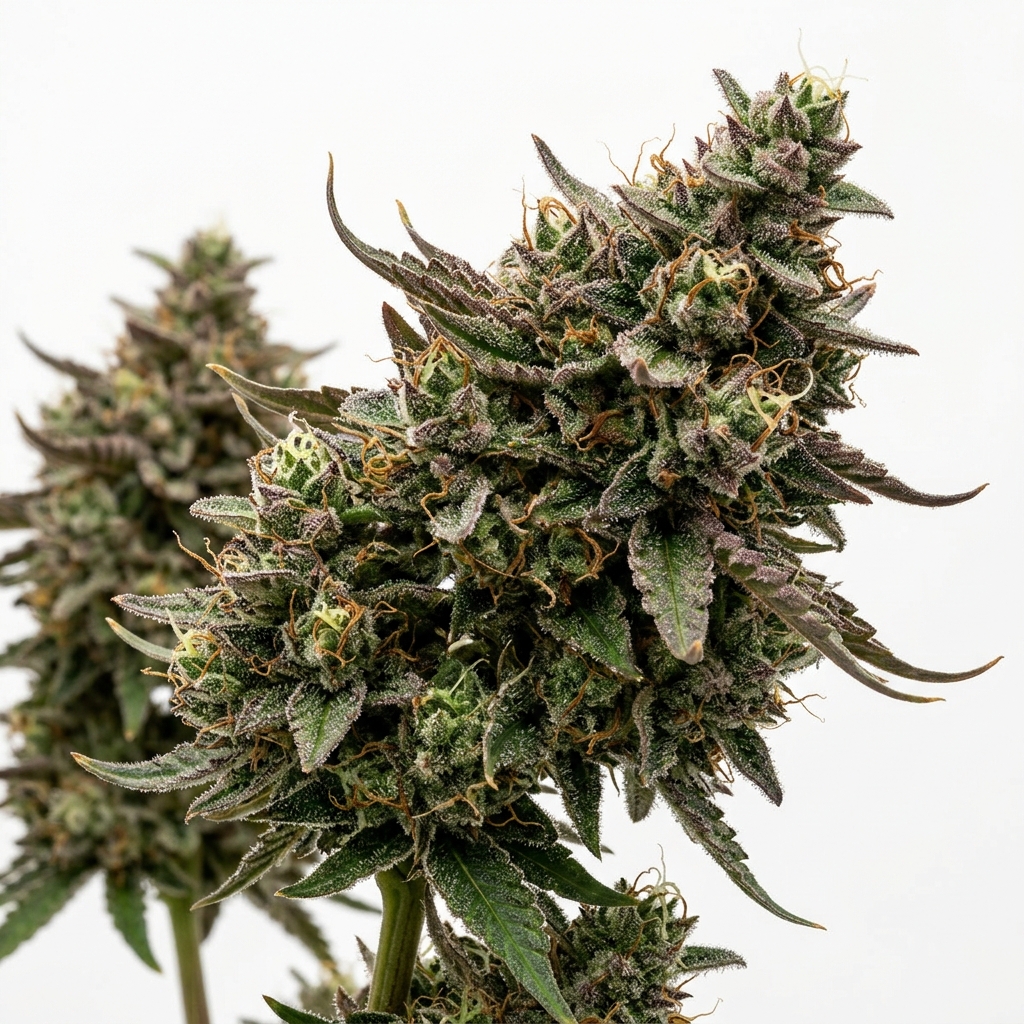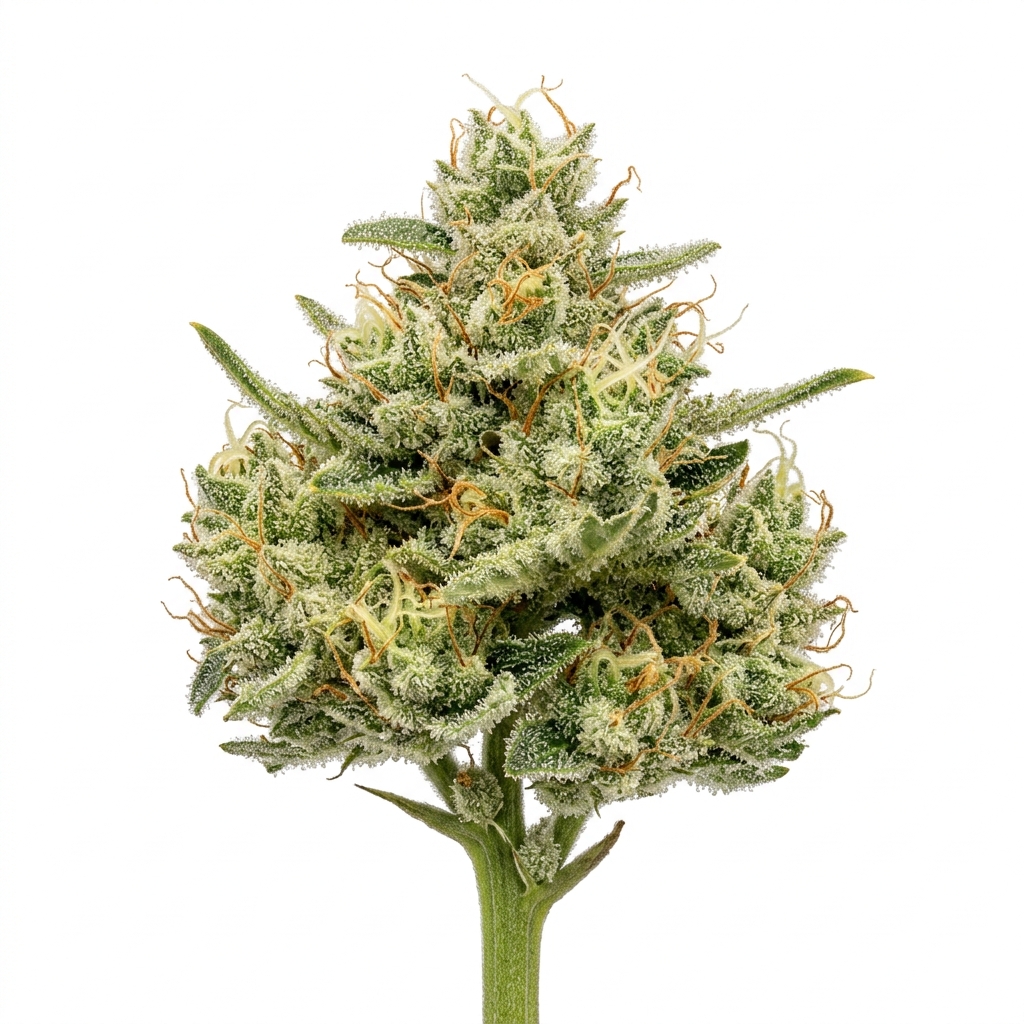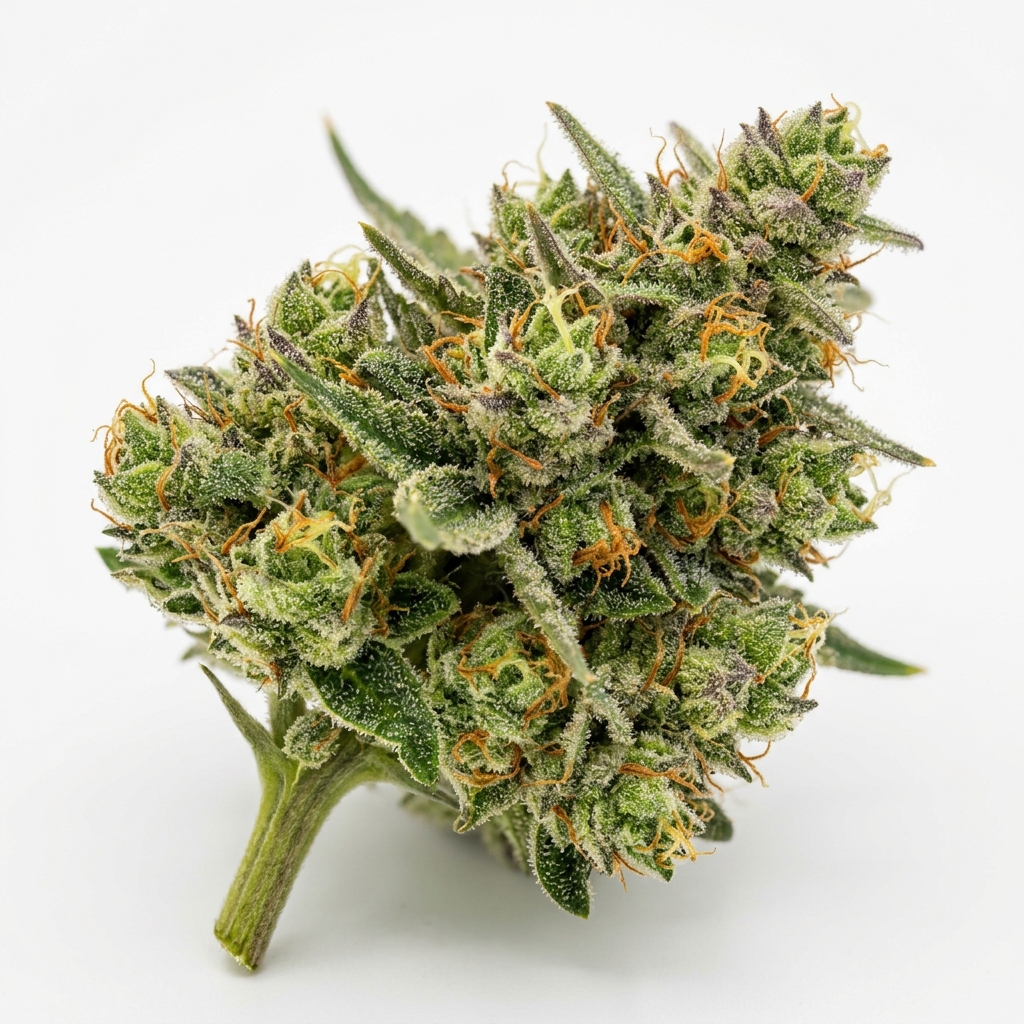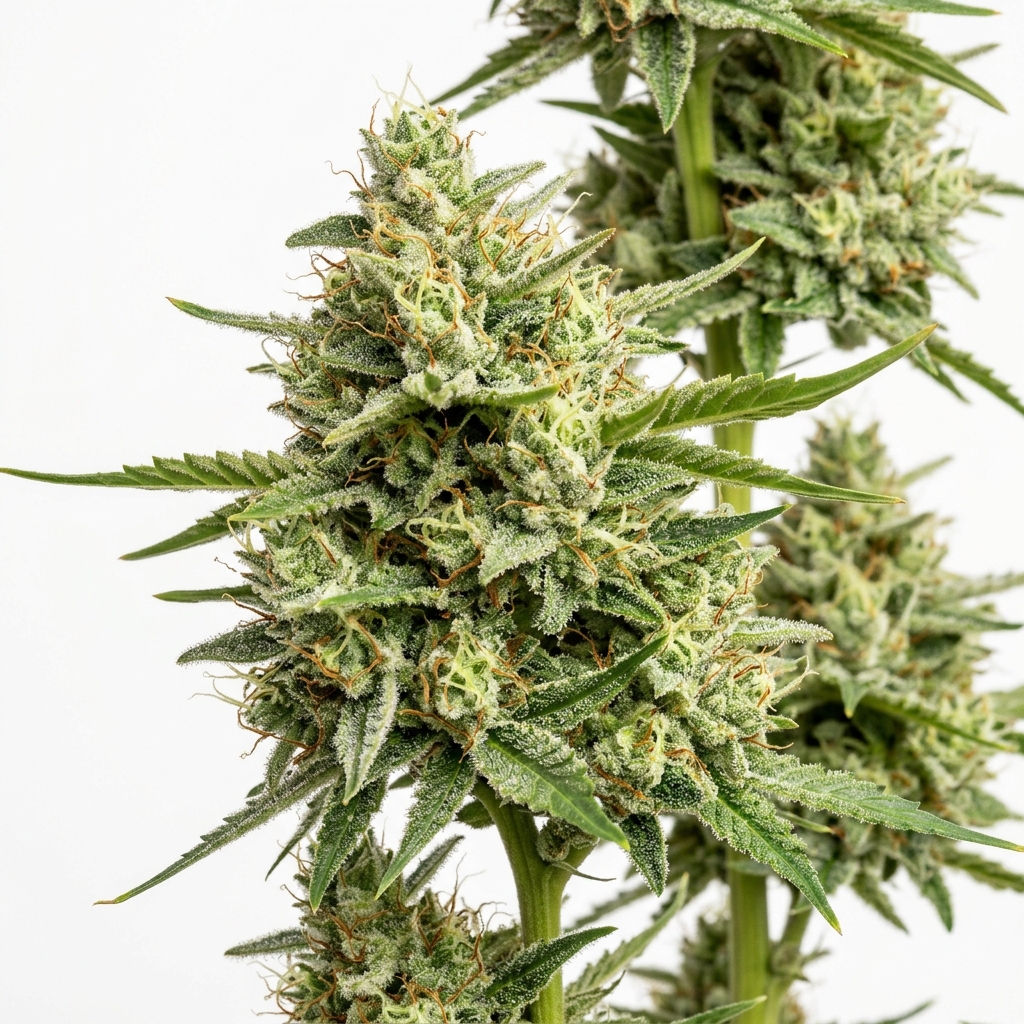
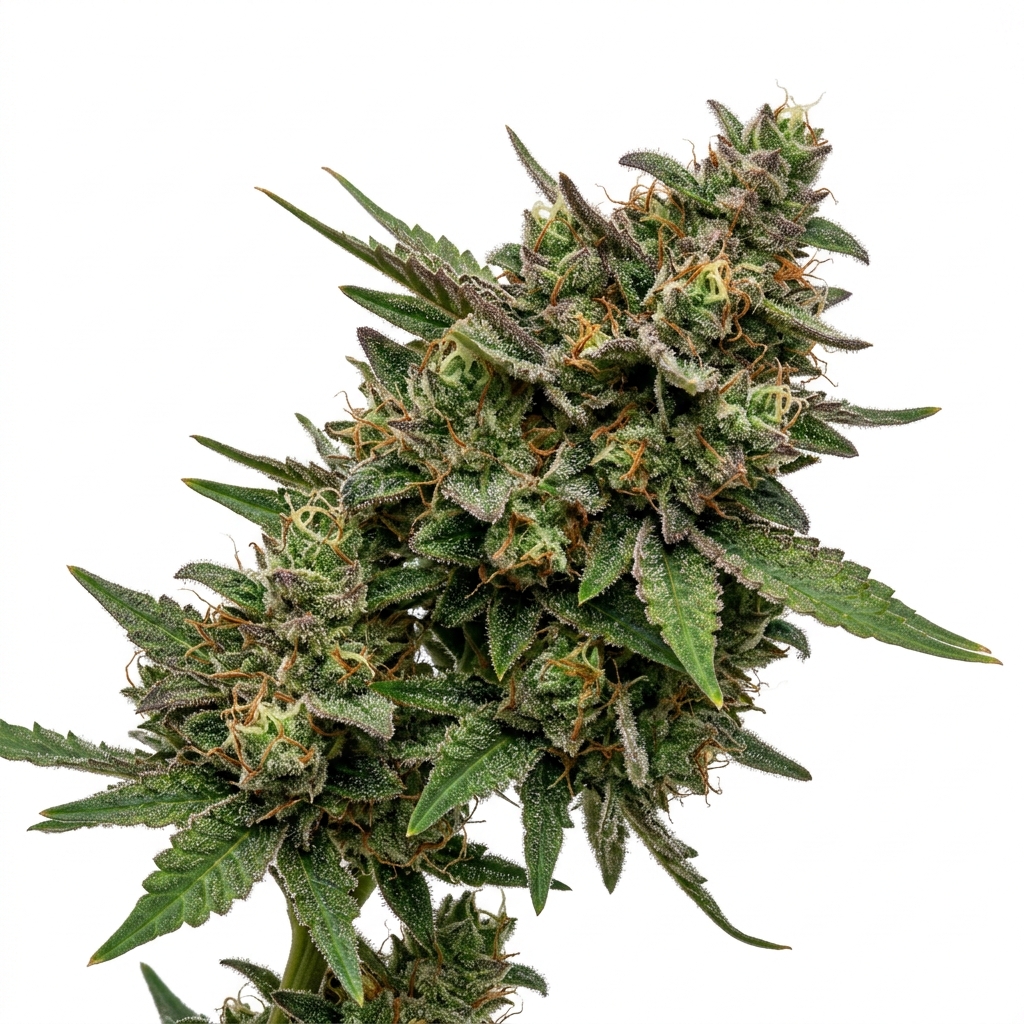
Grape Lobster is an indica-dominant hybrid cannabis cultivar bred by Cipher Genetics (founded by Christopher Lynch). Developed as part of Cipher’s celebrated 2024 line of Blue Lobster crosses, Grape Lobster pairs Grape Lyfe 29 (The Y × Grape Gas #29) with Blue Lobster (an elite selection of Apples and Bananas × Eye Candy / Facade popularized by Maine Trees). The cultivar has quickly earned acclaim in contemporary craft markets for its dessert-like blend of candied concord grape, dark berry syrup, and petrol funk, backed by robust resin production and dense, color-saturated floral clusters.
Strain Profile & Genetics
- Breeder: Cipher Genetics
- Genetics: Grape Lyfe 29 × Blue Lobster
- Type: Indica-dominant hybrid
- Seed Type: Feminized
- THC Range: Approximately 20% – 28%
- CBD Range: < 0.1% (negligible)
- Dominant Terpenes: Beta-Caryophyllene, Myrcene, Limonene
- Flowering Time: 53 – 65 days (depending on phenotype and cultivation method)
- Outdoor Harvest: Late September to early October
- Plant Structure: Bushy and compact with tight internodes and broad foliage
- Yield Potential: Medium to high
- Aroma: Concord grape soda, candied blueberries, creamy vanilla, and pungent fuel
- Flavor: Sweet grape candy, dark berries, and smooth diesel with subtle spice
- Mental Effects: Uplifting cerebral ease, mood enhancement, and calm focus
- Body Effects: Deep physical release, muscle easing, and soothing heaviness
- Resin & Extraction: Heavy glandular trichome coverage with notable solventless extract appeal
Appearance
In mature flowering form, Grape Lobster produces compact, stout floral clusters characterized by swollen calyxes and broad bract architecture. Foliage shades lean deep emerald and forest green, frequently showing intense violet and midnight-purple blushing that deepens toward late flower under cooler night cycles. Fiery amber-to-copper pistils twist tightly against the calyx walls, fully enveloped by a thick, shimmering blanket of capitate-stalked trichomes that give the flowers a frosted, crystalline texture.
Aroma & Flavor
The olfactory presence of Grape Lobster is loud and distinctly confectionery. Freshly broken flowers release waves of effervescent purple grape soda, candied blueberries, and ripe plums, anchored by a rich, buttery sweetness. Beneath the candy-forward top notes lies an assertive layer of pungent gas, earthy diesel, and subtle cracked black pepper inherited from its Grape Gas and Eye Candy ancestry. Upon combustion or vaporization, the palate mirrors the nose: sweet concord grape and creamy berry compote dominate the inhale, followed by a lingering exhale of smooth petrol and faint herbal musk.
Terpene Profile
Analytical testing from commercial batches and nursery distributions shows a terpene profile driven primarily by beta-caryophyllene, myrcene, and limonene, with minor contributions of linalool and humulene. Beta-caryophyllene supplies the subtle warm spice and diesel backbone while binding selectively to CB2 receptors. Myrcene contributes ripe fruit sweetness and synergizes with phytocannabinoids to promote physical ease, while limonene brightens the dark fruit bouquet with a hint of citrus sweetness.
Potency & Cannabinoids
Grape Lobster is a high-potency modern hybrid. Commercial certificates of analysis and commercial nursery profiles consistently document total THC levels ranging from 20% up to 28% in dry flower, with selected indoor craft harvests registering THCA concentrations near the 28% threshold. Minor cannabinoids such as CBGA (often between 0.5% and 1.0%) and CBC appear in trace quantities, while CBD remains minimal (typically below 0.1%), maintaining a strongly THC-forward chemotype.
Effects
Grape Lobster offers a layered experience that reflects its hybrid heritage, though individual responses naturally vary based on tolerance and dosage.
Mental Effects
Consumers frequently report an initial onset marked by a gentle euphoric lift and mental tranquility. While mood-elevating and mentally clearing, it generally avoids frantic cerebral stimulation, settling into a comfortable, content state of focus and creative relaxation.
Body Effects
As the session progresses, Grape Lobster’s indica lean becomes prominent. A warm physical softness typically spreads through the neck and shoulders, loosening muscular tension and easing full-body restlessness. In heavier quantities or during late-evening consumption, the physical relaxation gradually deepens into profound calm and drowsiness.
Cultivation Characteristics
Grape Lobster demonstrates robust vegetative vigor with classic broadleaf morphological traits. Plants naturally stay relatively bushy and compact, developing strong lateral branches with short internodal spacing. The cultivar responds favorably to early topping, low-stress training (LST), and trellised canopy management (SCROG), which helps ensure adequate light penetration and airflow to inner bud sites.
Indoor flowering cycles are brisk: commercial clone selections such as Haze Valley Nursery’s Grape Lobster #13 finish in approximately 53 to 56 days, while seed-grown phenotypes typically conclude between 55 and 65 days. Outdoor gardens in temperate or Mediterranean climates generally reach peak ripeness between late September and early October. Yields are medium to heavy when grown under dialed environmental conditions and moderate feeding regimens.
Lineage & Related Strains
Grape Lobster descends from a powerhouse genetic pedigree engineered by Cipher Genetics:
- Grape Lyfe 29: A proprietary cross of The Y × Grape Gas #29, known for delivering dense gas, intense grape notes, and vigorous branching.
- Blue Lobster: An elite cut selected by Maine Trees from Compound Genetics’ breeding of Apples and Bananas × Eye Candy (Facade), which won top honors at the 2023 East Coast Zalympix.
Popular identified selections include Grape Lobster #13 (selected by Haze Valley Nursery and propagated by licensed facilities such as HENDRX and CAM) and selections #3 and #4 featured in Pacific Northwest craft collections. A small number of unverified consumer strain aggregators historically conflated the name with an unrelated cross of Grape Ape × Lobster Butter; however, verified breeder catalog drops and licensed commercial producers confirm the true Cipher lineage of Grape Lyfe 29 × Blue Lobster.
Sources & Data Notes
Data compiled for this profile is sourced directly from Cipher Genetics seed release specifications, licensed nursery clone sheets (Haze Valley Nursery, HENDRX Farm), commercial dispensary certificates of analysis (Washington and California regulated markets), and commercial grow logs. Cannabinoid figures reflect standard compliant testing methodologies for cured whole flower.
Grape Lobster Summary
Grape Lobster by Cipher Genetics combines Grape Lyfe 29 and Blue Lobster into a modern, indica-dominant hybrid offering high potency (20% – 28% THC), a rapid 53 – 65 day indoor bloom window, and an exceptional bouquet of sweet grape soda, creamy berries, and earthy gas.