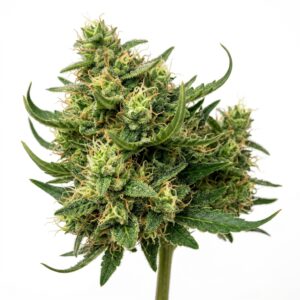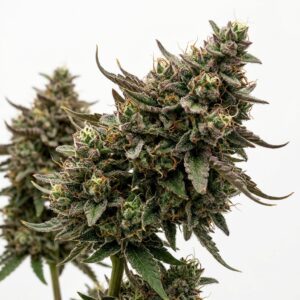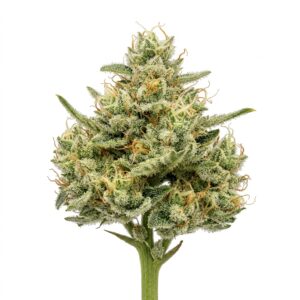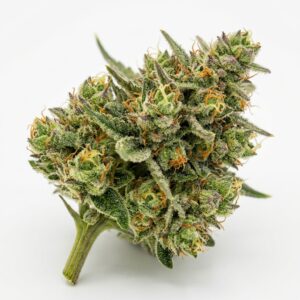
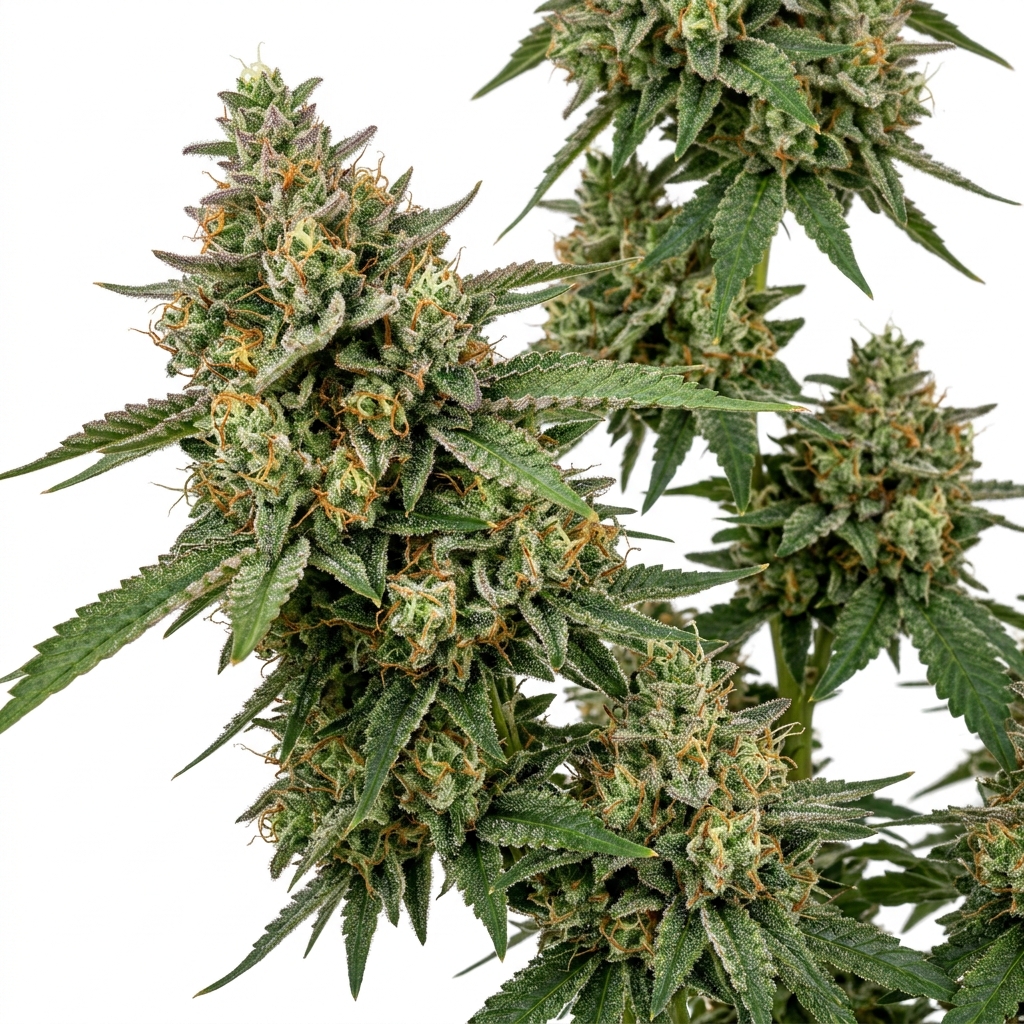
Sour Tea is a sativa-dominant hybrid cultivar celebrated for its bright, invigorating effects and distinctive organoleptic profile that bridges sharp fuel notes with aromatic, steeped herbal sweetness. Originating from modern American hybrid selections, the strain is created by crossing the iconic clone-only Sour Diesel with the dessert-leaning hybrid Sweet Tea. While commercial batches have achieved steady popularity through cultivators such as Michigan’s Glorious Cannabis Co. and Simpler Daze, the original breeder who first stabilized the cross remains undocumented in public pedigree records. Phenotypically, Sour Tea stands out for spear-shaped colas dense with trichome glands, providing an aromatic balance of zesty lemon, herbal tea botanicals, and sour fuel.
Strain Profile & Genetics
- Genetics: Sour Diesel × Sweet Tea
- Type: Sativa-dominant hybrid
- THC: 20% – 26.79% (reported across regional testing)
- CBD: < 1% (CBDA typically reported around 0.10%)
- Primary Terpenes: Limonene, Linalool, Beta-Caryophyllene
- Flowering Time: 63 – 70 days (9 – 10 weeks)
- Outdoor Harvest: Mid to late October (Northern Hemisphere)
- Plant Structure: Medium to tall vertical architecture with moderate vegetative stretch and spear-shaped colas
- Yield: Moderate to high
- Aroma: Tart citrus zest, brewed black tea, sour kerosene, and soft floral undertones
- Flavor: Crisp lemon-lime, steeped herbal tea, pungent diesel, and sweet earth
- Mental Effects: Uplifting, mentally clear, euphoric, creatively stimulating, and socially engaging
- Body Effects: Functional physical relaxation, gentle warming sensations, and mild tingling body buzz
- Resin & Extraction: Heavy glandular capitate-stalked trichome coverage yielding high terpene retention in solventless and hydrocarbon washes
Appearance
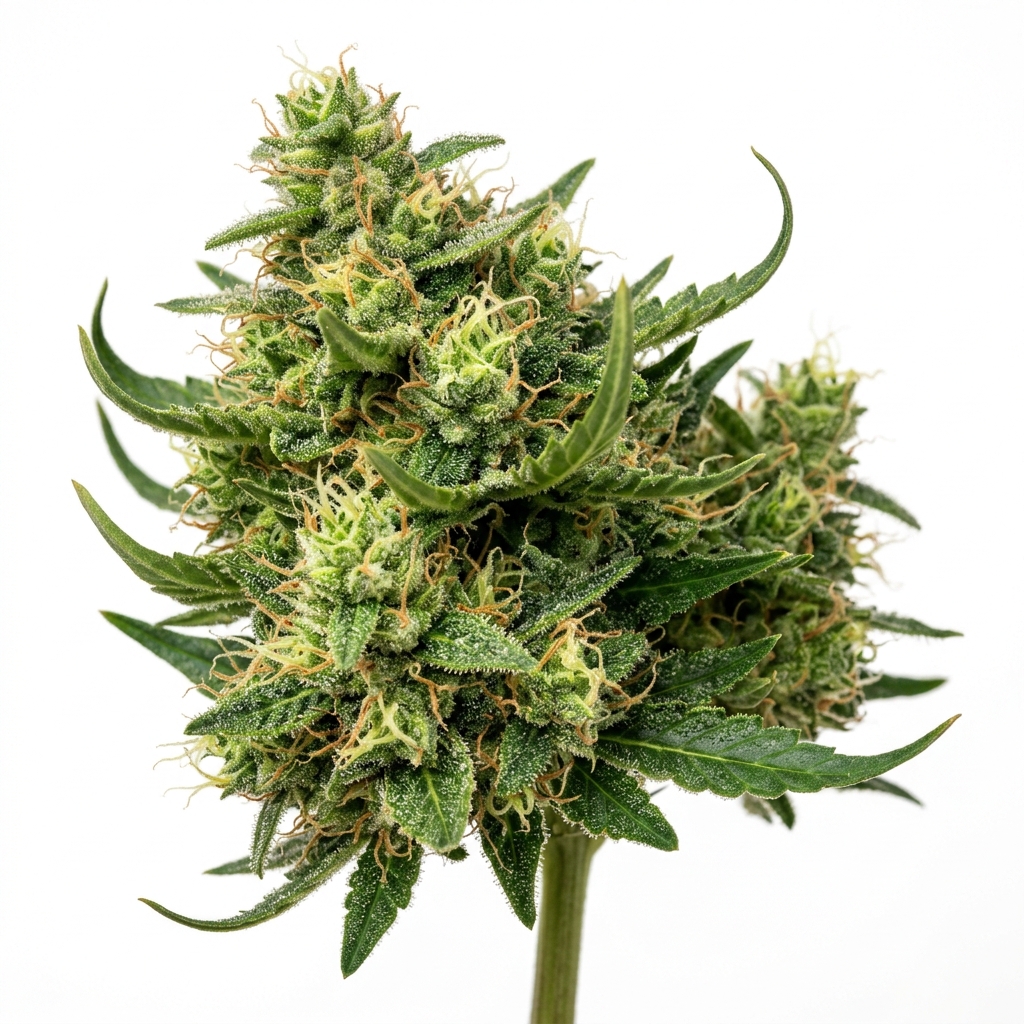
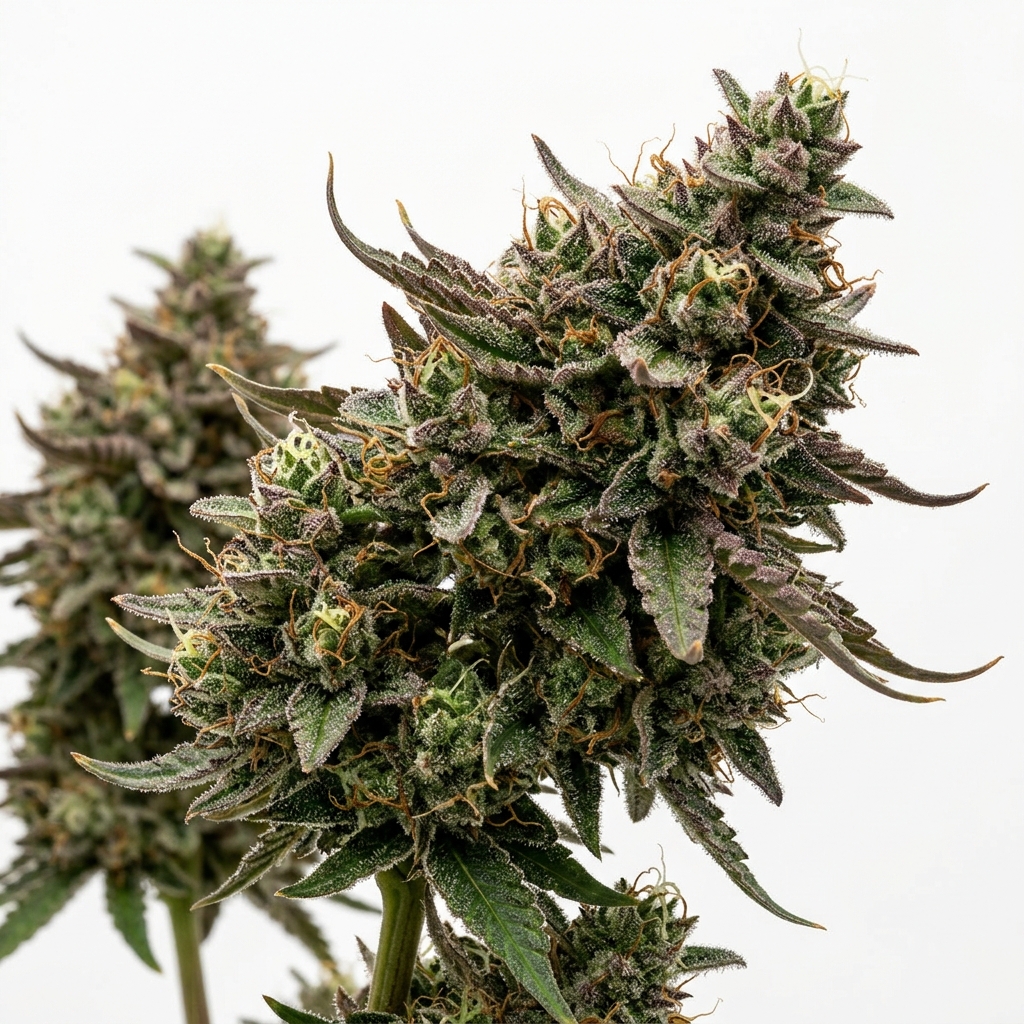
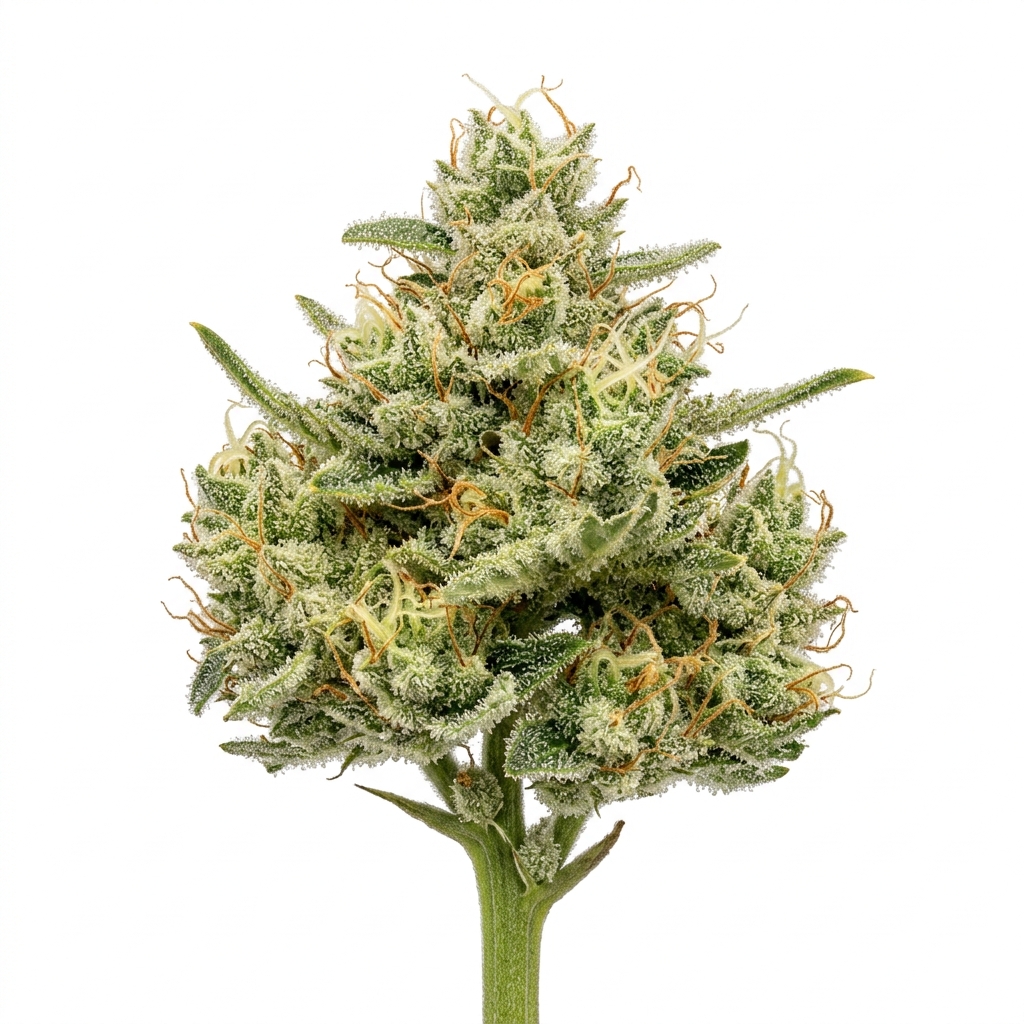
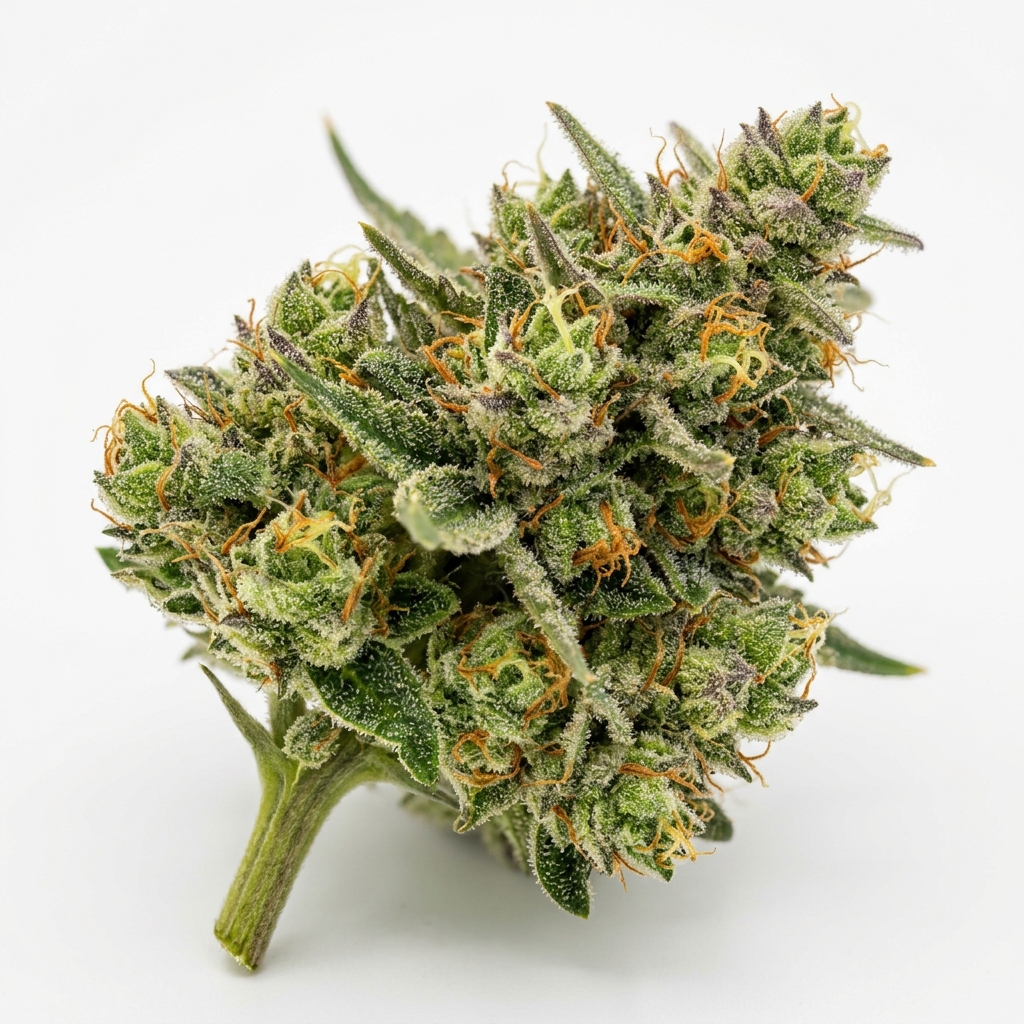
Sour Tea displays a classic hybrid floral architecture that leans toward the spear-like vertical formation of its Sour Diesel heritage. The inflorescences develop as dense, elongated clusters composed of vibrant emerald and moss-green bracts. Under cooler night cycles during the final weeks of flowering, calyxes frequently express faint lavender and plum accents. The bract clusters are interwoven with thin, fiery copper-to-orange pistils that curl tightly against the calyxes upon full senescence. A thick, crystalline layer of capitate-stalked glandular trichomes covers every bract and adjacent sugar leaf, lending the cured flowers a frosted, shimmering exterior with a noticeably sticky, resinous tactile texture.
Aroma & Flavor
The olfactory signature of Sour Tea is defined by an energetic contrast between astringent volatile hydrocarbons and delicate culinary herbs. Breaking apart a cured bud releases an immediate burst of pungent fuel and sour diesel, followed closely by bright citrus notes reminiscent of freshly grated lemon peel and makrut lime. As the aromatics develop, secondary nuances of steeped black tea, crushed mint, and dried lavender emerge, softening the sharp chemical edge.
On the palate, Sour Tea translates this aromatic profile into a multi-layered smoke. The initial inhalation brings brisk, tart citrus and sour gas, coating the tongue with an acidic brightness. On the exhale, the profile deepens into smooth, steeped herbal tea with faint sweet earth and floral undertones, leaving a lingering peppery and lemony finish.
Terpene Profile
Laboratory analytical data from regulated commercial batches demonstrates total terpene concentrations generally ranging between 1.85% and 2.33%. The terpene profile is spearheaded by three dominant compounds:
- Limonene (approx. 0.51%): Imparts bright lemon-citrus aromatics and plays a key role in the cultivar’s stimulating, euphoric onset.
- Linalool (approx. 0.45%): Contributes soft floral, lavender-like nuance and provides soothing sensory balance.
- Beta-Caryophyllene (approx. 0.38%): Supplies peppery spice and pungent fuel undertones while binding directly to peripheral CB2 receptors.
Complementary minor terpenes consistently identified in batch testing include humulene (0.13%), beta-myrcene (0.09%), beta-pinene (0.09%), caryophyllene oxide (0.06%), nerolidol (0.06%), alpha-pinene (0.05%), and alpha-bisabolol (0.03%), which together support the cultivar’s nuanced botanical tea bouquet.
Potency & Cannabinoids
Sour Tea is an intermediate-to-high potency cultivar primarily dominated by tetrahydrocannabinolic acid (THCA). Across botanical monographs and dispensary testing panels, dry-flower THC values commonly measure between 20% and 24%, with select commercial dispensary lots testing as high as 26.42% to 26.79% total active THC. In detailed laboratory profiling, representative cured batches show THCA concentrations reaching 30.35% alongside neutral Delta-9-THC at 0.18%.
The secondary cannabinoid spectrum features notable trace levels of cannabigerol precursors, with CBGA recorded up to 8.38 mg/g (approximately 0.84%) and neutral CBG at 0.89 mg/g. Neutral CBD and CBDA remain low, rarely exceeding 0.10%, maintaining a distinctly THC-dominant cannabinoid profile.
Effects
Consumer experiences with cannabis can vary substantially based on individual physiology, dosage, and tolerance. Reported effects are compiled from consumer evaluations and producer profiles.
Mental Effects
Consumers consistently report an uplifting, bright, and cerebrally stimulating onset that begins within minutes of inhalation. Sour Tea is frequently characterized as clear-headed and socially engaging, making it well-suited for daytime creative projects, conversational gatherings, or outdoor tasks. Rather than causing intense racy disorganization, its mental state is reported as alert, focused, and mood-elevating.
Body Effects
Alongside its cerebral lift, Sour Tea imparts a mild, functional physical buzz. Producers such as Glorious Cannabis Co. classify the cultivar under sensual, stimulating effect profiles, noting a warming somatic tingling that promotes body awareness without heaviness or couchlock. As the experience matures, muscle tension gently eases while physical energy remains intact.
Cultivation Characteristics
Sour Tea behaves with typical sativa-leaning hybrid vigor throughout both vegetative and generative phases. The plant exhibits medium to tall vertical growth and undergoes moderate internodal elongation during the initial three weeks of bloom. Cultivators recommend employing early low-stress training (LST), topping, or a Screen of Green (ScrOG) framework to manage apical dominance and promote an even, multi-topped canopy.
The indoor flowering phase concludes in 63 to 70 days (9 to 10 weeks). In temperate outdoor environments, harvest readiness arrives by mid to late October. The cultivar possesses moderate natural resistance against common environmental pathogens and powdery mildew, though ample air circulation is required during the final weeks of bloom due to the density of its central floral clusters. Under dialed nutritional regimens and optimal PPFD levels, yield potential ranges from moderate to high.
Resin & Extraction Characteristics
The morphology of Sour Tea’s glandular trichomes makes it a favored subject for hash makers and hydrocarbon extractors. The cultivar develops brittle, capitate-stalked heads that separate cleanly during mechanical agitation in ice water, yielding light-colored bubble hash that presses into aromatic live rosin. The balance of high limonene, linalool, and beta-caryophyllene translates into concentrates with exceptional terpene retention, capturing a sharp, sweet-and-sour herbal tea vapor profile.
Scientific & Botanical Overview
Botanically categorized as a complex Cannabis sativa L. hybrid, Sour Tea demonstrates the deliberate hybridization of chemotype I plants selected for elevated monoterpene and sesquiterpene synthesis. Its ancestral chemistry merges the volatile organosulfur compounds and sharp limonene content of the Chem/Diesel lineage with the linalool- and humulene-rich terpene profiles found in modern dessert crosses. The enzymatic pathway primarily channels geranyl pyrophosphate into THCA-synthase activity, with secondary divergence fueling CBGA accumulation without significant expression of CBD-synthase.
Lineage & Related Strains
The lineage of Sour Tea unites two distinct eras of American cannabis breeding:
- Sour Diesel (Mother/Clone line): A legendary clone-only cut tracing back to Chemdog and Northern Lights heritage, renowned for its fuel-dominant stench, intense cerebral stimulation, and vigorous vertical architecture.
- Sweet Tea (Pollen donor/Parent): A flavorful modern hybrid combining sweet, floral, and herbal tea aromatic qualities that soften the pungent sharpness of classic gas cultivars.
Related cultivars sharing overlapping genetic elements or sensory profiles include East Coast Sour Diesel, Sweet Tea, Tea and Crumpets, and Sun Tea.
Sources & Data Notes
Data compiled for this profile utilizes primary analytical batch testing from state-licensed testing facilities and dispensary certificates of analysis (Glorious Cannabis Co. / Simpler Daze / King of Budz Detroit), supplemented by regional cultivation monographs from Strainpedia. Because no single founding breeder holds a public, recognized patent or original seed release certificate for Sour Tea, the breeder trait is listed as not reliably established. Potency metrics reflect both published analytical surveys and individual commercial production runs.
Sour Tea Summary
Sour Tea is an aromatic sativa-dominant hybrid resulting from the pairing of Sour Diesel and Sweet Tea. Characterized by spear-shaped, trichome-laden flowers, the cultivar features an analytical THC profile typically between 20% and 26.79% alongside a terpene spectrum dominated by limonene, linalool, and beta-caryophyllene. Its sensory profile merges tart lemon and pungent kerosene with steeped herbal tea botanicals, delivering a clear-headed, uplifting mental focus supported by an energized, tingling body buzz.