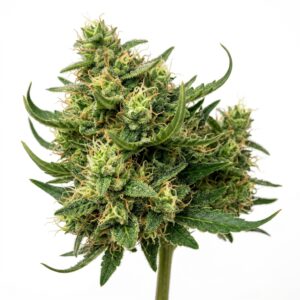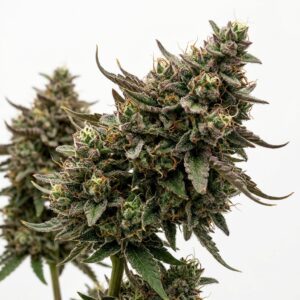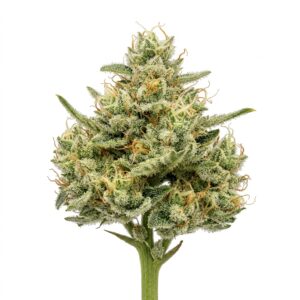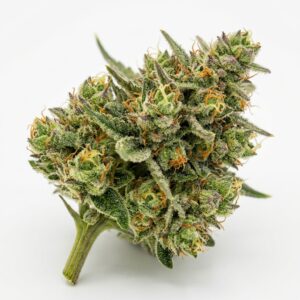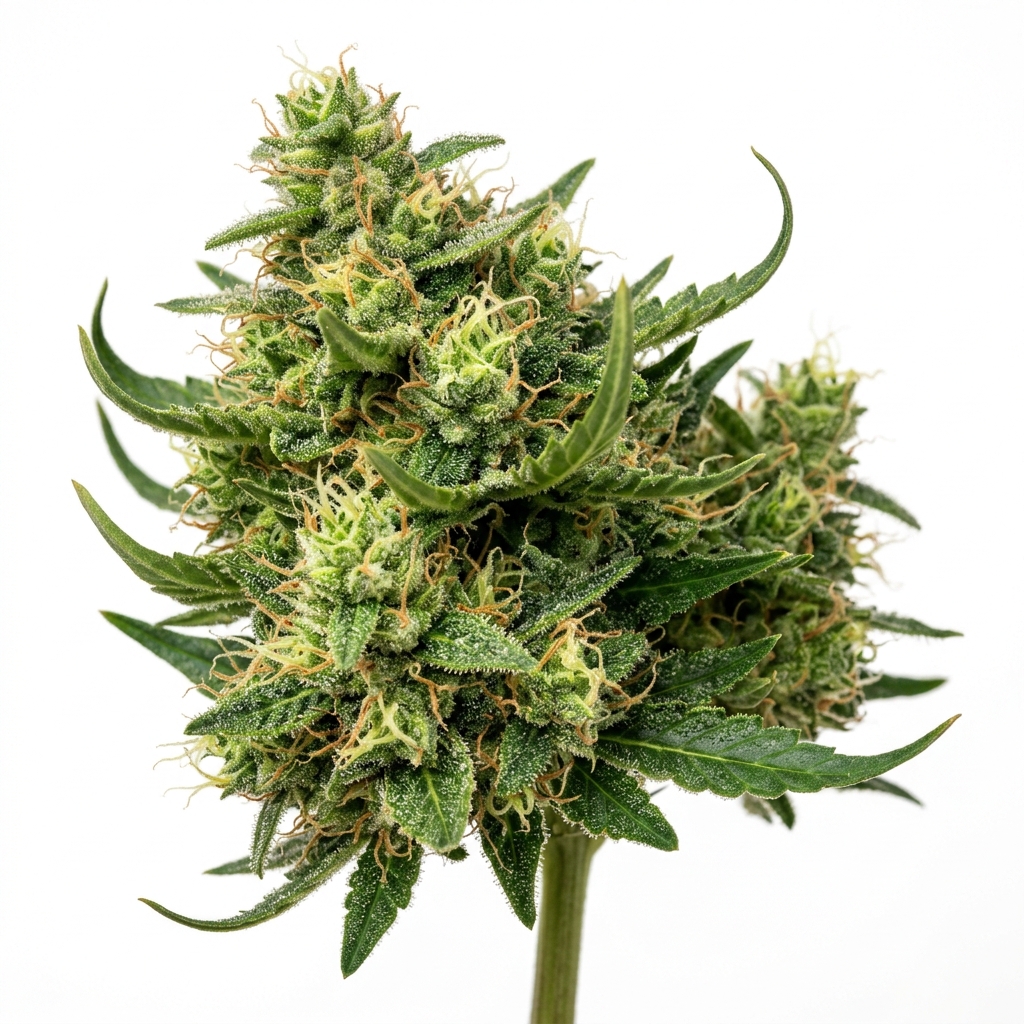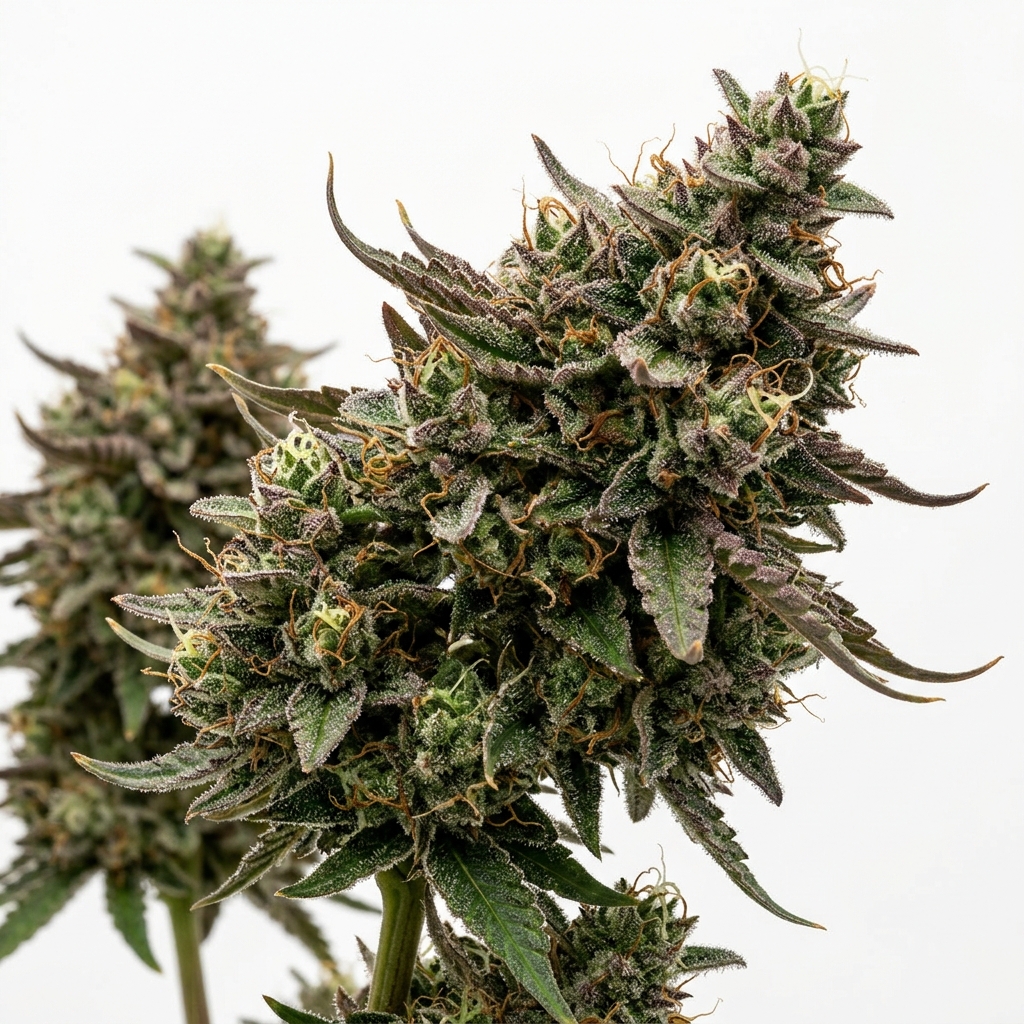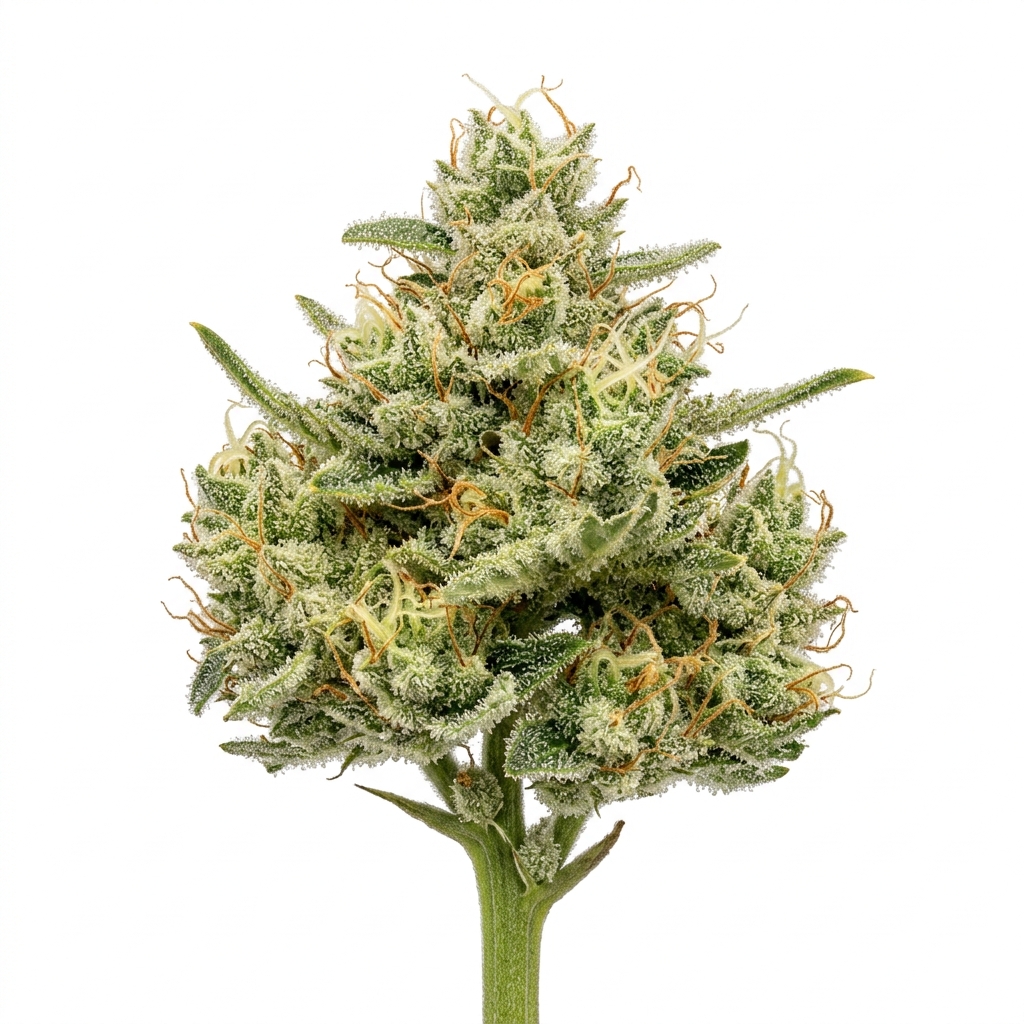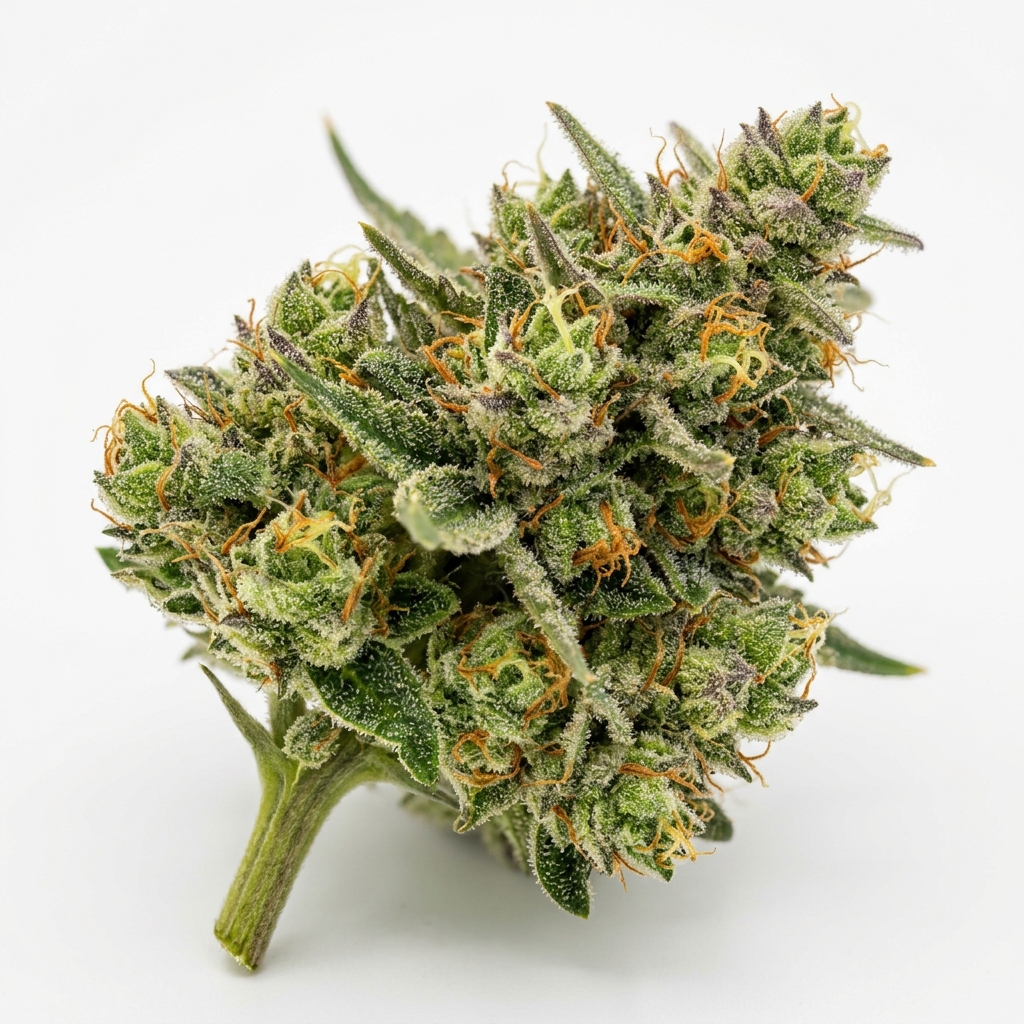
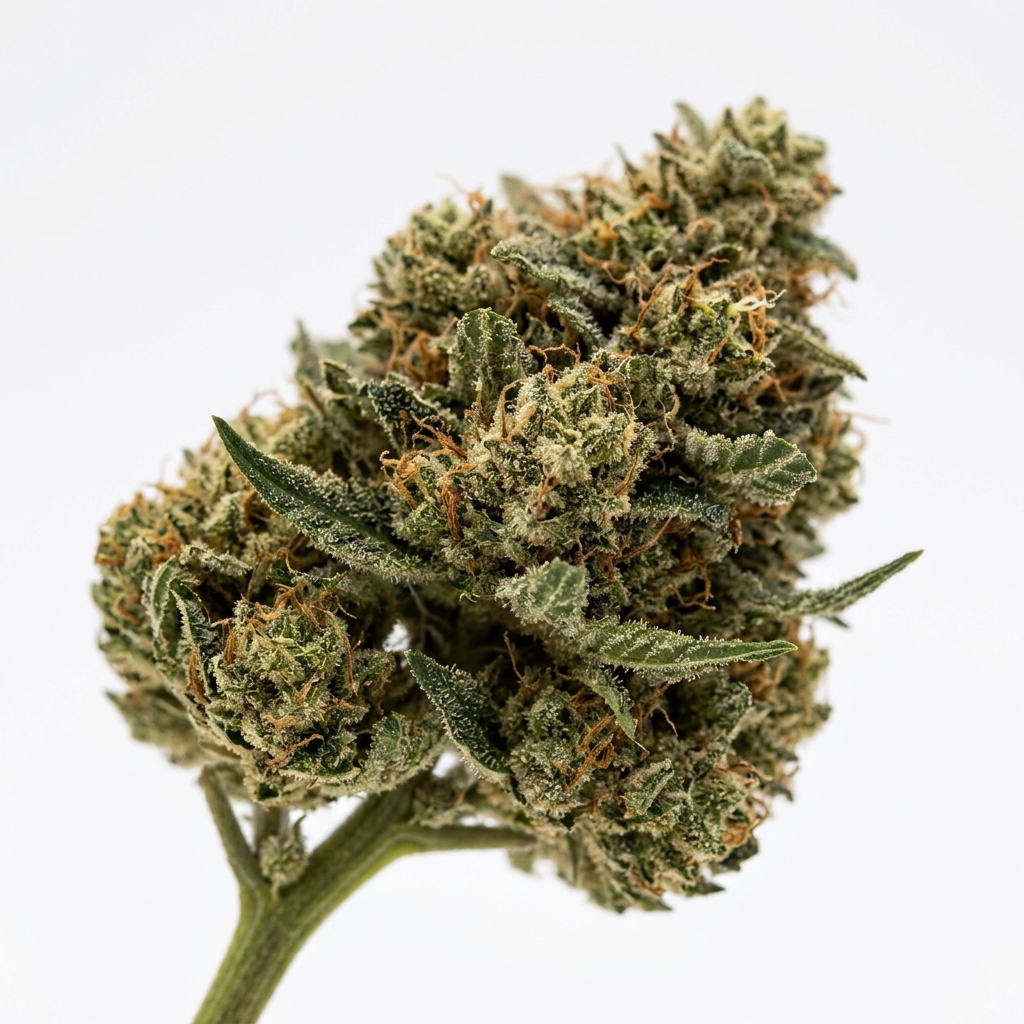
Wedding Fritter is an indica-dominant hybrid cannabis cultivar developed by pairing two celebrated modern cultivars: Wedding Cake (Triangle Kush × Animal Mints) and Apple Fritter (Sour Apple × Animal Cookies). Most commonly attributed to breeder Robin Hood Seeds and selected by contemporary craft producers, the strain combines dense calyx formation, vigorous resin production, and a layered aromatic profile that bridges earthy fuel, sweet pastry dough, and subtle fruit.
Strain Profile & Genetics
- Breeder: Robin Hood Seeds
- Genetics: Wedding Cake × Apple Fritter
- Type: Indica-dominant hybrid (commonly reported as approximately 60% indica / 40% sativa)
- THC Content: Reported baseline of 22% – 28% (commercial lab batches have tested between 25.82% total active THC and 29.30% THCa; up to 32.91% total THC reported in select retail lots)
- CBD Content: < 0.5% (negligible)
- Dominant Terpenes: β-Caryophyllene, Limonene, Linalool, α-Humulene, α-Pinene
- Flowering Time: 56 – 63 days (8 – 9 weeks)
- Plant Structure: Short to medium height, stout frame with bushy lateral branching and tight internodal spacing
- Yield Potential: Approximately 450 – 550 g/m² indoors
- Aroma: Pungent earthy funk, diesel fuel, skunk, warm spiced dough, and sweet vanilla
- Flavor: Earthy pine, skunk, pastry dough, sweet mint, and faint tart apple
- Mental Effects: Rapid onset, frontal cerebral pressure, euphoria, and mental calm
- Body Effects: Deep somatic tension release, physical heaviness, and late-onset sedation
- Resin & Extraction: High glandular trichome density with capitate-stalked heads, well-suited for solventless mechanical separation
Appearance
Wedding Fritter forms compact, spear-shaped to golf-ball-sized floral clusters that exhibit the dense structural traits of its Cookies and Kush ancestry. The inflorescences consist of tightly clustered, swollen bracts displaying shades of muted olive and forest green, occasionally developing deep purple accents when finished in cooler nighttime temperatures. The surface of each bud is obscured by a dense layer of glandular trichomes, which give the mature flowers a frosty, silvery sheen. Vibrant rust to burnt-orange stigmas twist tightly against the calyxes, providing a warm contrast to the pale resin blanket.
Aroma & Flavor
The sensory profile of Wedding Fritter leans strongly into pungent, earthy, and savory notes inherited from its ancestral OG Kush and Cookies lineages. Breaking open a cured flower releases an assertive blast of earthy fuel, skunky funk, and pine, backed by a sweet, buttery pastry richness reminiscent of baked goods. While fruit notes are secondary to the heavy fuel and dough, subtle hints of tart green apple and floral spice emerge upon agitating the ground material.
On inhalation, the vapor or smoke is dense and expansive, delivering strong flavors of damp earth, sweet pine, and sour fuel. The exhale introduces sweeter dimensions, characterized by creamy vanilla dough, hops, and a lingering peppery spice on the palate.
Terpene Profile
Analytical laboratory testing of commercial batches indicates a total terpene concentration typically falling between 1.8% and 2.3% or higher. The profile is spearheaded by a blend of sesquiterpenes and monoterpenes:
- β-Caryophyllene (approx. 0.63%): The primary terpene, imparting sharp cracked-pepper spice and earthy fuel notes while interacting with peripheral cannabinoid receptors.
- Limonene (approx. 0.50%): Contributes bright citrus zest, sweet lifting top notes, and rounds out the heavier musky aromas.
- Linalool (approx. 0.24%): Provides a delicate floral and lavender undertone that softens the profile’s sharp diesel edges.
- α-Pinene (approx. 0.20%): Introduces crisp forest pine and resinous sharpness.
- α-Humulene (approx. 0.20%): Adds earthy, woody, and herbal hop characteristics that synergize with caryophyllene.
Trace amounts of β-pinene (0.14%), nerolidol (0.05%), and β-myrcene (0.04%) are also documented in primary lab panels.
Potency & Cannabinoids
Wedding Fritter is a high-potency cultivar primarily dominated by tetrahydrocannabinolic acid (THCa). Baseline reference profiles report total THC concentrations between 22% and 28%. Certificate of Analysis (COA) data from licensed commercial cultivators (such as Sol Canna) document batches testing at 28.49% to 29.30% THCa alongside 0.64% to 0.84% Δ9-THC, yielding approximately 25.82% total active THC upon decarboxylation. Some retail lots have reported total THC testing up to 32.91%.
Secondary cannabinoid accumulation is highlighted by cannabigerolic acid (CBGa), which has been recorded at approximately 1.13% in commercial lab tests. CBD levels consistently register below 0.5%, making this an exclusively THC-forward variety with minimal cannabidiol expression.
Effects
Consumer-reported effects are subjective and vary depending on dosage, individual physiology, tolerance, and environment.
Mental Effects
Consumers typically report a rapid onset characterized by a noticeable sensation of pressure around the temples and forehead (often described as a “headband” effect). The initial mental phase is reported as uplifting and mildly euphoric, quieting racing thoughts without immediate cognitive fog. As the session progresses, focus gives way to a hazy, daydreamy mental state well-suited for passive entertainment or quiet evening reflection.
Body Effects
The physical experience begins as a warm easing of tension in the neck, shoulders, and extremities, gradually moving inward toward the core. Consumers frequently cite deep physical decompression, relief from bodily heaviness, and marked muscle relaxation. At elevated dosages, the physical calm transitions into pronounced sedation and couch-lock, leading many users to prefer this cultivar for late-evening or nighttime use.
Cultivation Characteristics
Wedding Fritter demonstrates a typical indica-dominant growth habit, forming short to medium-height plants with thick stalks and sturdy lateral branching. During the transition to flower, the cultivar exhibits a moderate vertical stretch of approximately 1.5× to 2× its vegetative height.
- Flowering Duration: Floral maturity is reached within 56 to 63 days (8 to 9 weeks) of a 12/12 light cycle indoors.
- Environmental Management: Because the strain produces dense, resin-packed calyx clusters, canopy airflow and strict humidity management are essential. Lowering relative humidity to 40%–45% during late bloom minimizes the risk of mold or botrytis inside the thick colas.
- Training & Feeding: The cultivar responds positively to early topping and low-stress training (LST). Strategic defoliation around day 21 and day 42 of bloom helps open light pathways to lower bud sites. Moderate nutrient feeding with balanced calcium and magnesium support during floral development is recommended.
- Yield: Indoor setups under optimized lighting generally yield between 450 and 550 g/m².
Resin & Extraction Characteristics
Both parent strains are renowned for their trichome production, and Wedding Fritter carries this trait forward. The cultivar develops dense carpets of capitate-stalked trichomes with fragile neck structures, allowing gland heads to detach cleanly during mechanical agitation. This makes Wedding Fritter an exceptional candidate for ice water extraction (bubble hash) and solventless live rosin, yielding aromatic, light-colored concentrates with high terpene retention.
Scientific & Botanical Overview
Botanically, Wedding Fritter is classified as a short-stature Cannabis sativa L. hybrid with phenotypic expression heavily dominated by broad-leaflet indica morphology. The floral anatomy is defined by compact, multi-calyx bract clusters that stack along secondary stems, limiting stem exposure. The glandular trichomes demonstrate substantial head-to-stalk ratios, with elevated concentrations of sesquiterpenes (β-caryophyllene, α-humulene) and monoterpenes (limonene, α-pinene) that serve naturally as plant defenses against herbivory and oxidative stress. The presence of elevated CBGa indicates active cannabinoid biosynthesis prior to full enzymatic conversion into THCa.
Lineage & Related Strains
Wedding Fritter exists within the broader lineage of contemporary dessert hybrids, drawing genetics from two cornerstone varieties:
- Wedding Cake (Pink Cookies): An indica-leaning cross of Triangle Kush and Animal Mints, contributing substantial calyx density, earthy vanilla undertones, and potent resin glands.
- Apple Fritter: Bred by Lumpy’s Flowers from a pairing of Sour Apple and Animal Cookies, contributing complex pastry sweetness, subtle tartness, and robust vegetative vigor.
- Related Cultivars: Close genetic relatives include Apple Cake, Apple Tart, Ice Cream Cake, and various backcrosses within the Animal Mints and Cookies genetic umbrellas.
Sources & Data Notes
Data compiled for Wedding Fritter is sourced from published lineage registries, commercial certificates of analysis (COAs) from state-licensed producers including Sol Canna, and dispensary lab databases. Where exact outdoor harvest dates and specific outdoor yield figures have not been validated across verified agronomic trials, they are marked as not reliably established to prevent unwarranted estimation.
Wedding Fritter Summary
Wedding Fritter is a stout, high-potency indica-dominant hybrid resulting from the combination of Wedding Cake and Apple Fritter. Characterized by an 8- to 9-week flowering time, laboratory-verified THC levels commonly exceeding 25%, and a terpene profile driven by caryophyllene and limonene, it offers an assertive aroma of earthy fuel, skunk, and sweet pastry dough accompanied by deeply relaxing physical effects.