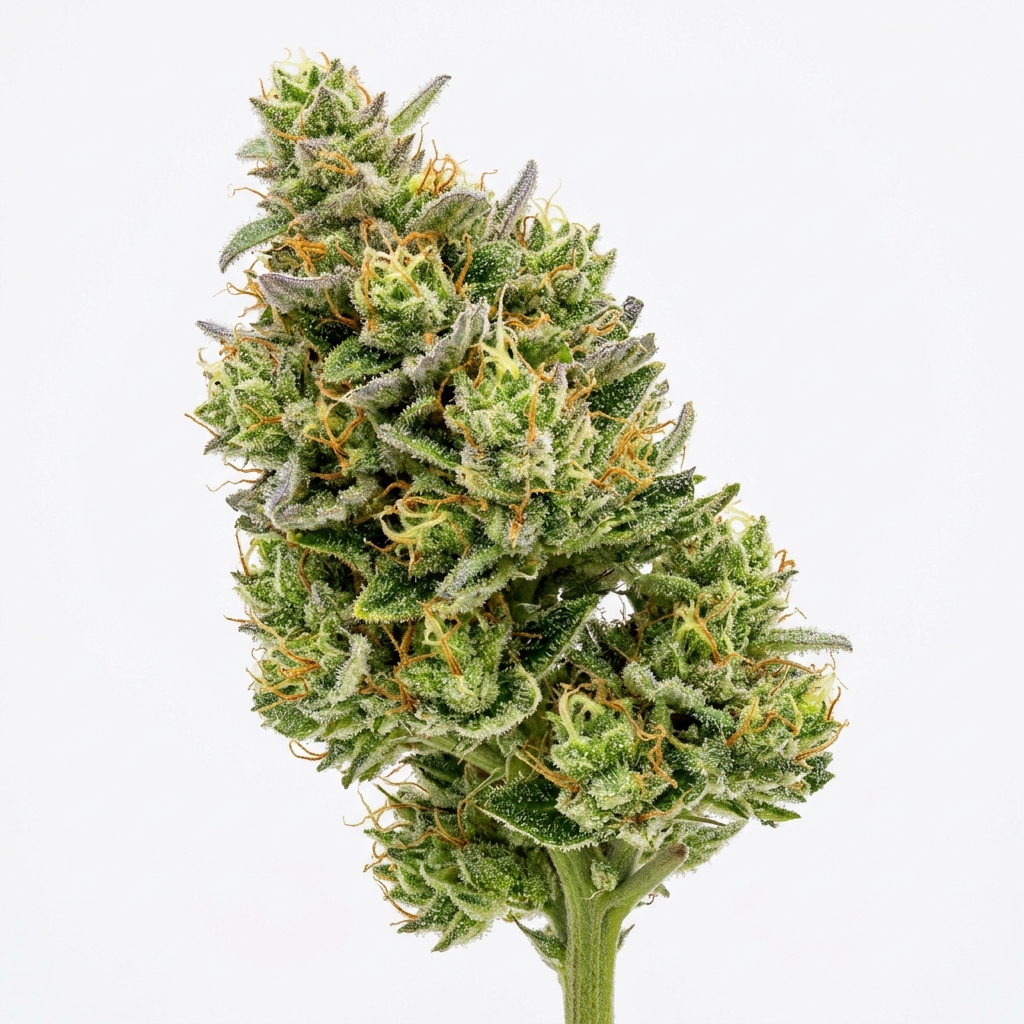
Blue Dream is a celebrated sativa-dominant hybrid cultivar that originated in Santa Cruz, California, during the early medical cannabis era around 2003. Renowned as a defining commercial standard in modern American cannabis, the cultivar was created by hybridizing DJ Short’s classic Blueberry line with a prominent Haze variety. Blue Dream is distinguished by its elongated, resin-coated floral clusters, pronounced aromas of ripe blueberry compote grounded by sharp herbal pine, vigorous vegetative growth, and a characteristically balanced experiential profile that blends mental clarity with functional physical ease.
Strain Profile & Genetics
- Breeder: Not reliably established (emerged anonymously as a clone-only cut within Santa Cruz medical collectives)
- Genetics: Blueberry × Haze
- Type: Sativa-dominant hybrid
- Indica / Sativa Ratio: Disputed (historically cited as 60% sativa / 40% indica in West Coast collective circles; commercial seed selections commonly specify 70% sativa / 30% indica)
- Seed Type: Originally clone-only; currently available in photoperiod feminized and regular seed formats from commercial seedbanks
- THC: 17%–24%
- CBD: < 1% (typically 0.1%–0.2% in standard chemotypes)
- Terpenes: β-Myrcene, α-Pinene, β-Caryophyllene, limonene
- Flowering Time: 63–70 days (9–10 weeks)
- Outdoor Harvest: Mid-October (Northern Hemisphere)
- Plant Structure: Tall, vigorous branching architecture with significant flowering stretch and heavy terminal cola development
- Yield: High (400–600 g/m² indoors; 600–3,000 g/plant outdoors under optimal conditions)
- Aroma: Sweet blueberry compote, candied fruit, citrus zest, herbal tea, pine
- Flavor: Ripe blueberry, floral sweetness, crisp pine, spicy haze undertones
- Mental Effects: Uplifting cerebral euphoria, lucid focus, creative motivation
- Body Effects: Gentle physical relaxation, somatic tension relief, non-sedating ease
- Resin & Extraction: Moderate to high capitate-stalked trichome coverage; widely utilized in hydrocarbon extraction, terpene capture, and distillate re-infusion
Appearance
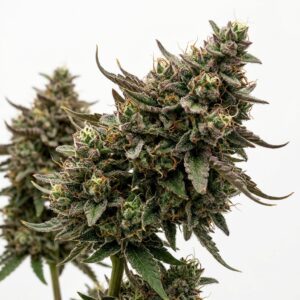
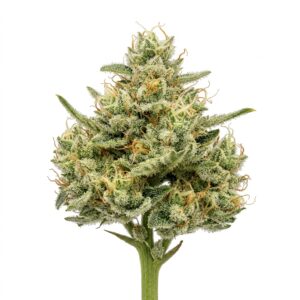
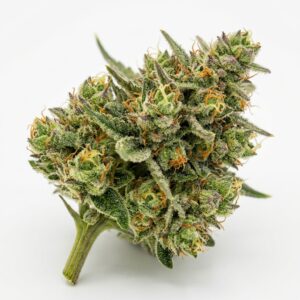
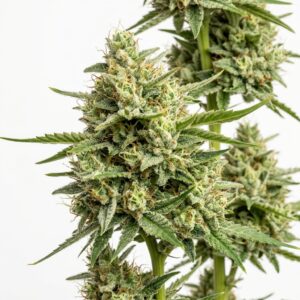
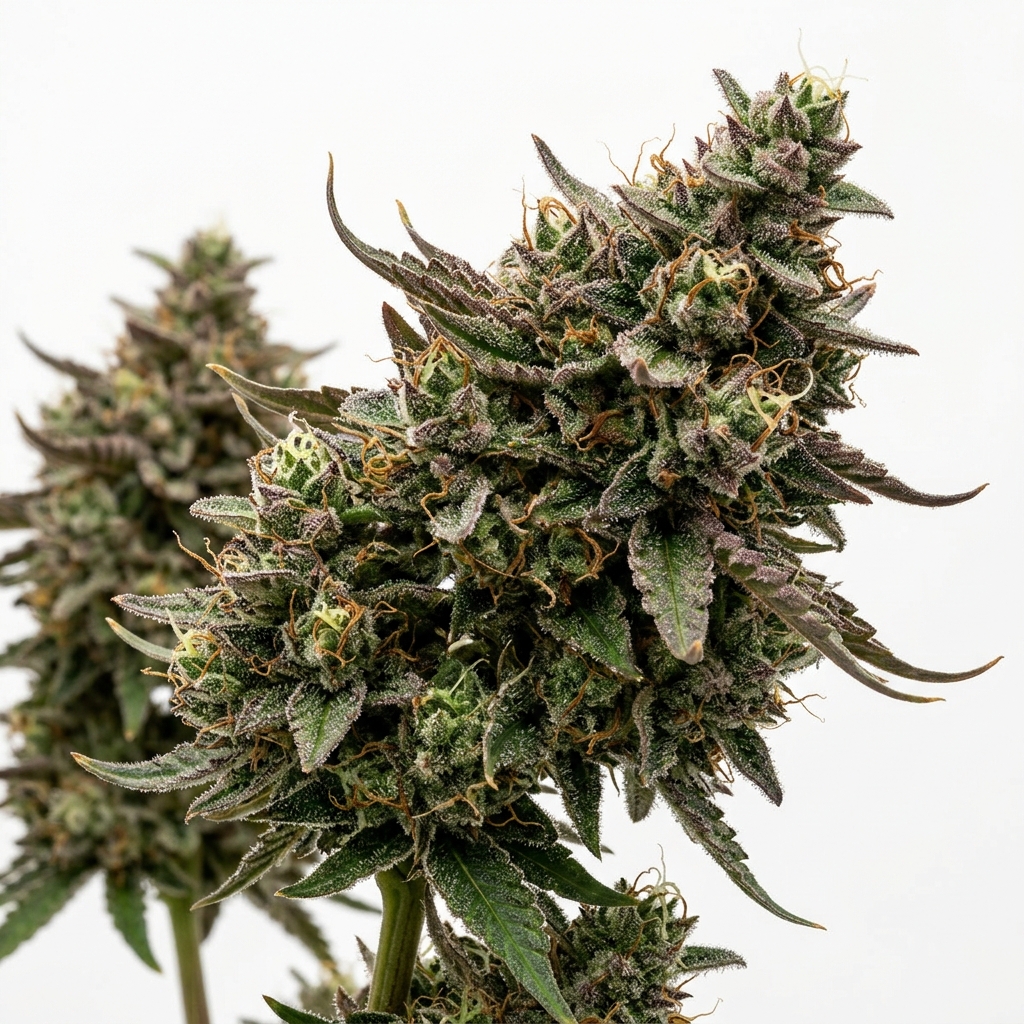
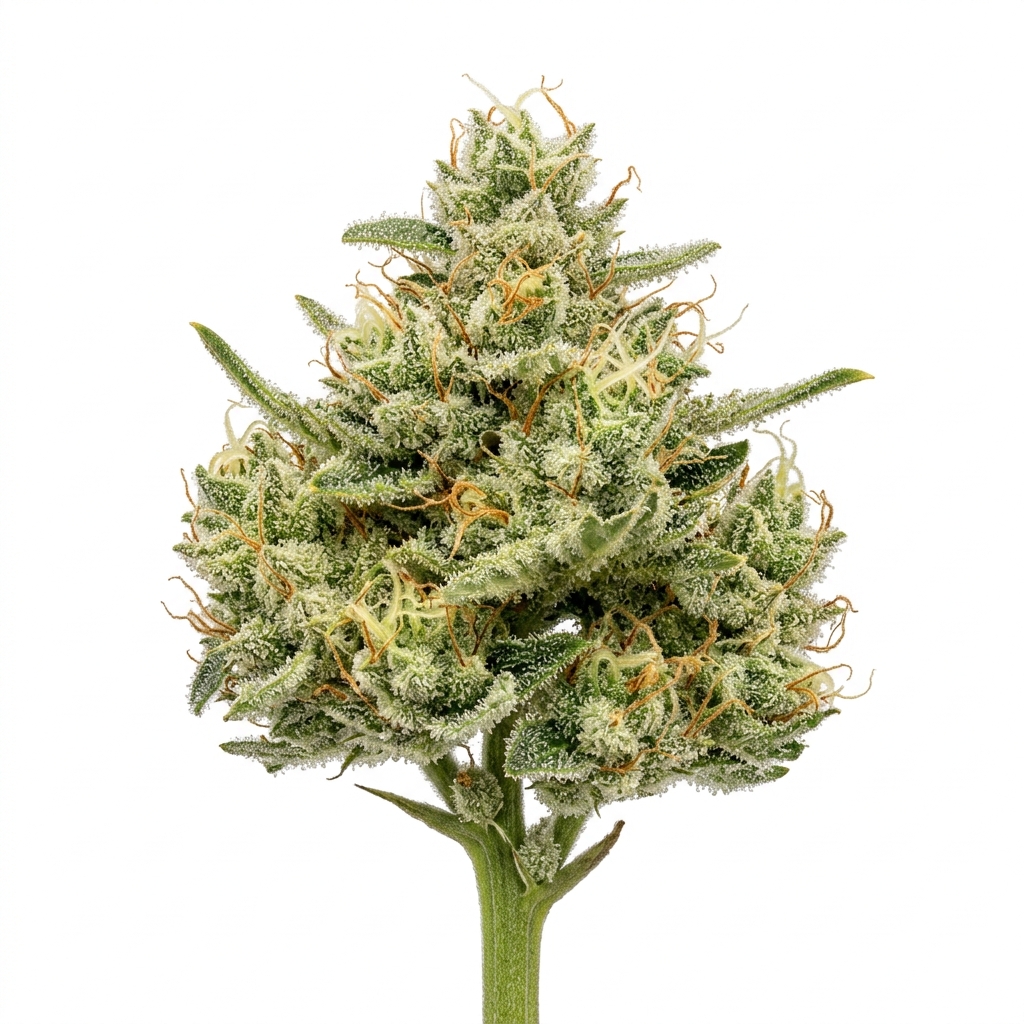
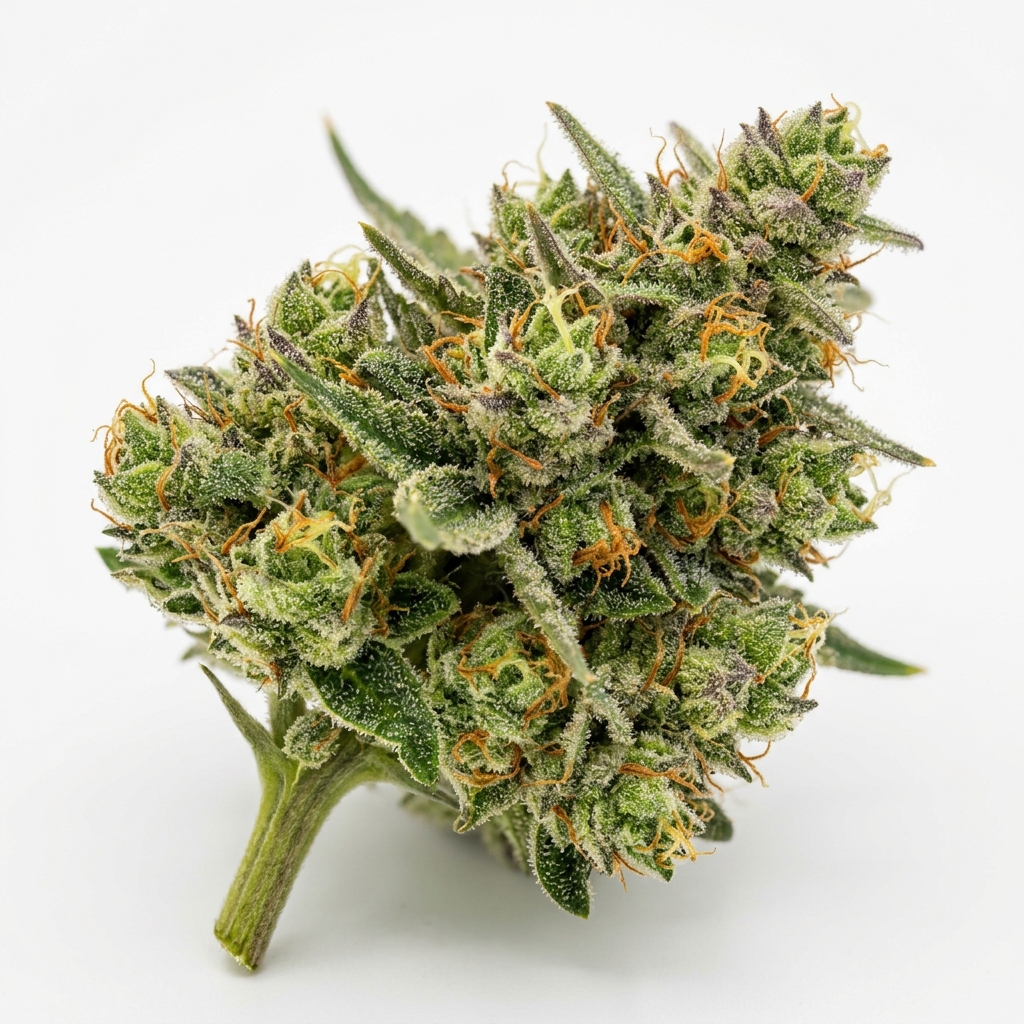
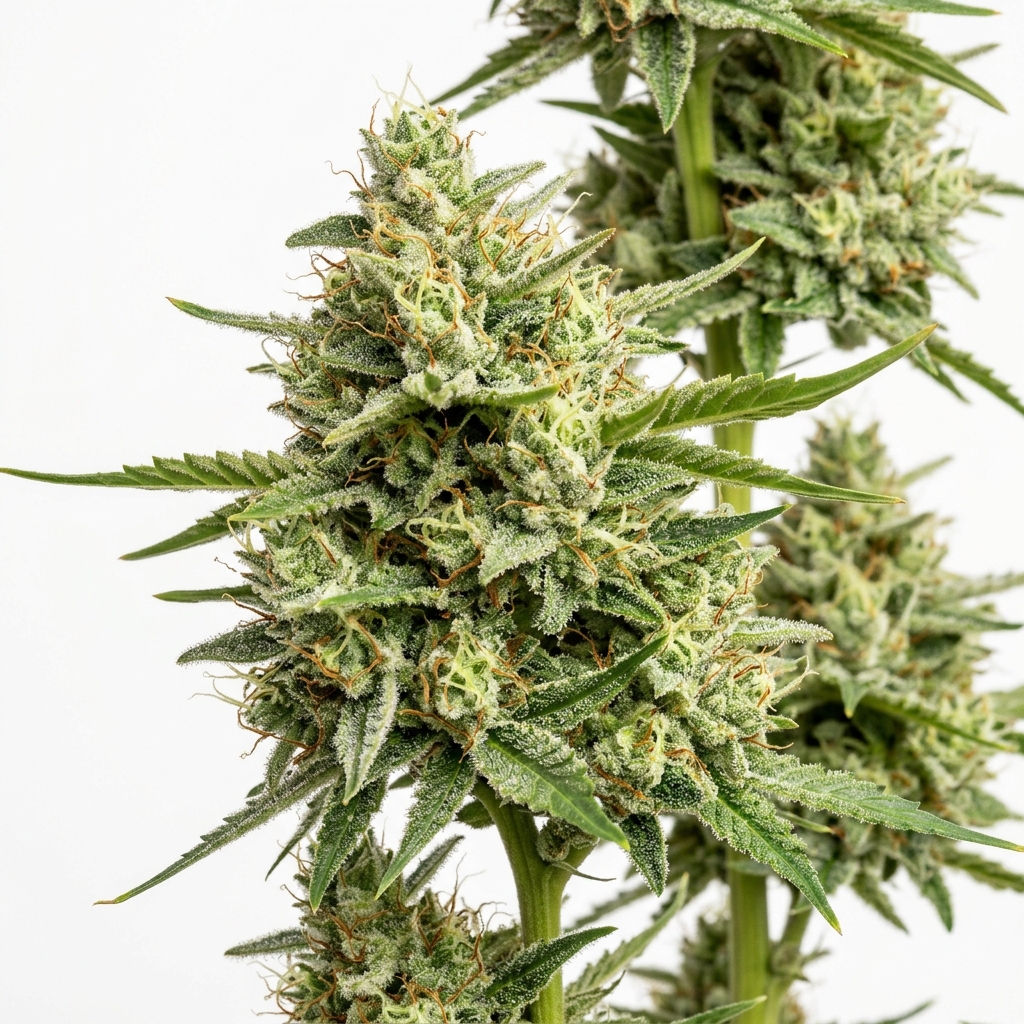
Blue Dream develops large, elongated, tapering floral clusters that exhibit a blend of loose sativa-leaning stretch and dense indica calyx stacking. The buds present a vibrant lime to forest green hue, heavily interspersed with thin, fiery amber-to-orange pistils that weave through the bracts. Under cooler nocturnal temperatures during the late flowering stage, the foliage and perigonal bracts can express subtle blue, lavender, or deep violet pigmentation inherited from its Blueberry ancestry. The entire floral surface is encased in a thick layer of glandular capitate-stalked trichomes that impart a frosted, crystalline sheen.
Aroma & Flavor
The organoleptic qualities of Blue Dream are famously fruit-forward. Freshly handled flowers release a prominent fragrance of ripe, sugary blueberries and candied summer fruit, underpinned by an herbaceous freshness reminiscent of pine forests and sweet tea. Upon combustion or vaporization, the initial inhale carries a clean, sweet blueberry flavor with gentle floral nuances. As the vapor clears, secondary notes of spicy cedar, earth, and traditional herbal Haze emerge on the palate, leaving a lingering, lightly peppery and sweet berry finish.
Terpene Profile
Analytical testing of verified Blue Dream samples indicates a total terpene concentration generally ranging between 1.5% and 2.5% dry weight. The profile is predominantly anchored by β-myrcene, which routinely represents 40% to 50% of the total terpene content (approximately 0.5%–0.8% of dry flower weight). The sharp pine character and perceived mental lucidity are driven by secondary concentrations of α-pinene (typically 0.2%–0.4%), supported by the spicy, peppery sesquiterpene β-caryophyllene (0.2%–0.4%) and refreshing notes of d-limonene (0.1%–0.2%). Minor fractions of humulene and linalool frequently appear in supporting concentrations.
Potency & Cannabinoids
Blue Dream exhibits a classic Chemotype I cannabinoid profile dominated by tetrahydrocannabinolic acid (THCA). Routine laboratory testing across legal state markets demonstrates a typical total THC concentration between 17% and 24% by dry weight, with select phenotypes and finely dialed crops clustering around 18% to 22%. Cannabidiol (CBD) levels remain low in standard cuts, generally measuring below 1% (frequently between 0.1% and 0.2%). Minor secondary cannabinoids regularly include cannabigerolic acid (CBGA) between 0.2% and 0.9%, along with trace concentrations of cannabichromene (CBC) and tetrahydrocannabivarin (THCV).
Effects
Reported subjective effects are sourced from consumer feedback and observational accounts; responses vary depending on dosage, tolerance, and individual physiology.
Mental Effects
Consumers frequently report an immediate, cerebral onset marked by a clear-headed, uplifting euphoria. Rather than inducing cognitive disorientation or racy nervousness, Blue Dream is widely noted for fostering calm focus, creative stimulation, and elevated mood, making it a popular option for daytime activity and social engagement.
Body Effects
The initial cerebral stimulation transitions smoothly into gentle somatic relaxation. The body sensation is characterized by the release of physical tension and muscular ease without the heavy, couch-locking lethargy associated with pure indica lineages, enabling consumers to remain functional throughout the duration of the experience.
Cultivation Characteristics
Blue Dream is celebrated by commercial and domestic cultivators for its robust vigor, high yield potential, and rapid root establishment. The plant displays rapid vegetative growth with long internodal spacing and undergoes substantial stretch during the first three weeks of the photoperiod shift, often doubling in overall height. Indoor specimens routinely reach 130 to 180 cm, while unrestricted outdoor plants grown in deep soil can exceed 3 to 4 meters in height and breadth.
To manage the significant vertical stretch and support the weight of heavy terminal colas, cultivators universally recommend trellising or the Screen of Green (SCROG) training technique. Indoor flowering periods average 63 to 70 days (9 to 10 weeks). Outdoor crops grown in temperate or Mediterranean climates typically finish in mid-October in the Northern Hemisphere. While relatively forgiving of environmental fluctuations and nutrient demands, Blue Dream’s dense floral architecture and genetic lineage make it moderately susceptible to powdery mildew and late-bloom Botrytis cinerea (bud rot), demanding diligent airflow, strict canopy pruning, and late-flower relative humidity controlled between 40% and 50%.
Resin & Extraction Characteristics
The inflorescences of Blue Dream produce copious capitate-stalked glandular trichomes, yielding an ample coating of volatile resin. The cultivar’s elevated monoterpene fraction, rich in myrcene and pinene, has made it a historical favorite for hydrocarbon extraction (BHO) and live resin production, where its signature berry profile is readily concentrated. In solventless ice water extraction, trichome heads generally exhibit moderate mechanical separation efficiency; while not yielding at the highest commercial tiers of specialized hash cultivars, the resulting rosin captures an authentic, sweet terpene spectrum.
Scientific & Botanical Overview
Taxonomically, Blue Dream represents an advanced polyhybrid combining broad-leaf drug (BLD / Afghanica) and narrow-leaf drug (NLD / Sativa) genetic groups. The maternal lineage contributes dense calyx grouping and rapid resin initiation, while the paternal Haze heritage introduces extended internodal branching, prolonged apical dominance, and narrow foliar serration. Genetically, the cultivar is fixed for active THCA synthase expression, directing virtually all primary cannabinoid biosynthesis into THCA with negligible native CBDA synthase activity.
Lineage & Related Strains
The maternal parent of Blue Dream is DJ Short’s Blueberry, an indica-dominant line developed in the late 1970s and early 1980s by crossing Oaxacan Highland and Thai sativas with an Afghani indica. The paternal parent is a Haze cultivar, traditionally identified as either Santa Cruz Haze or Super Silver Haze depending on the historical account. Blue Dream has served as foundational breeding stock for multiple modern cultivars, including Double Dream (Blue Dream × Dream Star), Blue Magoo, and deliberate backcrosses such as Azure Haze (developed by DJ Short using a Silver Haze male) and dedicated high-cannabidiol iterations like Blue Dream CBD.
Sources & Data Notes
Historical documentation confirms that Blue Dream first gained prominence as an unpatented clone-only cultivar in Santa Cruz, California, during the early 2000s medical dispensary expansion under California Proposition 215. Because no individual breeder formally stepped forward to claim primary ownership at the time of federal prohibition, origin accounts remain collective rather than singular. Furthermore, while original California dispensary cuts leaned 60/40 sativa-to-indica, subsequent commercial seed bank releases (such as Humboldt Seed Organization) selected stabilized variants displaying a 70/30 sativa bias and varying Haze parental lineages. Cannabinoid figures reflect standard compliance certificates of analysis (COAs) across licensed retail testing programs.
Blue Dream Summary
Blue Dream stands as one of the most enduring and commercially successful cultivars in modern cannabis history. Combining the sweet berry terpene architecture of Blueberry with the invigorating clarity and structure of Haze, it delivers consistent yields of trichome-laden floral colas, testing between 17% and 24% THC with a distinct myrcene- and pinene-dominant chemical footprint.