Peanut Butter Muffin is a hybrid cannabis cultivar known for combining savory, roasted-nut aromas with sweet bakery notes and citrus-diesel undertones. In contemporary cannabis markets, the cultivar appears under two distinct genetic lineages: a widely distributed commercial line bred from PB Soufflé and Modified Muffins, and an artisanal cross between Peanut Butter Breath and Blueberry Muffin. Depending on the specific parental line and grower phenotype, it is presented either as an energizing, sativa-leaning hybrid or a soothing, indica-leaning cultivar.
Strain Profile & Genetics
Due to the circulation of multiple independent crosses under the same moniker, core agronomic and genetic classifications for Peanut Butter Muffin are divided across distinct breeding pathways. The primary commercial iteration found in state-regulated markets is propagated from PB Soufflé (Do-Si-Dos × Lava Cake) and Modified Muffins (GMO × Blueberry Muffin). Conversely, specialized botanical listings document an alternative pedigree combining Peanut Butter Breath (Do-Si-Dos × Mendo Breath F2) with Blueberry Muffin (Razzleberry × Purple Panty Dropper).
- Genetics: Disputed (PB Soufflé × Modified Muffins versus Peanut Butter Breath × Blueberry Muffin)
- Type: Disputed (Categorized as a sativa-dominant hybrid in commercial releases; categorized as an indica-dominant hybrid in botanical literature)
- Indica/Sativa Ratio: Disputed (Sativa-leaning in commercial dispensary cuts; approximately 60% indica / 40% sativa in alternative documentation)
- THC Content: Disputed (Typically tests in the high 20s to low 30s percent range in commercial batches; reported at 22%–26% in alternative profiles)
- Dominant Terpenes: Limonene, Caryophyllene, Humulene
- Flowering Time: Disputed (Reported at 56–63 days for the Peanut Butter Breath cross; not reliably established for commercial clones)
- Plant Structure: Broad fan leaves, tight internodes, robust lateral branching (reported)
- Aroma: Nutty, sweet baked goods, citrus zest, earthy spice, subtle chem funk
- Flavor: Roasted peanut, sweet pastry, citrus peel, herbal gas
- Mental Effects: Uplifting cerebral stimulation, creative focus, clear mood elevation (reported/subjective)
- Body Effects: Physical ease, soothing muscular relaxation (reported/subjective)
Appearance
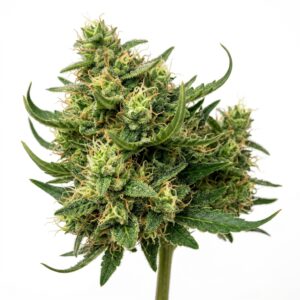
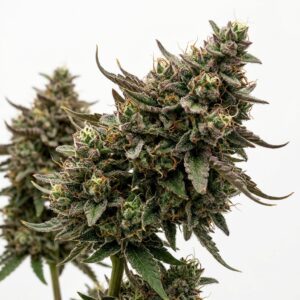
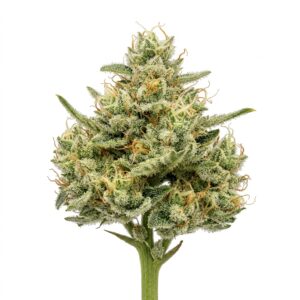
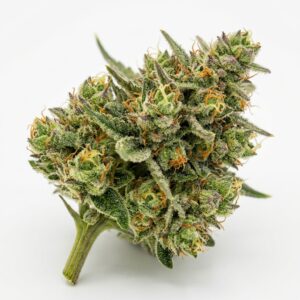
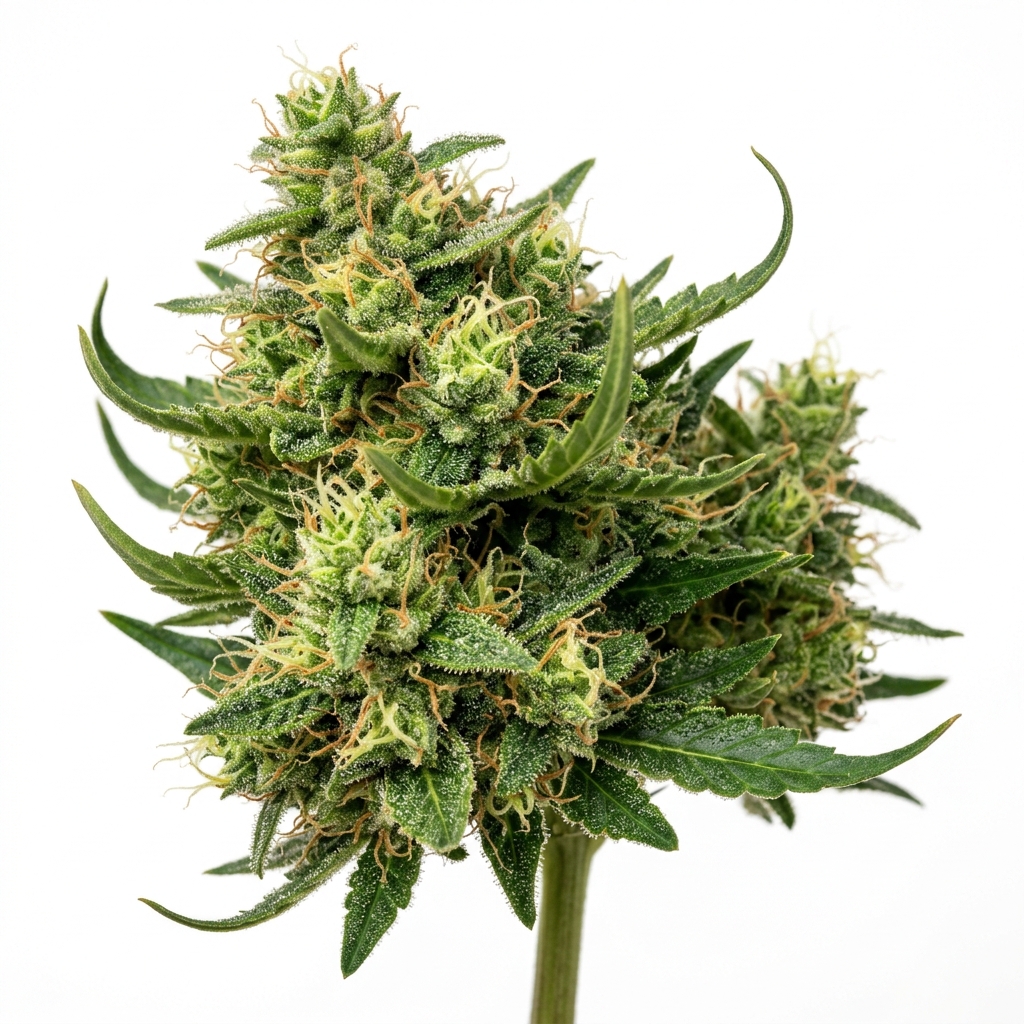
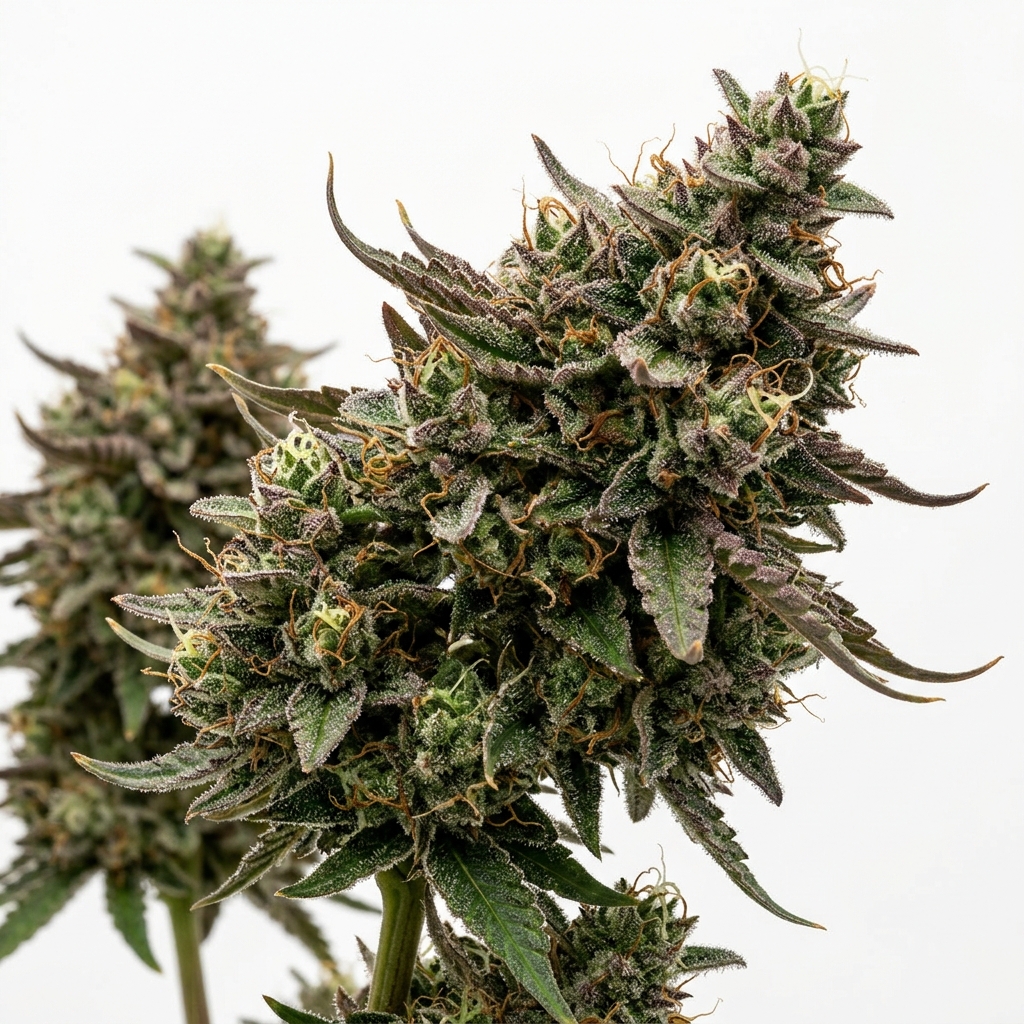
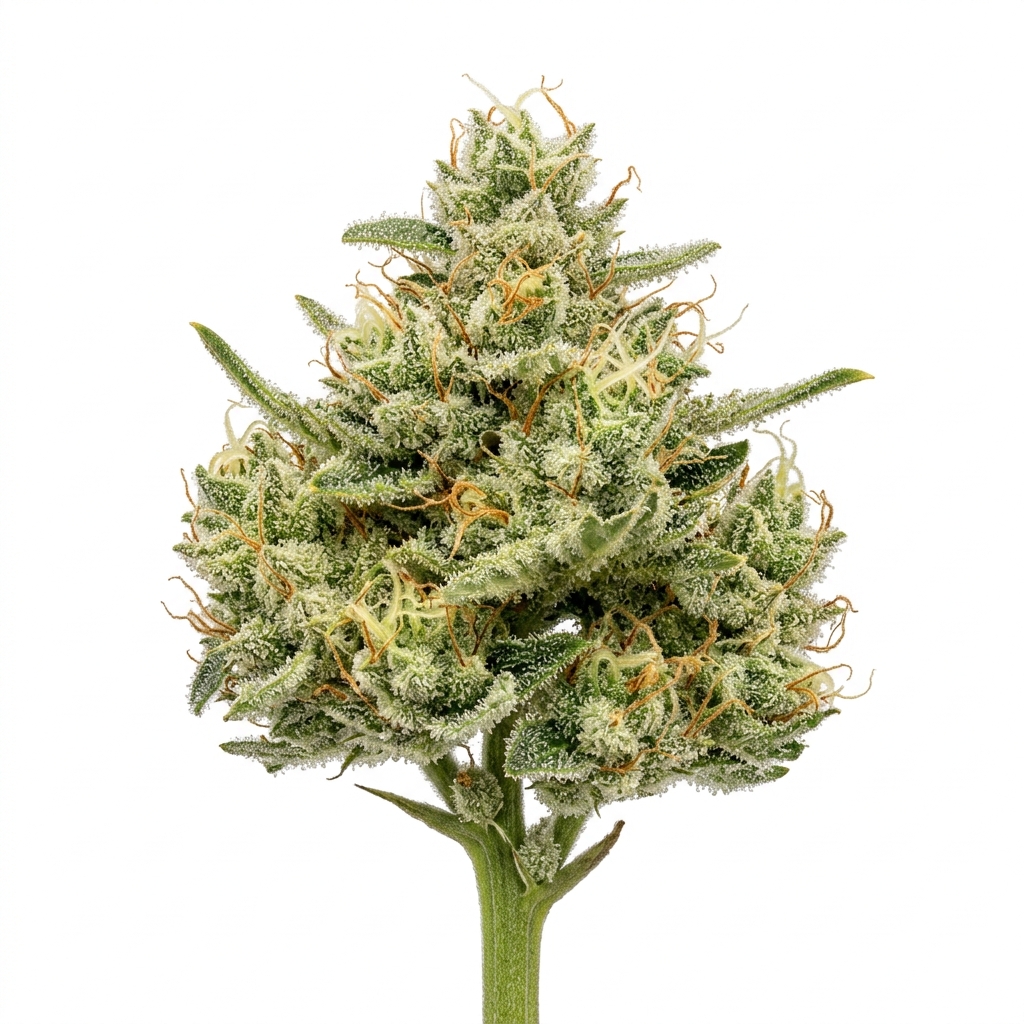
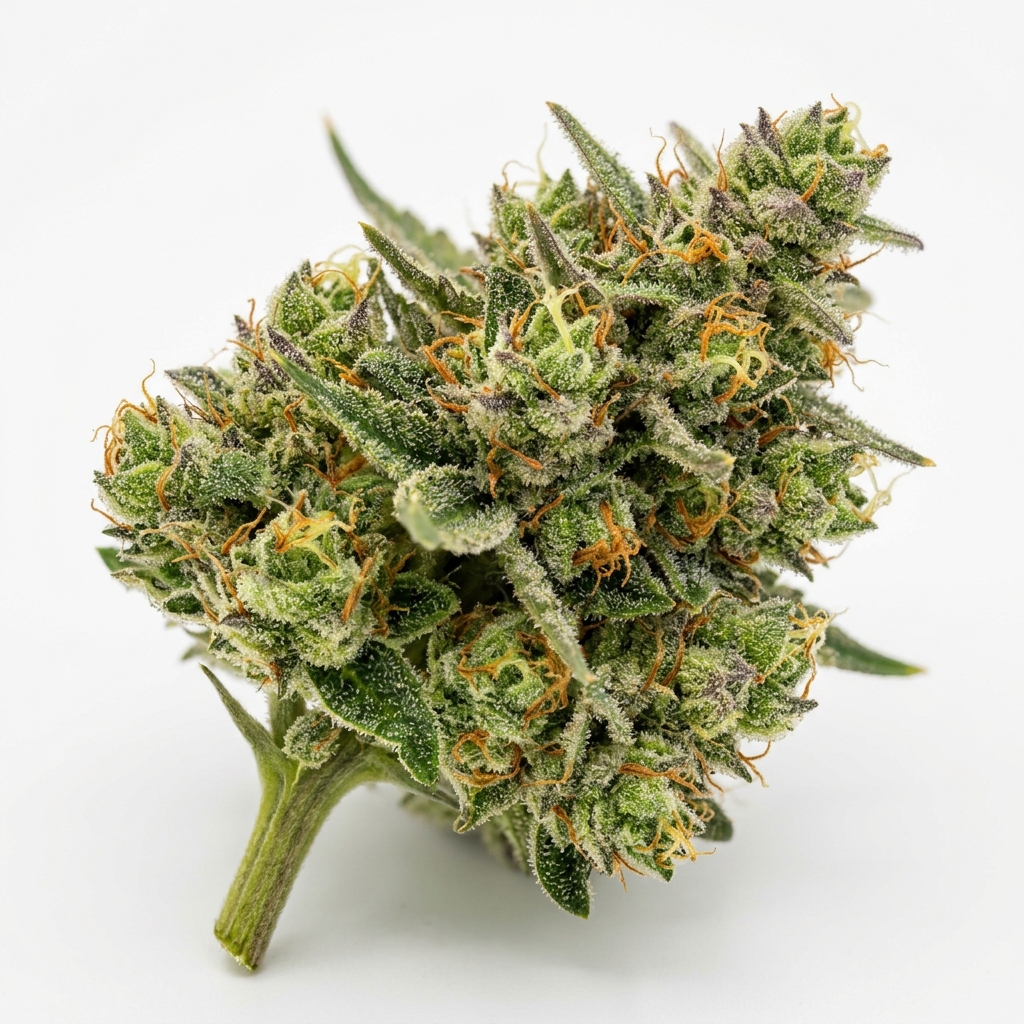
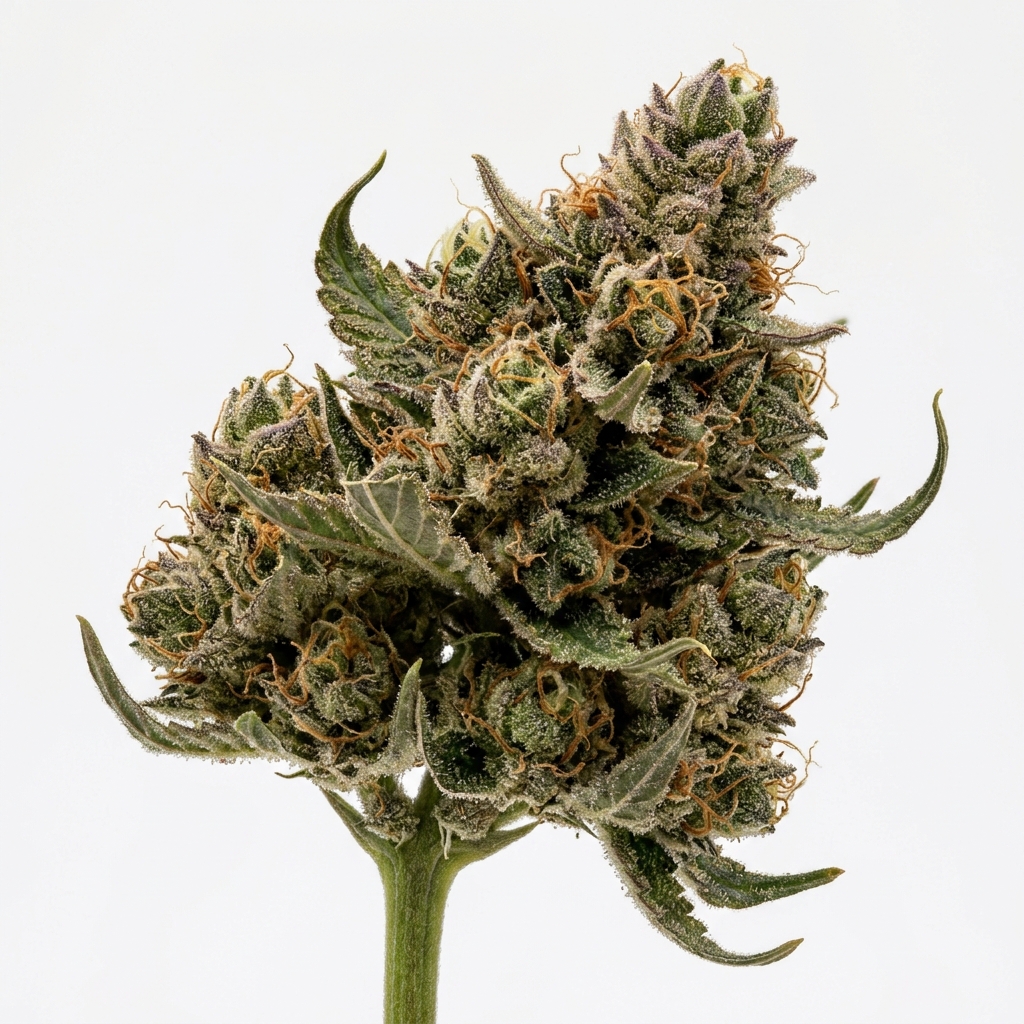
Peanut Butter Muffin produces moderately dense, golf-ball to spear-shaped inflorescences characterized by compact floral clusters. Mature flowers feature an olive-green to forest-green core that frequently develops dark violet and magenta accents when exposed to cooler nighttime temperatures during late flowering stages. The calyxes are accented by curled, rust-colored to deep orange pistils and enveloped in a uniform frosting of glandular trichomes that impart a silvery, resinous exterior.
Aroma & Flavor
The olfactory profile of Peanut Butter Muffin mirrors its pastry-themed designation. Breaking the buds releases an upfront scent of warm, roasted nuts and sweet dough, quickly underscored by zesty citrus peel, damp earth, and a faint savory chem-gas note derived from its GMO and diesel heritage. On the palate, the smoke or vapor delivers rich notes of creamy peanut butter and sweetened baked crust on the inhale, which transitions into an exhale highlighted by bright lemon zest, subtle herbal spice, and light fuel.
Terpene Profile
Analytical testing on commercial batches consistently identifies three major monoterpenes and sesquiterpenes dominating the aromatic profile: d-limonene, beta-caryophyllene, and alpha-humulene. Limonene provides the bright, citrus-forward top notes and sweet pastry accents, while beta-caryophyllene contributes a warm, peppery spice that engages peripheral cannabinoid receptors. Humulene reinforces the earthy, woody, and slightly bitter undertones that balance the strain’s heavy bakery sweetness. Batch testing on commercial flower has reflected total terpene concentrations generally ranging between 1.63% and 2.65%.
Potency & Cannabinoids
Commercial dispensary batches of Peanut Butter Muffin demonstrate high cannabinoid potency. Third-party lab testing and state compliance certificates show THC levels commonly falling in the high 20s to low 30s percent range, with individual analytical certificates recording levels such as 24.03%, 28.11%, 29.12%, 30.55%, and 31.87% total THC. Secondary cannabinoids, including CBD, typically register in low or trace amounts (often below 0.3%). In alternative botanical profiles focusing on the Peanut Butter Breath cross, baseline potency is reported within a lower window of 22% to 26% THC.
Effects
Consumer-reported effects are subjective and vary depending on batch chemistry, tolerance, setting, and individual physiology.
Mental Effects
Consumers frequently describe the initial onset of Peanut Butter Muffin as an energizing, cerebral lift that promotes mental alertness, talkativeness, and enhanced creative focus. In commercial sativa-leaning representations, the cognitive experience is noted for producing an elevated, clear-headed sense of euphoria without excessive raciness.
Body Effects
As the session progresses, the mental stimulation is tempered by a soothing physical calmness. Consumers report steady muscular relaxation and general bodily ease that helps alleviate physical tension while keeping physical sedation moderate enough for daytime or evening leisure.
Cultivation Characteristics
Detailed horticultural data for the commercial PB Soufflé × Modified Muffins clone remains closely held by multi-state cultivators. For the documented Peanut Butter Breath × Blueberry Muffin lineage, plants exhibit broad fan leaves, tight internodal spacing, and strong lateral branching capable of supporting substantial floral clusters. Indoor bloom times for this cross average 8 to 9 weeks (56 to 63 days), with plants exhibiting moderate vertical stretch during the first three weeks of photoperiod transition. Standard preventative airflow and relative humidity reductions (targeting 40%–45% during late bloom) are recommended due to the density of the final floral clusters.
Scientific & Botanical Overview
From a botanical standpoint, Peanut Butter Muffin represents a modern polyhybrid combining classic landrace derivatives (via Skunk, Chemdawg, and Afghan lines) through stabilized intermediate cultivars such as Girl Scout Cookies, GMO, and Blueberry Muffin. The morphological divergence observed between market batches underlines the importance of chemovar-specific testing, as different cultivars bearing identical common names display varying ratios of monoterpenes to sesquiterpenes alongside substantial variances in total cannabinoid output.
Lineage & Related Strains
Peanut Butter Muffin shares close genetic kinship with several renowned dessert and gas cultivars:
- PB Soufflé: A cross of Do-Si-Dos and Lava Cake, lending rich pastry dough, nutty terpenes, and dense calyx formation.
- Modified Muffins: A hybrid of GMO and Blueberry Muffin, introducing intense savory allium-diesel notes balanced by sweet blueberry pastry aromatics.
- Peanut Butter Breath: A prized lineage of Do-Si-Dos × Mendo Breath F2 that provides the foundational savory, nutty funk found in alternative cuts.
- Blueberry Muffin: A signature Humboldt Seed Company cultivar (Razzleberry × Purple Panty Dropper) famous for its uniform growth, early finish, and distinct muffin scent.
Sources & Data Notes
Data regarding Peanut Butter Muffin is compiled from licensed multi-state dispensary lab reports (including batch certificates from New York, Illinois, and Florida markets), state compliance catalogs, and published horticultural records. Because retail cultivators have released distinct lineages under the identical cultivar title, consumers and researchers should verify parental genetics and batch-specific cannabinoid and terpene certificates of analysis when evaluating specific lots.
Peanut Butter Muffin Summary
Peanut Butter Muffin is an aromatic hybrid cultivar distinguished by its rich fusion of roasted nuts, sweet dough, and zesty citrus-chem undertones. Widely distributed in legal dispensaries as a sativa-leaning cross of PB Soufflé and Modified Muffins testing in the high 20s to low 30s percent THC range, it delivers a balance of energetic mental focus and comfortable somatic relaxation.