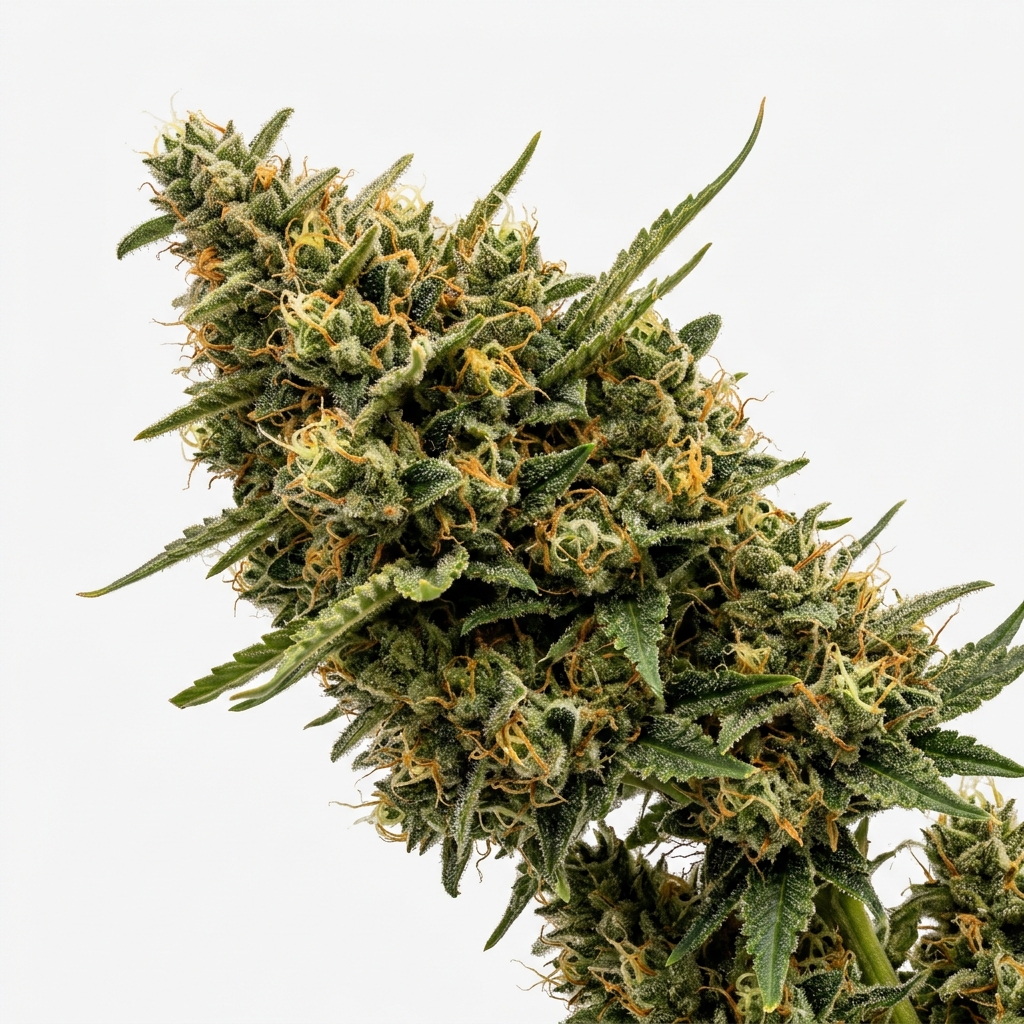
Apricot Chem is a contemporary hybrid cannabis cultivar celebrated for contrasting sweet, luscious stone-fruit aromatics with sharp, pungent diesel fumes. In the commercial cannabis landscape, the name represents two closely aligned expressions: a true F1 hybrid seed line stabilized by agricultural genomics company Phylos Bioscience, and an elite clonal cutting popularized by craft producers such as Galaxy Labs, which pairs Banana Punch GMO (#2 or #12) with Sour Tangie. Known for heavy resin coverage, strong agronomic vigor, and an alert yet physically calming experience, Apricot Chem occupies a distinct lane among modern fruit-and-fuel profiles.
Strain Profile & Genetics
- Breeder: Phylos Bioscience (production seed line); Galaxy Labs (widely cited commercial clone selection)
- Genetics: Banana Punch GMO (#2 or #12) × Sour Tangie (clone-line); stone-fruit selections × Sour Tangie lines (Phylos F1)
- Type: Hybrid
- Seed Type: Feminized F1 Hybrid (photosensitive)
- THC: 28% (breeder benchmark ± 2%); commercial batches report 25.97%–34.27% THCA/TAC
- CBD: Approximately 0.07%–1%
- Dominant Terpenes: beta-Myrcene, alpha-Pinene, beta-Caryophyllene, D-Limonene, beta-Pinene
- Flowering Time: 8–9 weeks (56–63 days)
- Outdoor Harvest: Not reliably established (full-season photoperiod)
- Plant Structure: Upright, high-stretch canopy with uniform internodal spacing and dense terminal colas
- Yield Potential: 67–87 g/sq ft
- Aroma: Ripe apricot, pungent diesel fuel, sour citrus, pinene-rich pine
- Flavor: Apricot nectar, sharp kerosene, tart citrus zest, earthy spice
- Mental Effects: Uplifted, focused, clear-headed stimulation (reported)
- Body Effects: Calming, grounding, physical ease without heaviness (reported)
- Resin & Extraction: Heavy capitate-stalked trichome coverage; utilized for live resin hydrocarbon extraction
Appearance
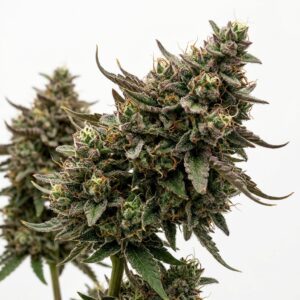
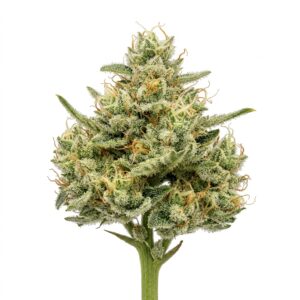
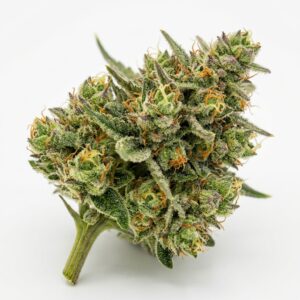
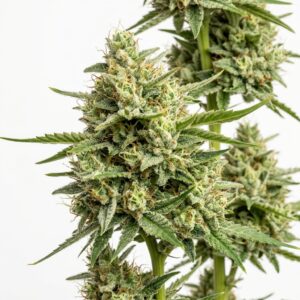
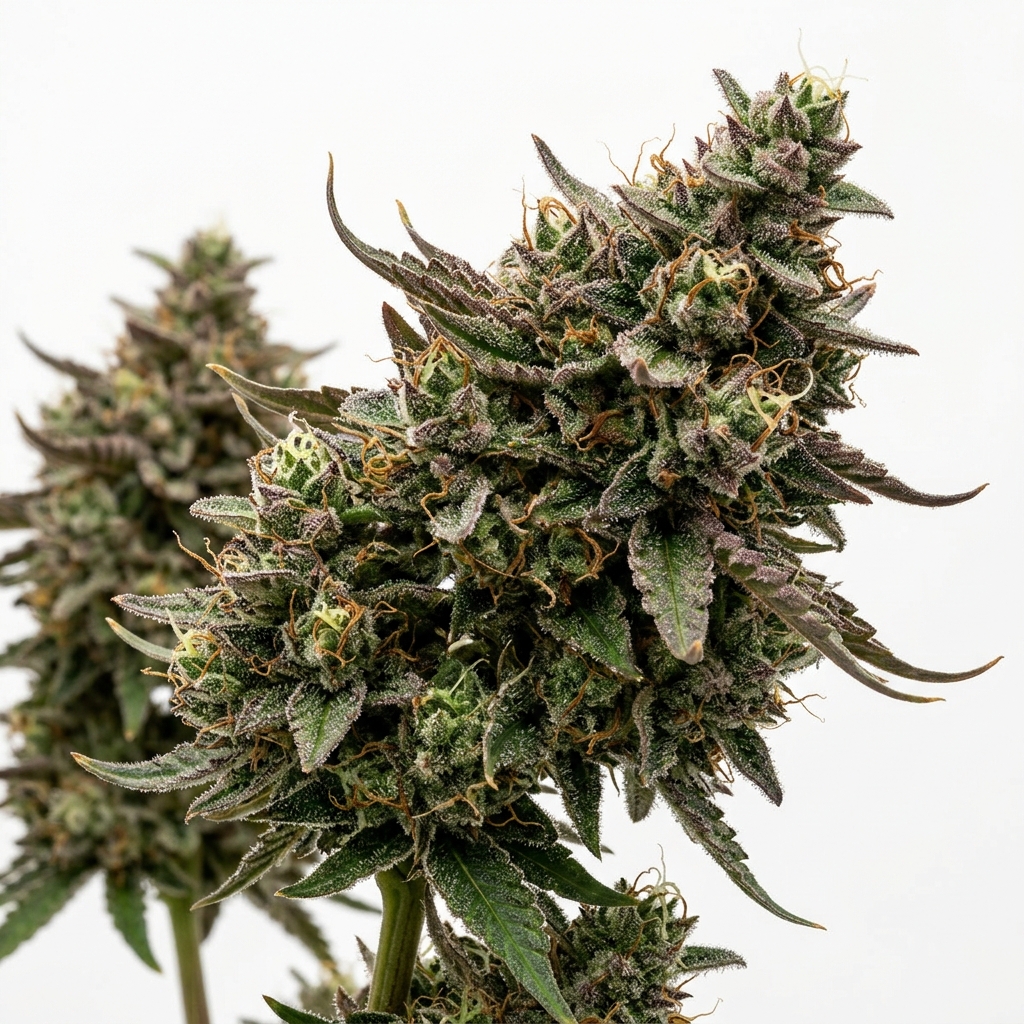
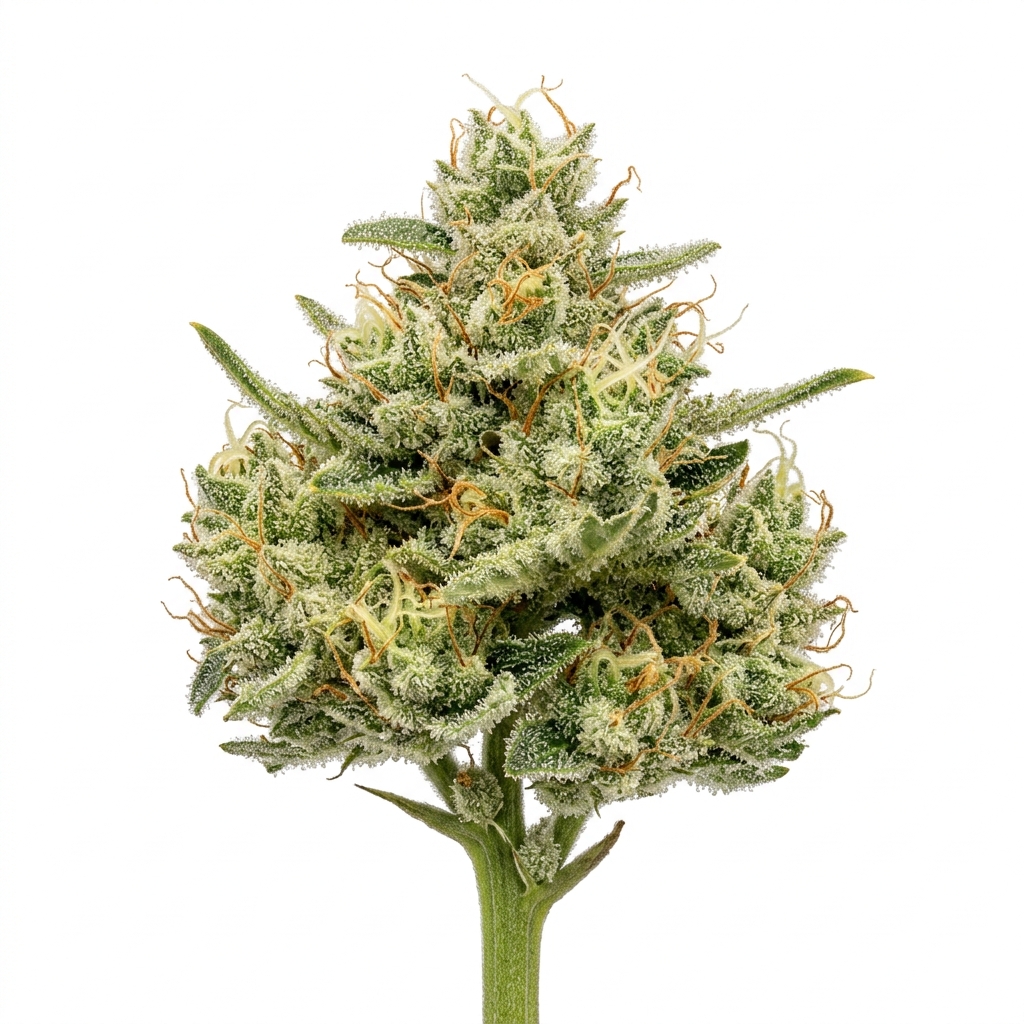
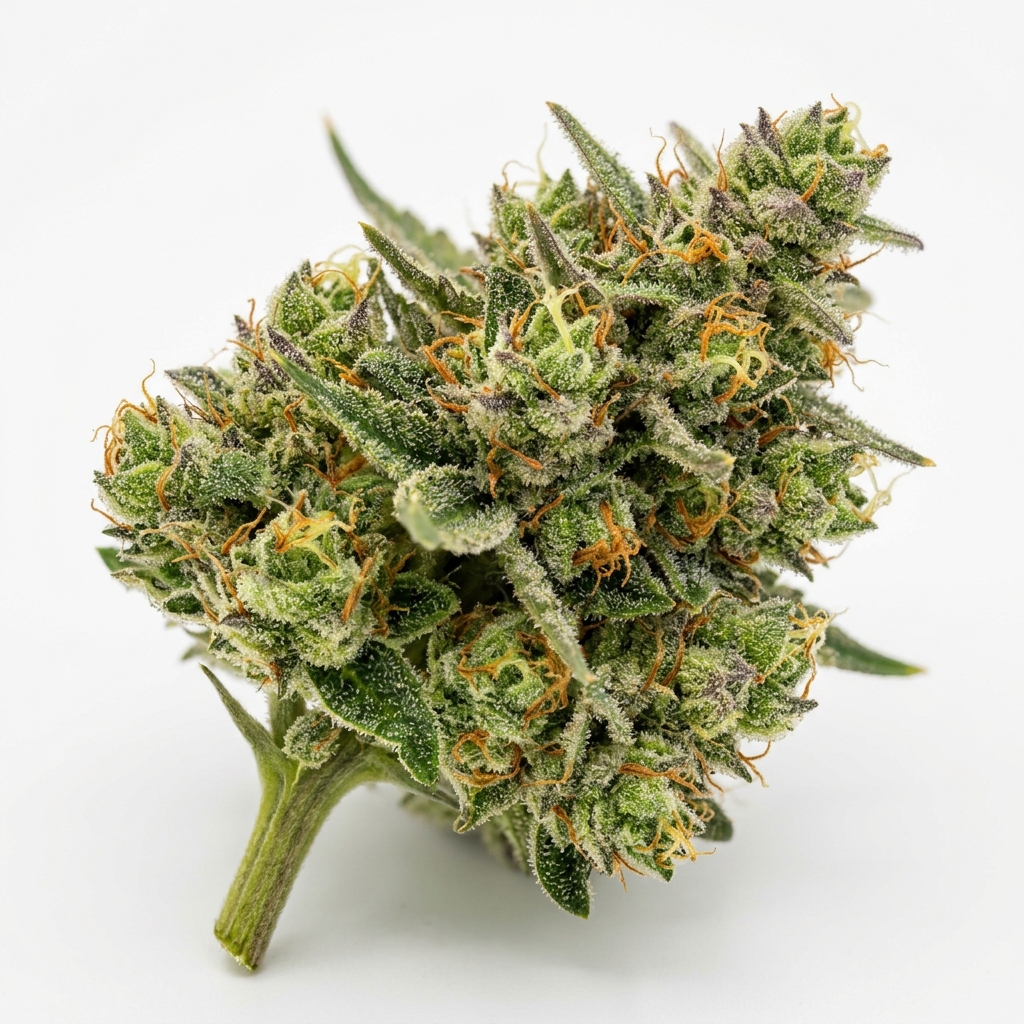
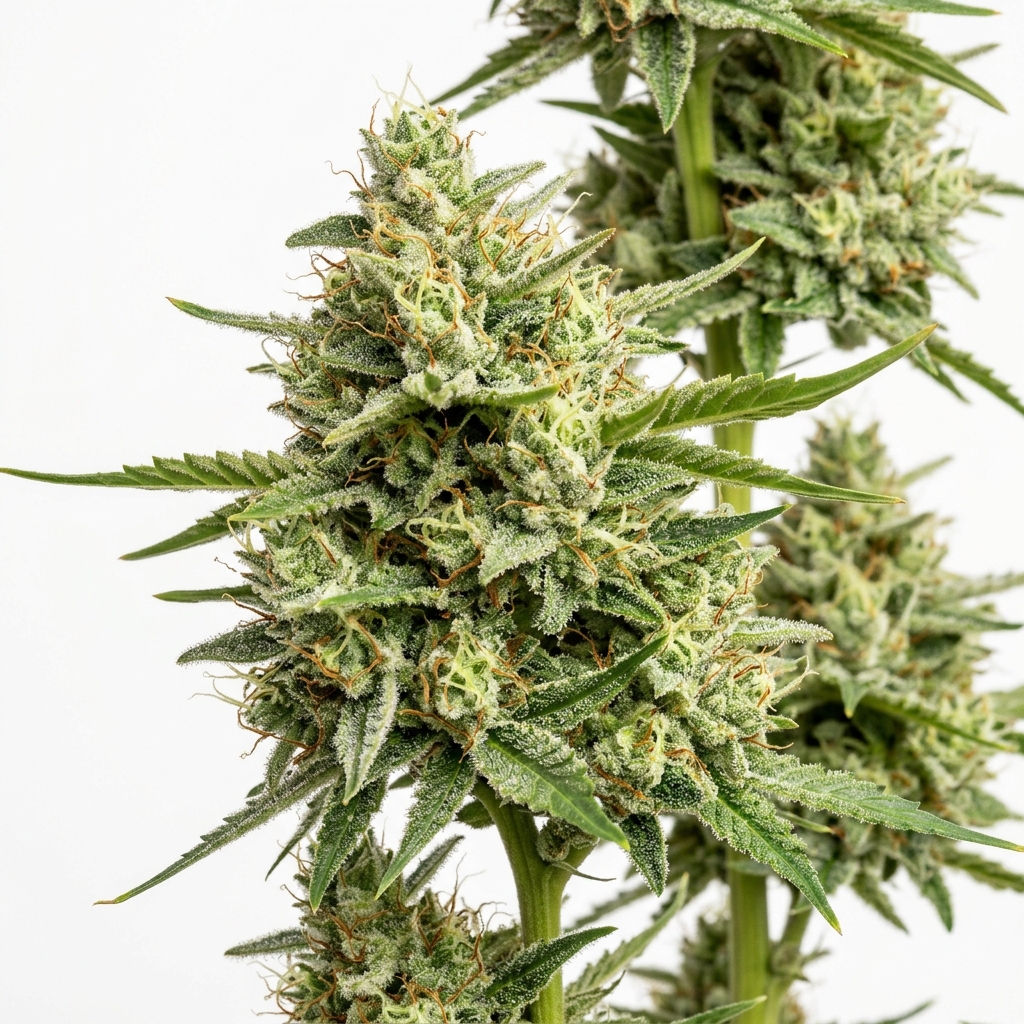
Apricot Chem produces dense, chunky inflorescences with a predominantly olive-green to forest-green calyx structure. Floral clusters develop with tight bract stacking, avoiding loose or leafy architecture. A prolific mantle of glandular trichomes coats every surface, giving the buds a frosted, crystalline presentation that contrasts with vibrant, sun-kissed tangerine pistils. In late flowering under standard environmental controls, sugar leaves retain a healthy green to slight amber fade, serving as a dark backdrop to the pale, resinous flower heads.
Aroma & Flavor
The bouquet of Apricot Chem is loud, projecting immediately upon cracking the flower. The primary olfactory impression is sweet stone fruit—specifically fresh apricot flesh and candied peach—instantly cut by an aggressive, acrid chemical fuel. Pungent diesel, sharp lemon-orange citrus, and crisp pine needles back up the top notes, anchored by a savory hint of garlic-tinged earth inherited from its Chem and GMO ancestry.
When consumed, the flavor reflects its aromatic dual nature. Inhalation brings a rush of juicy apricot nectar and tart tangerine zest. The exhale transitions sharply toward classic Chemdog and diesel character, leaving a tongue-coating petroleum bite, light pine resin, and a lingering peppery spice.
Terpene Profile
Analytical lab data across production testing and commercial batches show a rich secondary metabolite concentration. Phylos Bioscience reports a total terpene concentration of 3.3% (± 1%), while state-licensed dispensary certificates of analysis (COAs) typically measure total terpenes between 2.15% and 2.83%.
The terpene expression is heavily led by beta-myrcene, often accounting for 1.2% to 1.69% of the dry weight profile. This high myrcene content provides deep fruity tones and muscular earthiness. Secondary terpenes include alpha-pinene (0.23%–0.32%) and beta-pinene (0.14%–0.16%), imparting fresh forest and crisp pine accents. Beta-caryophyllene (0.18%–0.24%) and d-limonene (0.15%–0.19%) deliver complementary peppery warmth and bright citrus rind notes, with trace amounts of humulene, linalool, and bisabolol rounding out the complexity.
Potency & Cannabinoids
Apricot Chem is a high-potency cultivar. Phylos Bioscience establishes a baseline total THC figure of 28% (± 2%) under optimized production trials. Independent state laboratory testing on commercial whole flower batches reveals THCA values typically ranging from 29.01% to 33.47%, with neutral delta-9 THC measuring between 0.53% and 0.80%, resulting in total active cannabinoid (TAC) readings frequently exceeding 30% to 34%.
Minor cannabinoid presence is minimal. Total CBD remains low, testing around 0.07% to an approximate 1% ceiling depending on the specific harvest and testing methodology. Secondary cannabinoids such as CBGa are present in trace amounts consistent with modern drug-type chemotypes.
Effects
Note: Subjective consumer and patient reports vary depending on personal tolerance, dose, and administration method.
Mental Effects
Consumers consistently describe Apricot Chem as bright and cognitively stimulating upon onset. The experience typically begins with an alert pressure behind the eyes, elevating mood and instilling a sense of daytime focus, conversational ease, and functional creative clarity. Unlike unanchored sativas that risk anxious racy feelings, the cognitive shift is generally experienced as grounded and steady.
Body Effects
As the high settles, a smooth, warm physical relaxation descends through the shoulders and spine. The body high relieves muscular tension without inducing sedation, lethargy, or heavy couch-lock at moderate intake levels. This balance makes it popular among users seeking daytime decompression or functional relief while remaining active.
Cultivation Characteristics
Agronomic testing by Phylos Bioscience classifies Apricot Chem as a grower-friendly, highly uniform photosensitive variety well-suited for indoor controlled environments, greenhouses, and full-season outdoor production. Key documented cultivation traits include:
- Vigor & Uniformity: As a stabilized F1 hybrid, plants exhibit strong hybrid vigor and uniform canopy heights, reducing phenotypic divergence across production tables.
- Stretch: High average vertical stretch during the initial transition into photoperiod flower induction. Trellising and canopy management (scrogging or light topping) are recommended to maintain an even light distribution.
- Flowering Duration: 8 to 9 weeks (56 to 63 days) of 12/12 light schedule.
- Yield: Rated at 67 to 87 grams per square foot in dialed indoor conditions.
- Germination: Certified production seed lots demonstrate a 90%+ germination rate.
Resin & Extraction Characteristics
With its high terpene output and densely layered trichome glands, Apricot Chem is heavily utilized in commercial concentrate manufacturing. Commercial processors, such as Seed & Smith, leverage fresh-frozen whole plant material to formulate full-spectrum live resin cartridges and hydrocarbon extracts. These extracts retain the cultivar’s distinctive contrast of stone-fruit monoterpenes and volatile sulfur/fuel aromatics. Cultivators growing the Phylos F1 seed line note that while trichome density is visually striking for dry-flower bag appeal and hydrocarbon extraction, the cultivar is not categorized as a specialized ice-water wash strain for bubble hash production.
Scientific & Botanical Overview
Taxonomically classified under Cannabis sativa L., Apricot Chem represents modern marker-assisted and selective agronomic breeding aimed at overcoming the variability of legacy clone-only production. Genetically, its terpene synthase pathways favor monoterpenes like myrcene and pinene alongside sesquiterpenes like caryophyllene, interacting synergistically with type-I cannabinoid synthase genes yielding high tetrahydrocannabinolic acid (THCA) concentrations. Its robust internodal spacing and responsive vegetative growth demonstrate classic heterosis, minimizing structural anomalies often observed in heavily inbred heirloom lines.
Lineage & Related Strains
The lineage of Apricot Chem links prominent flavor-forward and fuel-dominant families:
- Sour Tangie: A pairing of East Coast Sour Diesel and Tangie, contributing the pungent sour citrus zest, elevated pinene/limonene presence, and daytime cerebral lift.
- Banana Punch GMO: Combining Banana Punch (Banana OG × Purple Punch) and GMO Cookies (Chemdawg × GSC), introducing rich fruit nectar, heavy resin glands, high cannabinoid ceiling, and deep savory diesel undertones.
- Related Cultivars: Tangie Chem, Apricot Head, Chem Fruit, and Garlic Cookies share overlapping ancestral profiles.
Sources & Data Notes
Data compiled for Apricot Chem reflects agronomic technical specification sheets and certificates of analysis published by Phylos Bioscience, alongside retail laboratory test disclosures from state-licensed producers including Galaxy Labs, Lume Cannabis Co., Curio Wellness, and Good Green across Massachusetts, Pennsylvania, and Maryland markets. Inconsistencies between breeder-published baselines (28% THC baseline) and commercial retail testing (up to 34% THCA) reflect batch-specific batch variations, environmental cultivation differences, and lab testing tolerances.
Apricot Chem Summary
Apricot Chem is a potent hybrid cannabis cultivar distinguished by its harmonious collision of juicy stone fruit and sharp chemical petroleum. Delivering testing levels around 28% THC and total terpenes exceeding 2%–3%, this 8-to-9-week flowering variety offers commercial cultivators uniform performance and high yields (67–87 g/sq ft), while rewarding consumers with an alert, euphoric mindset and functional physical tranquility.