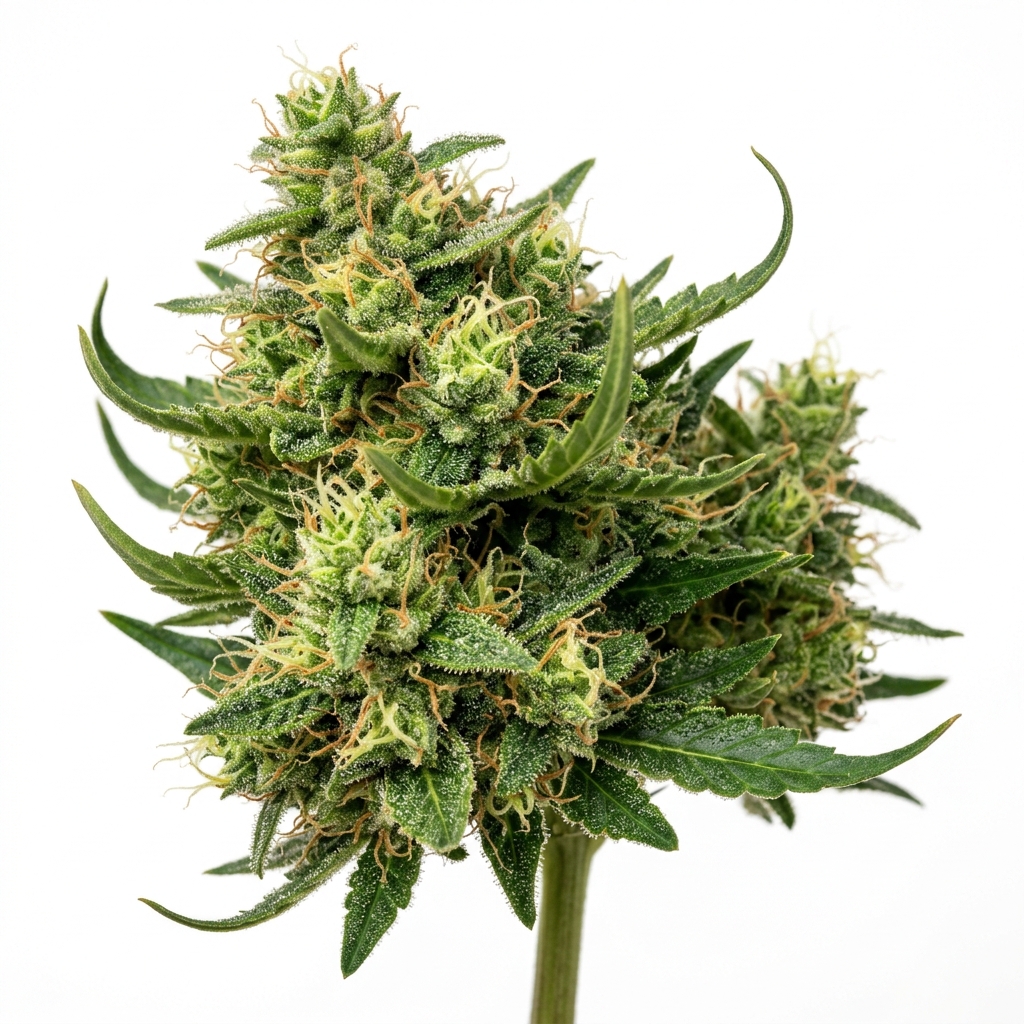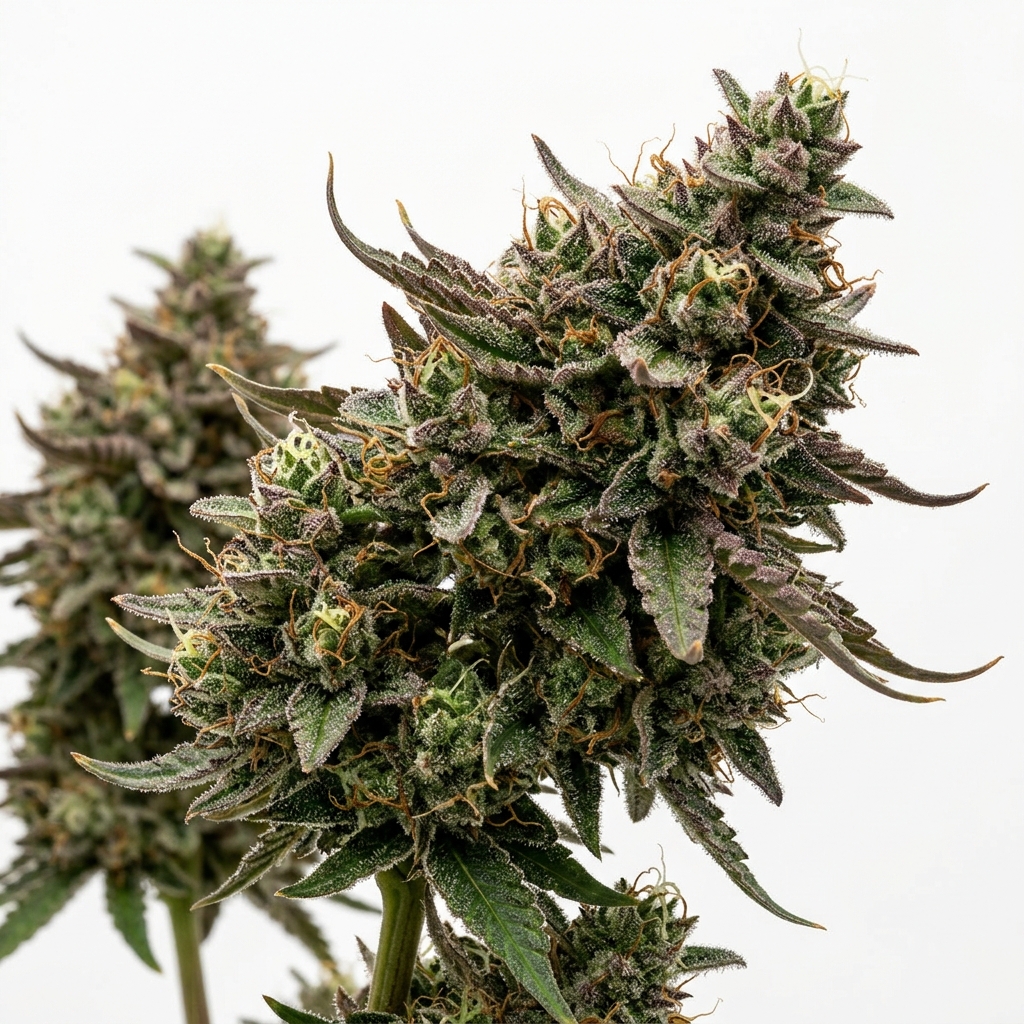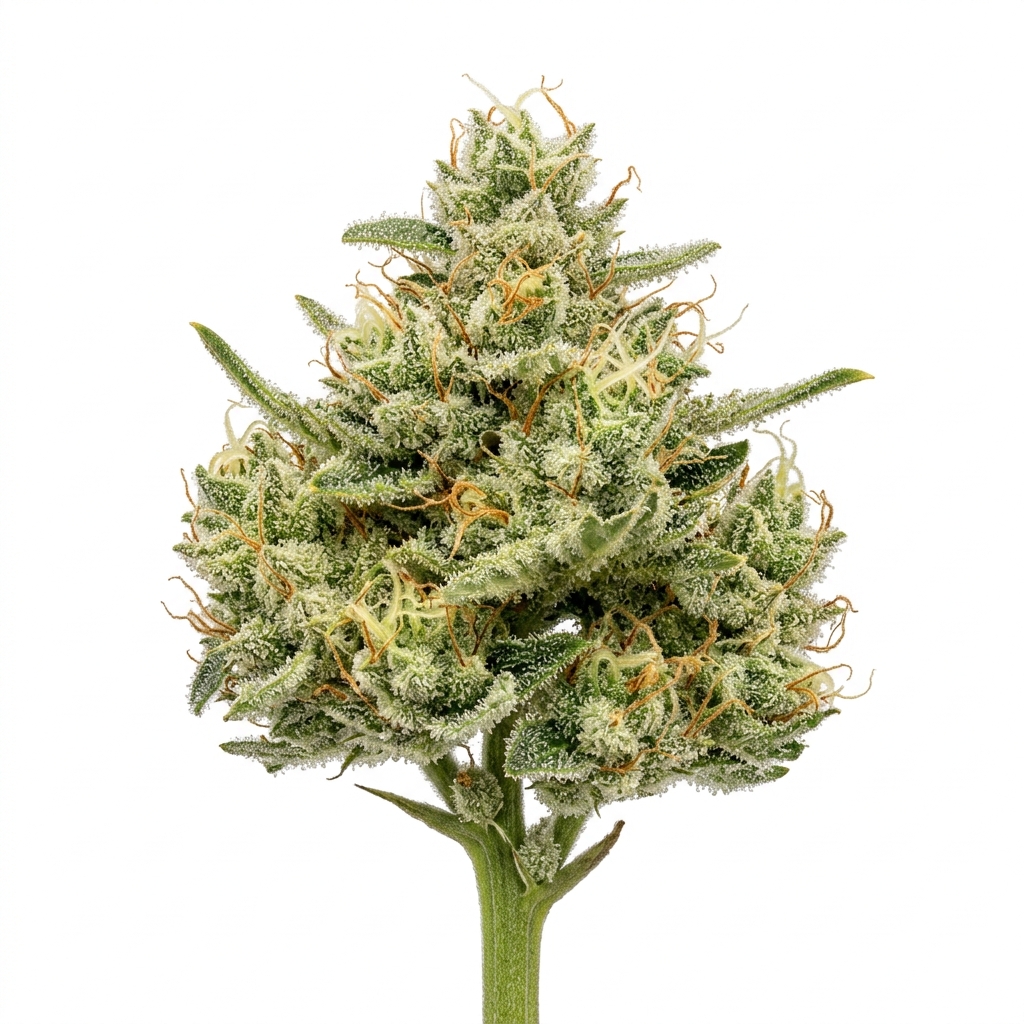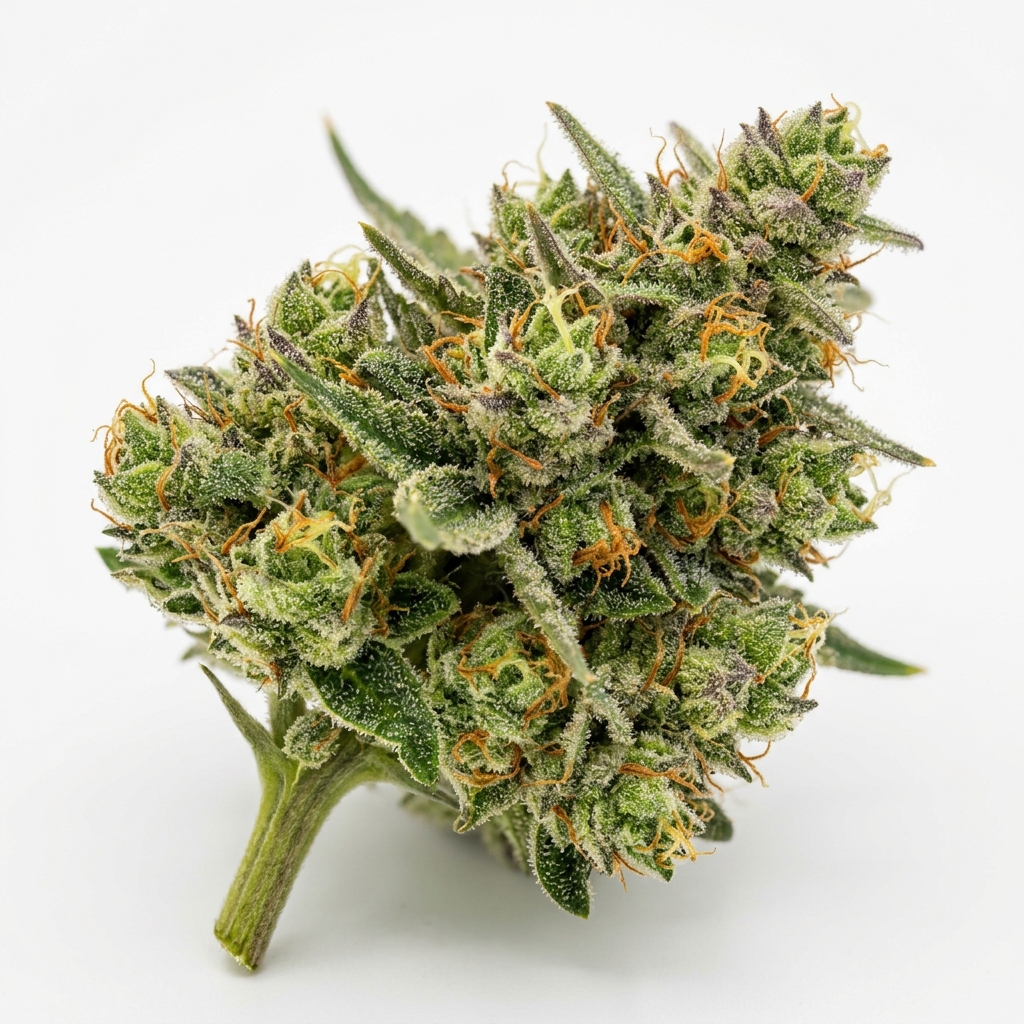
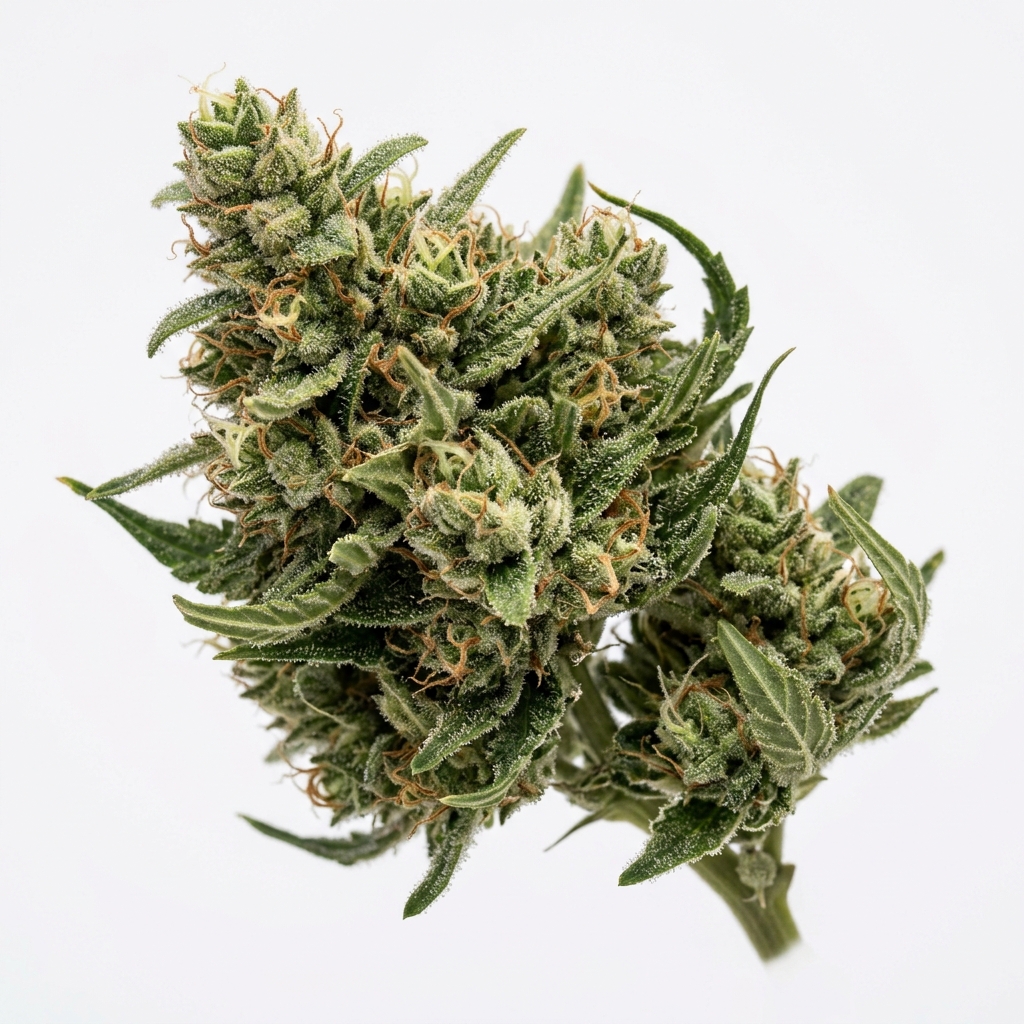
Durban Fizz is a sativa-dominant cannabis cultivar celebrated for its bright, effervescent citrus profile, floral orange blossom overtones, and sharp herbal-peppery finish. In legal commercial markets, the name primarily refers to a cross of the celebrated South African landrace descendant Durban Poison and the citrus-forward hybrid Mimosa, popularized in Curaleaf’s Select Terpologist line. Additionally, a distinct botanical seed line carrying the name was developed by Hoku Seed Company, pairing a selected cut of Hard Soda (Chem D × Rootbeer Bc2) with Double Durban to focus on pronounced THCV expression and old-school petrol undertones.
Strain Profile & Genetics
- Breeder: Curaleaf / Select (commercial extract line); Hoku Seed Company (THCV seed line)
- Genetics: Disputed (Mimosa × Durban Poison in mainstream commercial retail; Hard Soda × Double Durban in specialized seed stock)
- Type: Sativa-dominant hybrid
- Seed Type: Feminized (Hoku Seed Company); Not reliably established (Select clone-only cut)
- THC: Not reliably established for raw cured flower; up to 91.96% in refined commercial extracts
- CBD: 0.13% – 0.43% (analytical extract data)
- Dominant Terpenes: Terpinolene, Limonene, Beta-Caryophyllene, Beta-Myrcene, Valencene
- Plant Structure: Medium-sized, dense inflorescences on vigorous branching stems
- Yield: High (reported in breeding trials by Hoku Seed Company)
- Aroma: Candied orange, grapefruit, fresh lime, floral orange blossom, black pepper, gassy chemical funk
- Flavor: Effervescent citrus zest, sweet nectar, lemongrass, peppery pine
- Mental Effects: Uplifting cerebral stimulation, focused awareness, mental clarity
- Body Effects: Functional physical lightness, easing of tension without sedation
- Resin & Extraction: High glandular trichome density; actively utilized for aqueous cannabis extracts and liquid terpene distillates
Appearance
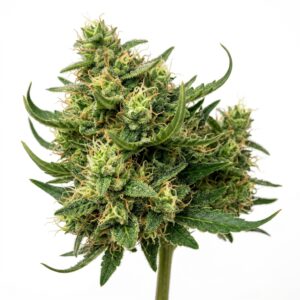
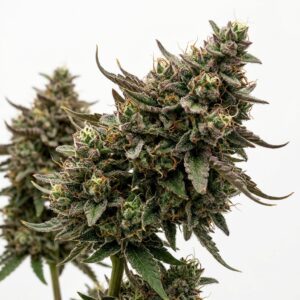
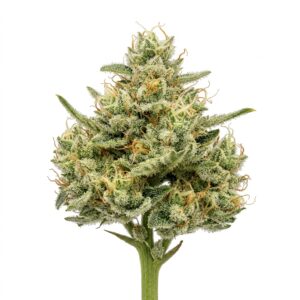
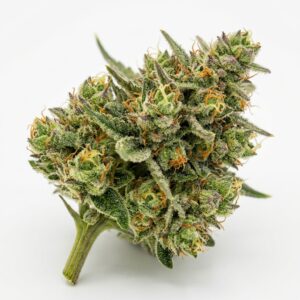
Cultivation documentation from breeder trials notes that Durban Fizz develops medium-sized, notably dense floral clusters. The bract structures present deep forest green to lighter olive hues, accented by tightly clustered calyxes and winding copper-orange pistils. When grown under controlled environmental conditions, the inflorescences exhibit a uniform coating of glandular capitate-stalked trichomes that impart a frosted exterior over the floral bracts and surrounding sugar leaves.
Aroma & Flavor
The organoleptic profile of Durban Fizz is distinctly effervescent. On the nose, it releases top notes of candied orange, ruby red grapefruit, and crushed kaffir lime leaves. Beneath the bright citrus fruit notes sits a delicate white floral perfume evocative of orange blossoms, grounded by the classic earthy, peppery pine qualities inherited from its Durban parentage. Upon thermal consumption, the palate receives a crisp, sweet citrus zest alongside sweet cane sugar, shifting toward a savory and herbal finish punctuated by black pepper, fresh basil, and subtle petroleum funk.
Terpene Profile
Laboratory testing from commercial oil and derivative batches demonstrates that Durban Fizz is anchored by a terpene ensemble featuring terpinolene, limonene, and beta-caryophyllene as primary drivers, accompanied by secondary concentrations of beta-myrcene, valencene, humulene, and linalool. Terpinolene provides the crisp, herbaceous, and piney core, while limonene and valencene amplify the sweet orange and grapefruit characteristics. Beta-caryophyllene contributes a distinct spicy, peppery dimension at the base.
Potency & Cannabinoids
While primary analytical data from whole cured flower lots remains limited in public databases, extensive lab testing from dispensary distribution lines demonstrates a cannabinoid profile dominated by Delta-9 THC, alongside measurable concentrations of minor cannabinoids. Commercial extract formulations range from 82.17% to 91.96% THC. Cannabinoid screening also highlights minor cannabinoid retention, including THCV (0.54% – 0.86%), CBG (1.02% – 3.67%), CBC (0.829% – 1.13%), and CBN (0.13% – 0.56%), with baseline CBD measuring between 0.13% and 0.43%.
Effects
Subjective consumer accounts describe Durban Fizz as an energizing, clear-headed daytime cultivar. The onset is characterized by a rapid cerebral activation that sharpens sensory perception, fosters creative problem-solving, and clears mental clutter. Users report heightened focus and sustained motivation without jarring edge or racing thoughts. Physically, the cultivar imparts a mild, functional lightness, softening muscular tension without inducing physical lethargy or couch-lock.
Cultivation Characteristics
Botanical records specific to the seed line developed by Hoku Seed Company indicate that Durban Fizz forms a vigorous, high-yielding female plant. The plants perform well in greenhouse and controlled indoor environments, responding favorably to canopy management due to their sturdy branching and dense bud formation. Precise photoperiod flowering day counts and outdoor harvest windows have not been definitively published and remain dependent on the specific phenotype and growing regime.
Resin & Extraction Characteristics
Durban Fizz is widely utilized in modern hydrocarbon, aqueous (ACE), and terpene-preserving distillation methods. The resin heads release volatile monoterpenes readily during extraction, yielding golden, clear concentrates with rich aromatic retention. The combination of intense citrus monoterpenes and durable minor cannabinoids makes the cultivar especially favored for terpene-focused vape cartridges and live extract lines.
Scientific & Botanical Overview
From a botanical standpoint, Durban Fizz is an exemplary modern sativa hybrid that integrates equatorial African landrace lineage with complex North American polyhybrids. The inclusion of Durban Poison heritage provides genetic underpinnings for THCV (tetrahydrocannabivarin) synthesis, a propyl cannabinoid synthesized via geranyl pyrophosphate and divarinolic acid. This unique enzymatic pathway creates a distinct secondary metabolite profile that interacts synergistically with dominant monoterpenes to yield its signature cerebral and buoyant effects.
Lineage & Related Strains
Two distinct breeding approaches exist under the Durban Fizz nomenclature. The commercial Select cut bridges Mimosa (Clementine × Purple Punch) with Durban Poison, seeking a balance of sweet fruit and stimulating landrace qualities. In contrast, Hoku Seed Company crossed Hard Soda (Chemdawg D × Rootbeer Bc2) with a Double Durban pollen donor, leaning into THCV expression and chemical complexity. Related cultivars include Mimosa, Durban Poison, Tangie, and Rootbeer Bc2.
Sources & Data Notes
Data compiled for this profile originates from registered product testing reports, state-licensed packaging lab panels (including Select Elite and ACE lines across Illinois, New York, and Nevada), and published breeder documentation from Hoku Seed Company. Exact numeric cannabinoid figures reflect published laboratory test results from extract lots; raw flower averages have not been independently standardized.
Durban Fizz Summary
Durban Fizz is a flavorful sativa-dominant hybrid marrying bright, citrus-blossom zest with pungent peppery earth. Known both as a cross of Mimosa and Durban Poison and as an advanced THCV-focused breeding project, it delivers functional, daytime-friendly cerebral stimulation, high resin production, and a deeply aromatic terpene bouquet.