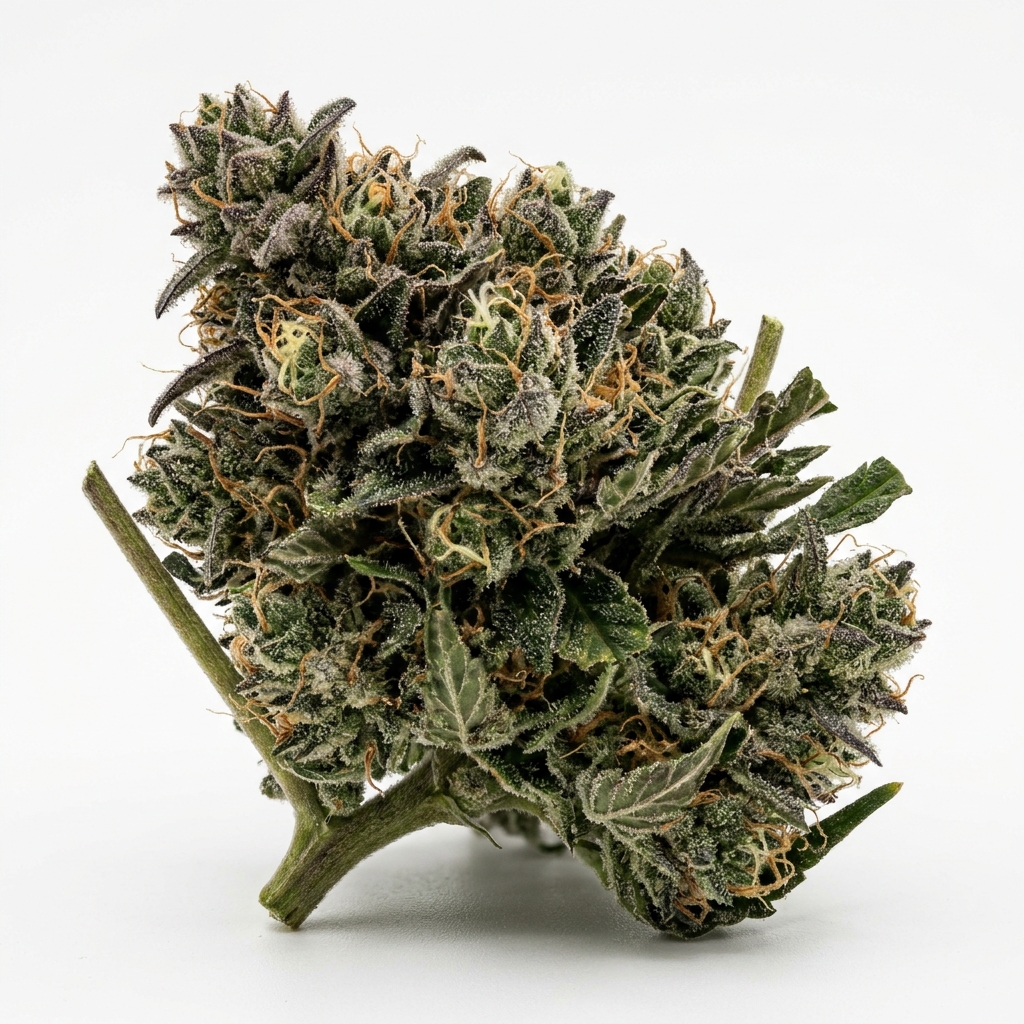
Pappy Poison is a hybrid cannabis cultivar bred from the genetic combination of Granddaddy Purple and the South African landrace descendant Durban Poison. Developed and popularized within the legal market under Select and Curaleaf’s Terpologist and ACE series, the cultivar represents an intentional synthesis of classic Kush/purple attributes and bright, uplifting sativa-lineage characteristics. The strain is recognized for its contrast of sweet, jammy fruit aromas anchored by deep forest floor, skunk, and pungent diesel fuel notes.
Strain Profile & Genetics
Pappy Poison combines two historically significant genetic pillars of modern cannabis breeding: the calming, fruit-forward California staple Granddaddy Purple and the energizing, terpinolene-rich Durban Poison.
- Breeder: Curaleaf / Select (Terpologist Series)
- Genetics: Granddaddy Purple × Durban Poison
- Strain Type: Hybrid
- THC Content: 19%–23% (cured flower); 84%–92.55% (purified concentrate formulations)
- CBD Content: <1% (cured flower)
- Dominant Terpenes: Beta-Caryophyllene, Limonene, Terpinolene, Linalool
- Aroma: Jammy grape, damp forest floor, pungent diesel, rubber, skunk
- Flavor: Sweet dark berries, earthy soil, sharp spice, cooling herbs
- Mental Effects: Creative focus, cerebral refreshment, introspective calm
- Body Effects: Physical ease, soothing tension relief
- Resin & Extraction: High glandular output utilized in live resin, liquid diamond, and aqueous extractions
Appearance
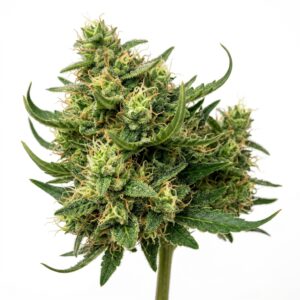
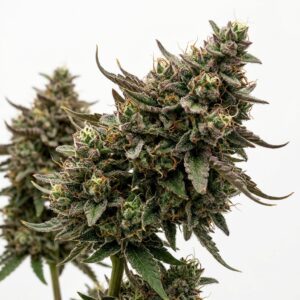
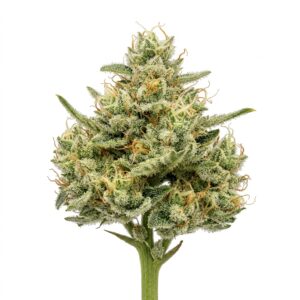
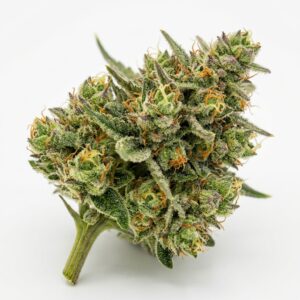
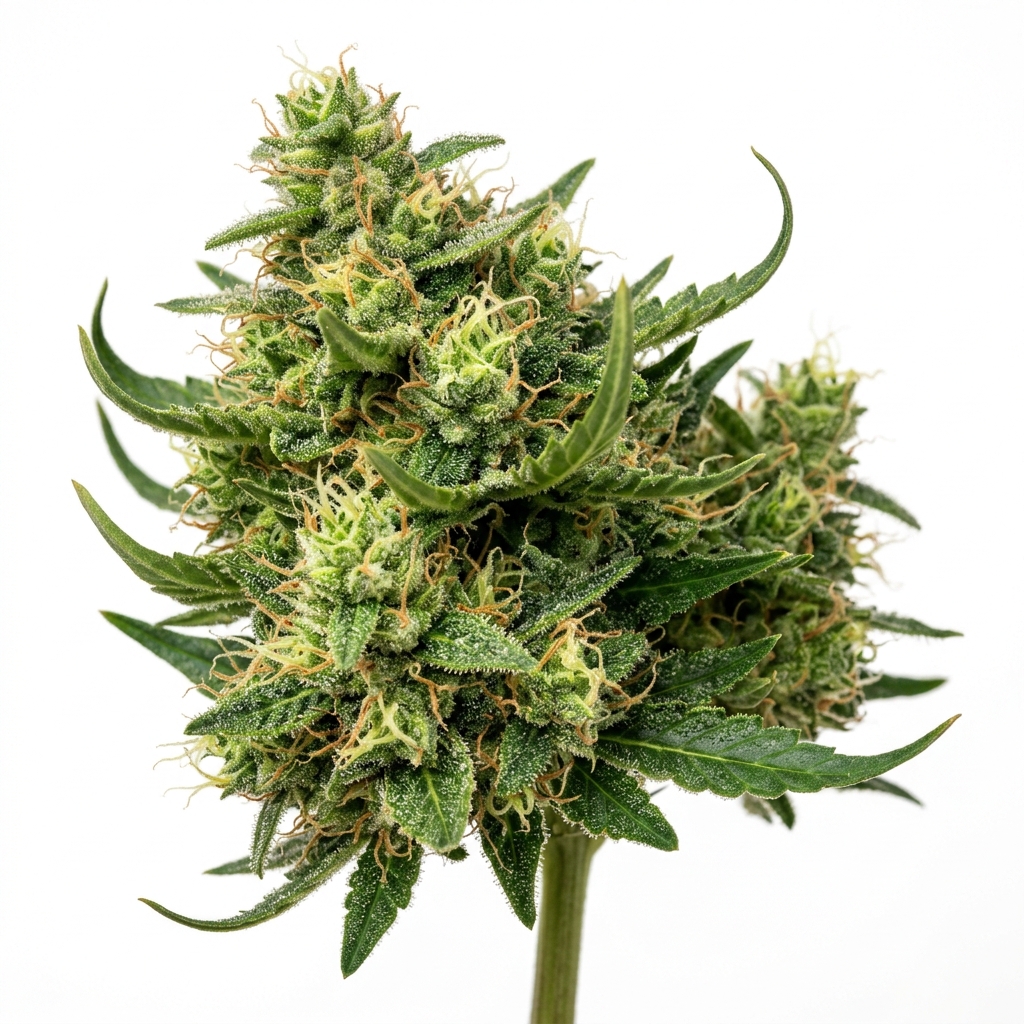
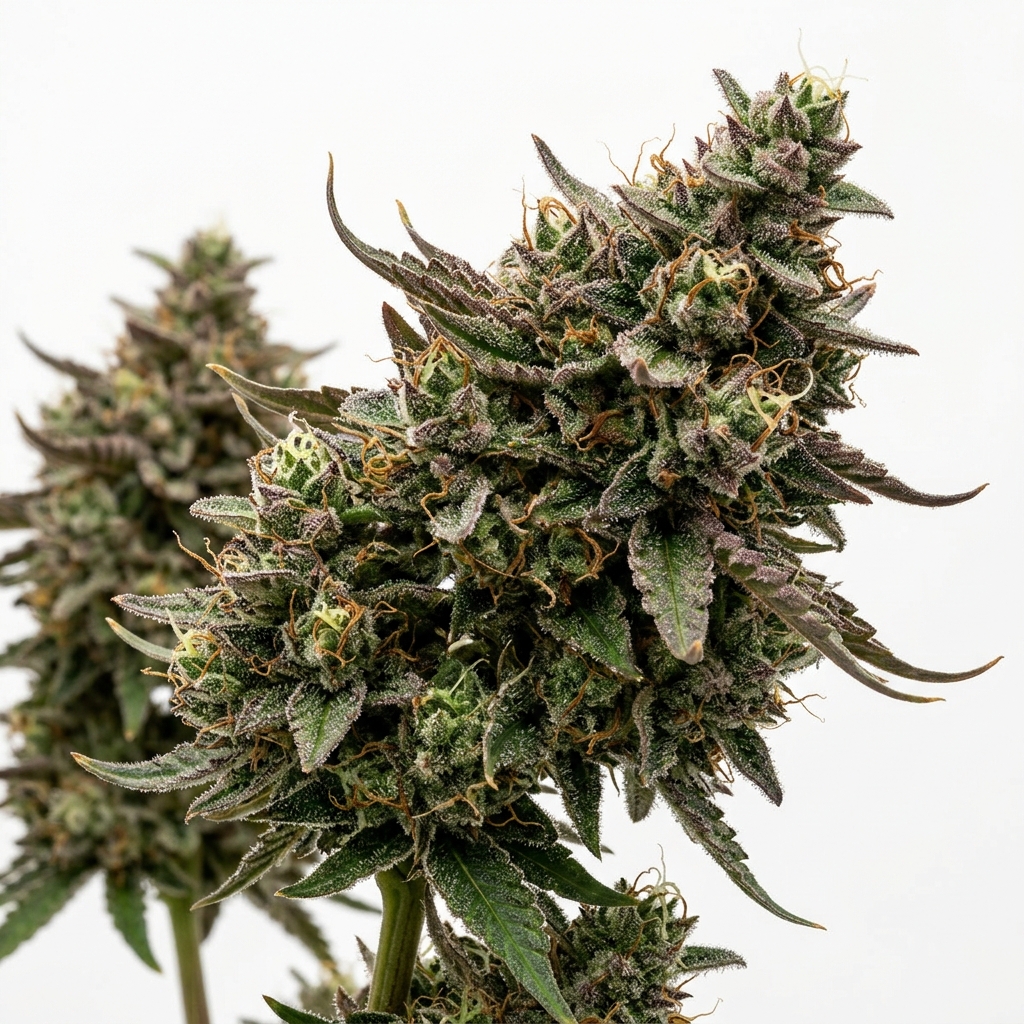
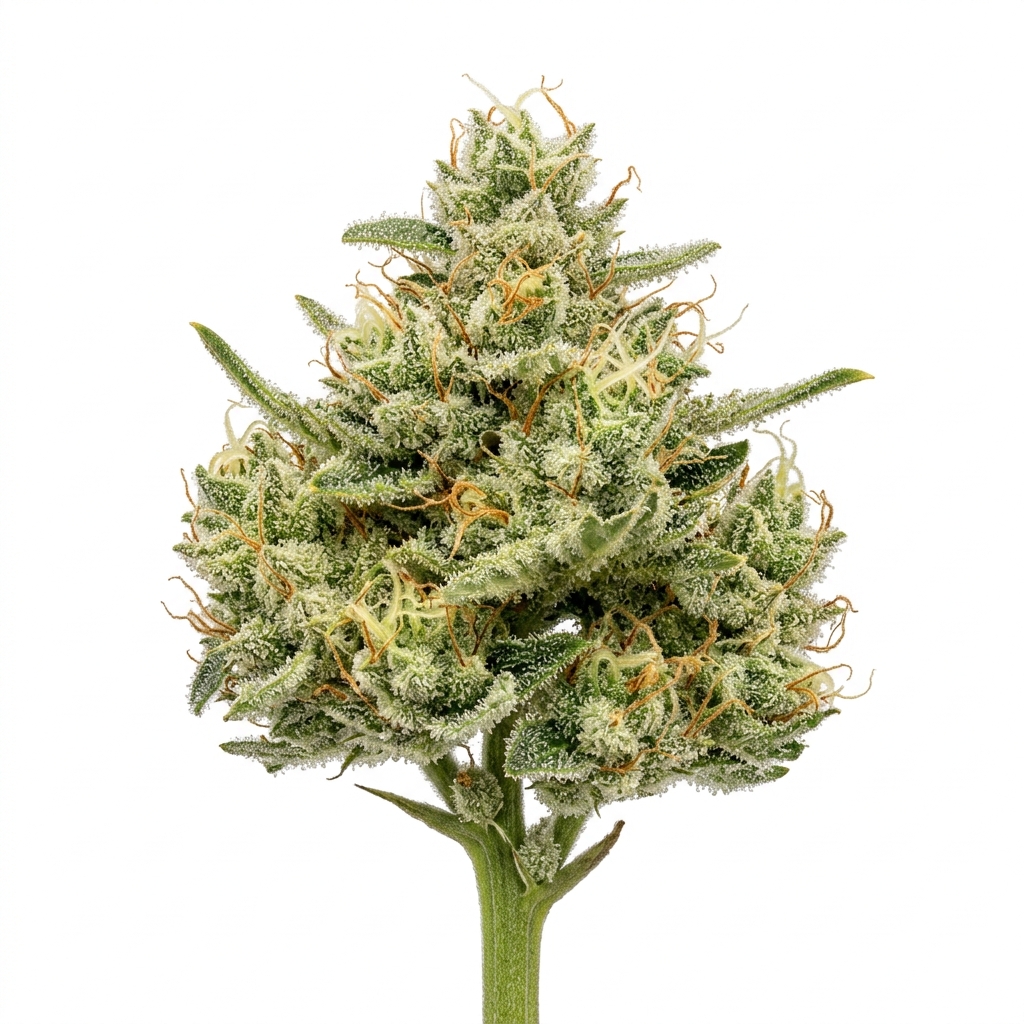
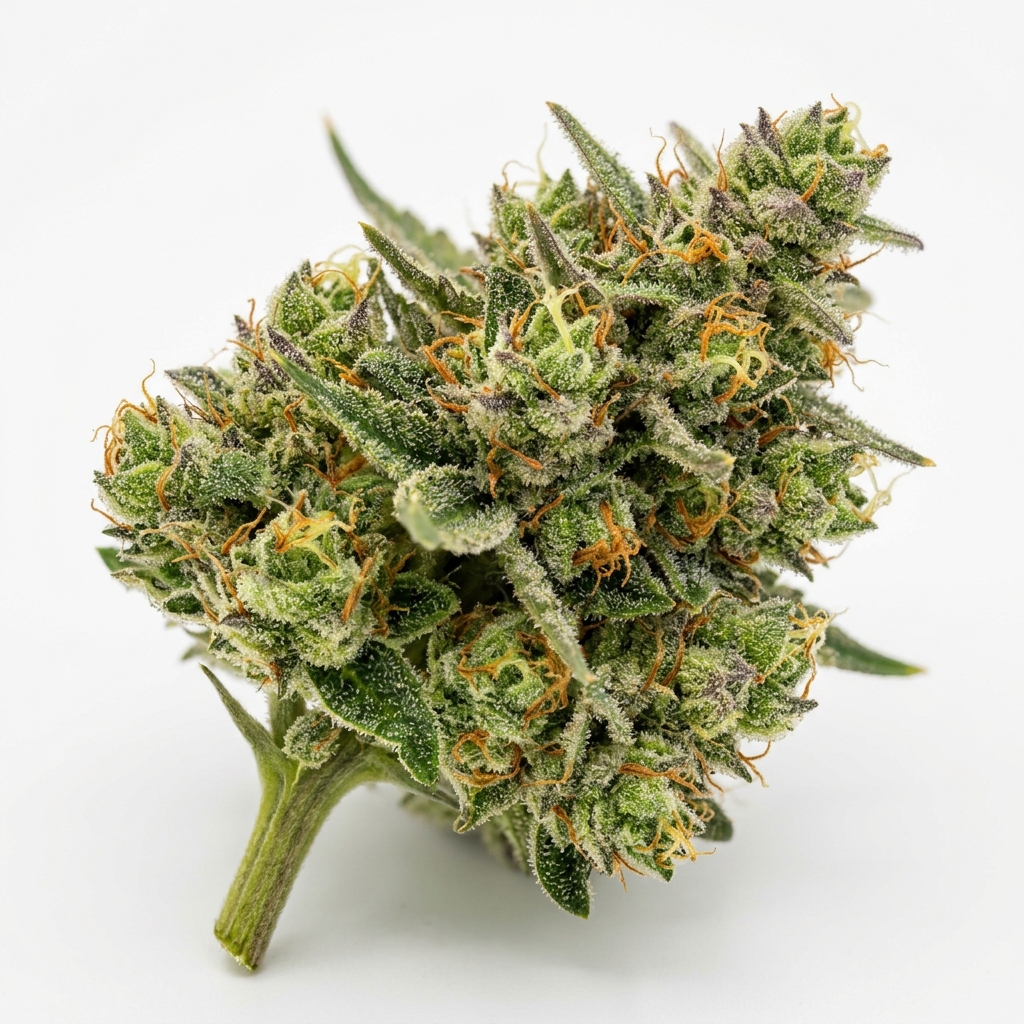
Documented flower phenotypes of Pappy Poison reflect its Granddaddy Purple lineage through cold-responsive anthocyanin expression, frequently displaying dark violet and wine-colored streaks throughout dense calyxes. Cured flowers present olive-to-forest green bracts framed by deep burgundy foliage, interspersed with burnt-orange pistils. A uniform blanket of bulbous glandular trichomes coats both inner bract surfaces and exterior sugar leaves, giving the buds a frosted, crystalline sheen.
Aroma & Flavor
The organoleptic profile of Pappy Poison bridges the rich dessert profile of its maternal lineage with the pungent, sharp kick of Durban genetics. Breaking the flower releases an immediate aroma of jammy dark grapes and crushed berries layered against an earthy, damp forest floor. Beneath the fruit-forward top note lies an assertive undertone of pungent petroleum diesel, sulfurous skunk, and industrial rubber. On the palate, smoke or vapor enters with sweet grape and fennel seed sharpness, evolving across the draw into peppery spice and damp earth, before finishing with a cooling, herbal aftertaste.
Terpene Profile
Analytical certificates of analysis identify beta-caryophyllene as the primary dominant terpene in Pappy Poison profiles, followed closely by limonene, with notable secondary concentrations of terpinolene and linalool. Quantitative testing from commercial lots records beta-caryophyllene concentrations at approximately 18.34 mg/g and limonene at 15.44 mg/g. Tertiary constituents present in the compound profile include humulene (2.64 mg/g), farnesene (2.61 mg/g), alpha-pinene (2.43 mg/g), beta-myrcene (2.16 mg/g), and beta-pinene (1.67 mg/g). The interplay of caryophyllene and terpinolene creates the signature juxtaposition of spicy, fuel-laden warmth and sweet, woody zest.
Potency & Cannabinoids
In cured whole-flower forms, independent dispensary lab listings report Pappy Poison testing between 19% and 23% THC, with CBD testing consistently below 1%. Due to the cultivar’s prominence within licensed commercial extract lines, analytical laboratory profiles for its processed oils (including Aqueous Cannabis Extraction and broad-spectrum cartridges) show total THC concentrations ranging from 84% up to 92.55%. Secondary cannabinoids identified in analytical testing include cannabigerol (CBG) at up to 3.06% and cannabinol (CBN) at 0.4% to 1.18%.
Effects
Reported consumer experiences characterize Pappy Poison as a balanced, functional hybrid that merges mental stimulation with deep somatic calming. Subjective mental effects include an uplifting cerebral shift marked by creative curiosity, introspection, and heightened clarity, likely influenced by the limonene, terpinolene, and Durban Poison lineage. Physically, users report a steady release of muscular tension, characterized by a grounded, soothing weight throughout the limbs that mitigates stress without inducing immediate lethargy.
Resin & Extraction Characteristics
Pappy Poison has achieved widespread industry recognition primarily as an extraction-focused cultivar. The strain’s resin glands hold a concentrated ratio of volatile monoterpenes and sesquiterpenes alongside high cannabinoid densities, making it suitable for both solventless live rosin washings and solvent-based liquid diamonds. It serves as a flagship cultivar in Select’s Aqueous Cannabis Extraction (ACE) platform, a proprietary water-based process engineered to cleanly isolate cannabinoids and native terpenes while eliminating heavier waxes, lipids, and chlorophyll.
Scientific & Botanical Overview
Botanically, Pappy Poison expresses an polyhybrid genotype descending from broad-leaf drug varieties of Central Asia (via Granddaddy Purple’s Afghani and Purple Urkle ancestry) and narrow-leaf drug varieties indigenous to southern Africa (Durban Poison). This inter-lineage pairing creates a chemical phenotype where the sesquiterpene beta-caryophyllene coexists with the monoterpenes terpinolene and limonene—a phytochemical convergence rarely occurring in uncrossed landrace populations.
Lineage & Related Strains
Pappy Poison’s parental foundation comprises two celebrated cannabis strains:
- Granddaddy Purple (GDP): An indica-dominant cross of Purple Urkle and Big Bud, known for producing deep grape and berry notes, heavy anthocyanin coloration, and dense bud morphology.
- Durban Poison: A pure sativa landrace preserved from the port city of Durban, South Africa, famed for sweet anise aromatics, soaring terpinolene levels, and energetic psychoactive qualities.
- Related Cultivars: Cherry Pie (Granddaddy Purple × Durban Poison cross sharing the same genetic parentage) and Girl Scout Cookies (which incorporates Durban Poison and OG Kush).
Sources & Data Notes
Data compiled for this profile originates from manufacturer documentation provided by Curaleaf/Select for their Terpologist and ACE series, licensed dispensary certificates of analysis (Dutchie, Nuwu Marketplace), and New Jersey and New York state-licensed retail technical specifications. While chemical profiles for extract formulations are well-grounded via analytical laboratory testing, agronomic home-cultivation metrics (such as precise photoperiod flowering schedules and square-meter yields) remain proprietary to commercial production facilities and are not commercially available in verified seed formats.
Pappy Poison Summary
Pappy Poison is a modern hybrid cultivar combining Granddaddy Purple with Durban Poison. Characterized by an intricate balance of jammy purple fruit, pungent diesel, and damp earth, it features a terpene framework led by beta-caryophyllene, limonene, and terpinolene. Yielding 19%–23% THC in whole flower and exceeding 84% in purified extracts, Pappy Poison delivers an introspective cerebral lift coupled with grounded physical calm.