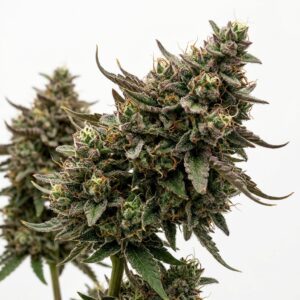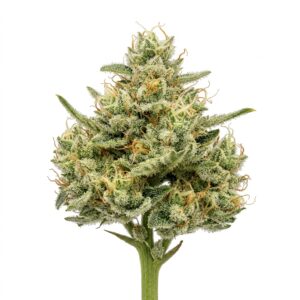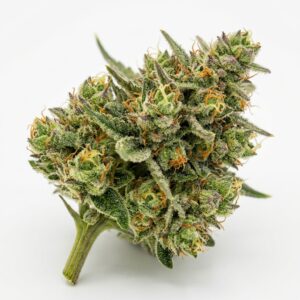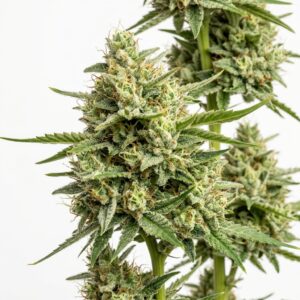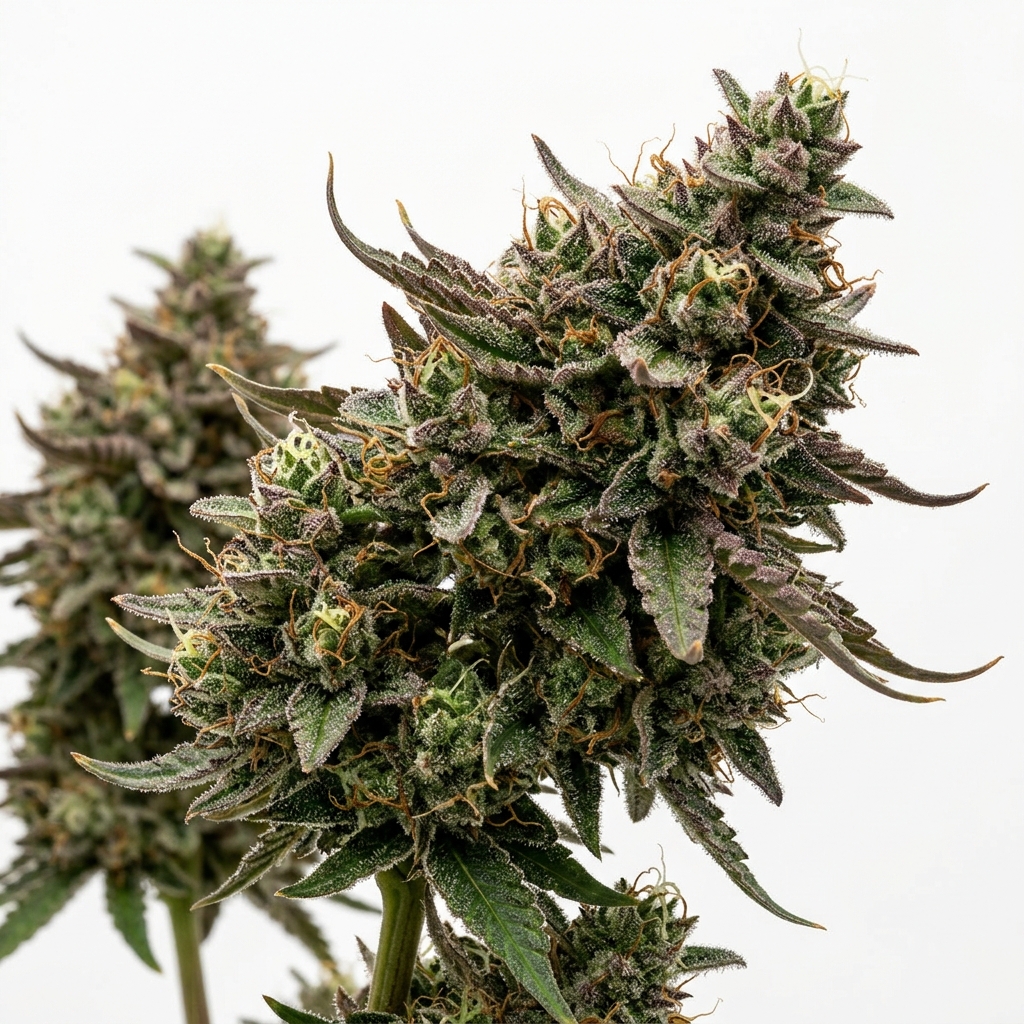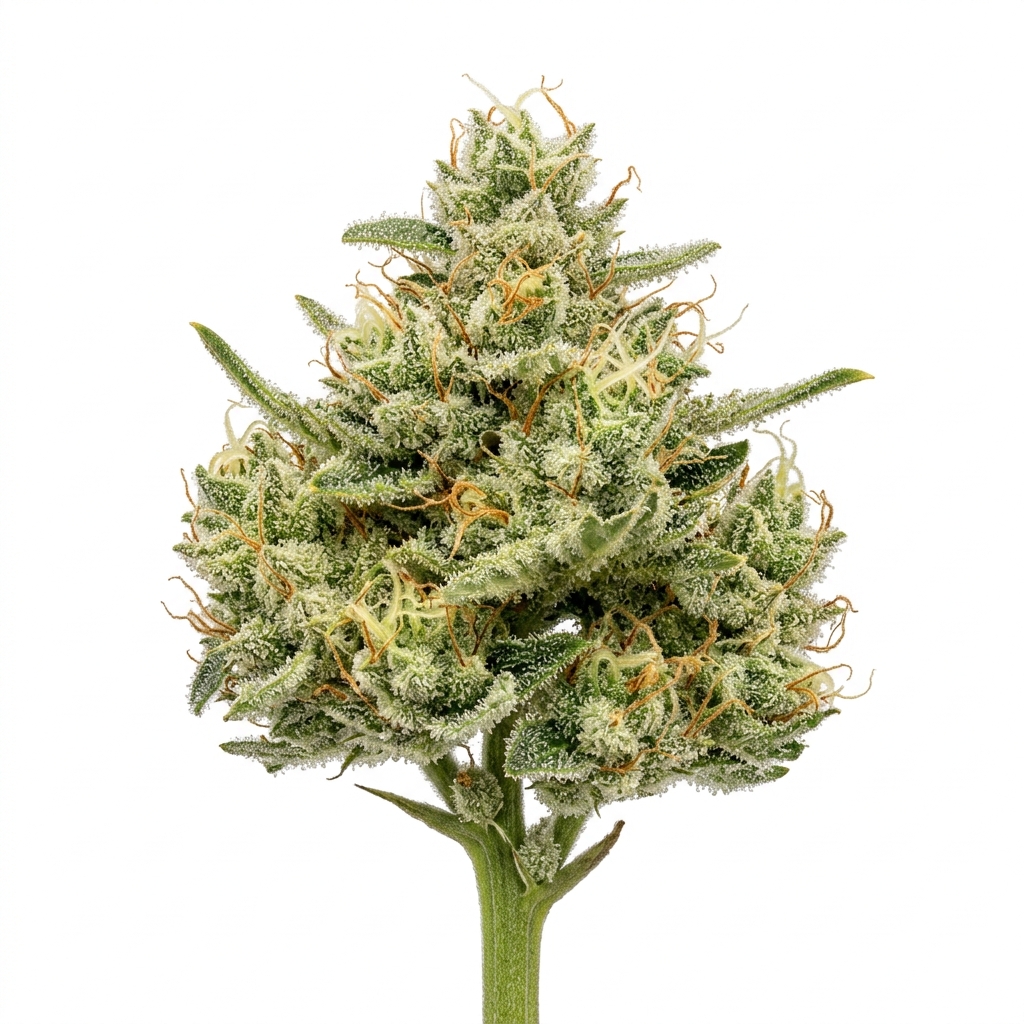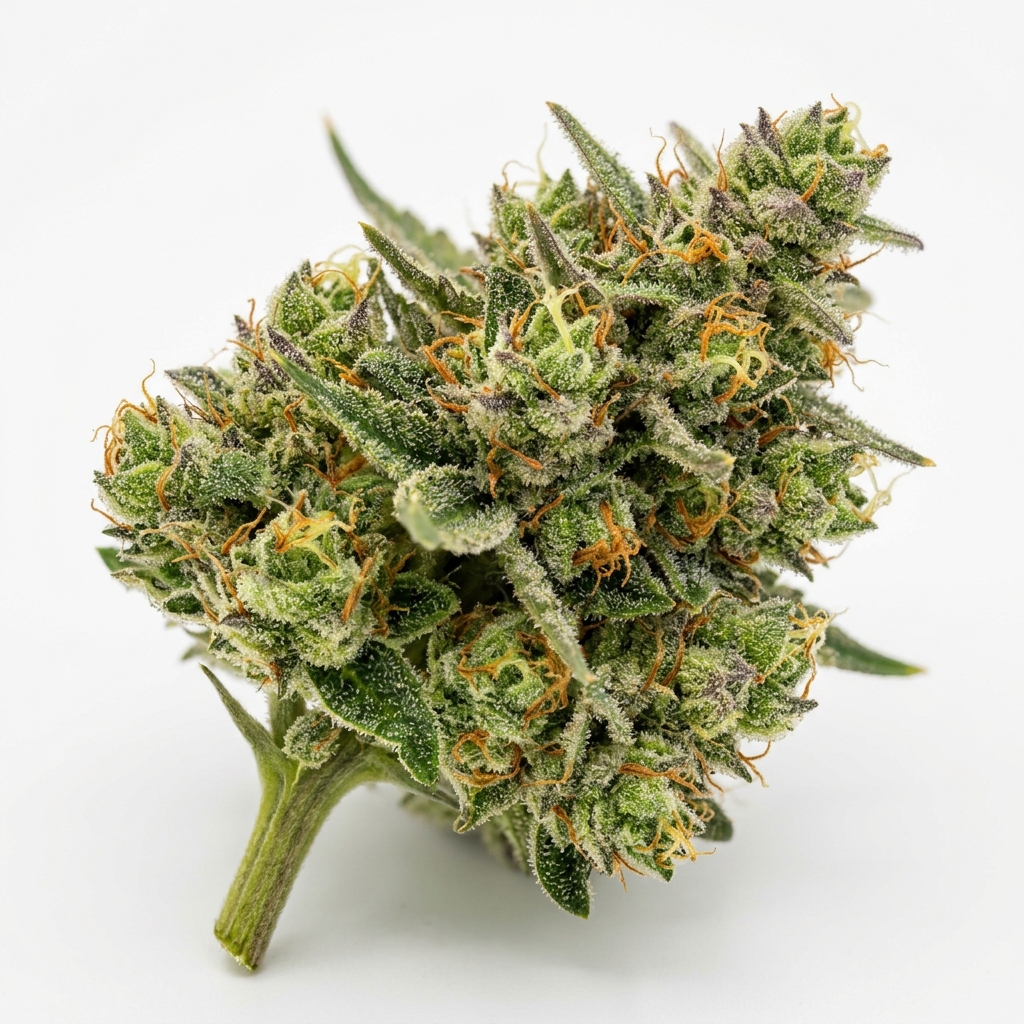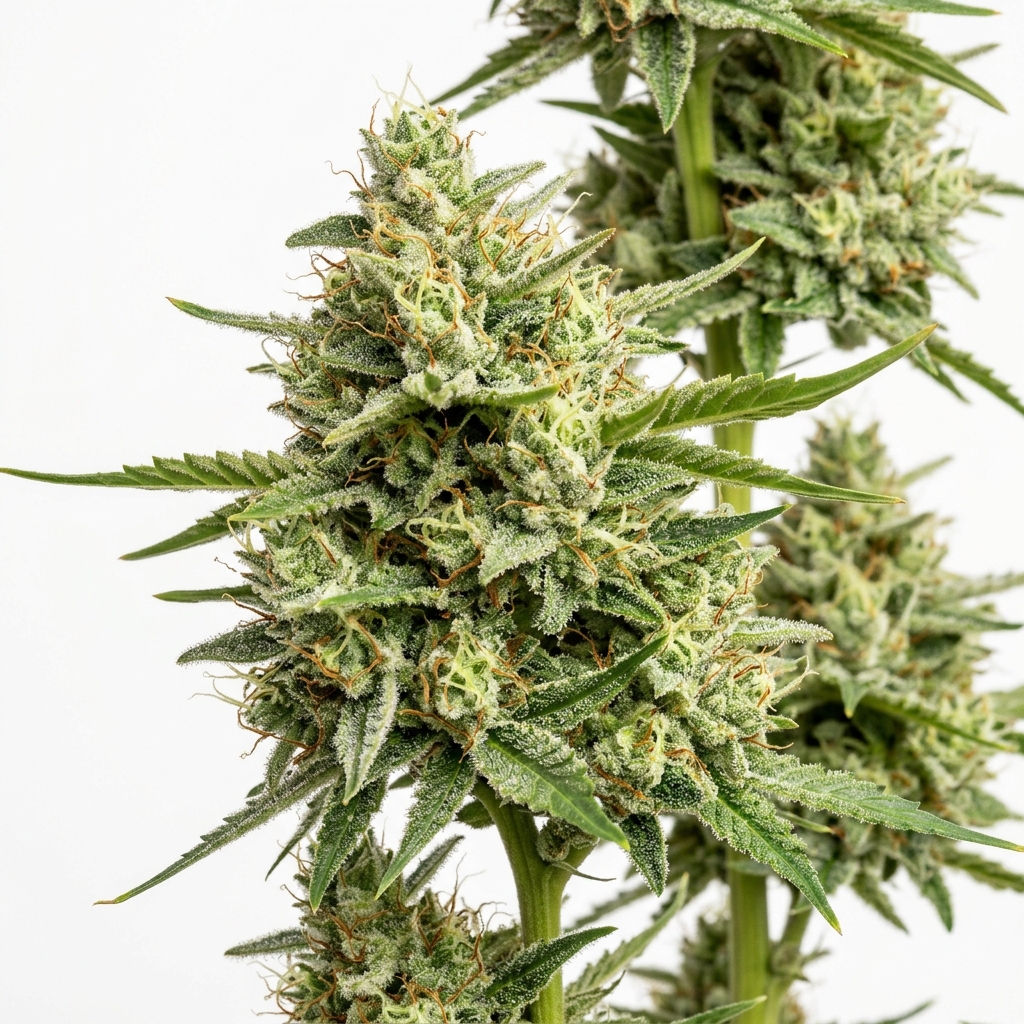
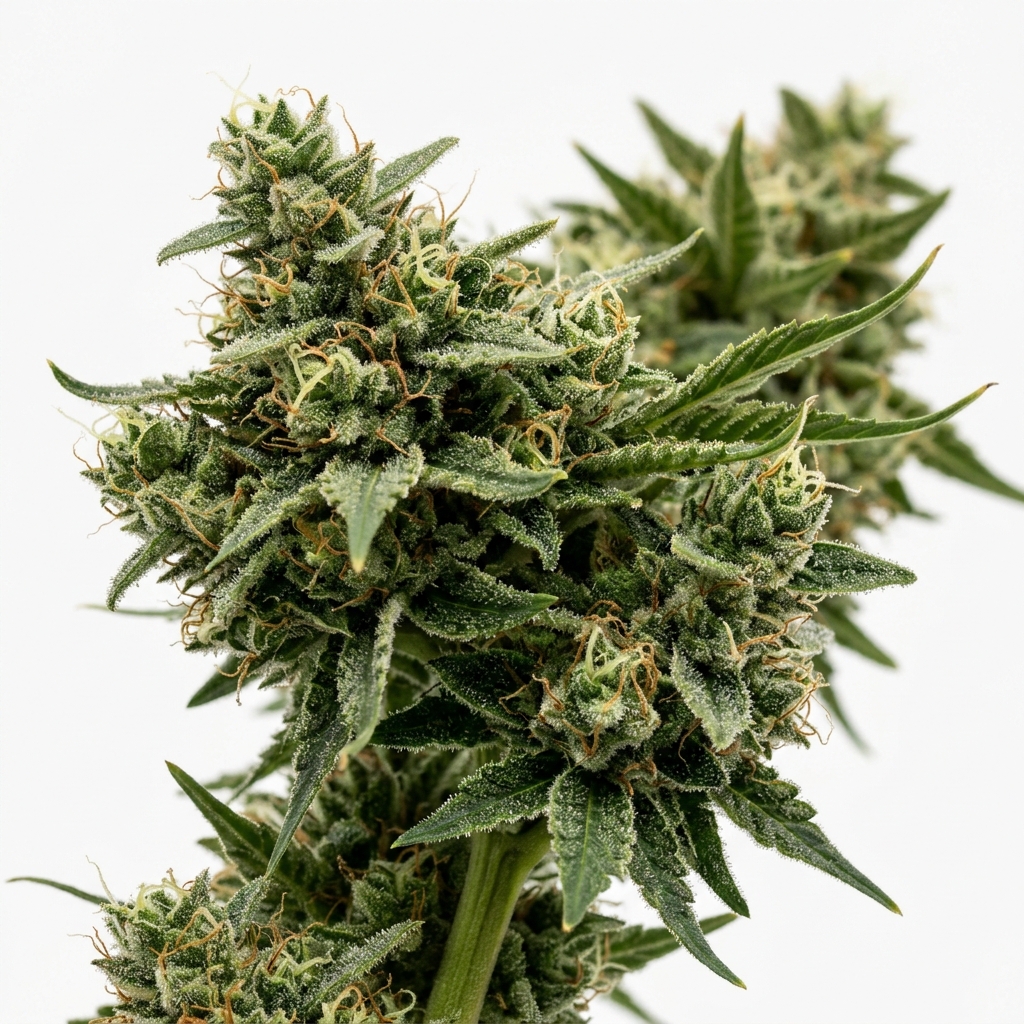
Dutch Baby is a modern hybrid cannabis cultivar named after the traditional baked pancake, a moniker reflecting its rich, sweet, pastry-forward aromatic profile. In legal regulated markets, Dutch Baby circulates under two distinct genetic traditions: one derived from dessert-lineage ancestry (Pancakes crossed with Project 4516) and another tracing back to classic Pacific Northwest genetics (Dutch Treat crossed with an unverified parent). Cultivated by craft producers including Exoticus and processed into live concentrates by regional extractors, Dutch Baby is characterized by dense trichome coverage, moderate-to-high cannabinoid concentration, and a terpene profile driven by myrcene, caryophyllene, and limonene that delivers comforting physical relaxation accompanied by a clear, easygoing mental state.
Strain Profile & Genetics
- Breeder: Disputed
- Genetics: Disputed (Pancakes × Project 4516 vs. Dutch Treat × Unknown)
- Strain Type: Hybrid
- THC Content: 22%–27% (Cultivator range; batch testing varies)
- CBD Content: <1% (Typically 0.05%–0.24%)
- Dominant Terpenes: Myrcene, Beta-Caryophyllene, Limonene
- Aroma: Sweet dough, vanilla cream, earthy spice
- Flavor: Pastry batter, creamy vanilla, subtle gas
- Mental Effects: Calm, clear cerebral buzz, mild euphoria
- Body Effects: Warm physical comfort, gentle relaxation
- Resin & Extraction: Suitable for whole-plant live resin and full-spectrum CO2 extractions
The genetic identity of Dutch Baby depends on the cultivator and regional market. In the Pacific Northwest, processors such as Farmer’s Friend Extracts document Dutch Baby as a pairing of Pancakes (London Pound Cake #75 × Kush Mints) and Grandiflora Genetics’ Project 4516 (Gelato 45 × Platinum Puff). This lineage aligns directly with its bakery-inspired name, passing down rich dessert terpene traits and moderate resin output. Concurrently, flower releases from craft growers such as Fire Dept. Cannabis catalog Dutch Baby as a cross of the heritage cultivar Dutch Treat with an unverified partner, leaning into brighter floral and herbal undertones. In commercial indoor settings like Oklahoma’s Exoticus, it is maintained as a proprietary hybrid phenotype selected specifically for doughy vanilla and spiced gas characteristics.
Aroma & Flavor
True to its culinary namesake, Dutch Baby features a rich aromatic bouquet dominated by sweet batter, baked dough, and Madagascar vanilla cream. Upon opening cured flowers or agitating the trichome heads, the sweet confectionary notes give way to deeper undertones of warm baking spice, light peppery fuel, and damp earth. On the palate, the smoke and vapor are notably smooth and creamy, carrying forward flavors of sweet pancake batter, confectioners’ sugar, and faint citrus, underpinned by a grounding, peppery earth finish on the exhale.
Terpene Profile
Analytical testing from commercial cultivators identifies three primary terpenes shaping the organoleptic and physiological properties of Dutch Baby:
- Myrcene: The dominant monoterpene providing herbal, earthy backnotes and reinforcing the cultivar’s soothing, physically relaxing baseline.
- Beta-Caryophyllene: A sesquiterpene that introduces warm, peppery spice while uniquely binding to peripheral CB2 cannabinoid receptors.
- Limonene: A cyclic monoterpene contributing a gentle citrus lift that complements the sweet vanilla bakery aromatics and supports mood elevation.
In hydrocarbon and full-spectrum CO2 extractions, total terpene content has been analytically quantified as high as 7.76%, capturing the volatile monoterpenes responsible for its characteristic sweet batter nose.
Potency & Cannabinoids
Commercial laboratory test results indicate that Dutch Baby cured flower generally falls within a potent cannabinoid bracket. Verified indoor cultivator baselines from Exoticus report a standard range of 22% to 27% THC. Individual single-batch dispensary testing has recorded specific results of 24% THC, 25.90% THC, 27.9% THC, and up to 30.63% THC depending on the agricultural cycle and phenotype. Secondary cannabinoids remain modest; cannabidiol (CBD) levels consistently register below 1%, with specific batches measuring between 0.05% and 0.24% CBD, or falling below the limit of quantitation (<LOQ). In concentrated hydrocarbon live resins and supercritical CO2 formats, THC potency routinely scales between 79.45% and 83%.
Reported Effects
Consumer experiences are inherently subjective and may vary according to tolerance, physiology, dose, and environment.
Mental Effects
Consumers frequently report an initial onset characterized by a calm, easygoing cerebral stimulation. Rather than inducing an overwhelming head rush or raciness, the cognitive shift is typically described as clear, tranquil, and mildly uplifting. It encourages passive focus, social ease, and stress reduction without mental cloudiness.
Body Effects
The somatic onset develops shortly after inhalation, manifesting as a warm, comforting body stone that relaxes the muscular framework. Users describe the sensation as grounding and mellow, alleviating physical tension while generally avoiding heavy sedation or immobilization when consumed in moderation.
Resin & Extraction Characteristics
Dutch Baby possesses dense, capitate-stalked glandular trichomes that retain high concentrations of both cannabinoids and volatile monoterpenes. Craft processors such as Fire Bros. have selected this cultivar for fresh-frozen, whole-plant hydrocarbon extraction, yielding full-flavored live resins that preserve the delicate pastry notes. Similarly, specialized CO2 extractors run Dutch Baby for full-spectrum vapor cartridges, capitalizing on its balanced resin head fragility and rich secondary terpene fractions.
Scientific & Botanical Overview
Botanically, Dutch Baby expresses morphology characteristic of modern polyhybrid cannabis. The inflorescences produce compact bract structures with a high calyx-to-leaf ratio, accented by forest-green coloration and interwoven with light-orange to pale-amber pistils. The cultivar’s pharmacological profile is dictated by the interaction between tetrahydrocannabinol and its myrcene-caryophyllene terpene matrix, demonstrating the entourage effect where terpene composition modulates the duration and qualitative nuance of cannabinoid receptor binding.
Lineage & Related Strains
Due to the dual lineage documented across legal markets, Dutch Baby is related to two major cultivar families:
- Pancakes: A dessert hybrid bred from London Pound Cake #75 and Kush Mints, passing down intense buttery, doughy aromatics.
- Project 4516: A Grandiflora release resulting from Gelato 45 crossed with Platinum Puff, known for dense purple calyxes, heavy trichome accumulation, and gassy undertones.
- Dutch Treat: An established Amsterdam staple believed to descend from Northern Lights and Haze, known for sweet pine, floral notes, and functional mental clarity.
Sources & Data Notes
Information on Dutch Baby is compiled directly from licensed state testing certificates, producer cultivar documentation (including Exoticus indoor cultivation records), and regional processors (such as Farmer’s Friend Extracts and Fire Bros.). Cultivation metrics including precise vegetative stretch, exact indoor flowering duration, and outdoor harvest weeks have not been released by original breeders and are therefore omitted to avoid speculation.
Dutch Baby Summary
Dutch Baby is a flavorful modern hybrid featuring an aromatic signature of sweet pastry batter, creamy vanilla, and light peppery fuel. Testing between 22% and 27% THC in commercial flower, it offers a balanced experience defined by gentle mental uplift and warm, grounding physical ease.