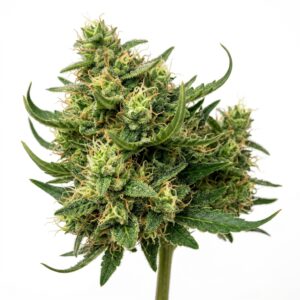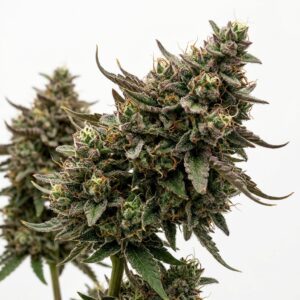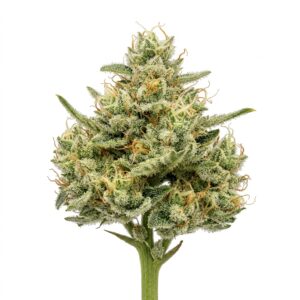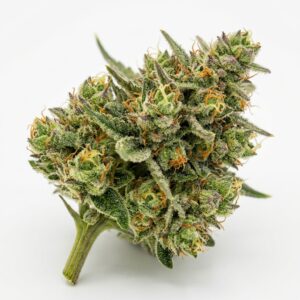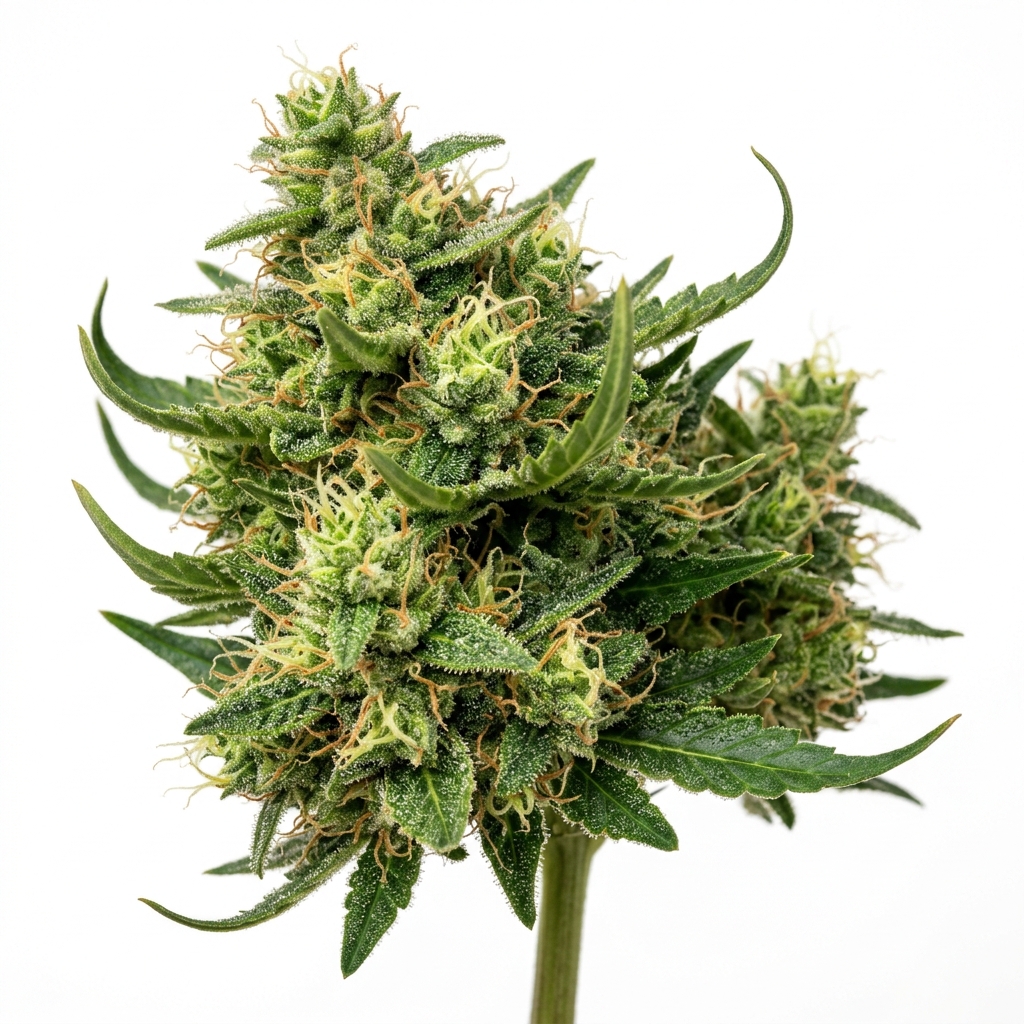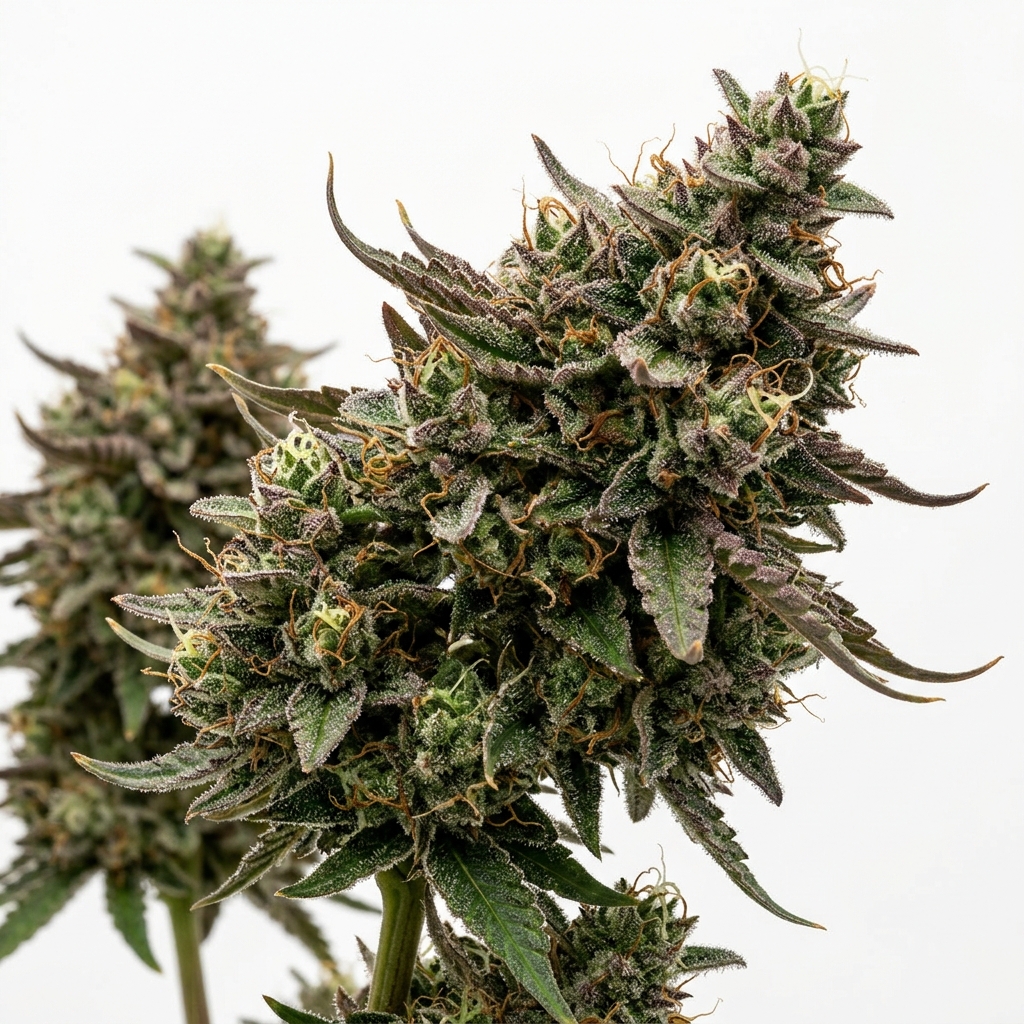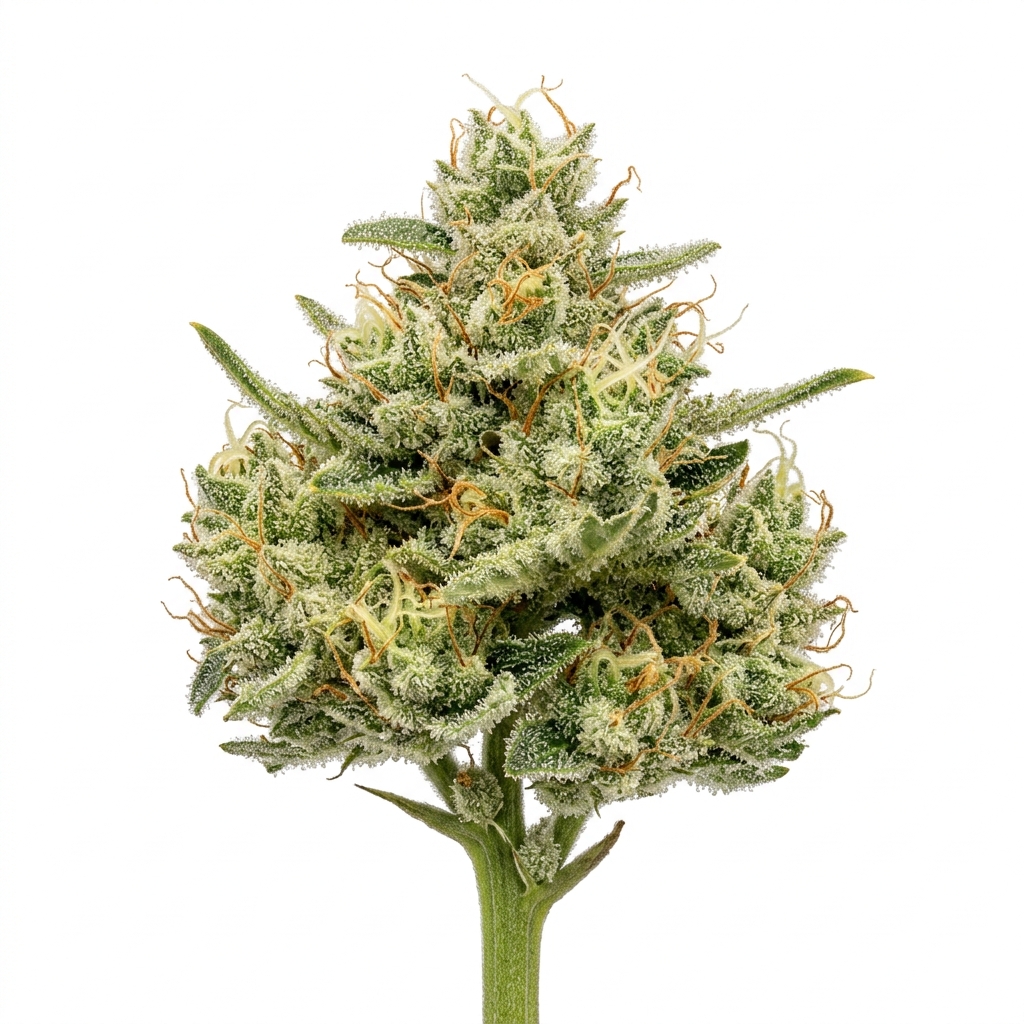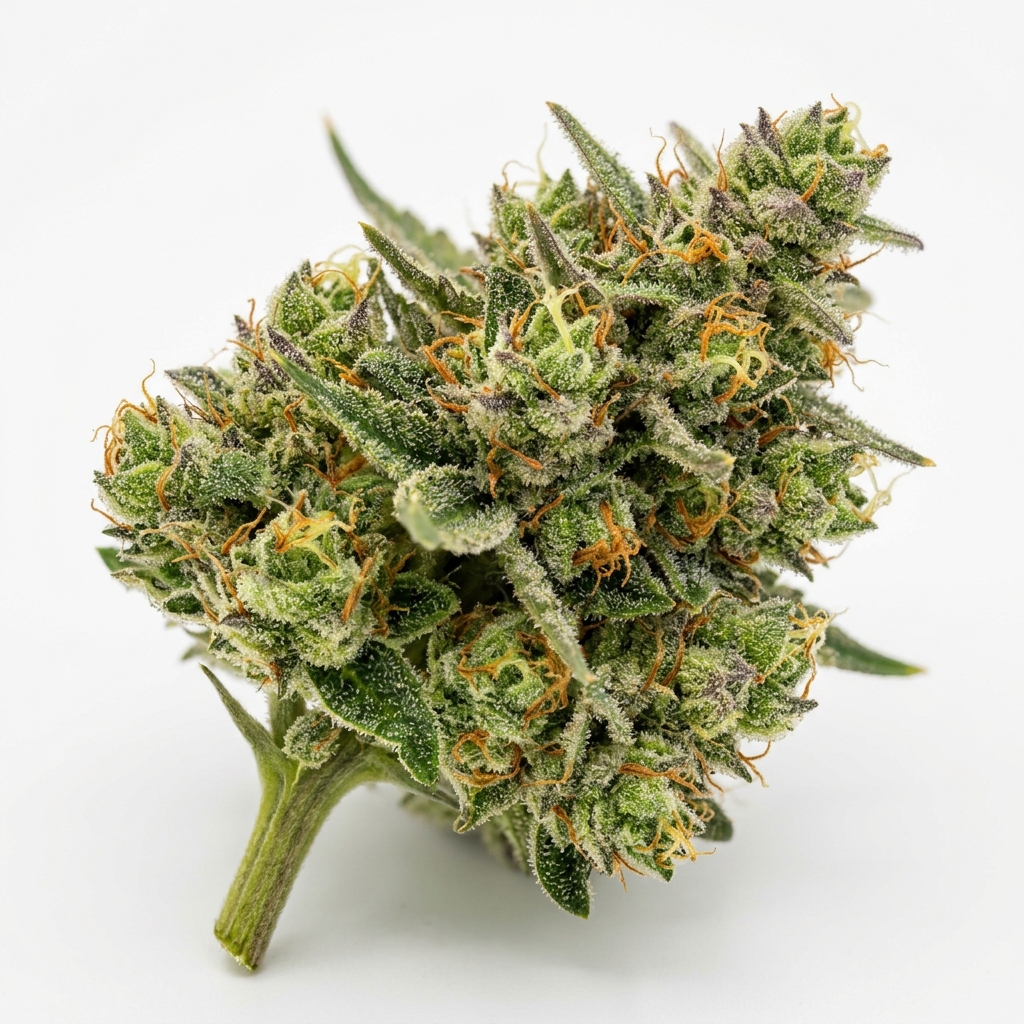
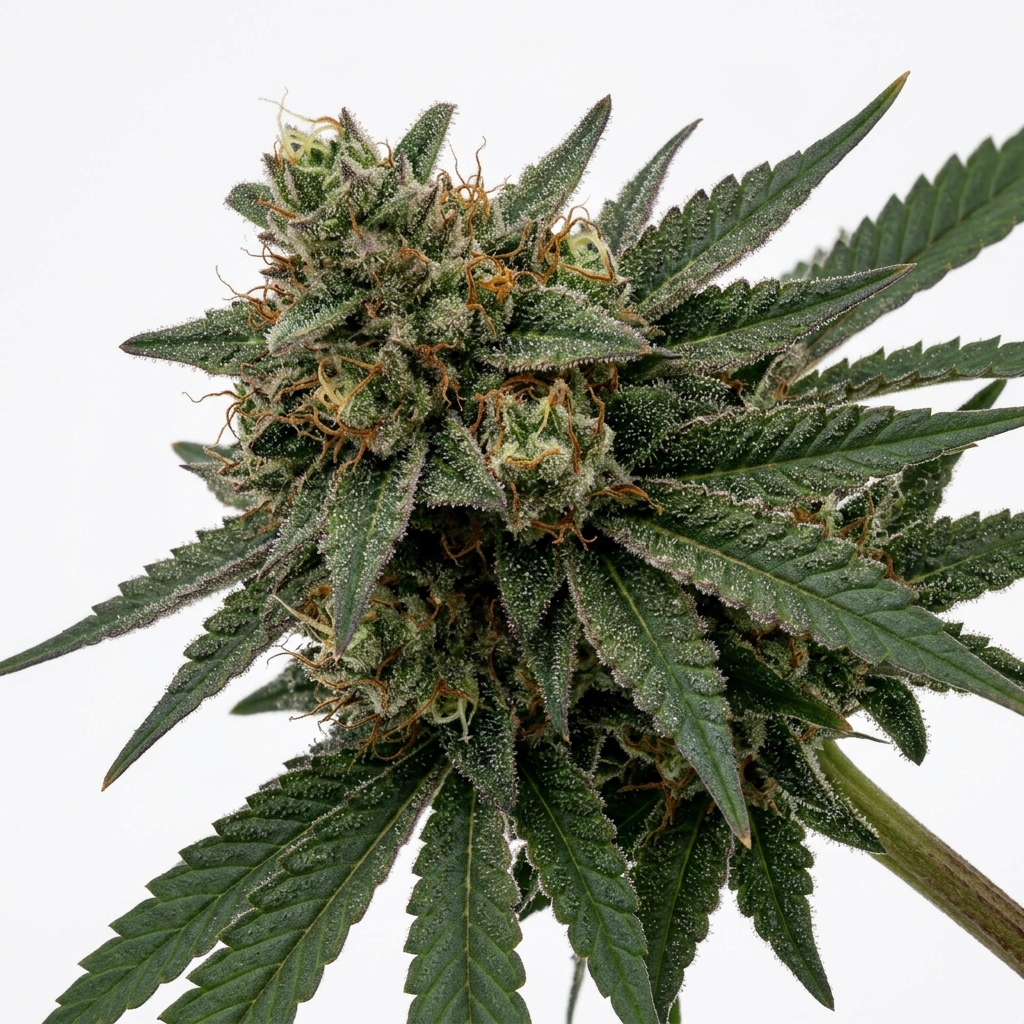
Blue Pinot is an indica-leaning hybrid cannabis cultivar bred and produced by the multi-state craft cultivator Grown Rogue. Selected as Phenotype #1 from a cross between Blue Runtz and Sun & Moon #3, the cultivar is celebrated for its dense floral morphology, heavy glandular trichome coverage, and complex aromatic signature featuring blueberry preserves, candied sugar, and the tannic, dark-fruit undertones of red wine. Although predominantly classified as an indica-dominant hybrid by its breeder and retail dispensaries, some secondary market aggregators have historically mischaracterized it as a generic cross of unnamed "Blue" and "Pinot" genetics.
Strain Profile & Genetics
- Breeder: Grown Rogue
- Genetics: Blue Runtz × Sun & Moon #3 (Phenotype #1)
- Type: Indica-dominant hybrid
- Seed Type: Not reliably established (propagated commercially via proprietary clonal stock)
- THC Content: Reported across dispensary lab panels between 23.89% and 27.2% total THC, with THCA levels documented up to 31%
- CBD Content: Reported between 0.04% and 0.4%
- Dominant Terpenes: Limonene, Beta-Myrcene, Linalool, Beta-Caryophyllene
- Plant Structure: Dense, tightly packed bract clusters with heavy resin saturation
- Aroma: Sweet blueberry jam, dark fruit, red wine, candied sugar, subtle pastry dough
- Flavor: Ripe berries, grape, candy sweetness, velvety wine-like finish, faint spice
- Mental Effects: Uplifting cerebral ease, mood elevation, clear-headed calm (reported/subjective)
- Body Effects: Physical soothing, gentle relaxation, somatic comfort without excessive sedation (reported/subjective)
- Resin / Extraction: High trichome head density; utilized commercially in hydrocarbon extracts and cured crumbles
Appearance
Blue Pinot produces compact, structural inflorescences characterized by tightly clustered floral bracts. The coloration is predominantly deep forest to olive green, often exhibiting darker violet and indigo hues inherited from its Blue Runtz lineage. The calyxes are heavily coated in a blanket of capitate-stalked glandular trichomes, which give the dried flowers a silver-frosted finish. Interspersed throughout the bracts are thin, tightly curled pistils ranging from pale copper to vibrant rust-orange. When broken down, the cured flowers reveal a fluffy, resin-rich consistency that maintains structural integrity due to high internal terpene and cannabinoid saturation.
Aroma & Flavor
The olfactory profile of Blue Pinot centers on sweet fruit and fermentative nuances. On initial inspection, the cured flowers release a fragrance reminiscent of cooked blueberry jam, ripe dark cherries, and sweet grape must. Beneath the initial fruit sweetness lies a subtle bakery element, characterized by warm, doughy pastry notes and an earthy spice. Upon inhalation, the vapor or smoke is velvety and sweet, coating the palate with notes of candied berries and confectionery sugar. The exhale introduces the wine-like finish that gives the cultivar its name, displaying delicate red wine acidity and mild peppery earthiness on the lingering palate.
Terpene Profile
Analytical batch testing reveals a terpene profile driven by a diverse array of monoterpenes and sesquiterpenes, regularly measuring above 2.0% total terpene content in commercial lots. In tested batches, the primary terpenes include:
- Limonene: Often the co-dominant or primary monoterpene (measuring between 0.37% and 1.02% in lab tests), providing bright citrus fruit notes and crisp sensory lift.
- Beta-Myrcene: Present in high concentrations (0.38% to 0.70%), contributing to the deep dark berry aroma, herbal undertones, and perceived physical calm.
- Linalool: Unusually prominent for a commercial hybrid (testing from 0.46% to 0.57%), imparting floral sweetness, lavender-like aromatics, and soothing properties.
- Beta-Caryophyllene: Documented at 0.24% to 0.36%, lending subtle peppery spice, warm woodiness, and peripheral cannabinoid receptor engagement.
- Secondary Terpenes: Lab certificates routinely detect trace-to-moderate fractions of Beta-Pinene (0.09%–0.10%), Humulene (0.08%–0.10%), Phytol (0.09%), Alpha-Pinene (0.05%–0.07%), Bisabolol (0.05%–0.06%), and Caryophyllene Oxide (0.01%).
Potency & Cannabinoids
Laboratory certificates of analysis for Blue Pinot show substantial cannabinoid production dominated by THCA. Fully finished flower tested by licensed state laboratories in Oregon and Michigan typically yields total THC values between 23.89% and 27.2%, with raw THCA values ranging between 25.25% and 27.00% (and select harvest reviews reporting up to 31% THCA). Neutral delta-9 THC generally sits between 2.29% and 3.01% in mature cured samples. Minor cannabinoids appear in trace amounts, including CBGA (approximately 0.32%), CBG (0.08%), and CBDA (0.04% to 0.06%). Non-verified third-party menu aggregators occasionally list generalized ranges of 17% to 22% THC, though verified production batches from the breeder consistently demonstrate higher analytical potency.
Effects
Effects reported by adult consumers are subjective and vary based on individual tolerance, physiology, and dosage. However, Blue Pinot is broadly reported to provide a balanced experience that blends cerebral tranquility with physical ease.
Mental Effects
Consumers describe an initial onset marked by a smooth, mood-elevating head buzz. This phase is frequently reported to diminish mental noise, providing a state of serene focus, emotional lightness, and cheerful euphoria without generating racing thoughts or intense stimulation.
Body Effects
Following the cerebral onset, a warm and calming sensation spreads across the shoulders and limbs. The body effects are relaxing and physically soothing, often helping to relieve mild somatic tension. Unlike heavier sedating cultivars, Blue Pinot is typically described as functional at moderate doses, allowing consumers to remain engaged before gradually transitioning into peaceful restfulness.
Cultivation Characteristics
Blue Pinot was developed through in-house pheno-hunting projects conducted by Grown Rogue, a licensed cannabis company founded in 2016 in the Rogue Valley of southern Oregon. The breeder cultivates the cut in both outdoor light-assisted environments in Oregon and advanced indoor climate-controlled facilities in Bay City, Michigan. Because the strain is held in a closed commercial catalog, retail seed releases have not occurred, and specific horticultural metrics such as exact vegetative stretch ratios, precise flowering week counts, and square-meter yields remain proprietary to commercial grow operations.
Resin & Extraction Characteristics
Due to its dense glandular trichome development and complex terpene profile, Blue Pinot has been utilized for concentrated cannabis products. In commercial operations, licensed extraction processors (such as Gold Crown in partnership with Grown Rogue) have used the cultivar to create hydrocarbon-extracted cured crumbles and badder, with concentrates testing near 80% total THC. The cultivar's resilient resin heads preserve high levels of volatile berry and wine-like terpenes through light hydrocarbon extraction.
Scientific & Botanical Overview
Botanically, Blue Pinot is a polyhybrid specimen of Cannabis sativa L., specifically selected to favor terpene combinations with elevated levels of linalool and myrcene alongside a high-expression THCA synthase pathway. The presence of linalool alongside significant beta-caryophyllene creates an interesting chemical synergy; caryophyllene acts as a dietary cannabinoid binding selectively to peripheral CB2 receptors, while linalool modulates central nervous system excitability via neurotransmitter pathways. The visual anthocyanin expression (giving rise to purple tones in the foliage and calyxes) is triggered during late flowering in response to light spectrum changes and cooler nocturnal root-zone temperatures, reflecting inherited genetic traits from its ancestral Gelato and Runtz parents.
Lineage & Related Strains
Blue Pinot is an exclusive cross between:
- Blue Runtz: A cross of Blue Power and Runtz, renowned for its heavy blueberry confection flavor, sweet candy aromatics, and dark coloration.
- Sun & Moon #3: A proprietary breeding cultivar utilized extensively in Grown Rogue's internal breeding program.
Within Grown Rogue's breeding catalog, sister phenotypes and related lines include Lazuli Runtz (Blue Runtz × Sun & Moon #3, Phenotype #7), Practical Magick (Rainbow Runtz × Sun & Moon #3), and Sleeping Beauty ((BCC × Jealousy) × Sun & Moon #3). Blue Pinot should not be confused with vintage strains such as Pinot Noir or Pinot Green, which possess entirely distinct parentage.
Sources & Data Notes
Information regarding Blue Pinot's lineage, phenotypic selection, and official classification is drawn directly from the internal cultivar registry of Grown Rogue. Analytical data, including cannabinoid concentrations and terpene percentages, are aggregated from third-party certified testing laboratories and dispensary packaging documentation in the regulated markets of Oregon and Michigan. Unsubstantiated claims from retail scrapers citing unspecified lineages or generic sativa classification are superseded by primary documentation from the breeder.
Blue Pinot Summary
Blue Pinot is a modern craft hybrid bred by Grown Rogue via the hybridization of Blue Runtz and Sun & Moon #3 (Phenotype #1). Celebrated for its unique fusion of blueberry jam, candied sweetness, and rich red wine aromatics, the cultivar couples exceptional dessert flavors with a verified cannabinoid profile testing between 23% and 27% total THC. With a terpene architecture led by limonene, myrcene, linalool, and caryophyllene, Blue Pinot offers a balanced, serene mental clarity alongside smooth physical ease, making it a distinguished modern representative of the fruit-and-candy hybrid continuum.