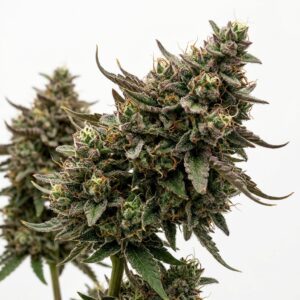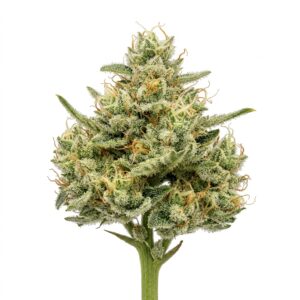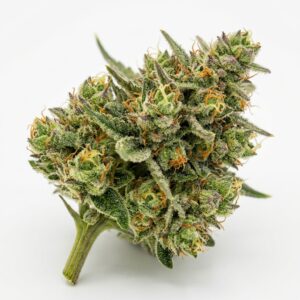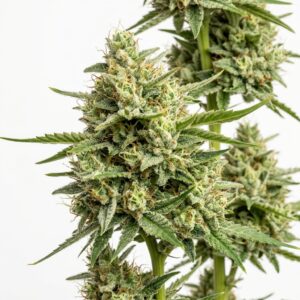
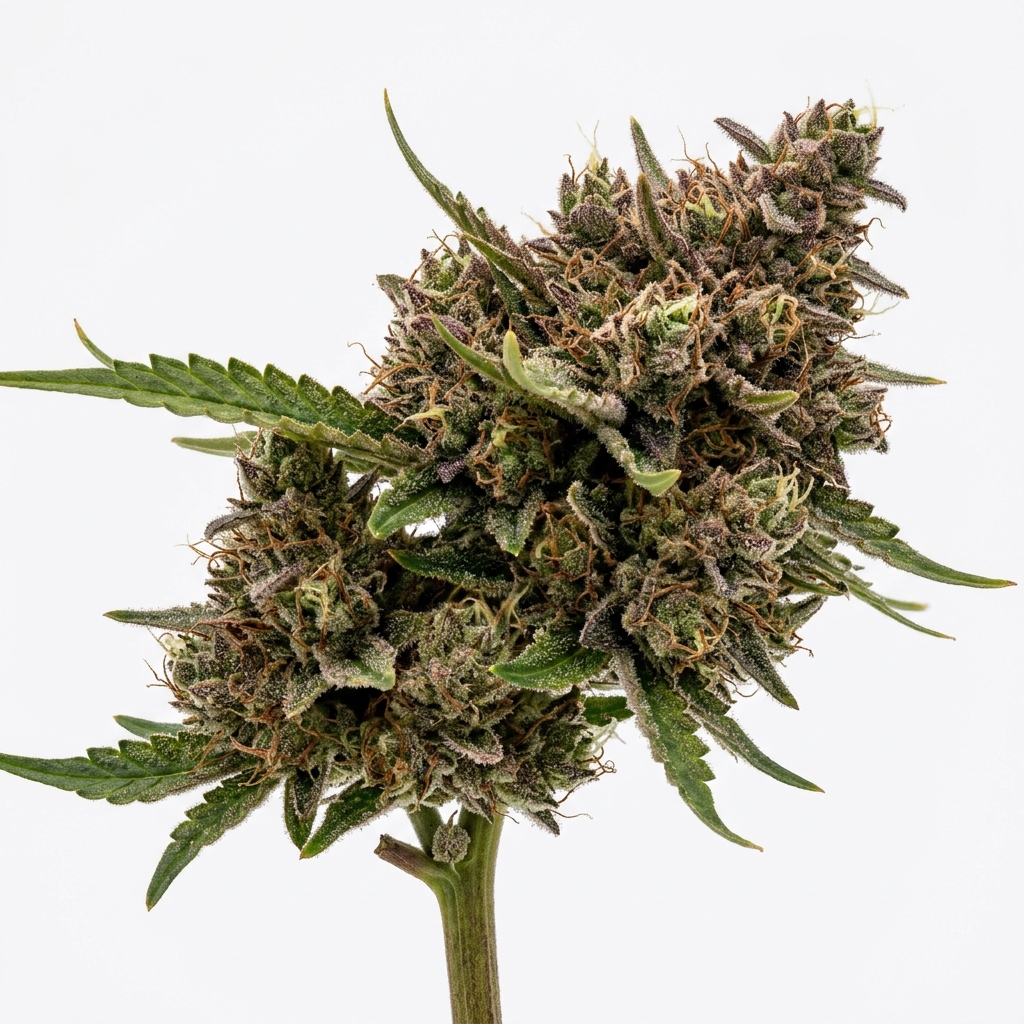
Caddi Rainbows is an indica-dominant hybrid cannabis cultivar recognized for its dense, trichome-laden floral structure and a pungent aromatic profile blending confectionary sweetness with sharp fuel and damp earth. Within the commercial cannabis landscape, the name is primarily associated with select craft releases—most notably curated in regulated markets by brands such as 93 Boyz—as well as documented boutique seed selections that unite elite modern dessert and gas lineages.
Strain Profile & Genetics
The genetic background of Caddi Rainbows features minor naming overlap and lineage divergence depending on the cultivator and regional market:
- Breeder: Disputed (Commercial dispensary flower released under the name is linked to the 3rd Coast Genetics pedigree; standalone botanical registries note uncredited craft selections).
- Genetics: Disputed (Widely documented in regulated commercial distribution as Pure Michigan × Runtz, identical to Cadillac Rainbows; separately documented in specialist genetic records as Caddy Lack × Rainbow Belts).
- Cultivar Type: Indica-dominant hybrid (reported at approximately 70% indica / 30% sativa).
- Reported THC: 22% – 28%.
- Reported CBD: Less than 1%.
- Primary Terpenes: Beta-Caryophyllene, Limonene, Alpha-Humulene, Beta-Myrcene, and Linalool.
- Flowering Time: 56 – 63 days (8 – 9 weeks).
- Plant Structure: Medium-height canopy with tight internodes and sturdy lateral branching.
- Yield Potential: 450 – 550 g/m² indoors.
- Aroma: Sour fuel, tart candy, ripe citrus, dark fruit, and damp earth.
- Flavor: Sugary fruit confectionery, sharp diesel, lemon zest, and herbal spice.
- Reported Mental Effects: Cerebral euphoria, gentle mood elevation, and tranquil clarity.
- Reported Body Effects: Deep physical grounding, limb heaviness, and evening muscle relaxation.
- Resin Characteristics: High density of bulbous, capitate-stalked trichomes suitable for solventless extraction.
Appearance
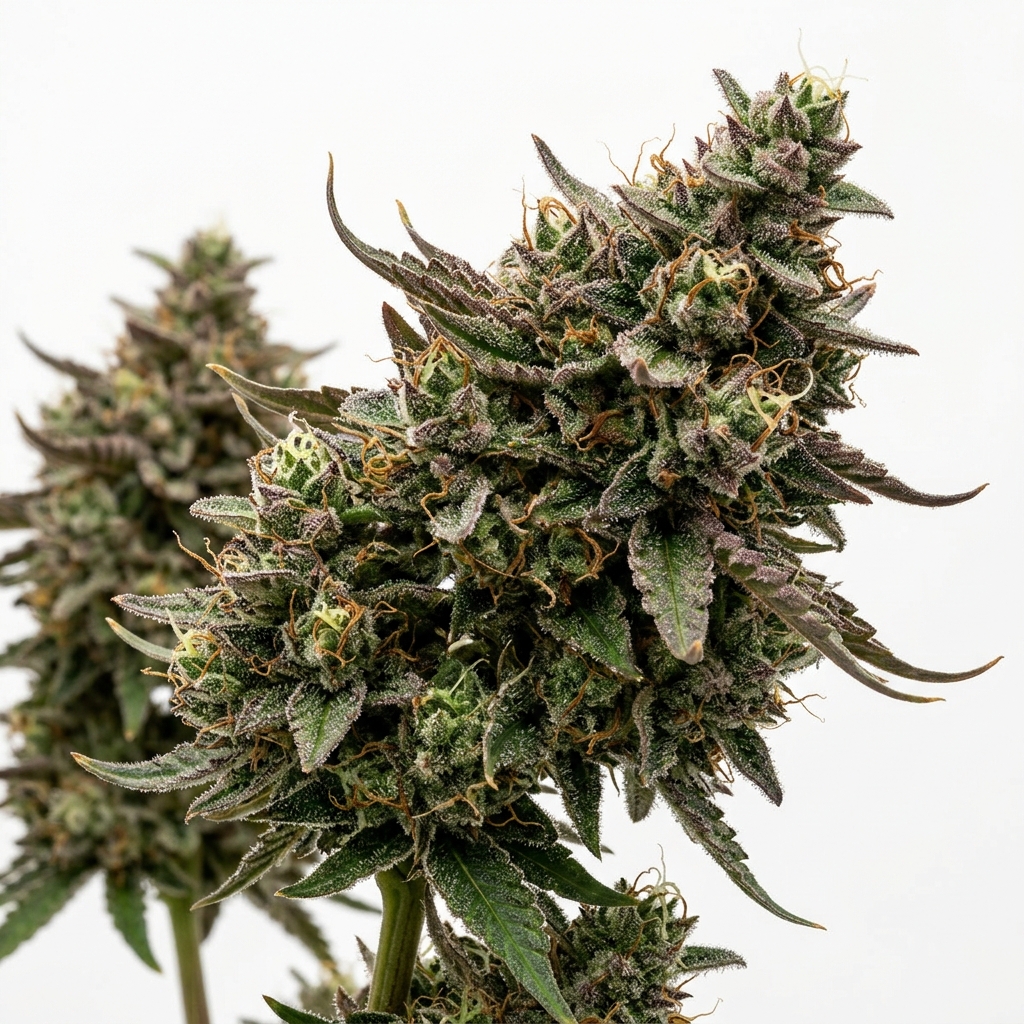
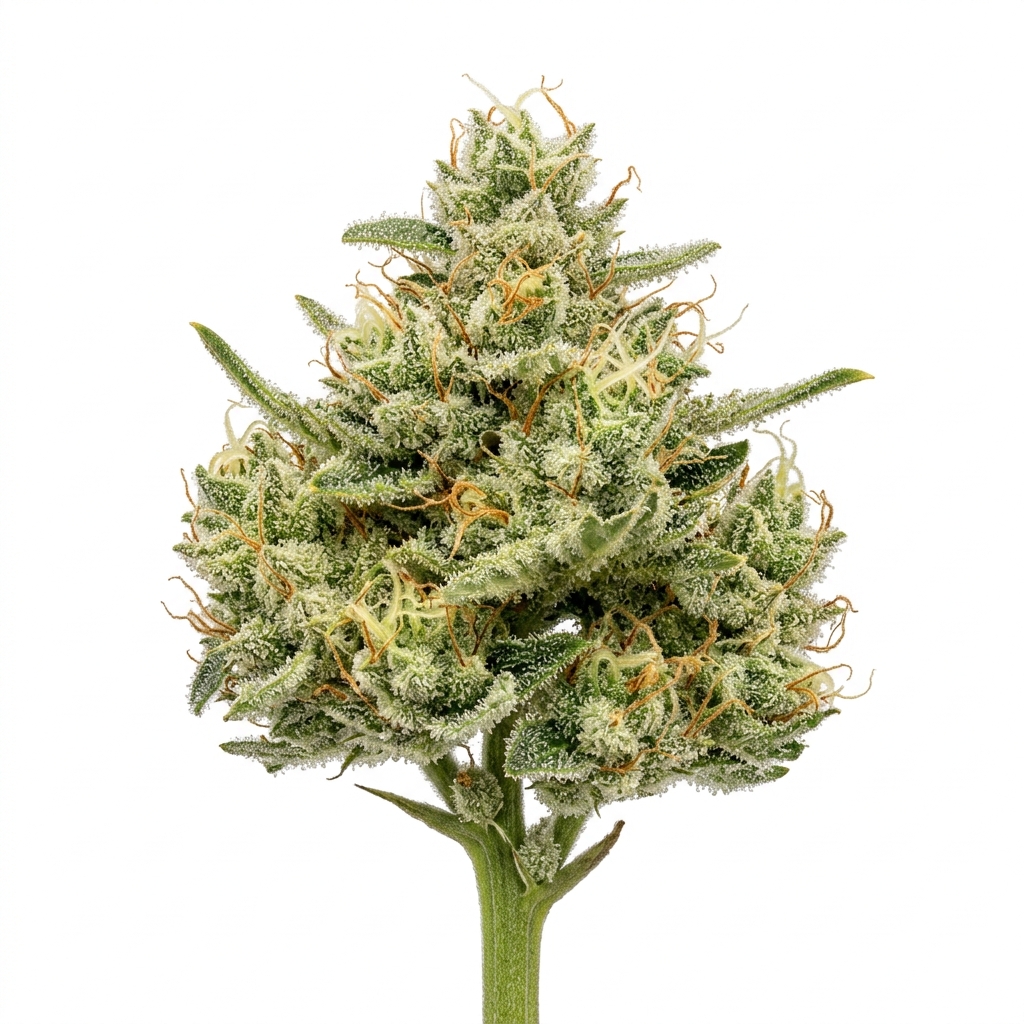
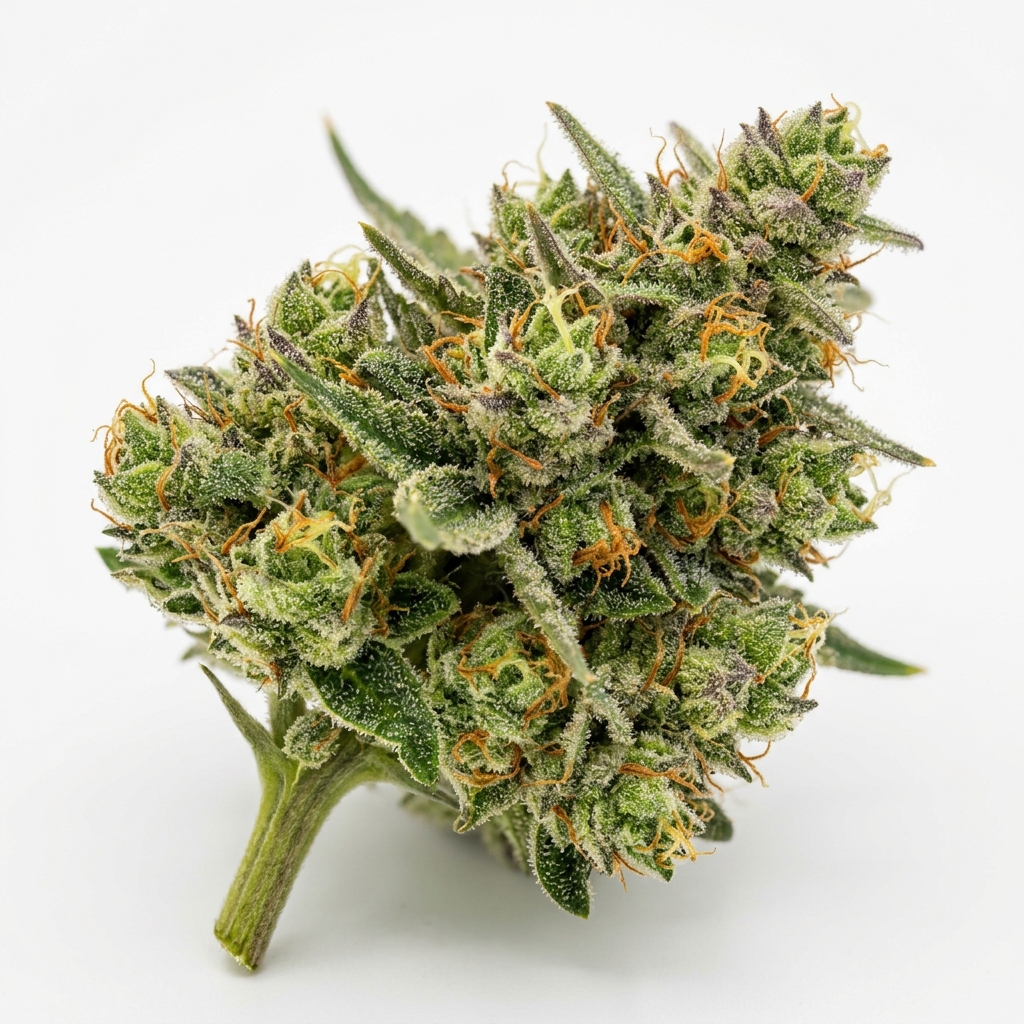
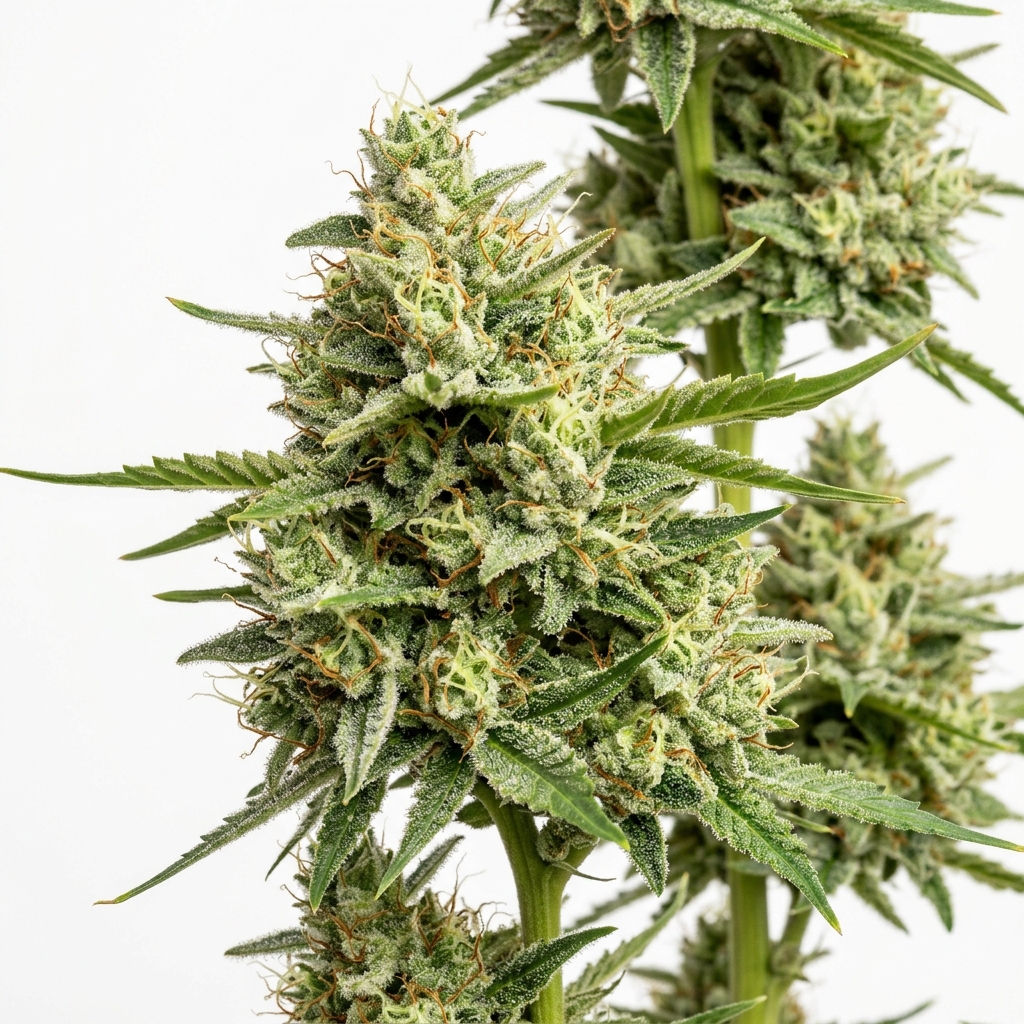
Caddi Rainbows develops compact, conical inflorescences with a high calyx-to-leaf ratio. The base floral bracts display an olive-green tone, frequently accented by intense shades of plum and deep violet caused by anthocyanin expression in late bloom. These dark calyx clusters are interwoven with thin, curling reddish-orange pistils and enveloped by an unbroken blanket of glistening, capitate-stalked glandular trichomes, giving the cured flower a frosted, silver-hued sheen.
Aroma & Flavor
The olfactory profile of Caddi Rainbows is assertive and multi-layered. Upon opening a container or breaking apart a cured bud, the cultivar releases a sharp blast of chemical diesel and damp, earthy musk inherited from its fuel-heavy ancestors. This pungency is quickly balanced by sweet, sugary notes resembling fruit candy, citrus rind, and faint cherry. On inhalation, the smoke or vapor delivers a bright, tart candy flavor backed by tangy lemon, followed on the exhale by an earthy, peppery gas that lingers distinctly on the palate.
Terpene Profile
Analytical lab testing of Caddi Rainbows identifies a terpene composition dominated by sesquiterpenes and monoterpenes:
- Beta-Caryophyllene: Typically the primary constituent (testing around 0.38% in representative lab analyses), imparting cracked black pepper, warm spice, and anti-inflammatory characteristics through direct CB2 receptor activation.
- Limonene: The second most prominent terpene (testing around 0.21%), providing bright citrus zest and mood-elevating aromatics.
- Alpha-Humulene: Supplies an earthy, woody undertone that complements the peppery bite of caryophyllene.
- Beta-Myrcene: Present in moderate concentrations, contributing herbal musk and synergistic physical calm.
- Linalool: Adds soft lavender-like floral accents that temper the heavier hydrocarbon pungency.
- Minor Terpenes: Measurable traces of alpha-bisabolol, beta-pinene, alpha-pinene, and caryophyllene oxide contribute to its nuanced bouquet.
Potency & Cannabinoids
In dried whole flower form, laboratory certificates of analysis commonly report total THC concentrations ranging between 22% and 28% (with specific premium cultivation batches recorded at 24.26% THCA up to 28.51% total THC). Secondary cannabinoids appear in meaningful concentrations, including CBGA (often 0.90% to 1.10%), neutral CBG (up to 0.97%), CBC (around 0.32%), and trace levels of CBN (0.23%) and THCV (0.17%). Cannabidiol (CBD) levels remain low, typically testing under 0.2%, creating a distinctly psychoactive, THC-forward cannabinoid ratio.
Effects
Subjective consumer and patient reports indicate consistent phases of onset and duration:
Mental Effects
The initial onset begins with a cerebral glow characterized by pleasant euphoria, pressure behind the eyes, and a quiet slowing of racing thoughts. Users report a gentle, creative headspace that eases social tension without provoking disorientation or acute raciness when enjoyed in moderate doses.
Body Effects
As the session progresses past the twenty-minute mark, the physical characteristics of the cultivar become pronounced. A warm heaviness moves across the neck and shoulders, descending through the torso and legs. While the strain allows for moderate functionality during early stages, higher consumption or extended sessions consistently transition into heavy couchlock and sedation, making it primarily suited for late afternoon or nighttime wind-down.
Cultivation Characteristics
Cultivation records from specialist sources indicate that Caddi Rainbows performs with predictable hybrid vigor during the vegetative cycle before shifting into a compact, manageable blooming phase:
- Growth Habit: Demonstrates broad fan leaves, dense foliage, and short internodal spacing. A standard early-bloom vertical stretch multiplier of 1.5× to 2× allows for controlled training under indoor ceilings.
- Flowering Duration: Floral maturity is reached between 56 and 63 days (8 to 9 weeks) of a standard 12/12 photoperiod.
- Environmental Preferences: Prefers temperate day temperatures (23 – 26°C / 73 – 78°F) during mid-bloom. Lowering night temperatures below 20°C (68°F) during the final two weeks enhances the deep purple anthocyanin pigmentation. Due to the high floral density, relative humidity must be managed below 45% in late flower to protect against botrytis.
- Indoor Yields: Yields are classified as moderate to heavy, with well-managed canopies producing 450 to 550 g/m² under modern LED arrays.
Resin & Extraction Characteristics
Caddi Rainbows is notably favored among solventless extractors due to its mechanical trichome properties. The flowers produce a heavy distribution of large, mature capitate-stalked glandular trichomes with brittle abscission zones. These trichome heads release readily during cold-water agitation (ice-water hash separation) in the 73µm to 120µm wash bags. Live rosin pressed from this cultivar preserves the sweet candy gas profile, yielding an aromatic, pale gold extract that holds high terpene clarity.
Scientific & Botanical Overview
From a botanical standpoint, Caddi Rainbows expresses broad-leaf drug (BLD) morphotype tendencies, evident in wide leaflet blades, moderate stature, and heavily clustered axillary inflorescences. Secondary metabolite synthesis demonstrates high enzymatic activity along the olivetolic acid pathway, channeling predominantly into THCA and CBGA synthases. The cultivar’s aromatic richness stems from the pairing of alkyl-substituted sesquiterpenes (caryophyllene and humulene) with monoterpene alcohols, producing an organoleptic balance between high-volatility citrus esters and dense sesquiterpene base notes.
Lineage & Related Strains
The genetic identity of Caddi Rainbows connects directly to some of the most influential breeding lines of modern cannabis:
- Cadillac Rainbows (Pure Michigan × Runtz): The foundational hybrid bred by 3rd Coast Genetics, which supplies the genetic backbone for dispensary lots labeled as Caddi Rainbows. It links the earthy, gas-heavy ancestry of Oreoz and Mendo Breath (via Pure Michigan) with the candy-sweet profile of Zkittlez and Gelato #33 (via Runtz).
- Rainbow Belts (Zkittlez × MoonBow): Cited in alternative boutique crosses of Caddi Rainbows, contributing zesty confectionary sweetness and refined solventless washing performance.
- Caddy Lack: A gas-dominant descendant of Chemdawg and OG Kush genetics that reinforces pungent petroleum traits and dense calyx stacking.
Sources & Data Notes
Data compiled for this profile originates from licensed cannabis testing results (including Illinois state-compliant compliance testing for 93 Boyz flower lines), breeder documentation from 3rd Coast Genetics, and verified agronomic entries from botanical registries including Strainpedia. Where naming overlap occurs between commercial brand abbreviations and alternative lineage crosses, conflicting claims are explicitly designated to maintain factual transparency.
Caddi Rainbows Summary
Caddi Rainbows represents a modern cross-section of candy and fuel cannabis genetics. With tested THC levels between 22% and 28%, an indica-leaning growth profile, and a dense coating of solventless-grade trichomes, it remains a premier choice for consumers seeking rich flavor complexity and deep physical relaxation.