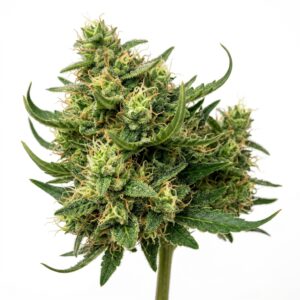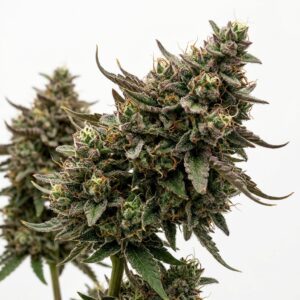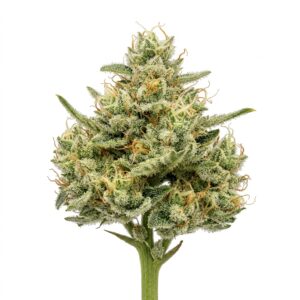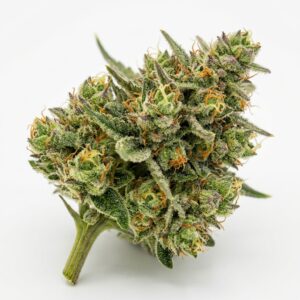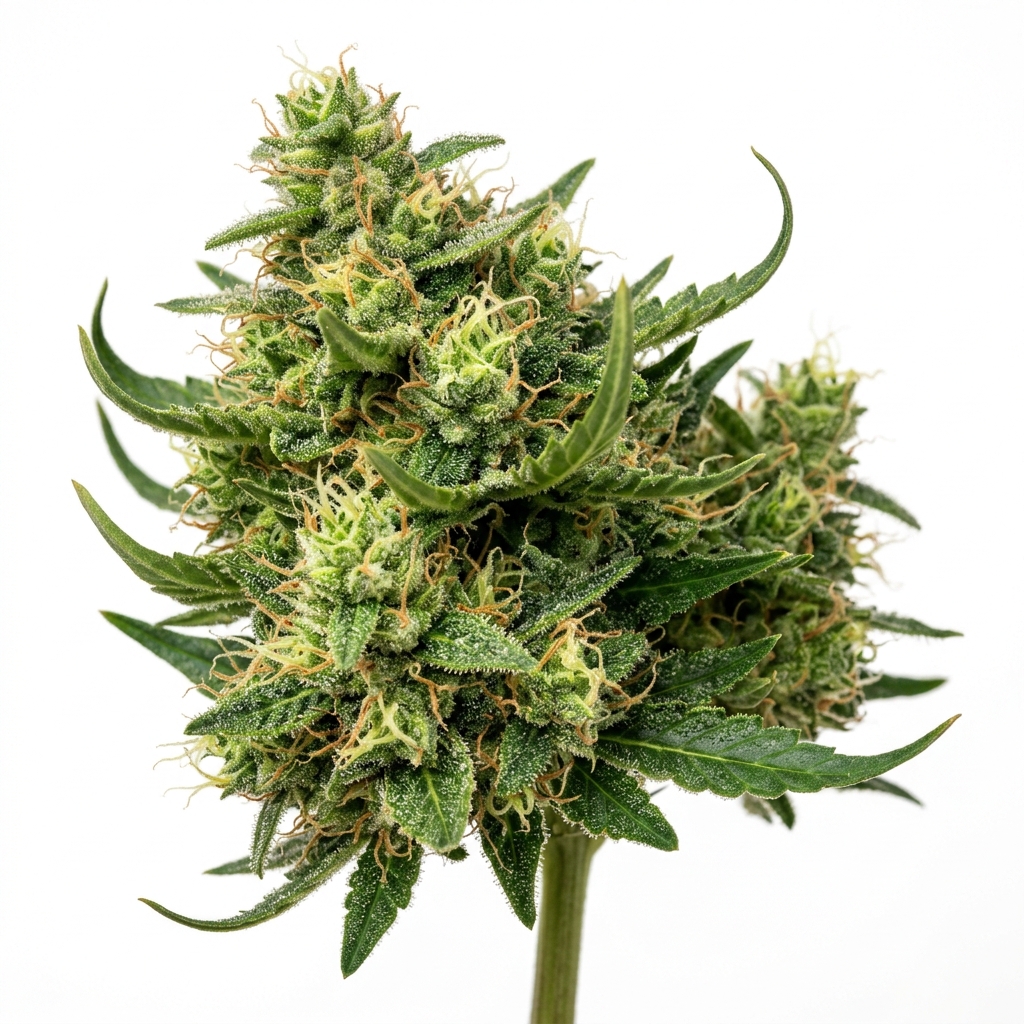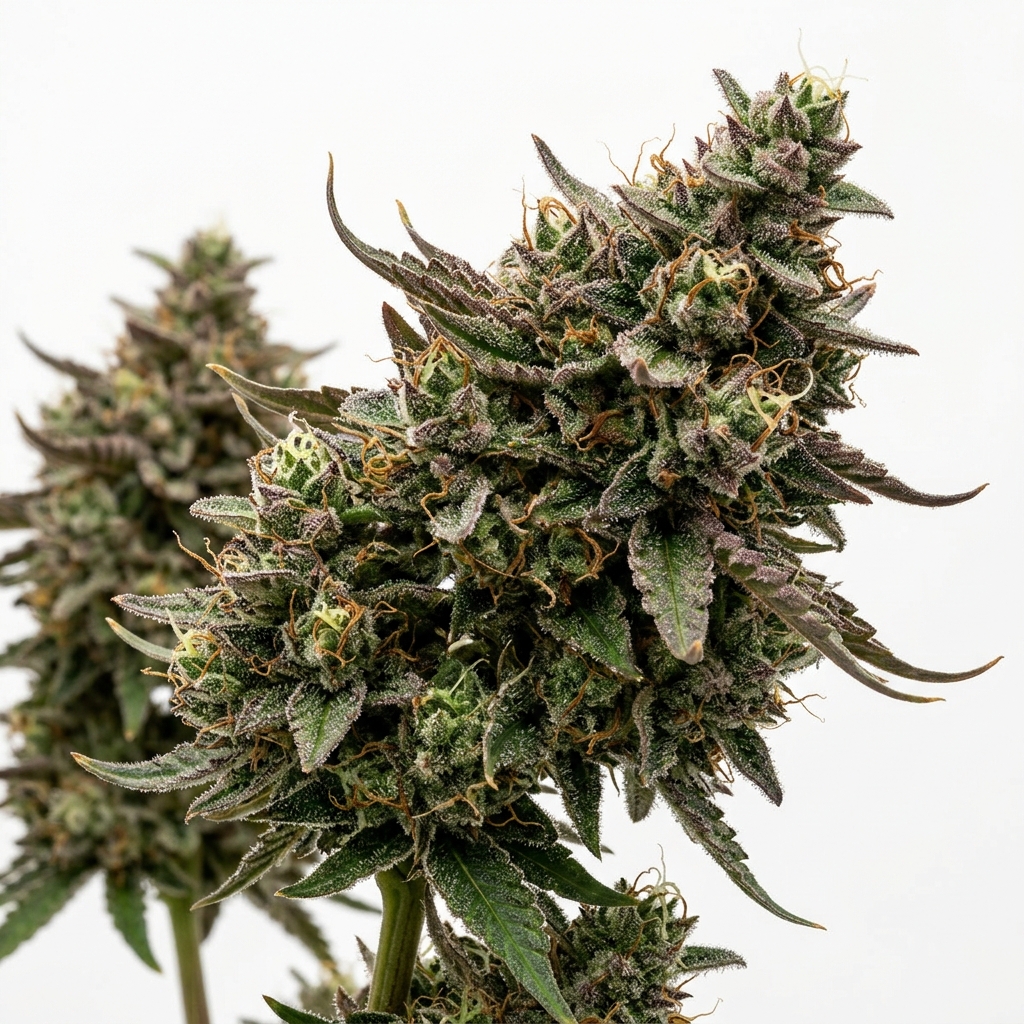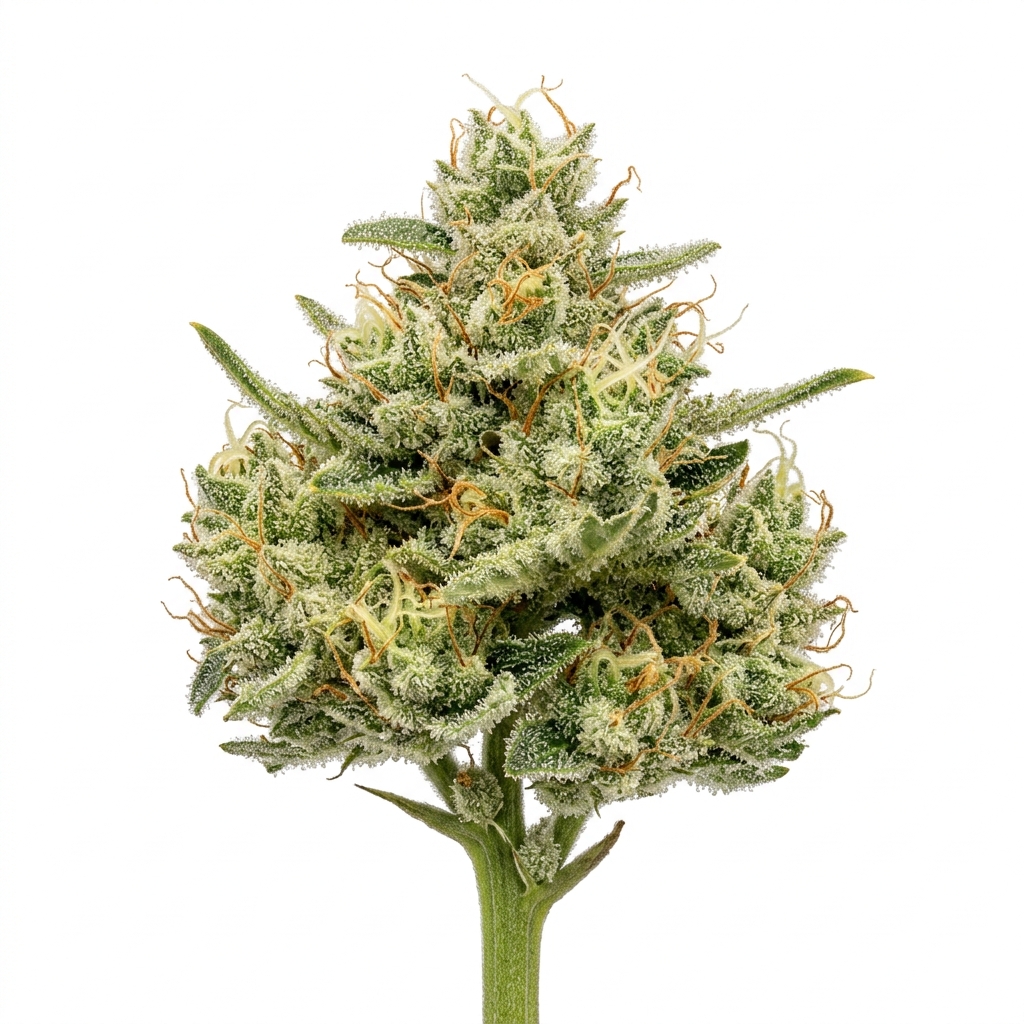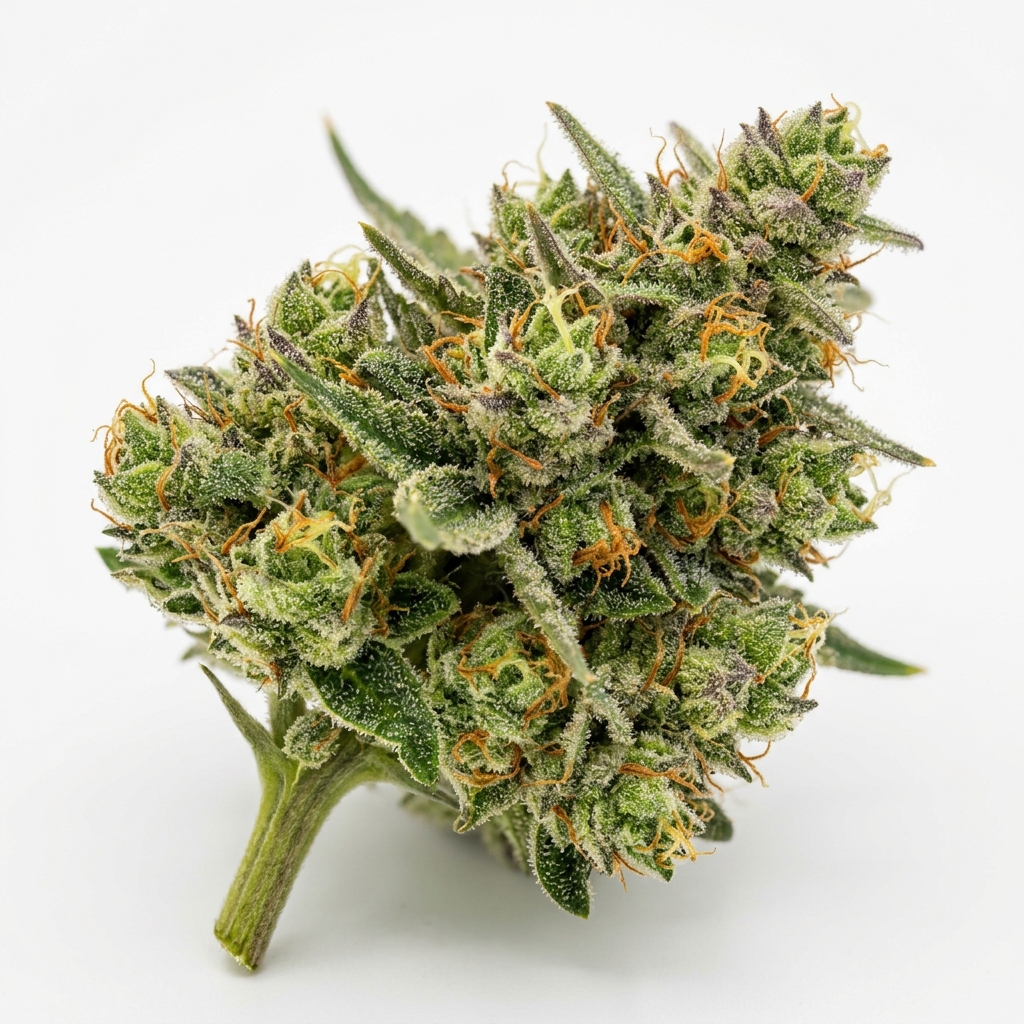
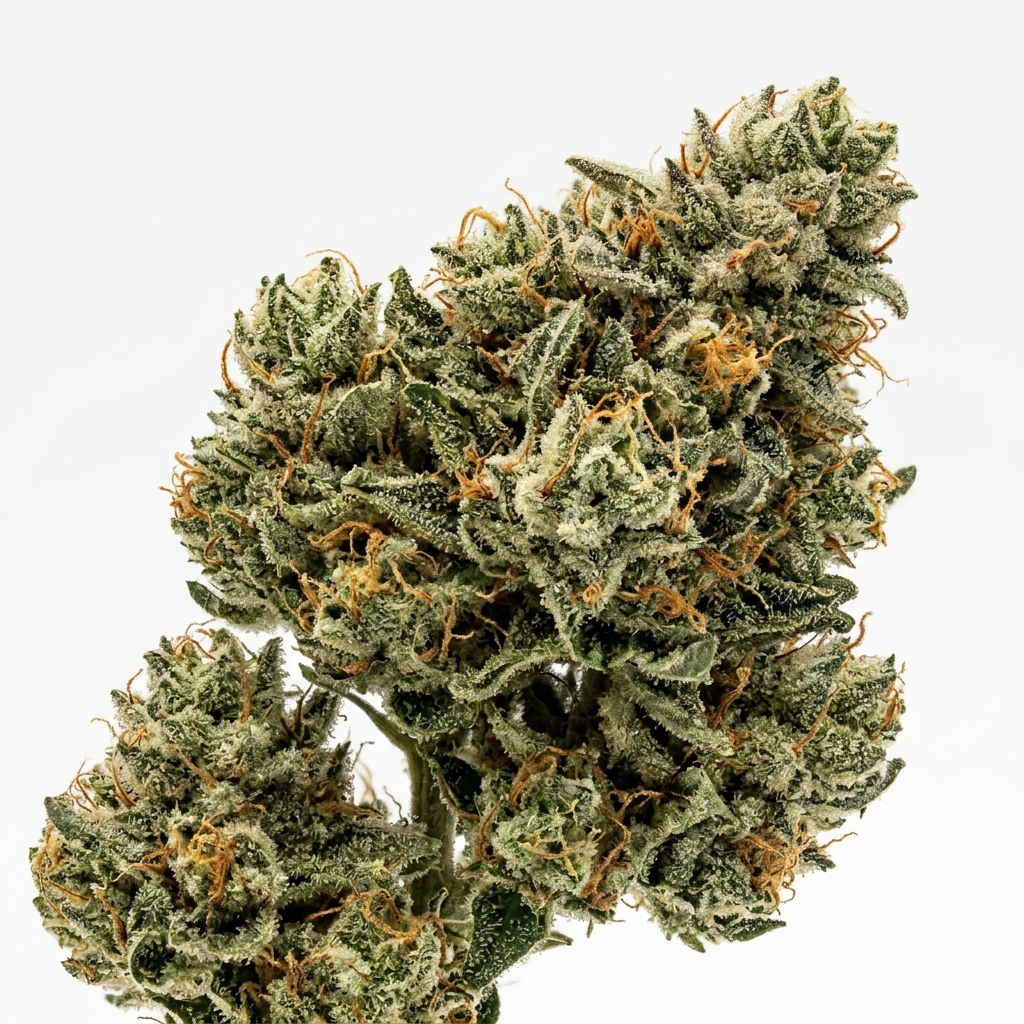
Cape White Shark is an indica-leaning hybrid cannabis cultivar primarily propagated and released by Cape Cod Grow Lab, a licensed craft cultivator based on Cape Cod, Massachusetts. Known for its dense trichome coverage and pungent fuel signature, the strain is genetically distinct from the 1990s legacy cultivar Great White Shark, instead combining contemporary dessert and fuel cultivars: Wedding Cake, Kush Mints, and E85. It has developed a regional reputation in New England for its contrast between high-octane petrol aromatics, sweet dough undertones, and a calming, heavy physical profile.
Strain Profile & Genetics
- Breeder: Cape Cod Grow Lab
- Genetics: Wedding Cake x Kush Mints x E85 (Disputed in secondary retail as classic White Shark)
- Type: Hybrid
- THC: 17.17%–26.48% (Tested flower batches)
- CBD: 0.2% (Tested in isolated batch assays; not consistently quantified)
- Terpenes: Limonene, Beta-Myrcene, Beta-Pinene, Alpha-Pinene, Beta-Caryophyllene (2.28%–3.3% total terpenes)
- Aroma: Heavy diesel gas, earthy funk, sweet vanilla dough, faint floral undertones
- Flavor: Pungent gassy funk, diesel, earthy pepper, smooth vanilla finish
- Mental effects: Initial cerebral lift, clear-headed calm, mood elevation
- Body effects: Deep muscle relaxation, full-body tension release, heavy physical calm
- Resin/extraction: High trichome head density; commercially utilized in badder and crumble concentrates
Appearance
Cape White Shark produces compact, visually substantial inflorescences typical of modern Cookies-derived lineages. Cured buds display medium to forest-green calyx structures frequently interwoven with deep olive and occasional pale purple sugar leaves. The exterior surface exhibits a thick blanket of pale, stalked glandular trichomes, which contributes to an opaque, frosted appearance and likely inspired its shark-themed moniker. Stigmas are fine, curled, and range in hue from golden-amber to deep copper, tucked tightly across the heavily bract-dominated clusters.
Aroma & Flavor
The organoleptic profile of Cape White Shark is heavily anchored in pungent volatile hydrocarbons and rich organic funk. On first inspection, whole flowers release an aggressive, diesel-dominant gas bouquet backed by damp earth and skunky, allium-like depth. When broken apart or ground, the terpene expression unlocks underlying dessert characteristics inherited from its Wedding Cake and Kush Mints ancestors, revealing subtle notes of sweet vanilla frosting, dough, and delicate floral spice. The flavor mirrors this progression: a sharp, chem-forward inhale dominated by diesel and earthy spice gives way to an exhale with lingering creamy vanilla and peppery fuel.
Terpene Profile
Laboratory certificates of analysis (COAs) across commercial Massachusetts batches report total terpene contents ranging between 2.28% and 3.3%. Analytical breakdowns identify limonene as the principal monoterpene, often testing between 0.84% and 1.17%. Secondary dominance is split between beta-myrcene (0.30%–0.47%), beta-pinene (0.33%–0.42%), and alpha-pinene (0.23%–0.38%), supported by significant fractions of the sesquiterpene beta-caryophyllene (0.21%–0.25%). Minor concentrations of linalool (0.23%–0.27%), humulene (0.13%–0.16%), and nerolidol (0.12%–0.13%) complete the aromatic fingerprint, providing the floral-herbal accents that round out the dominant citrus-diesel profile.
Potency & Cannabinoids
Cape White Shark is a high-potency chemotype dominated almost exclusively by delta-9-tetrahydrocannabinolic acid (THCA). State-regulated compliance assays on commercial raw flower lots demonstrate delta-9-THC levels ranging from 17.17% to 26.48%, with Total Active Cannabinoids (TAC) routinely testing between 20.25% and 32.07%. Minor cannabinoid reporting reveals modest concentrations of cannabigerolic acid (CBGA) up to approximately 0.65% and activated delta-9-THC around 1.01% in unheated flower. CBD levels remain low, with isolated pre-roll batches documenting approximately 0.2% CBD. Concentrated extracts derived from this cultivar, such as hydrocarbon crumbles and badder, register TAC levels between 80.43% and 90.71%.
Effects
Subjective consumer reporting and retail evaluations characterize Cape White Shark as a potent, evening-leaning hybrid delivering a multi-stage experience.
Mental Effects
Consumers typically note an initial cerebral onset marked by a noticeable mood lift, mild euphoria, and clear-headed attentiveness. This early stimulation is described as expansive yet grounded, avoiding nervous race or intense raciness, before gradually stabilizing into a placid, tranquil mental headspace.
Body Effects
As the initial cerebral surge tapers, the cultivar exerts pronounced somatic relaxation. Users report progressive relief of physical tension, characterized by heavy limbs, softening of postural muscle tone, and sustained calmness. At lower to moderate levels of intake, users report remaining functional and clear-headed; higher consumption often deepens into heavy, couch-locking sedation well-suited for late-evening unwinding.
Cultivation Characteristics
Specific horticultural data, such as precise photoperiod flowering times, internodal stretch multipliers, and commercial square-meter yields, have not been released into the public domain by Cape Cod Grow Lab. Cultivation facilities grow this cultivar primarily under indoor climate-controlled conditions to preserve trichome development and optimize volatile terpene retention. Phenotypic characteristics expressed in its parentage suggest moderate nutritional demands during mid-to-late bloom and compact flowering bract formation.
Resin & Extraction Characteristics
Cape White Shark demonstrates significant resin gland production, inherited through its resin-dense lineage (Wedding Cake, Kush Mints, and E85). Because the glandular trichomes mature into substantial heads with brittle, easily detached stalks, the cultivar is utilized by commercial processors for solvent and solventless concentrate production. Regional Massachusetts extractors, including Harbor House Collective and Resinate, have processed Cape White Shark into cured badders, live resin blends, and hydrocarbon crumbles, yielding cannabinoid concentrations exceeding 80% with preserved limonene and myrcene fractions.
Scientific & Botanical Overview
From a taxonomic and chemotaxonomic perspective, Cape White Shark belongs to Cannabis sativa L. Chemotype I, characterized by high THCA synthesis mediated by functional THCA synthases with negligible CBDA expression. The combination of limonene, pinene isomers, and myrcene forms an aromatic profile typical of modern polyhybrids that merge monoterpene-rich citrus accents with sesquiterpene-rich diesel frameworks. The dense flower architecture reflects typical domestication traits selected for indoor commercial canopies, optimizing resin head accumulation relative to total vegetative leaf surface area.
Lineage & Related Strains
A critical point of disambiguation exists regarding the naming and genetic pedigree of Cape White Shark:
- Cape Cod Grow Lab Lineage: The official genetic pedigree established by cultivator Cape Cod Grow Lab is a three-way cross of Wedding Cake (Triangle Kush x Animal Mints) x Kush Mints (Bubba Kush x Animal Mints) x E85 (Wedding Cake x Project 4516). This lineage is entirely rooted in modern Cookies, OG, and Granddaddy Purple descendants.
- Retail Conflation with Great White Shark: Due to the