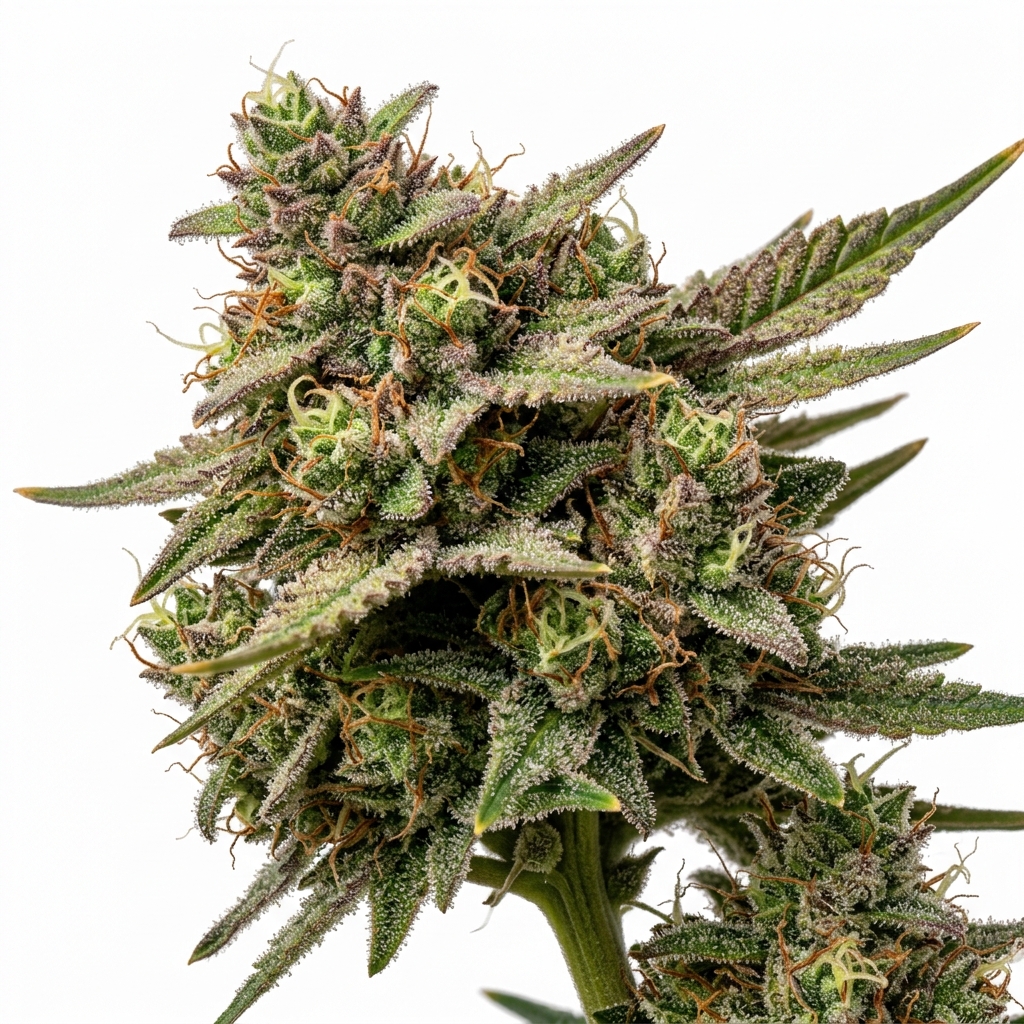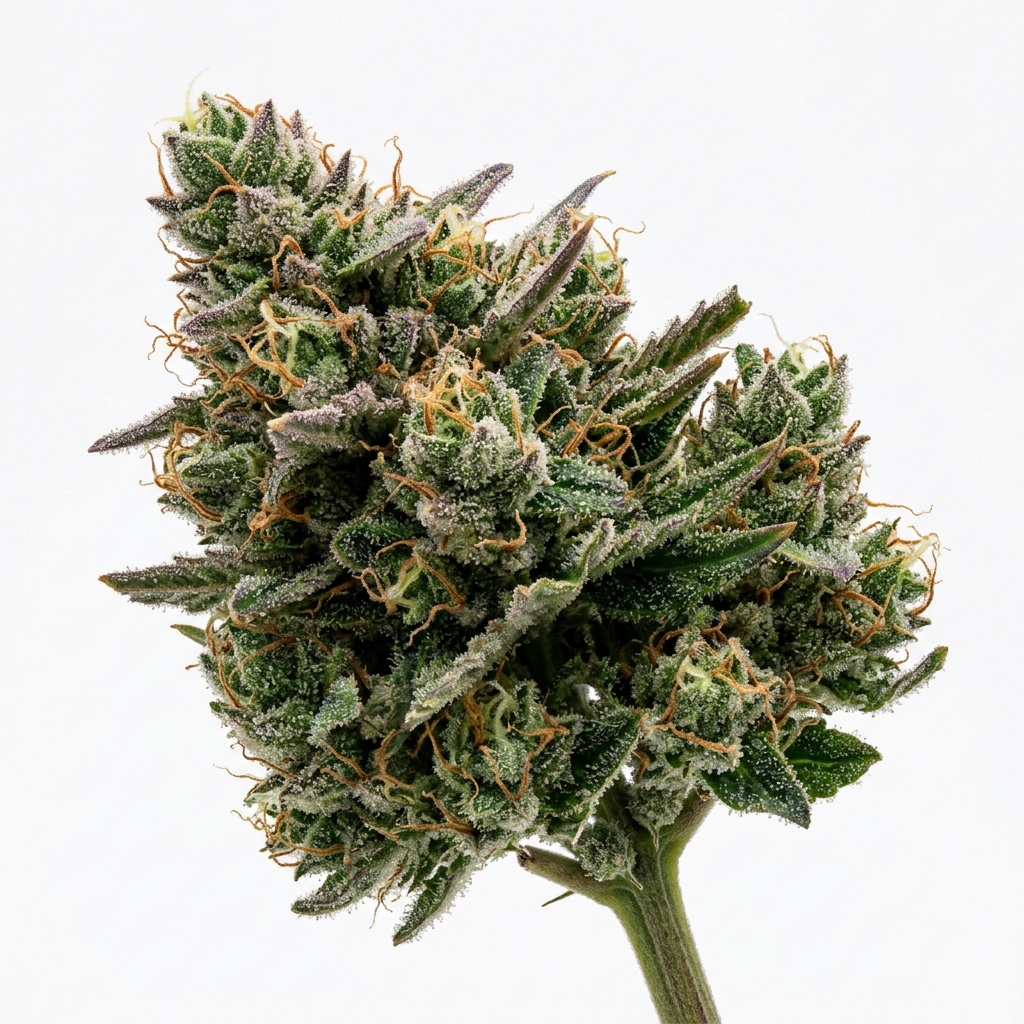

Chesapeake Crawler is a sativa-dominant hybrid cannabis cultivar distributed primarily in the Mid-Atlantic medical and adult-use market under Trulieve’s Roll One brand. Positioned as a functional, everyday flower, the cultivar is recognized for its herbal, pine, and earthy flavor profile, supported by a terpene ensemble dominated by beta-caryophyllene and beta-myrcene. While early consumer lore attributed its lineage to undisclosed stock or linked it to regional cultivars like Maryland Mantis, producer records trace its genetic roots to a pairing of the classic Jamaican sativa Lamb’s Bread and the potent indica hybrid Heroujana.
Strain Profile & Genetics
Commercial records and dispensary certificate-of-analysis (COA) data outline the baseline characteristics of Chesapeake Crawler:
- Breeder: Roll One / Trulieve
- Genetics: Lamb’s Bread × Heroujana
- Cultivar Type: Sativa-dominant hybrid
- THC Potency: Batch-dependent; analytical testing ranges from individual batch results of 21.49% to 33.29% total THC
- CBD Content: Batch-dependent; analytical tests typically report low concentrations, such as 0.04% CBD
- Dominant Terpenes: Beta-Caryophyllene, Beta-Myrcene, Alpha-Humulene, Linalool, Alpha-Bisabolol
- Aroma: Earthy, herbal, pine, spicy hops, subtle wood
- Flavor: Woody herbs, black pepper, soft citrus, earthy undertones
- Mental Effects: Clear-headed focus, calm alertness, uplifting cerebral presence
- Body Effects: Mild physical relaxation, gentle ease without heavy sedation
- Resin & Extraction: Utilized in commercial cured flower hydrocarbon extractions (Budder) testing up to 70% THC and 5.5% total terpenes
Appearance
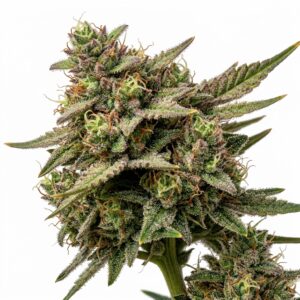
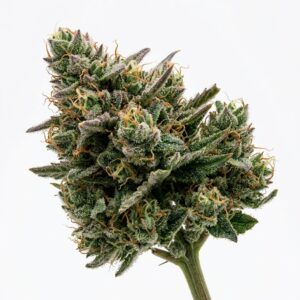
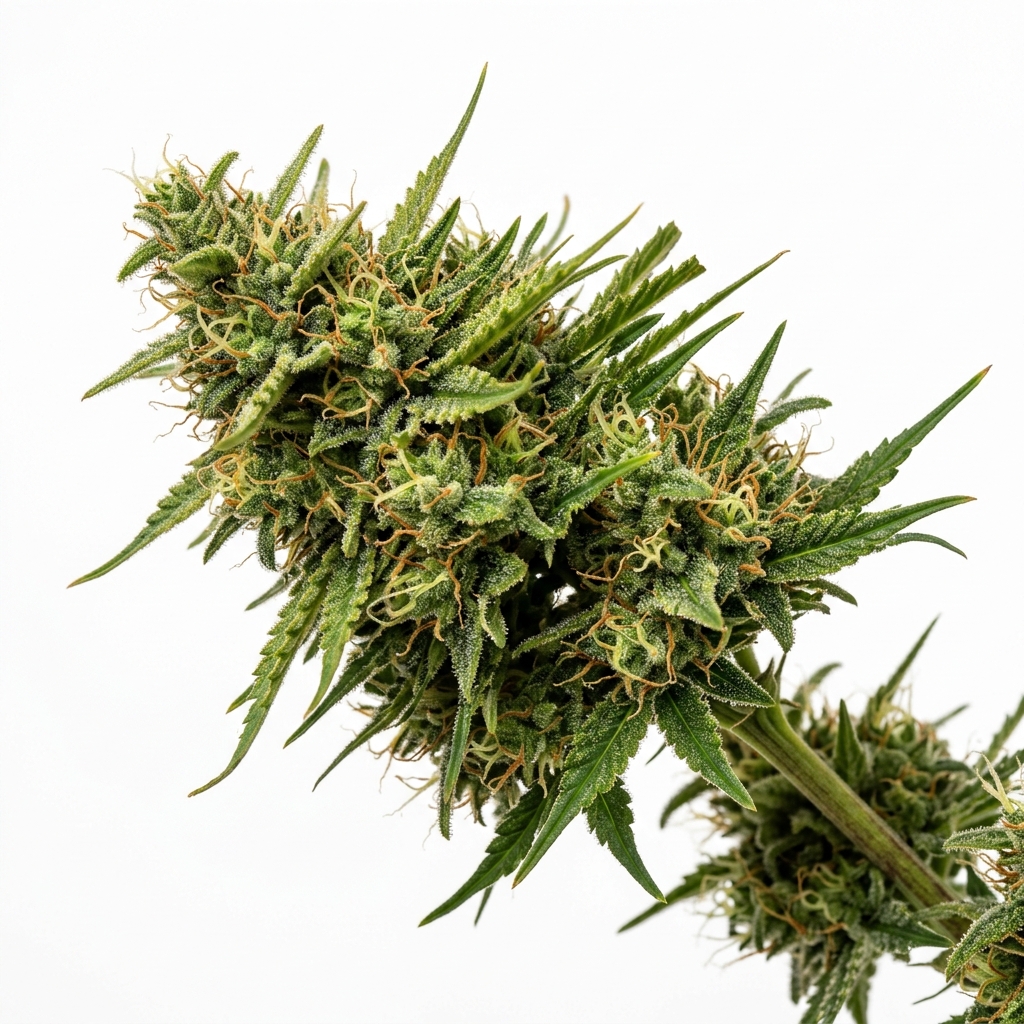
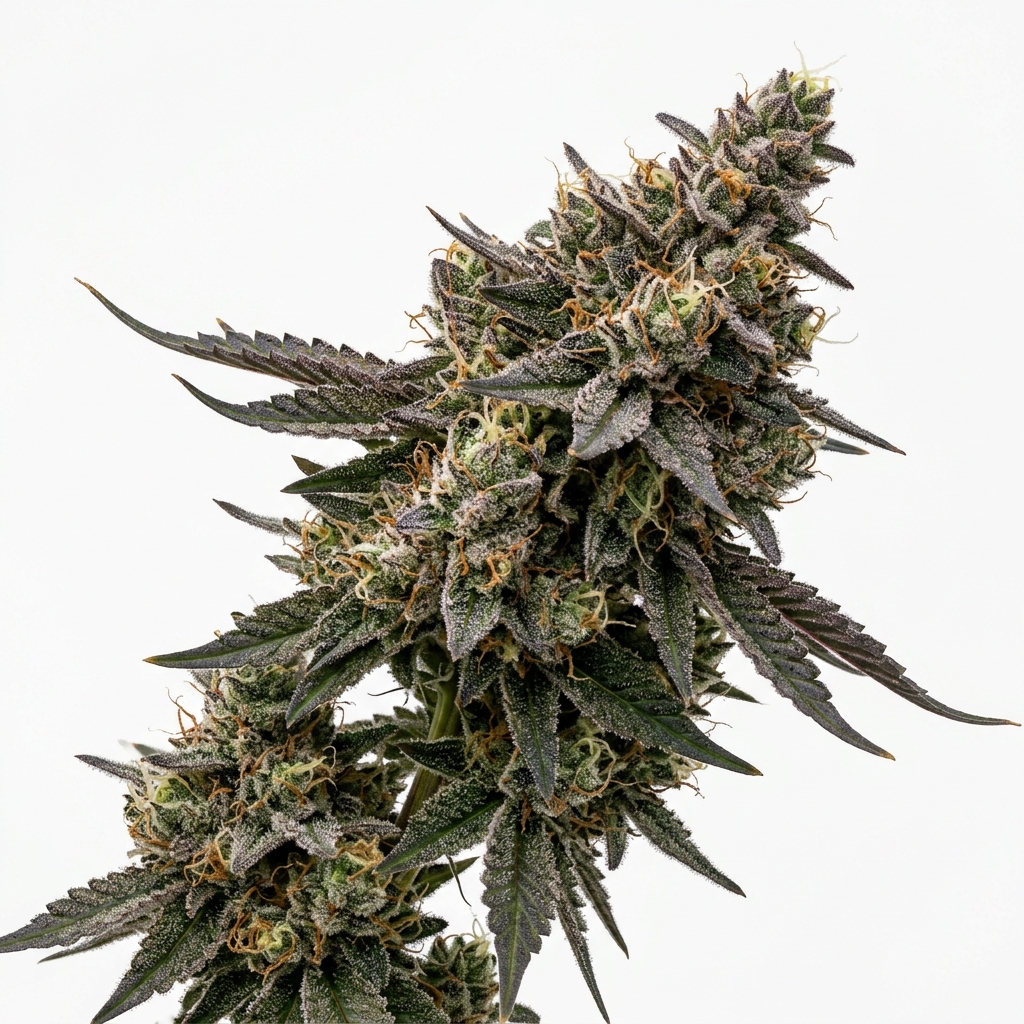
Cured flowers of Chesapeake Crawler typically exhibit moderate density with an organic, slightly elongated inflorescence characteristic of sativa-leaning hybrids. The calyxes stack in irregular, tapered clusters displaying deep forest-green to pale olive shades, interwoven with thin, curling amber-to-orange pistils. The surface of the bracts and minimal sugar leaves is coated in a dense, uniform layer of glandular trichomes, presenting a frosty exterior that indicates active resin production.
Aroma & Flavor
On the nose, Chesapeake Crawler presents a grounded, herbal bouquet. Initial aromas reveal sharp pine and crushed green herbs over a foundation of damp soil and spicy hops. When ground, the flower releases deeper layers of cracked black pepper and faint floral sweetness. Upon inhalation, the smoke or vapor carries clean flavors of dry wood and garden herbs, accompanied by a light citrus zest on the draw and a lingering peppery bite on the finish.
Terpene Profile
Analytical lab testing from regulated dispensaries demonstrates that Chesapeake Crawler maintains a rich terpene composition, frequently measuring between 1.18% and 2.07% total terpenes in cured whole flower batches. The profile is anchored by two primary compounds:
- Beta-Caryophyllene: Often the leading terpene, contributing peppery spice, woody depth, and direct interaction with peripheral CB2 receptors.
- Beta-Myrcene: Present in comparable quantities, imparting herbal and earthy undertones while modulating the cultivar’s physiological onset.
- Alpha-Humulene: Provides dry, hoppy, and woody notes that support caryophyllene’s spicy register.
- Linalool: Contributes subtle floral accents and smooth aromatic balance.
- Alpha-Bisabolol: Contributes gentle sweet, chamomile-like floral nuances.
- Minor Terpenes: Batches consistently register low concentrations of limonene, alpha-pinene, beta-pinene, and ocimene.
Potency & Cannabinoids
Chesapeake Crawler exhibits potent cannabinoid synthesis, driven primarily by tetrahydrocannabinolic acid (THCA). State-regulated laboratory analyses from Maryland commercial batches have documented total THC values spanning from 21.49% to 33.29%, with THCA concentrations testing between 24.33% and 32.94% across different harvest lots. Neutral delta-9-THC is typically present in minor amounts (0.13% to 0.35%).
The cannabinoid spectrum is supplemented by secondary constituents that include cannabigerol acid (CBGA) between 0.78% and 1.29%, decarboxylated CBG between 0.17% and 0.37%, and tetrahydrocannabivarin acid (THCVA) up to 1.35%. Cannabidiol (CBD) levels remain low, often testing near 0.04% or below the quantification threshold.
Effects
Consumer accounts and dispensary descriptions classify Chesapeake Crawler as a balanced, daytime-compatible cultivar. Individual responses vary based on dosage, tolerance, and consumption method.
Mental Effects
Consumers typically report a cerebral onset characterized by clear focus, mental clarity, and an uplifting sense of calm alertness. Rather than inducing intense racy stimulation, the experience is described as steady and functional, making it suitable for engaging in daytime tasks or focused activities without cognitive fog.
Body Effects
Physically, the cultivar provides a mild, unburdened sensation of bodily ease. Users report gentle relaxation across the shoulders and neck without the immobilizing sedation or heavy muscle lethargy commonly linked to pure indica lineages.
Resin & Extraction Characteristics
Beyond cured whole flower, Chesapeake Crawler has been adapted into hydrocarbon concentrates by Trulieve under the Roll One label. Processed as cured flower budder, the resin whips into a creamy, pliable texture with high aromatic retention. Concentrated batch tests demonstrate cannabinoid levels reaching 70% THC and terpene totals of 5.49% to 5.50%, predominantly concentrated in beta-caryophyllene (1.79%), beta-myrcene (1.04%), and linalool (0.91%).
Scientific & Botanical Overview
Botanically, Chesapeake Crawler functions as a modern hybrid displaying an interplay between equatorial landrace traits and stabilized heritage genetics. The presence of elevated caryophyllene alongside myrcene and humulene mirrors classic herbal-spicy chemotypes, while measurable levels of minor compounds like bisabolol and THCVA highlight its broad enzymatic pathway synthesis. The substantial divergence between acid-form cannabinoids (THCA, CBGA) and neutral cannabinoids in tested batches confirms properly cured, non-degraded inflorescence handling.
Lineage & Related Strains
The documented parentage of Chesapeake Crawler brings together two distinct historical cannabis lines:
- Lamb’s Bread (Lamb’s Breath): A storied Jamaican sativa landrace historically celebrated for its invigorating, clear-headed cerebral qualities and sweet, herbal-cheese aromatic profile. It contributes the energetic focus and uplifting mental character found in Chesapeake Crawler.
- Heroujana (Herijuana): A heavily resinous, high-potency hybrid developed by Woodhorse Seeds and refined by Motarebel through a combination of Killer New Haven and Petrolia Headstash. Known for robust resin glands, intense earthy hash flavors, and physical body calming, it grounds the energetic landrace parentage.
Within its commercial market, Chesapeake Crawler is occasionally compared to or confused with Maryland Mantis due to shared producer branding and overlapping terpene profiles, though dispensary test records and documented lineage distinguish them as separate offerings.
Sources & Data Notes
Data regarding Chesapeake Crawler is sourced from primary dispensary catalogs, multi-facility lab-verified certificates of analysis in Maryland (including testing published by RISE, Curaleaf, Green Goods, and District Cannabis), and direct product lineage documentation published by Trulieve for Roll One flower and budder concentrates. Because commercial cultivation metrics such as exact vegetative growth cycle duration, outdoor harvest windows, and canopy yields remain proprietary to the licensed producer, those traits remain unestablished in public botanical records.
Chesapeake Crawler Summary
Chesapeake Crawler is a sativa-dominant hybrid cultivated by Roll One/Trulieve, combining Jamaican Lamb’s Bread with the dense resin traits of Heroujana. Featuring earthy, pine, and peppery notes with testing reaching up to 33.29% total THC, the cultivar delivers clear-headed focus, modest physical ease, and steady functional versatility.