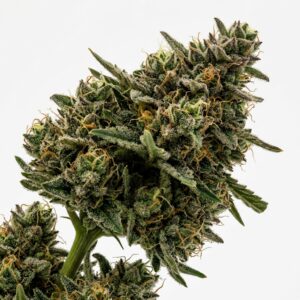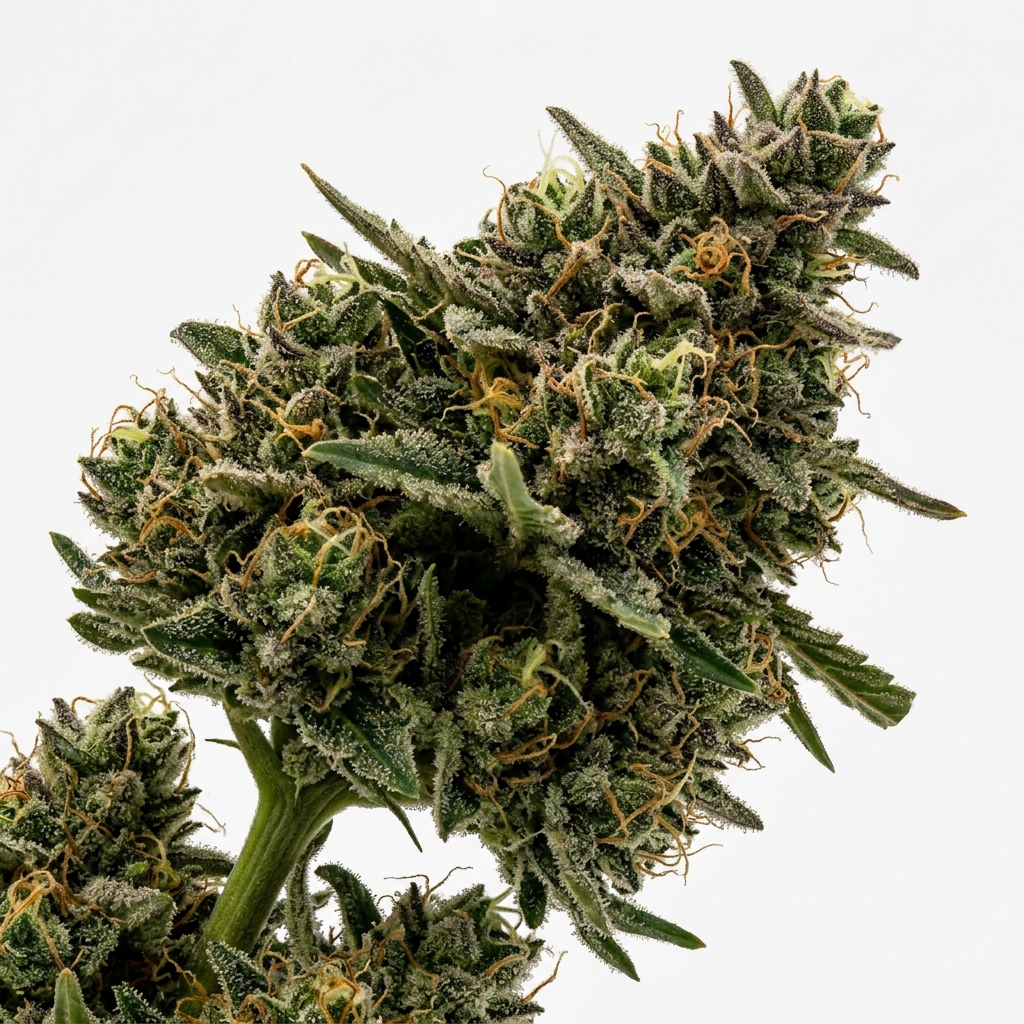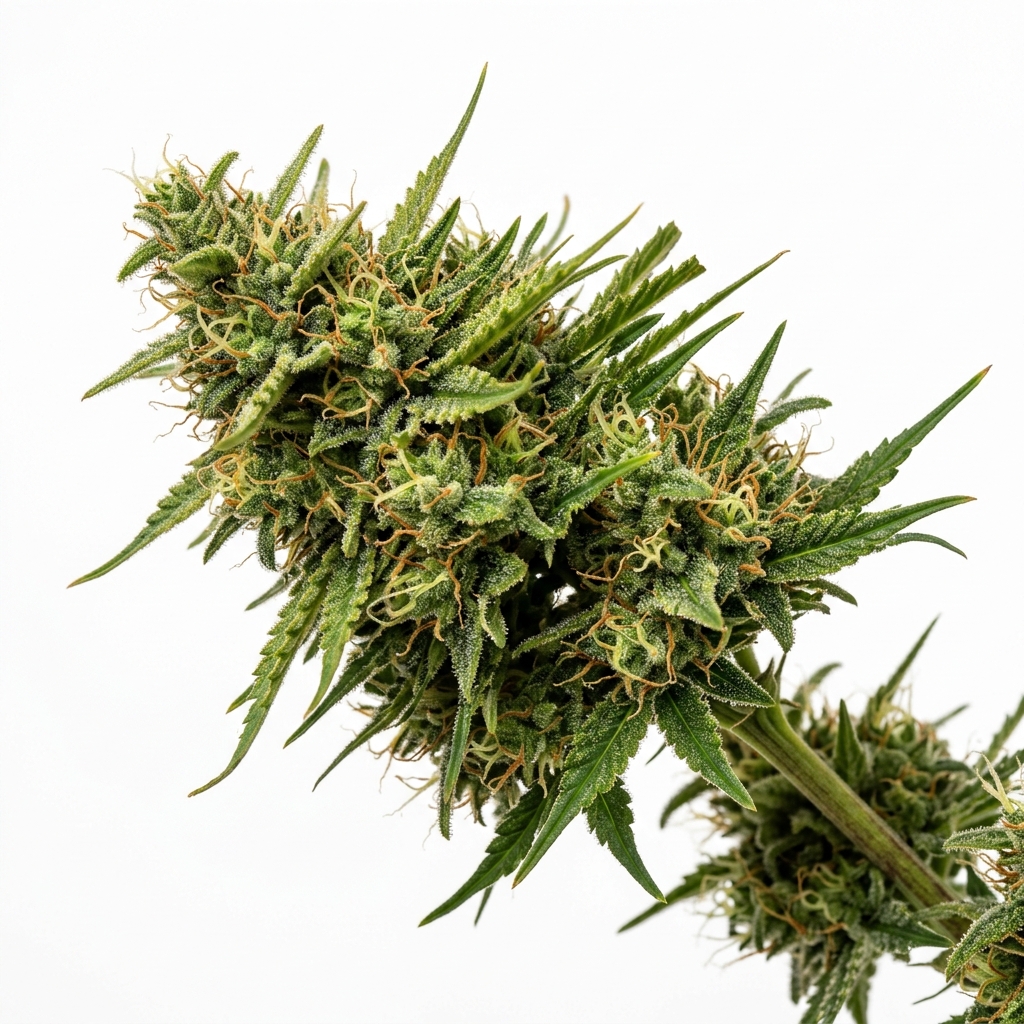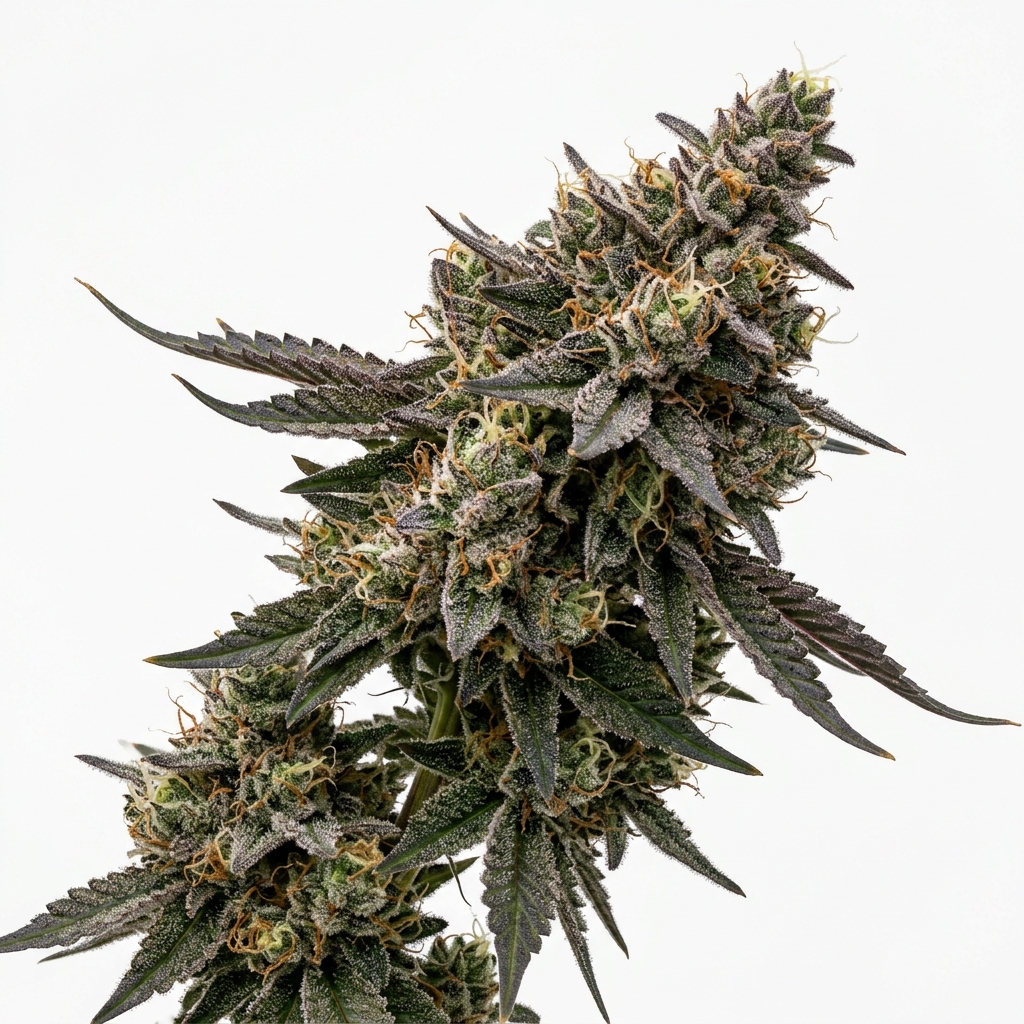
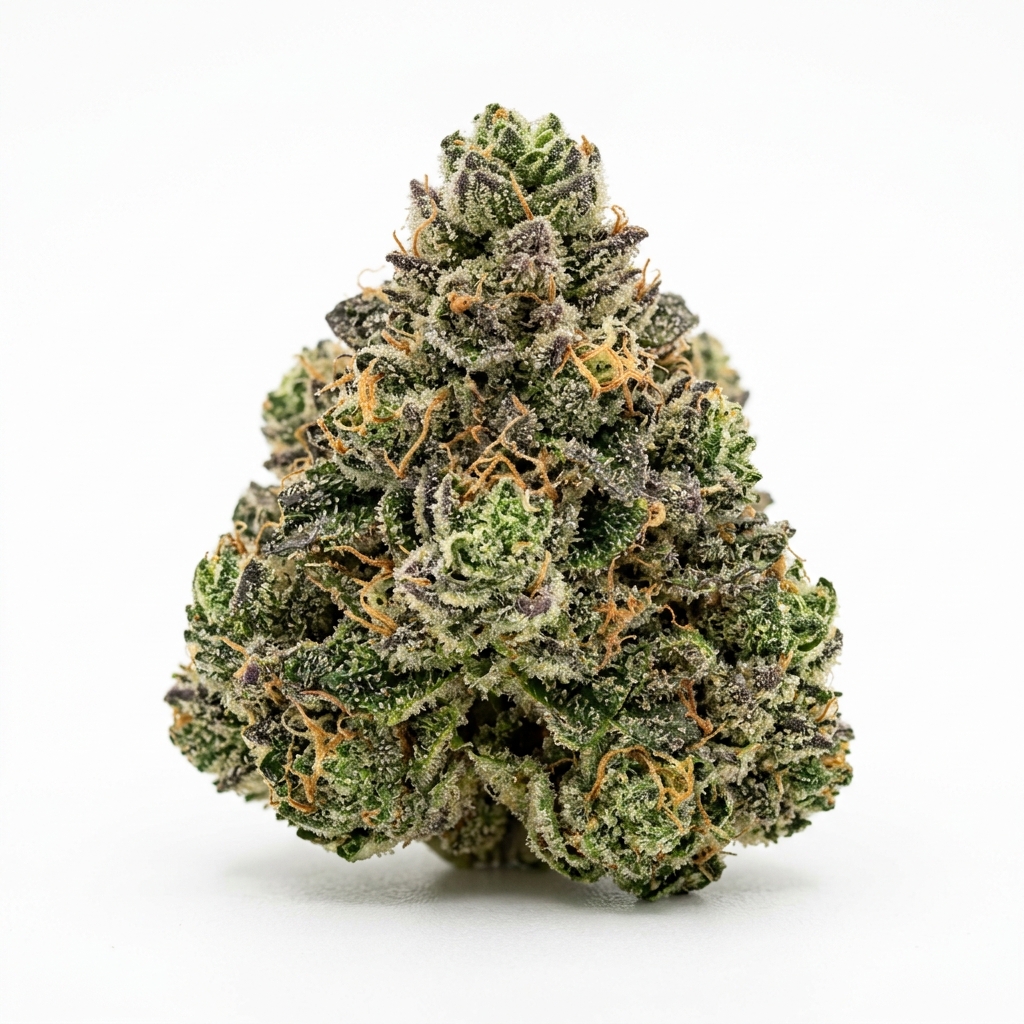
Giggin Grapes (frequently styled as Giggin’ Grapes) is an indica-dominant hybrid cannabis cultivar bred by Compound Genetics. Developed by pairing Red Pop with Grape Gas (Grape Gasoline), this cultivar was selected for both dense inflorescence production and concentrated trichome head density suitable for solventless extraction. Characterized by its fusion of candied red fruits, ripe strawberries, and sharp petroleum undertones, Giggin Grapes combines dynamic terpene expression with potent cannabinoid accumulation, typically testing between 27% and 30% THC in breeder documentation and reaching over 32% THCA in dispensary-grade analytical certificates.
Strain Profile & Genetics
The genetic architecture of Giggin Grapes unites two modern dessert-fuel lineages: the sugary strawberry soda signature of Red Pop and the potent grape-diesel character of Grape Gas.
- Breeder: Compound Genetics
- Genetics: Red Pop × Grape Gas (Grape Gasoline)
- Type: Indica-dominant hybrid
- Indica / Sativa Ratio: 60% indica / 40% sativa (reported)
- Seed Type: Feminized photoperiod
- THC: Disputed (Compound Genetics documents 27% – 30% THC; commercial certificates of analysis range up to 32.31% THCA; select legacy listings report 15% – 25%)
- CBD: Not reliably established (<1% typical of high-THC cultivars)
- Dominant Terpenes: Beta-caryophyllene, limonene, beta-myrcene, linalool, humulene
- Flowering Time: 8 to 9 weeks (56 to 63 days)
- Plant Structure: Medium-height plants with vigorous lateral branching and compact flower stacking
- Yield: Moderate to high (up to 500 g/m² reported in controlled indoor environments)
- Aroma: Red fruits, ripe strawberries, sweet berry candy, and pungent petroleum fuel
- Flavor: Candied grape, strawberry jam, and sour diesel with an earthy, spicy exhale
- Mental Effects: Uplifted, euphoric, giggle-prone, and calming
- Body Effects: Deep physical release, limb relaxation, tension relief, and sedative calmness
- Resin / Extraction: Exceptional glandular trichome production optimized for solventless and hydrocarbon processing
Appearance
Finished flowers of Giggin Grapes display a dense, tightly formed conical-to-rounded architecture influenced predominantly by its Red Pop ancestry. The bract clusters stack closely together, exhibiting vivid forest-to-neon green coloration punctuated by deep violet and plum anthocyanin pigmentation along leaf tips and shaded calyx pockets. A uniform blanket of bulbous, fully developed glandular trichomes gives the flower surfaces a frosty, wet-sheen texture. Woven throughout the compact bracts are curling, copper-to-apricot pistils that stand in sharp contrast to the purple-tinted exterior.
Aroma & Flavor
Upon opening a jar of cured flower, Giggin Grapes releases a prominent bouquet of candied berries, artificial grape reduction, and wild strawberry soda. As the inflorescences are broken apart, this sugary fruit sweetness is counterbalanced by an assertive wave of fuel, pungent hydrocarbon gas, and damp loam derived from the Grape Gas parent. On the inhale, the palate experiences concentrated strawberry and grape preserves accented by a light floral citrus note. The smoke shifts toward heavy petrol, crushed black peppercorn, and warm pine on the exhale, leaving a sweet, syrupy diesel residue that persists on the tongue.
Terpene Profile
Analytical testing on commercial phenotypes, including selected cuts such as Giggin Grapes #7, reflects total terpene content ranging between 1.48% and 2.19%. The leading terpene is typically beta-caryophyllene, imparting spicy warmth and peppery depth. This is complemented by limonene, which elevates the bright, citrusy top notes and amplifies the candied fruit presentation. Beta-myrcene contributes herbal musk and grounding stone-fruit nuances, while linalool introduces subtle lavender-like floral complexity. Minor concentrations of alpha-humulene, beta-pinene, and alpha-pinene round out the profile with faint botanical bitterness and sharp evergreen notes.
Potency & Cannabinoids
Primary documentation from Compound Genetics establishes a potency baseline of 27% to 30% total THC. Commercial state-market lab panels demonstrate elevated cannabinoid totals in optimized environments, with batch certificates for Giggin Grapes #7 registering 31.72% to 32.31% THCA, delta-9-THC between 0.47% and 27.93% (decarboxylated equivalencies), and minor cannabinoid presence including CBGA up to 1.35% and CBG at 0.41%. Unsubstantiated aggregator listings claiming lower brackets (15% to 18% or 20% to 25%) conflict with verified breeder releases and modern analytical certificates of analysis.
Effects
The experiential trajectory of Giggin Grapes reflects its balanced hybrid makeup with an indica-leaning physiological finish.
Mental Effects
Consumers consistently report an initial onset marked by cognitive euphoria, marked stress dissipation, and lighthearted buoyancy. True to the colloquial phrasing in its name, early stages often inspire sociable moods, elevated sensory appreciation, and spontaneous laughter before settling into a tranquil, unfocused headspace.
Body Effects
Following the cerebral peak, physical effects manifest as heavy, tension-melting body waves. Muscular tightness softens, accompanied by a soothing weighted sensation in the limbs. In higher serving amounts, this physical comfort steadily transitions into full couchlock and nocturnal drowsiness, rendering the cultivar popular for evening or late-night decompression.
Cultivation Characteristics
Giggin Grapes responds well to indoor cultivation systems, displaying moderate vertical stretch during the transition to bloom. Morphology trends closely toward the Red Pop parent, producing sturdy lateral branches that support the weight of heavy terminal and secondary colas without requiring aggressive structural staking. The photoperiod flowering cycle completes in 8 to 9 weeks (56 to 63 days).
Compound Genetics explicitly emphasizes the importance of harvest timing with this cultivar: trichome maturation must be closely monitored to preserve the delicate, volatile esters and monoterpenes characteristic of the Red Pop parent. Allowing plants to overmature can result in the loss of nuanced red-fruit aromatics in favor of duller, heavily oxidized fuel tones. To protect the dense floral clusters from moisture entrapment and late-stage botrytis, cultivators should maintain low relative humidity (40% to 50%) during late flowering alongside steady air circulation.
Resin & Extraction Characteristics
Compound Genetics engineered Giggin Grapes specifically to excel across both whole-flower presentation and mechanical or chemical resin separation. Its floral bracts generate high densities of capitate-stalked glandular trichomes featuring brittle head detachment. In ice-water extraction (bubble hash) and fresh-frozen solventless processing, the cultivar demonstrates favorable wash returns and carries its loud, fruit-and-fuel monoterpene fraction fully through rosin pressing.
Scientific & Botanical Overview
Botanically categorized as a broad-leaf-leaning Cannabis sativa L. hybrid, Giggin Grapes exhibits broad dark-green leaves during vegetative growth and an elevated ratio of calyxes to leaves during generative flowering. The coloration changes seen in late bloom are driven by anthocyanin expression, which intensifies when cooler night temperatures enhance the conversion of flavonoids in bract tissues. The chemotypic dominance of THCA with virtually non-detectable CBD classifies Giggin Grapes as a classic Chemotype I cannabis variety.
Lineage & Related Strains
The primary lineage rests on the cross of Red Pop (Cookies and Cream × Strawberry, celebrated for its sweet carbonated soda notes) and Grape Gas (Grape Gasoline: Grape Pie × Jet Fuel Gelato, famous for fuel-heavy purple candy notes). While the overwhelming majority of documented stock originates from Compound Genetics, isolated community listings cite an unverified pairing of Grape Gas × Giggles; however, genuine verified cultivation stock traces directly to Compound Genetics’ Grape Gas breeding project.
Sources & Data Notes
Data regarding genetics, flowering duration, morphology, and sensory profile are drawn directly from Compound Genetics’ catalog specifications, verified seed distributors (Seedsman, Attitude Seedbank, SeedFinder), and commercial laboratory certificates of analysis (Curaleaf and Grassroots lab testing). Discrepancies regarding THC percentages between commercial lab panels (27% to 32%+) and legacy aggregator profiles (15% to 25%) are cataloged under the disputed potency status.
Giggin Grapes Summary
Giggin Grapes is a flagship indica-dominant cultivar from Compound Genetics that joins Red Pop with Grape Gas. Maturing in 8 to 9 weeks with potency testing between 27% and 30% THC, the strain produces dense, anthocyanin-rich inflorescences defined by strawberry candy, concord grape, and pungent diesel gas, backed by strong hash-making utility and deeply relaxing evening effects.