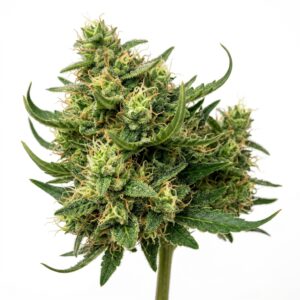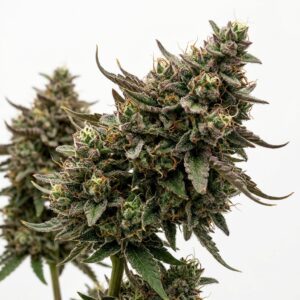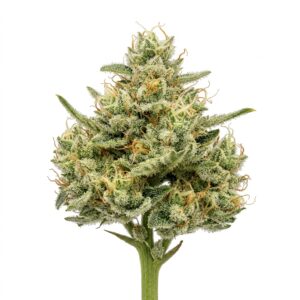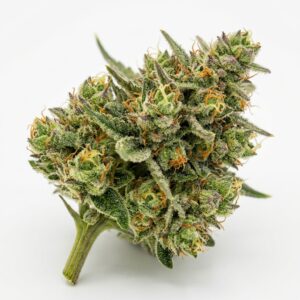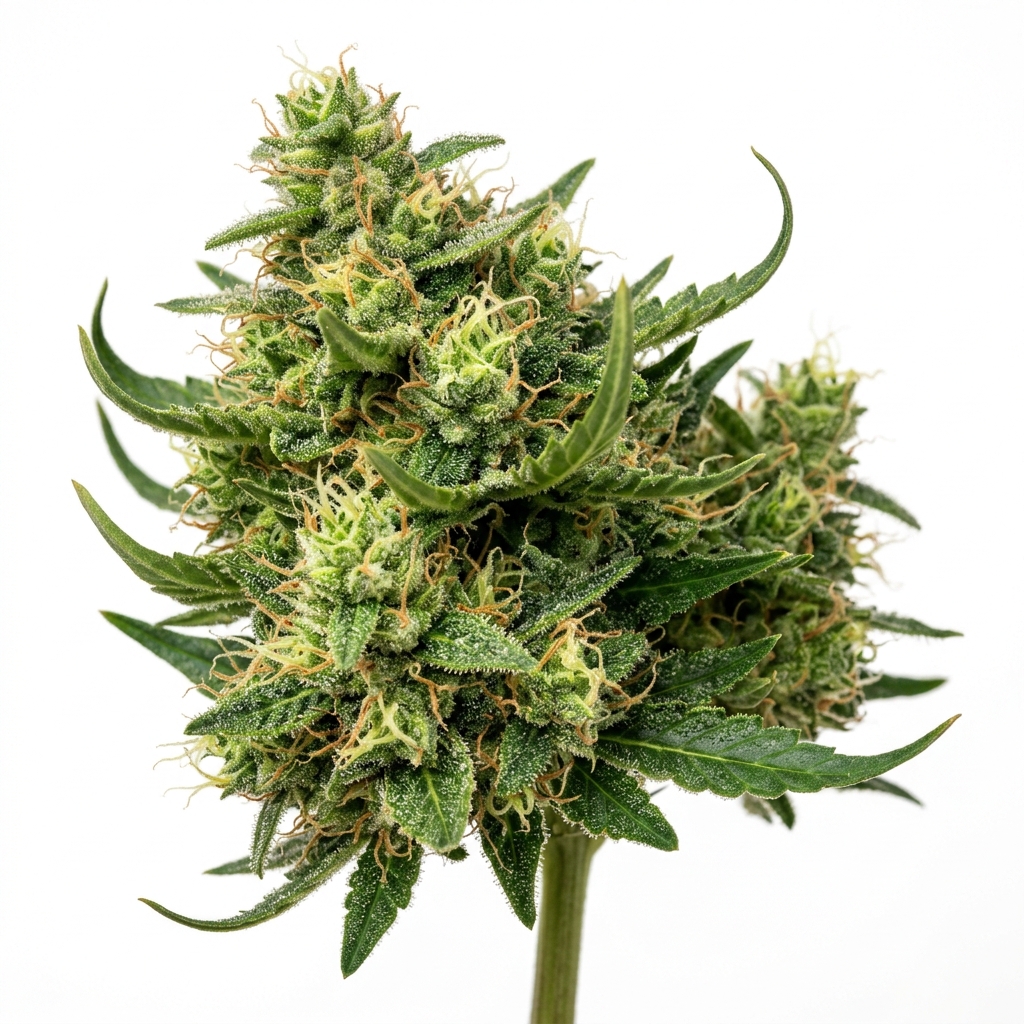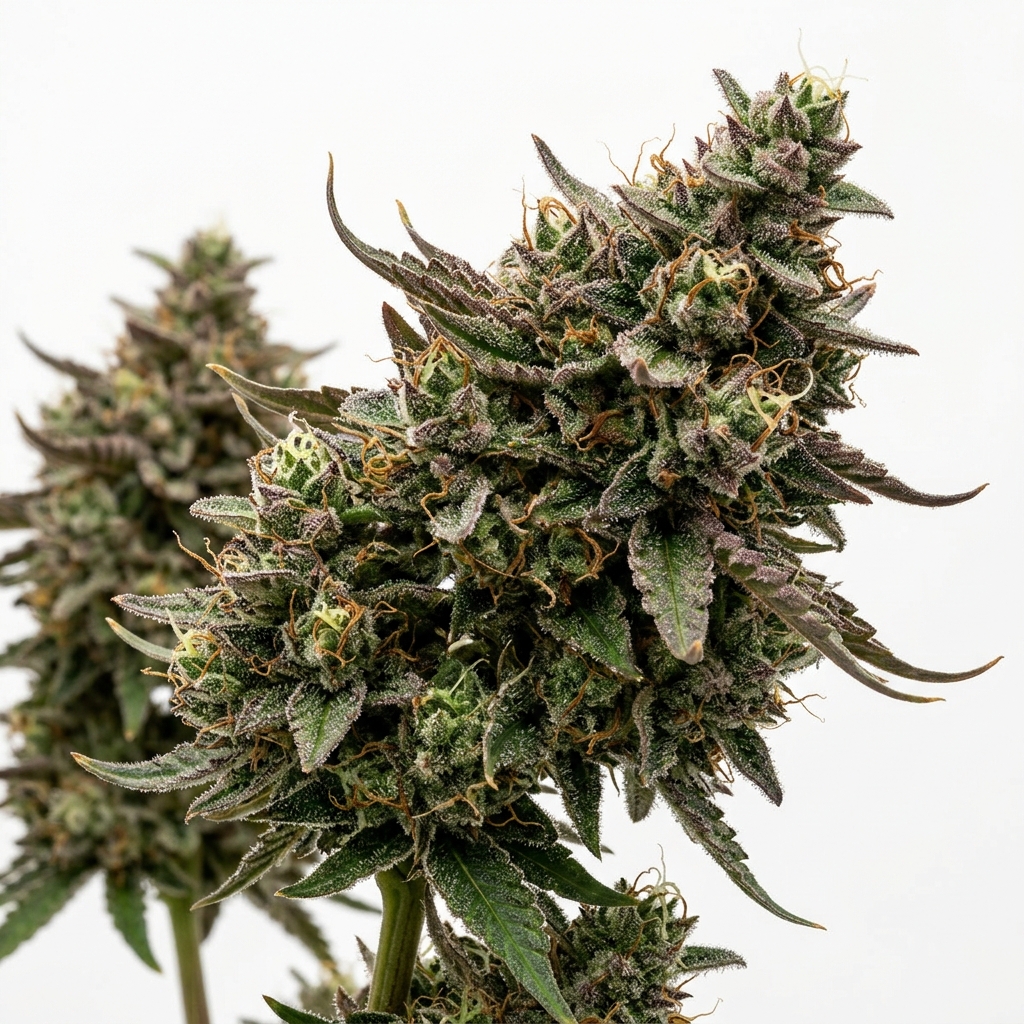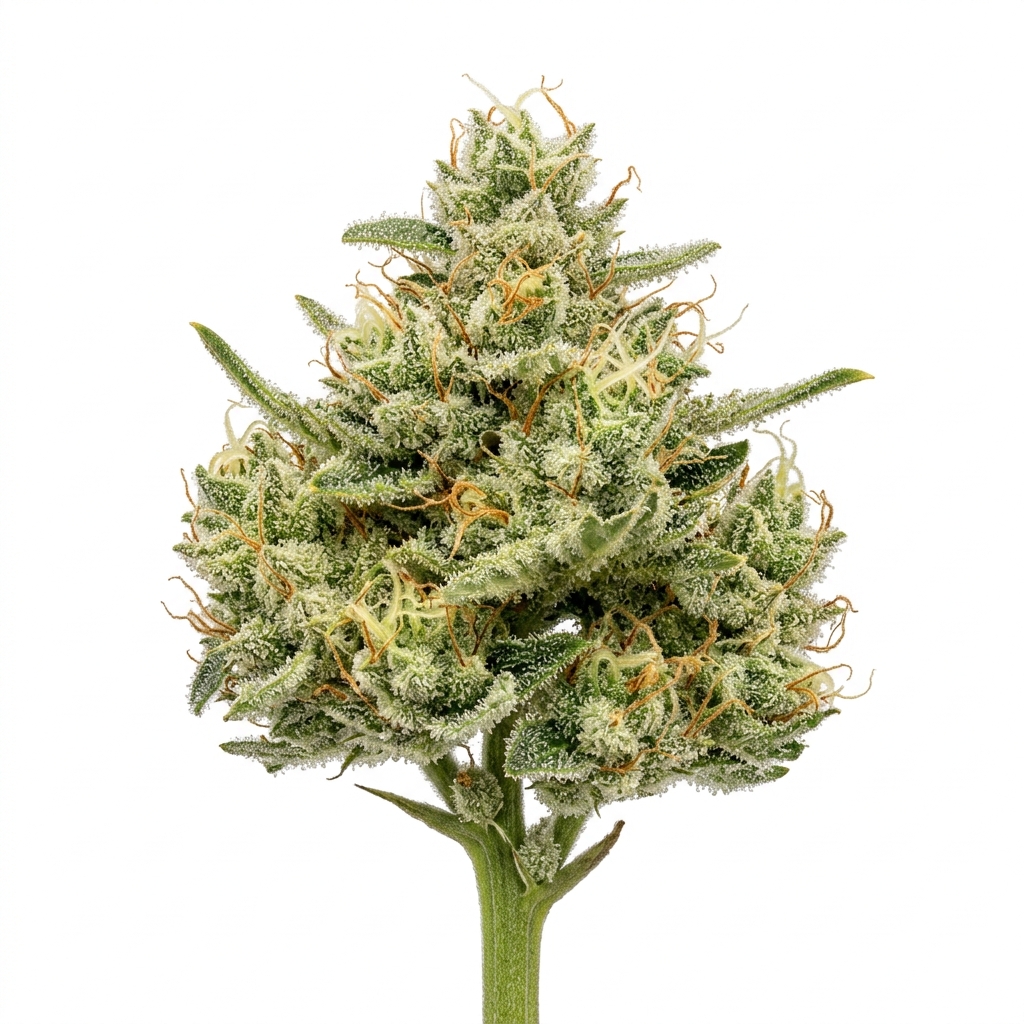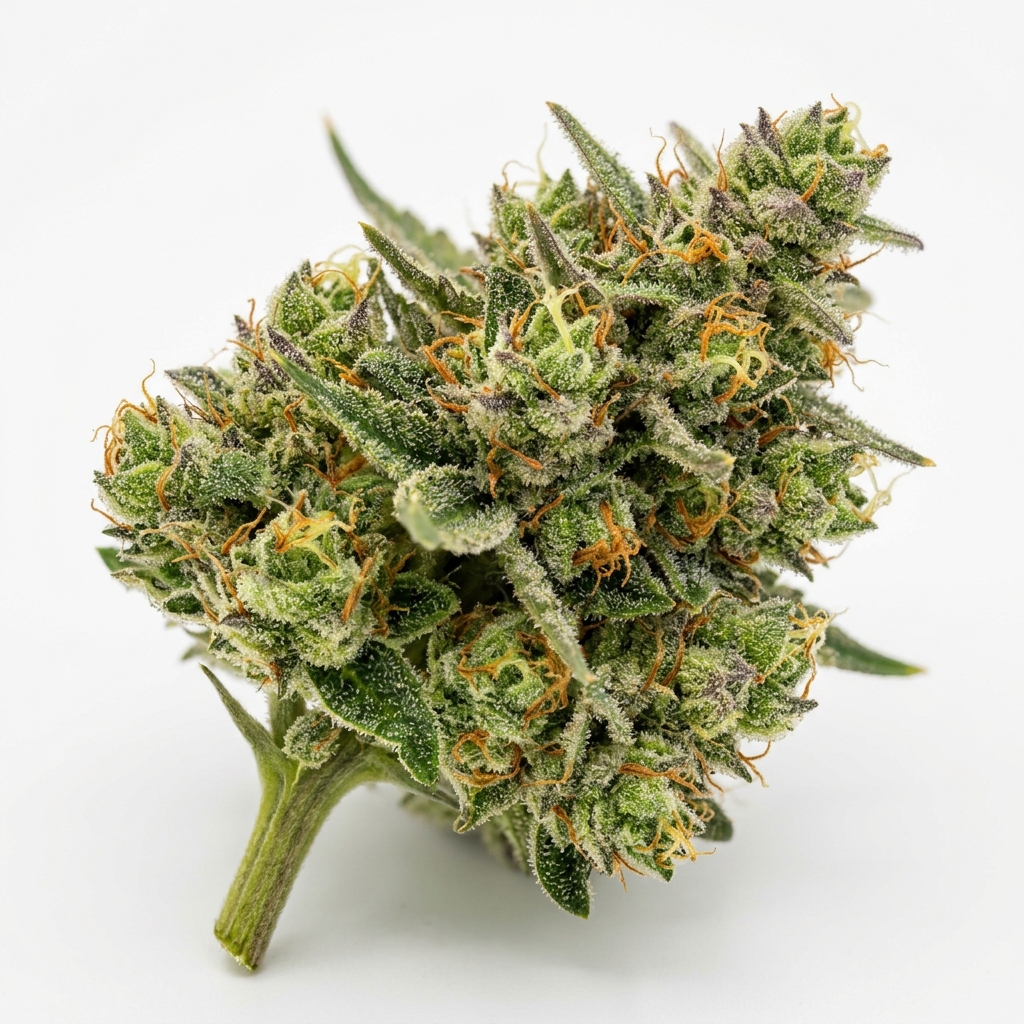
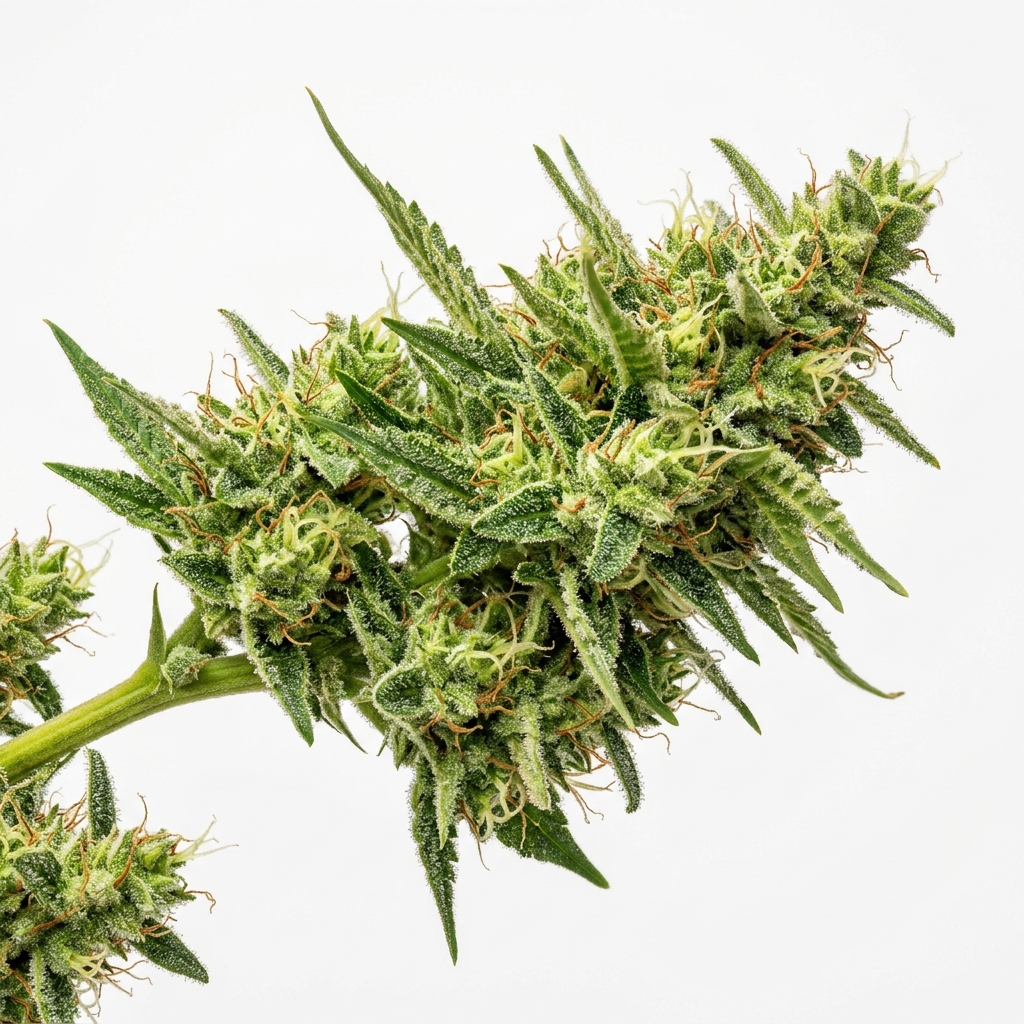
Fort Collins Cough (frequently referred to simply as “The Cough,” “The Coff,” or “Colorado Cough”) is a legendary sativa-dominant clone-only cultivar that originated in Fort Collins, Colorado, during the 1990s. Reputedly bred by two Colorado State University collegiate growers who crossed Northern Lights #5 with a select cut of Haze (frequently cited as Haze #17 or vintage Sensi Seeds stock), the strain gained regional reverence throughout Front Range counterculture. It is distinguished by its sharp, church-incense and pine bouquet, high resin yield, and an expansive smoke that reliably induces the heavy coughing fit responsible for its name.
Strain Profile & Genetics
- Breeder: Undocumented collegiate cultivators in Fort Collins, CO (subsequently preserved and circulated by Professor P of Dynasty Seeds / Relic Seeds)
- Genetics: Northern Lights #5 × Haze
- Cultivar Type: Sativa-dominant hybrid
- Indica / Sativa Ratio: Reported as 70% sativa / 30% indica (alternatively cited as 80/20)
- Seed Type: Clone-only heirloom
- THC Content: Disputed (Dispensary and aggregator analyses report conflicting spans ranging between 7.5%–13.7% and 13%–21%)
- CBD Content: Reported as 0.05%–0.91%
- Dominant Terpenes: Myrcene, terpinolene, pinene, beta-caryophyllene
- Flowering Duration: 63 to 84 days (typically 9 to 12 weeks, phenotype-dependent)
- Plant Structure: Tall, highly branched sativa frame with notable vertical elongation
- Yield: Moderate to heavy
- Aroma: Pine needles, frankincense, lemon-lime cleaner, earthy hash, cool menthol
- Flavor: Spicy herbs, toasted hashish, sandalwood, crisp citrus finish
- Mental Effects: Uplifting, euphoric, cerebral stimulation, clear daytime focus
- Body Effects: Functional muscle relaxation without heavy physical lethargy
- Resin & Extraction: Abundant glandular trichomes; widely utilized in artisanal hydrocarbon and solventless extraction
Appearance
Reflecting its distinct Haze heritage balanced by Northern Lights density, Fort Collins Cough produces elongated, tapered, and conical colas. The floral clusters typically exhibit a bright lime-green to deep forest-green coloration, occasionally showing darker foliage tints during late senescence. Calyxes develop in extended, spiraling clusters that frequently display classic sativa foxtailing near the terminus of the bloom cycle. The buds are wrapped in vibrant, rust-to-copper colored pistils and coated in a crystalline crust of capitate-stalked glandular trichomes, which give cured flowers a frosted, silvery sheen.
Aroma & Flavor
The sensory profile of Fort Collins Cough is sharp, expansive, and classic. The initial olfactory impression delivers a bright punch of pine needles, industrial citrus cleaner, and vintage frankincense—reminiscent of traditional Dutch Haze and church incense profiles. Breaking apart the bracts reveals deep, musky hashish, damp earth, and subtle fuel notes inherited from the Northern Lights lineage. When combusted or vaporized, the smoke is dense and lung-expanding, typically provoking an involuntary cough. The palate encounters spiced herbal notes and toasted soil on the inhale, rounded out by a sharp lemon-lime and eucalyptus-menthol sensation on the exhale.
Terpene Profile
Analytical observations and community lab panels consistently associate Fort Collins Cough with elevated levels of monoterpenes common to heritage Haze families. Myrcene provides the musky, herbal foundation and contributes to subtle physical relaxation. Terpinolene and pinene dominate the mid-notes, driving the characteristic woodsy, pine, and antique incense signatures while promoting alert cognitive qualities. Beta-caryophyllene supplies the background black-pepper spice, while secondary traces of ocimene and limonene lend crisp botanical and citrus undertones.
Potency & Cannabinoids
Because Fort Collins Cough has circulated primarily as an underground heirloom clone since the 1990s, published quantitative cannabinoid assays vary widely across different laboratory testing standards and dispensaries. Historical menus and testing aggregators have recorded THC levels ranging from modest brackets of 7.5% to 13.7% in older commercial runs, while other dispensary and lab profiles document 13% to 21% THC in optimized indoor environments. Cannabidiol (CBD) concentrations generally remain minor, with test results indicating between 0.05% and 0.91%. Trace concentrations of cannabigerol (CBG) are regularly observed, conforming to typical Haze-dominant cannabinoid architecture.
Effects
Consumer-reported effects are subjective and variable depending on tolerance, dosage, and consumption method.
Mental Effects
Fort Collins Cough is predominantly celebrated for an energetic, clear-headed onset. Consumers commonly report a swift cerebral rush characterized by elevated mood, creative motivation, and heightened environmental awareness. The mental state is frequently described as lucid and “ceilingless,” making it a favored option for daytime creative work, outdoor activity, and tasks requiring mental stimulation rather than sedation.
Body Effects
Despite the pronounced cerebral lift, the Northern Lights #5 parentage introduces a balancing physical comfort. Users report ease of muscular tension and physical calm without heavy narcotic sedation or couchlock, allowing consumers to stay functional and mobile.
Cultivation Characteristics
Fort Collins Cough is recognized among cultivators as a vigorous grower that demonstrates classic equatorial hybrid behavior. Because of its pronounced stretch—frequently doubling or tripling in height after the light cycle switches to 12/12—growers typically utilize canopy control techniques such as topping, low-stress training (LST), and the Screen of Green (SCROG) method.
The cultivar requires approximately 63 to 84 days (9 to 12 weeks) of flowering to reach prime glandular maturity, with sativa-leaning expressions preferring the full 11 to 12 weeks for maximum terpene and resin expression. While it demands careful nutrient management and moderate feeding, the cut was historically celebrated by preservationists—notably Professor P of Dynasty Seeds—for its remarkable natural resistance to powdery mildew and botrytis, traits that allowed it to survive the indoor growing boom when less resilient heirloom sativas were phased out.
Resin & Extraction Characteristics
Despite its sativa-leaning morphology, the inclusion of Northern Lights #5 provides substantial trichome development, making Fort Collins Cough an unusually productive wash and hydrocarbon candidate relative to most pure Hazes. Modern craft extractors in legal markets utilize the strain for live resin, hydrocarbon badders, and cured solventless rosin, where the high volatility of its pine, terpinolene, and frankincense terpenes yields deeply pungent, translucent aromatic extracts.
Scientific & Botanical Overview
Botanically, Fort Collins Cough represents an intervarietal cross between an acclimatized Afghanica-derived line (Northern Lights #5) and an equatorial sativa hybrid (Haze, primarily tracing back to Colombian, Mexican, and Thai landrace backgrounds). This combination produces a plant exhibiting hybrid vigor, narrow-to-medium lanceolate leaves, extended internodal spacing, and high light transmittance throughout the canopy. The high proportion of volatile monoterpenes (such as alpha-pinene and terpinolene) alongside sesquiterpenes defines its distinct phytochemical niche among legacy North American cultivars.
Lineage & Related Strains
Fort Collins Cough has served as a pivotal genetic building block in several domestic breeding programs:
- Direct Parents: Northern Lights #5 × Haze (Haze #17 / vintage Sensi Seeds stock)
- Dynasty Seeds / Relic Seeds: Cough BX2, Blue Coffin (Fort Collins Cough × Blue Heron), and Super Silver Cough (The Cough × Super Silver Haze F3)
- Rare Dankness: Ft. Collins Cough Trainwreck Haze (Ft. Collins Cough × Nevil’s Wreck)
- Disambiguation: Fort Collins Cough is distinct from Kyle Kushman’s Strawberry Cough. While both share a reputation for lung-expanding smoke and historical ties to the 1990s and early 2000s, Fort Collins Cough lacks the signature sweet strawberry aromatic profile, leaning instead entirely toward pungent hash, pine, and frankincense.
Sources & Data Notes
Historical documentation for Fort Collins Cough is drawn from Front Range archival cultivation records, lineage registers on SeedFinder, regional dispensary laboratory listings, and breeder notes published by Dynasty Seeds and Rare Dankness. Because multiple clonal selections of “The Cough” circulated throughout Colorado and the Pacific Northwest, numeric cannabinoid profiles vary significantly across historical and modern state-licensed lab facilities.
Fort Collins Cough Summary
Fort Collins Cough is an enduring Colorado legacy hybrid pairing the resin density of Northern Lights #5 with the electric cerebral drive of classic Haze. Defined by its incense-forward bouquet, lung-expanding pine smoke, and long flowering window, the strain remains an iconic representation of 1990s American domestic sativa breeding.