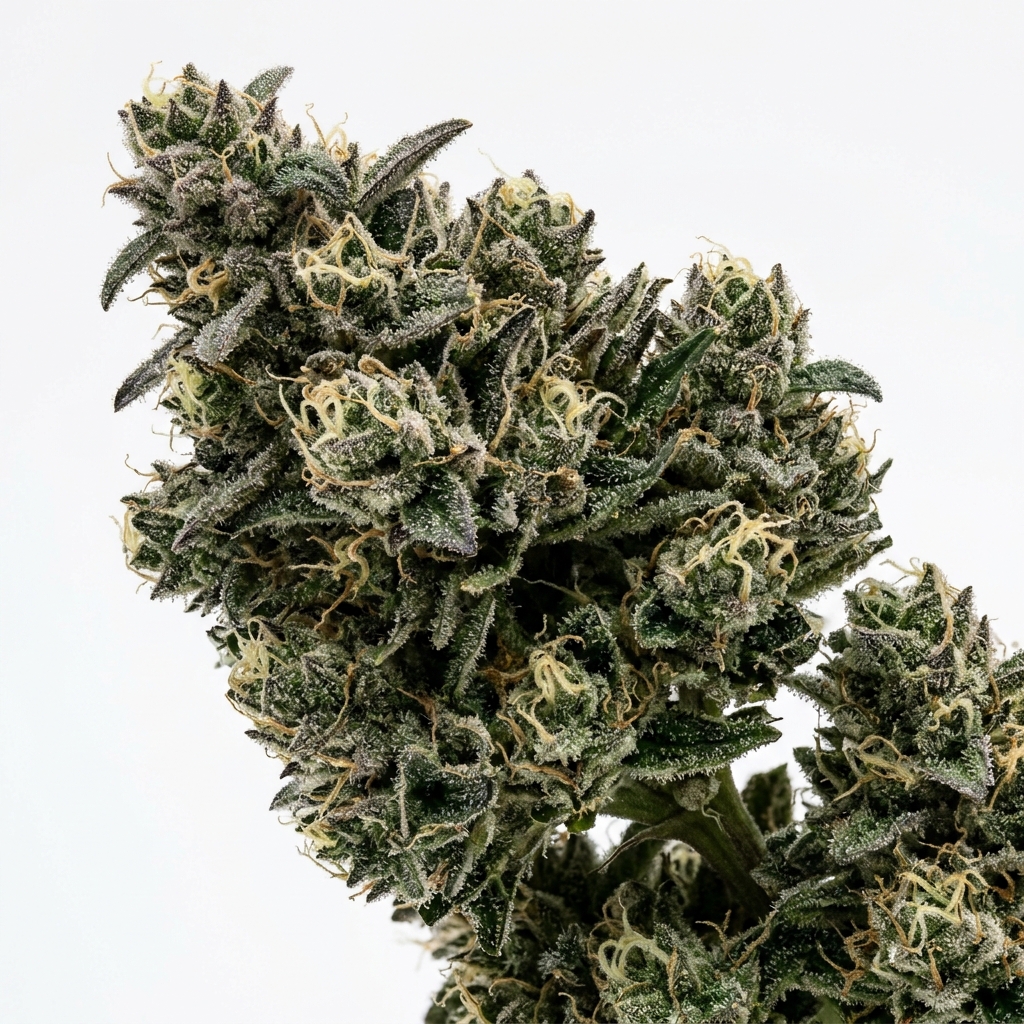
Frog Venom is a high-potency, indica-dominant hybrid cultivar distinguished by an aggressive aroma of pungent fuel, sharp chemical solvent, and swampy funk. Surfacing through contemporary West Coast boutique breeding circles and select state-legal markets, Frog Venom occupies a notable, occasionally contentious space in modern cannabis nomenclature. The strain name is frequently used interchangeably with or in reference to the celebrated Toad Venom and Frog Poison lines originating from Ronin Seeds, while independent regional selections trace the name to distinct crosses such as Venom OG combined with Durban Poison.
Strain Profile & Genetics
- Breeder: Disputed (Attributed to Ronin Seeds selections, CopyCat Genetics, and select West Coast boutique breeders)
- Genetics: Disputed (Most commonly documented as synonymous with or descended from Animal Face × Sin Mintz; alternatively cataloged as Venom OG × Durban Poison)
- Type: Indica-dominant hybrid
- Indica/Sativa Ratio: Disputed (Reported variously as 60% indica / 40% sativa to 70% indica / 30% sativa)
- Seed Type: Feminized and clone-only selections
- THC: 23.02% – 26.45% (Commercial certificates of analysis; related keeper cuts test up to 34%)
- Primary Terpenes: Beta-Caryophyllene, Limonene, Beta-Myrcene
- Flowering Time: Not reliably established (Breeder targets report 63–72 days indoors)
- Plant Structure: Medium-stature hybrid with sturdy lateral branches and dense, resin-saturated calyxes
- Aroma: Raw gasoline, sour lime rind, burnt rubber, sulfurous garlic, and damp earth
- Flavor: Heavy diesel, sharp chemical funk, tart citrus, and peppery musk
- Mental Effects: Uplifting cerebral euphoria and initial mental clarity settling into a relaxed haze (reported)
- Body Effects: Pronounced physical calm, significant muscle ease, and eventual sedation (reported)
- Resin & Extraction: Heavy glandular trichome coverage with greasy resin heads, highly favored for solventless wash and hydrocarbon extraction
Appearance
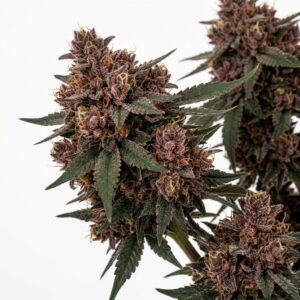
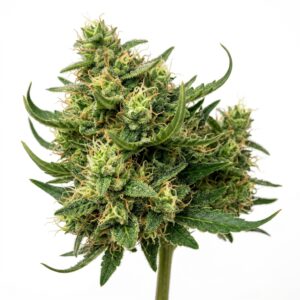
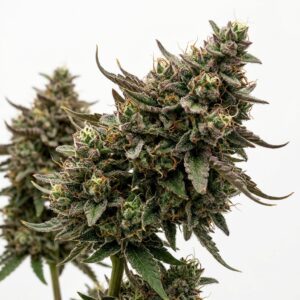
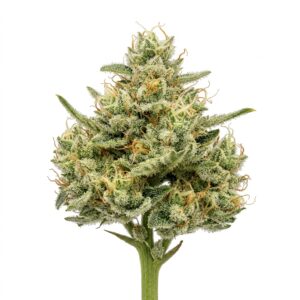
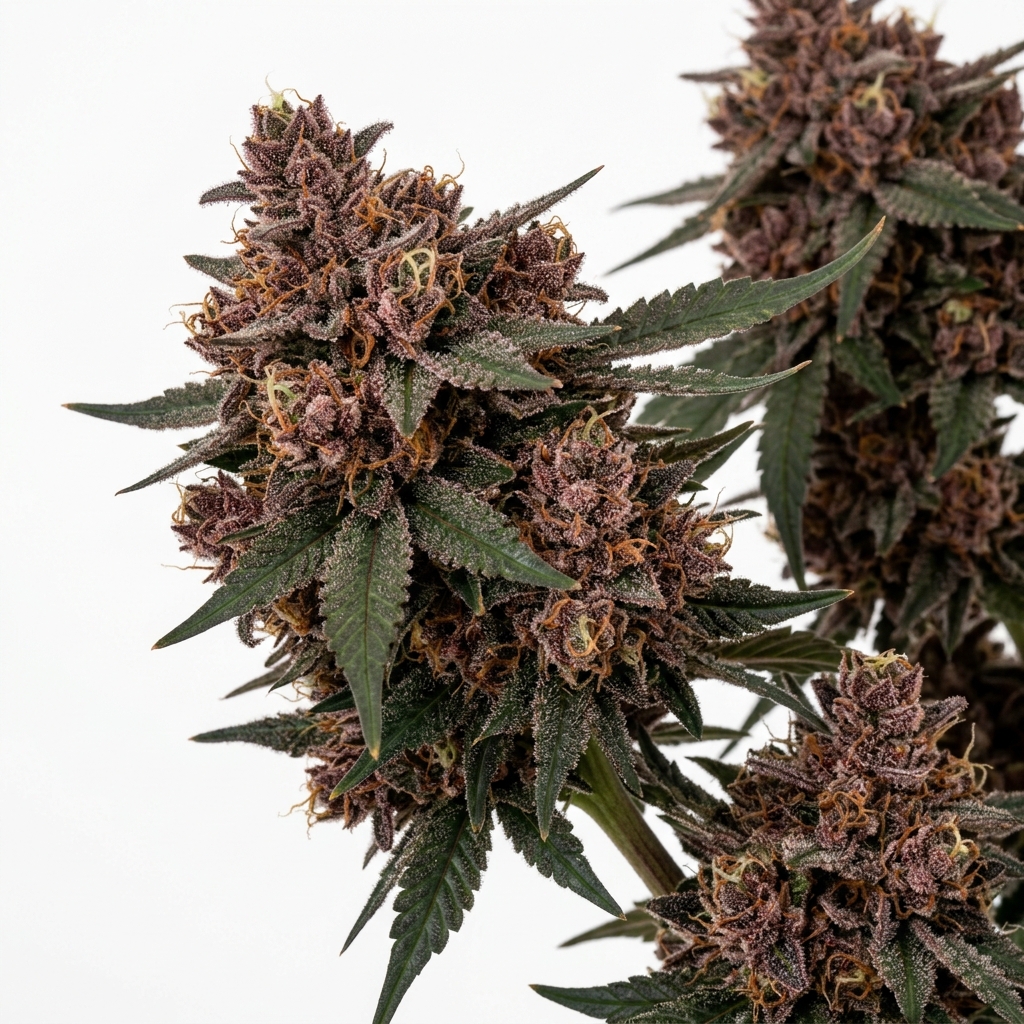
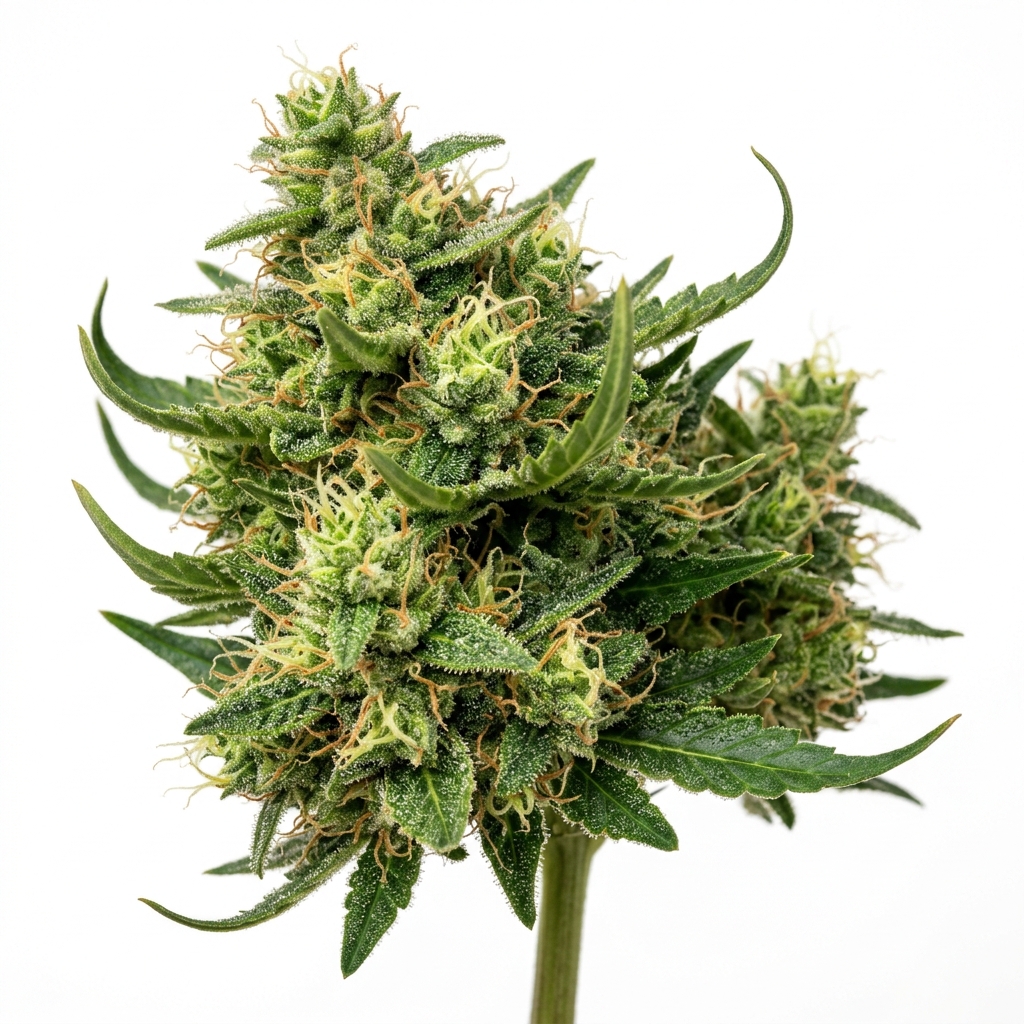
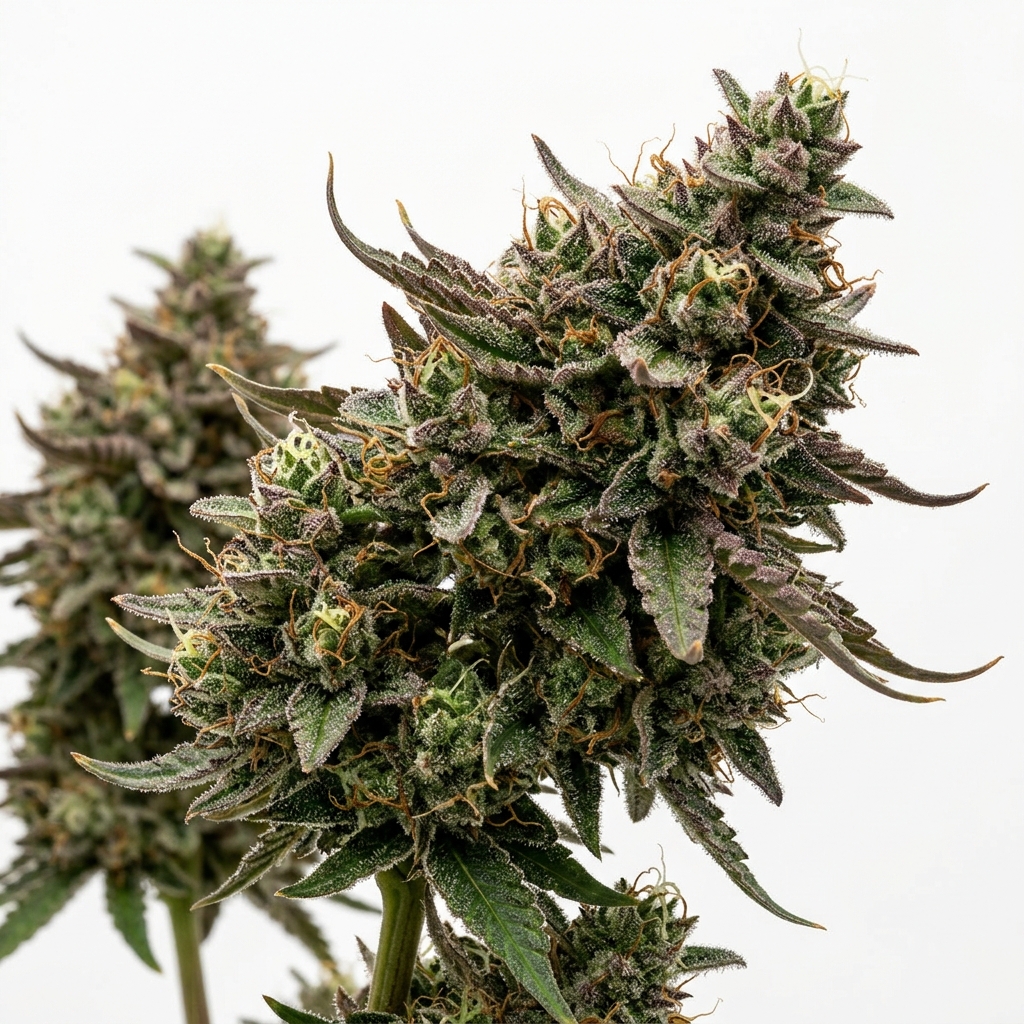
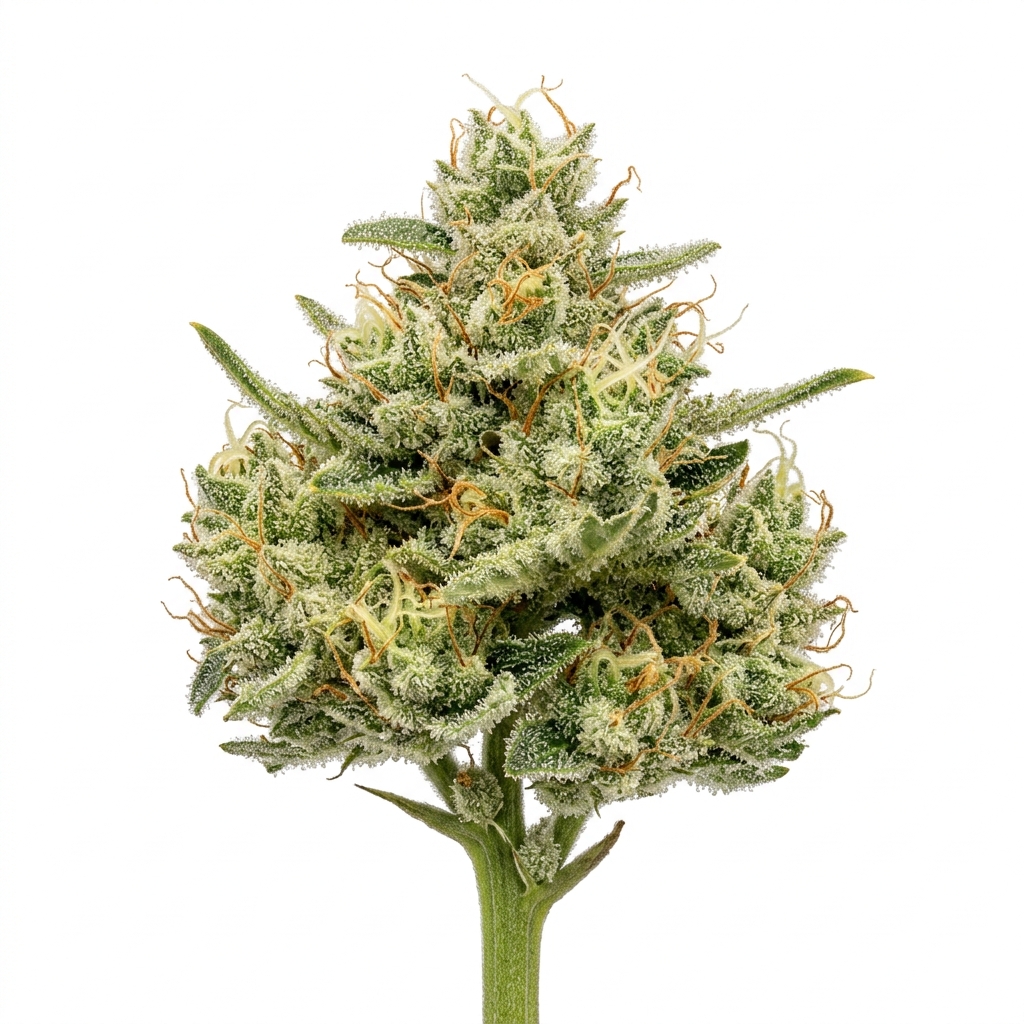
Frog Venom produces compact, tightly clustered floral structures with prominently swollen calyxes. The flowers display deep forest-green pigmentation that frequently transitions into olive hues and dark violet or purple accents under cooler finishing temperatures. Bracts are enveloped in an exceptionally thick, greasy layer of capitate-stalked glandular trichomes, which impart a glazed, silver-white cast over the entire bud. These dense clusters are punctuated by fine, tightly curled amber-to-tangerine pistils that weave closely along the bract seams.
Aroma & Flavor
The sensory profile of Frog Venom is deliberately anti-dessert, prioritizing heavy chemical and volatile sulfur aromas over conventional sweetness. The primary jar note opens with an aggressive burst of raw petroleum fuel, burnt rubber, and chemical solvent. When broken apart, secondary aromatics emerge, highlighting sour lime zest, cracked black pepper, damp organic earth, and a pungent, savory undertone often described as garlic or skunk funk. The combusted smoke closely mirrors the fragrance, delivering a heavy intake of oily fuel and astringent citrus peel followed by an exhale dominated by peppery earth and lingering chemical gas.
Terpene Profile
Analytical lab testing from commercially available dispensary flower identifies beta-caryophyllene as a primary driver of the cultivar’s spicy, fuel-laden bite. This is complemented by elevated concentrations of limonene, responsible for the cutting sour-citrus top notes, and beta-myrcene, which provides the base of musky, earthy dampness. Secondary terpenes documented across testing batches include humulene, linalool, alpha-pinene, and beta-pinene, contributing woodsy and herbal undertones. Total terpene content on commercial certificates of analysis has been recorded at approximately 1.20% to 1.55%.
Potency & Cannabinoids
Frog Venom is characterized by high cannabinoid density centered almost exclusively on delta-9-tetrahydrocannabinol precursors. Commercial testing of compliant retail batches (such as selections distributed by The Bulk Boys in New York) has documented active THC levels ranging from 23.02% to 26.45%, alongside total active cannabinoid (TAC) figures exceeding 25.71%. In closely related cutlines derived from the Ronin Seeds parent stock (often marketed as Toad Venom or Frog Poison), cannabinoid levels have been tested as high as 34% THC. Cannabidiol (CBD) and minor cannabinoids such as CBG typically register in trace concentrations under 1%.
Effects
Consumer-reported effects are inherently subjective and vary depending on dosage, tolerance, and individual biochemistry.
Mental Effects
Consumers frequently report a rapid cerebral onset marked by a rush of heady euphoria and immediate mental deceleration. While an initial phase of sharp sensory focus is sometimes noted, it typically gives way to a dreamy, meditative clarity that buffers mental stress without stimulating agitation.
Body Effects
The physical progression is characterized by a heavy, enveloping sensation that starts in the neck and shoulders before spreading through the limbs. As the session continues, deep physical heaviness and muscle relaxation take precedence, often leading to pronounced couch-lock and sedative qualities suited for evening consumption.
Cultivation Characteristics
Frog Venom displays growth habits typical of modern indica-dominant dessert-gas cultivars. The plants maintain a stocky, medium-height profile with stout nodal spacing and rigid lateral branches capable of supporting dense colas. The canopy responds well to low-stress training (LST), gentle defoliation, and topping to improve internal airflow, which is critical given the cultivar’s dense bud geometry and high humidity vulnerability. While precise outdoor parameters remain unstandardized, commercial seed projects specify an indoor flowering cycle of roughly 63 to 72 days.
Resin & Extraction Characteristics
A defining trait of Frog Venom is its dense, greasy trichome cuticle. The strain was deliberately selected in boutique circles for high resin return, yielding trichome heads that separate cleanly during mechanical agitation. Solventless rosin extractors and hydrocarbon processors value the cut because its pungent volatile sulfur compounds, sour citrus, and heavy fuel profiles survive extraction and curing without dissipating into neutral sweet tones.
Lineage & Related Strains
The genealogy of Frog Venom features distinct and competing narratives in the cannabis landscape:
- Toad Venom / Frog Poison Lineage: In most elite cut exchanges and modern seed drops, Frog Venom is tied directly to the cross between Animal Face (Seed Junky Genetics) and Sin Mintz (SinMint Cookies × Zkittlez). Originally bred by Ronin Seeds and famously hunted by Green Dragon—producing the standout phenotype “Becky”—this line gave rise to both the Toad Venom brand and parallel Frog Poison / Frog Venom naming conventions. Projects such as CopyCat Genetics’ Frog Venom 2.0 s1 formalize this by crossing selected cuts of Toad Venom and Frog Poison.
- Venom OG × Durban Poison Lineage: An alternative documentation maintained by certain West Coast dispensary registries traces the cultivar to a direct hybridization of Venom OG (Poison OG × Rare Dankness #1) and the pure African landrace Durban Poison, aiming to fuse dense fuel potency with high-clarity sativa energetics.
- All Gas OG Variant: Sparse regional records also cite occasional pairings involving Venom OG and Humboldt Seed Company’s All Gas OG.
Sources & Data Notes
Data regarding Frog Venom reflects a mixture of state-mandated certificate of analysis (COA) disclosures, breeder project announcements, and boutique lineage tracking. Due to high commercial hype in the early-to-mid 2020s, multiple distinct cuts were distributed under overlapping amphibian-themed names (Toad Venom, Frog Poison, and Frog Venom). Quantitative cannabinoid data referenced in this profile reflects laboratory-verified flower batches from New York adult-use dispensaries alongside authenticated Ronin Seeds background data.
Frog Venom Summary
Frog Venom is an unapologetically pungent, resin-heavy cannabis cultivar designed for connoisseurs of authentic fuel and chemical funk. Offering lab-verified THC levels between 23.02% and 26.45%, substantial extraction returns, and a deep physical impact, the strain stands out as one of the most distinctive gas-forward profiles of recent breeding cycles.