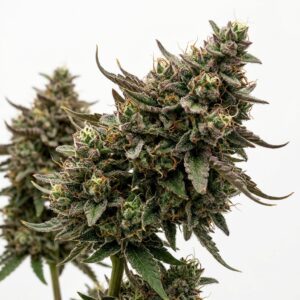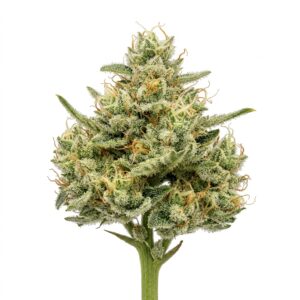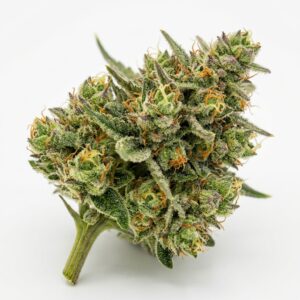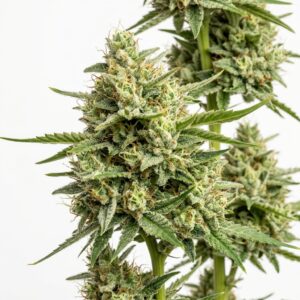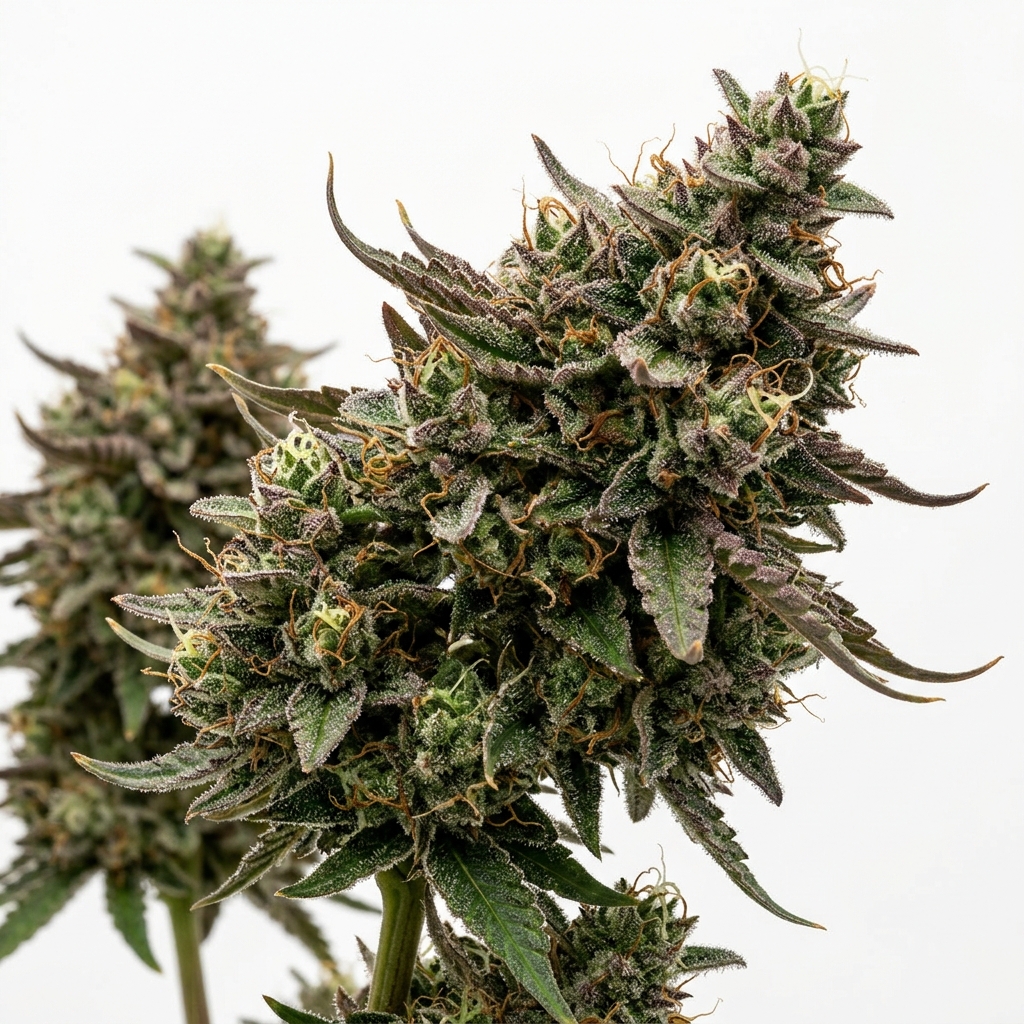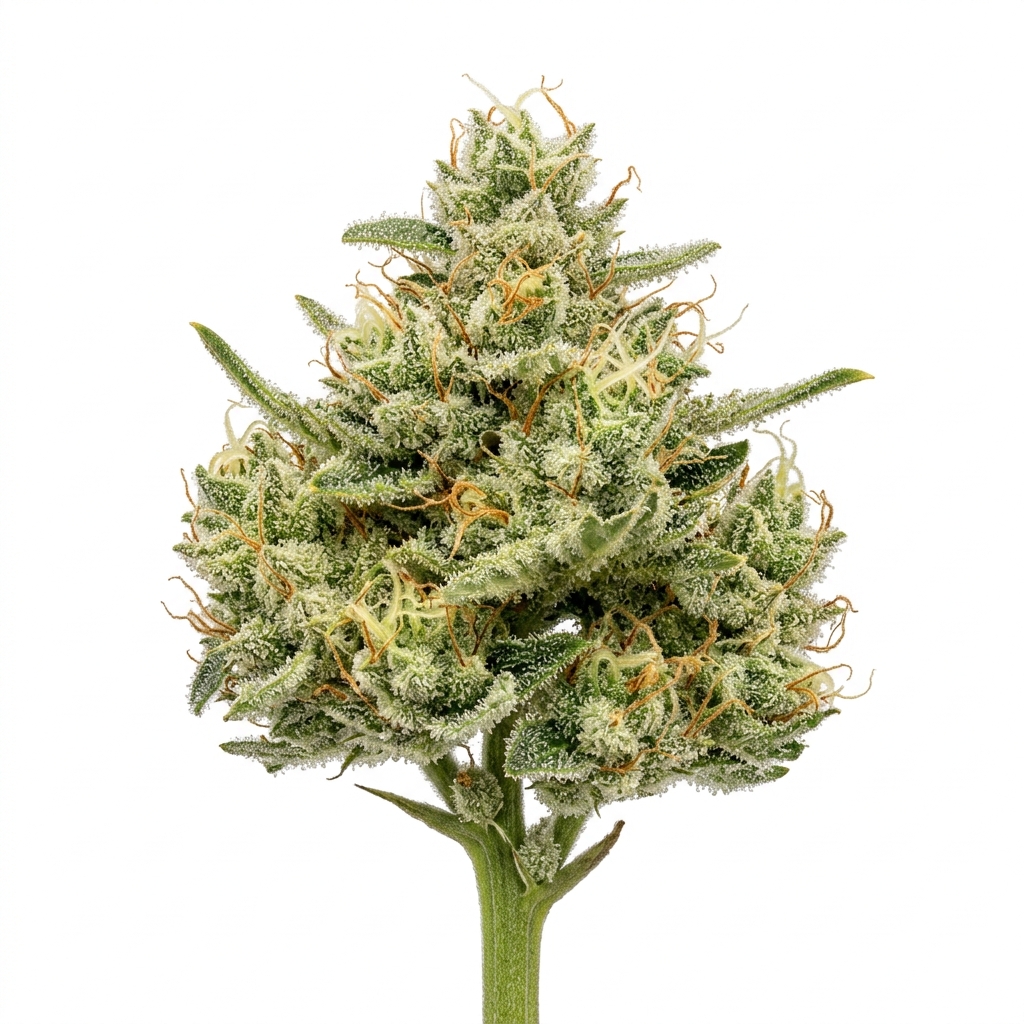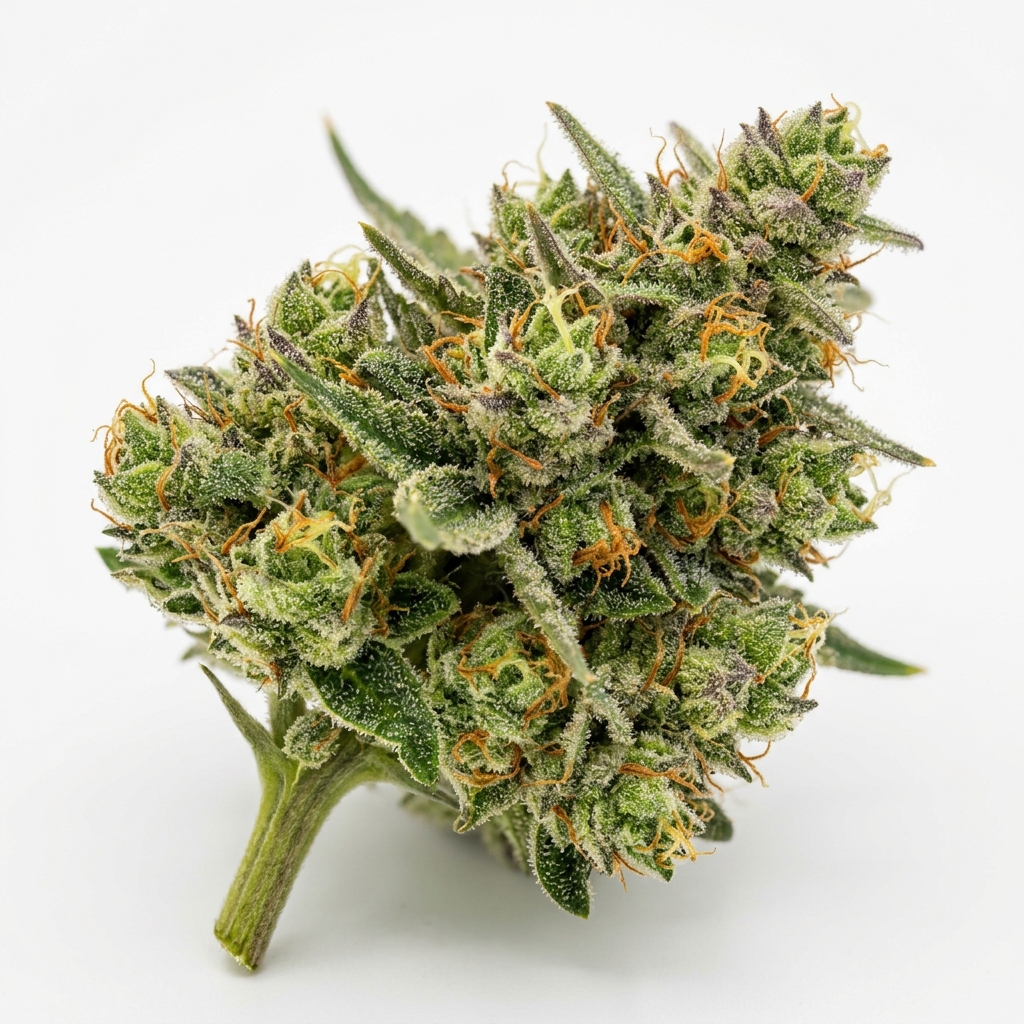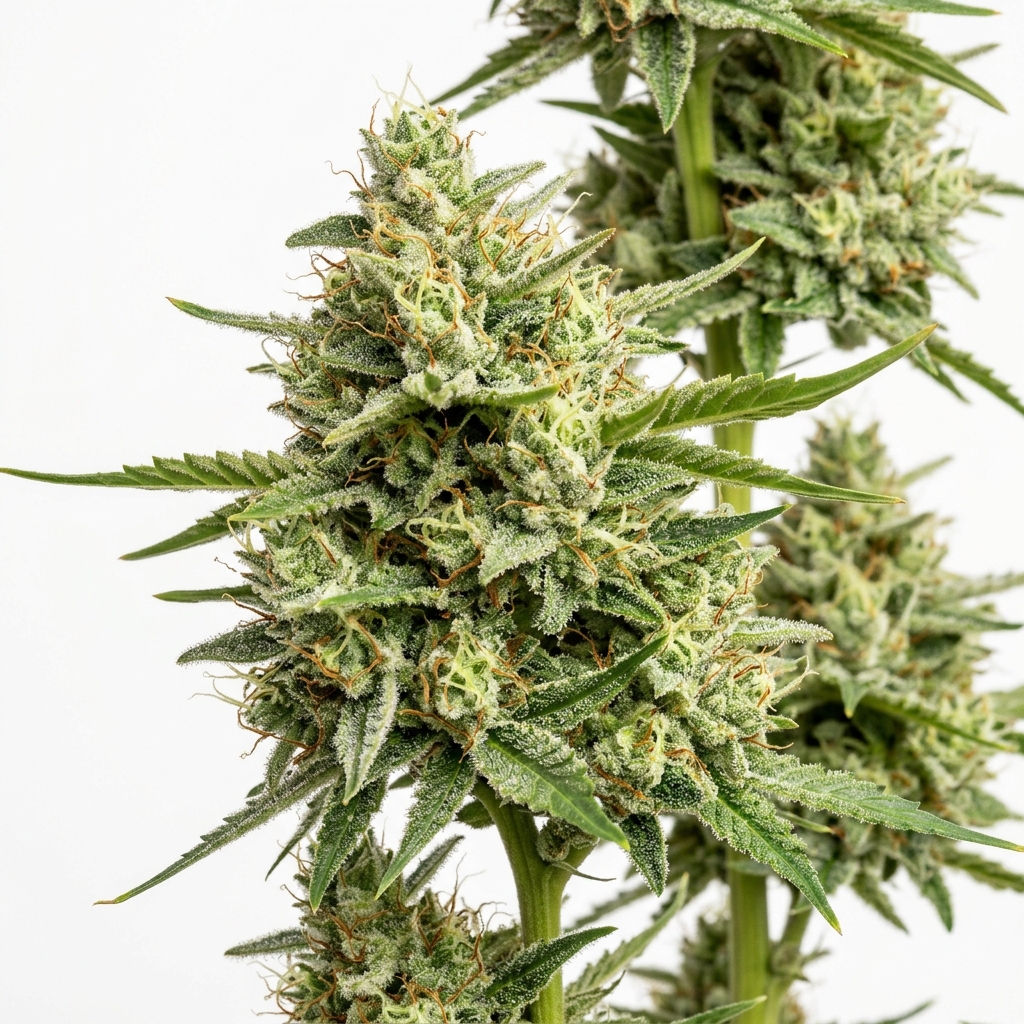
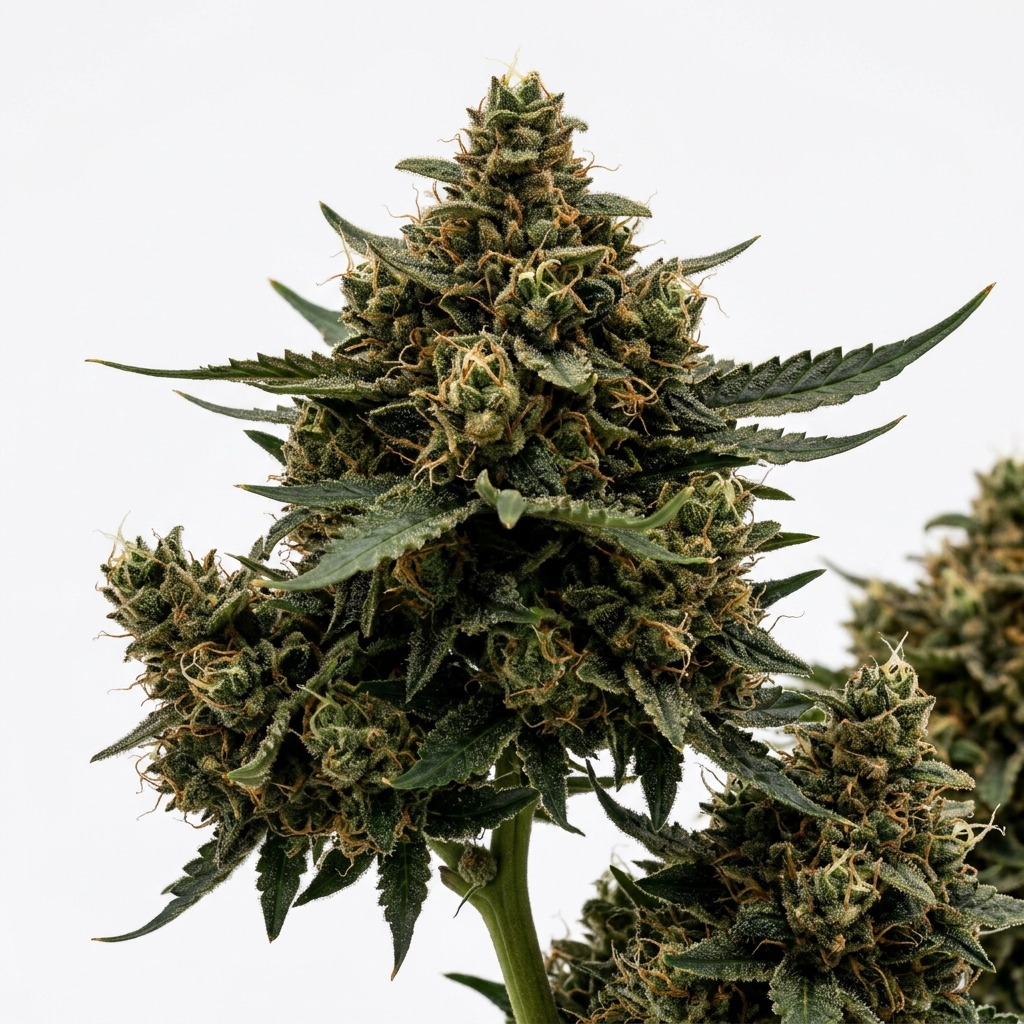
Low Rida (commonly encountered as an alternate moniker and dispensary release for the historic Lowryder lineage) is an autoflowering hybrid cannabis cultivar developed originally by Canadian breeder The Joint Doctor. Renowned as the foundational genetic line that catalyzed the modern autoflowering cannabis category, the cultivar was bred by combining William’s Wonder and Northern Lights #2 with an obscure, day-neutral Mexican Ruderalis landrace selection. The cultivar is distinct for its diminutive, bonsai-like stature, rapid lifecycle independent of photoperiod light cycles, and a classic profile defined by earthy pine, sweet citrus, and pungent herbal undertones.
Strain Profile & Genetics
- Cultivar Name: Low Rida (Lowryder)
- Breeder: The Joint Doctor (original line); distributed in regulated legal markets under curated brands including Dr. Greenthumb’s
- Genetics: William’s Wonder × Northern Lights #2 × Mexican Ruderalis
- Plant Type: Autoflowering Hybrid (Ruderalis / Indica / Sativa)
- Seed Type: Autoflowering (Regular and Feminized lines available)
- THC Potency: Disputed (Historic seed releases averaged 10% to 15% THC; modern state-licensed regulated flower batches have tested from 23.49% to 27.76% Total THC)
- CBD Content: Under 1% (frequently non-detectable or <LOQ in analytical compliance testing)
- Dominant Terpenes: Beta-Caryophyllene, Limonene, Myrcene
- Life Cycle: Approximately 8 to 9 weeks (56 to 65 days) from seed to harvest
- Outdoor Harvest Window: Approximately 8 to 9 weeks post-germination (independent of season)
- Plant Height & Structure: Extremely compact dwarf morphology, reaching approximately 30 to 50 cm (12 to 16 inches)
- Yield Potential: Modest / Low
- Aromatic Profile: Pungent earth, crisp pine, sweet citrus, herbal wood, and faint diesel fuel
- Flavor Profile: Pine, damp earth, spiced herb, sweet lemon zest, and mild fuel
- Reported Mental Effects: Mild euphoria, mental calm, mood elevation, and clear focus
- Reported Body Effects: Muscular ease, physical relaxation, gentle tingles, and light sedation in higher amounts
- Resin & Extraction: Densely clustered trichome heads suitable for cured resin and sugar wax concentrates
Appearance
True to its breeding for discretion and compact spaces, Low Rida produces tightly stacked, columnar inflorescences on a diminutive frame. The flowers feature dense, conical bract structures with deep mossy and olive-green coloration, occasionally showing faint yellowish or bronze highlights as the plant reaches complete senescence. Pistils are fine, curling inward with warm copper to amber hues. Despite the plant’s dwarfed physical stature, calyxes develop a thorough layer of glandular trichomes, giving the cured nugs a frosted, crystalline texture and substantial tactile resin density.
Aroma & Flavor
The sensory profile of Low Rida reflects its foundational heritage. The bouquet opens with a damp, musky earthiness intertwined with prominent notes of fresh-cut pine and dry wood. When ground or broken open, the cured flowers release secondary aromas of sweet lemon-citrus peel, subtle garden spices, and a low-toned diesel gas note.
On inhalation, the smoke or vapor delivers an herbal, woody flavor lead by crisp pine needles and crushed peppercorn. The finish is smooth, leaving an earthy, sweet citrus aftertaste on the palate alongside lingering herbal-fuel nuances.
Terpene Profile
Analytical testing of regulated dispensary batches shows a terpene profile dominated by sesquiterpenes and monoterpenes common to heritage Afghan and Northern Lights ancestry:
- Beta-Caryophyllene: The primary dominant terpene in tested commercial batches, contributing spicy, peppery undertones and interacting with peripheral cannabinoid receptors.
- Limonene: Adds brightness to the nose, providing clean citrus zest notes and contributing to reported mood-lifting properties.
- Beta-Myrcene: Provides the deep, grounded earth and herbal undertone, contributing to physical relaxation and body comfort.
Potency & Cannabinoids
Potency metrics for Low Rida present a clear dichotomy between historic open-pollinated seedstock and contemporary single-batch commercial releases. In its original commercial seed iterations under The Joint Doctor, Lowryder was known for modest cannabinoid output, typically measuring between 10% and 15% THC (with early breeder literature recording 10% to 12% THC), reflecting the heavy genetic influence of low-cannabinoid wild ruderalis. Conversely, state-licensed laboratory compliance tests on contemporary flower sold under the Low Rida name (such as Apollo Labs testing for Dr. Greenthumb’s / The Flower Shop) have demonstrated total THC concentrations reaching 27.05% (with 30.49% THCa and 0.31% Δ9-THC), alongside 0.44% CBGa and 0.10% CBG, while CBD remained non-detectable. Retail listings across legal Western state dispensaries report batches fluctuating between 23.49% and 27.76% THC. Consumers and cultivators should evaluate specific batch Certificates of Analysis (COAs) to assess exact cannabinoid output.
Effects
Note: Subjective effects are reported by consumers and are not evaluated as medical claims.
Mental Effects
Consumers typically report a gentle, creeping onset marked by mild cognitive euphoria, mood elevation, and an easing of daily mental tension. Unlike highly stimulating equatorial sativa strains, Low Rida does not commonly induce racing thoughts or mental agitation, making it functional and calming for casual social interactions or quiet hobbies.
Body Effects
The physical sensation leans heavily into the indica lineage of Northern Lights #2 and William’s Wonder. A warm, soothing sensation generally begins around the neck and shoulders before spreading through the extremities. Users report a gradual transition into deep physical comfort, relief from muscular stiffness, and gentle couchlock or drowsiness when consumed in heavier sessions.
Cultivation Characteristics
Low Rida is renowned in horticultural circles as an exceptionally low-maintenance, resilient cultivar. Operating via age-dependent autoflowering genes derived from wild ruderalis populations, the plant bypasses the traditional vegetative photoperiod shift, initiating flower formation after developing only two to four sets of true leaves (typically within 14 to 21 days from germination).
The cultivar maintains a remarkably low vertical profile, rarely exceeding 30 to 50 cm (12 to 16 inches) in height. Because of this miniature footprint, yields per plant are modest, historically producing between 15 to 45 grams per specimen depending on root volume and lighting efficiency. Indoor growers frequently utilize high-density Sea of Green (SOG) layouts under continuous 18/6 or 20/4 light cycles to maximize square-meter productivity. The cultivar demonstrates notable natural resistance to temperature fluctuations, mold, and pests, finishing its entire lifecycle within 8 to 9 weeks (56 to 65 days) from germination.
Resin & Extraction Characteristics
While the overall physical biomass of Low Rida is compact, the flower-to-leaf ratio and surface trichome concentration are pronounced. Commercial processors have successfully utilized the cultivar for hydrocarbon extractions, producing cured sugar wax and live resin cartridges that exhibit pronounced gassy-diesel and pine-dominant terpene fractions, with concentrates testing near 68.8% THC.
Scientific & Botanical Overview
Botanically, Low Rida exemplifies the introgressed inheritance of the day-neutral (autoflowering) trait within the Cannabis genus. By crossing a photoperiod-sensitive domesticate (Northern Lights #2 × William’s Wonder) with an early-maturing ruderal population adapted to extreme northern latitudes, breeders stabilized the recessive day-neutral locus through approximately nine generations of selective inbreeding. This genetic stabilization allowed modern cannabis cultivars to flower without the standard 12-hour dark cycle reduction required by conventional photoperiod varieties.
Lineage & Related Strains
The genetic architecture of Low Rida includes:
- William’s Wonder: A potent, stout indica landrace descendant bred by the Super Sativa Seed Club, contributing dense bract structures and resin output.
- Northern Lights #2: A classic Afghan-dominant indica selection providing resin coverage, structural resilience, and pine-earth aromatics.
- Mexican Ruderalis: The fast-flowering day-neutral landrace selection responsible for contributing the recessive autoflowering genetic sequence.
- Lowryder #2 / Lowryder IBL: The immediate successor in the Joint Doctor lineage, which introduced Santa Maria genetics to increase yield, calyx swelling, and sweetness.
Sources & Data Notes
Data synthesized in this post is drawn from primary breeder documentation (The Joint Doctor / Doctor’s Choice historical records), published regulatory compliance laboratory test results (Apollo Labs Certificate of Analysis Batch TFM-LOWR083125), and verified state dispensary cataloging via Dr. Greenthumb’s and The Flower Shop distribution networks. Cannabinoid figures reflect the documented historical shift between early open-pollinated seed varieties (10% to 15% THC) and modern indoor state-regulated flower batches (23% to 27%+ THC).
Low Rida Summary
Low Rida is an iconic dwarf autoflowering cultivar that blends William’s Wonder, Northern Lights #2, and Mexican Ruderalis. Recognized for its bonsai height, rapid 8- to 9-week turnaround, and piney, earthy aromatic profile, it offers a functional blend of gentle cerebral elevation and soothing physical calm.