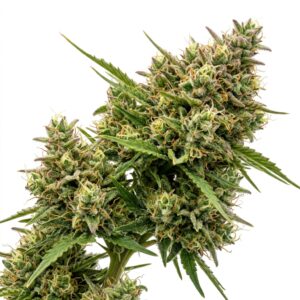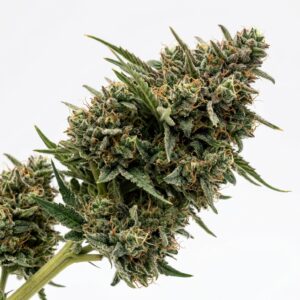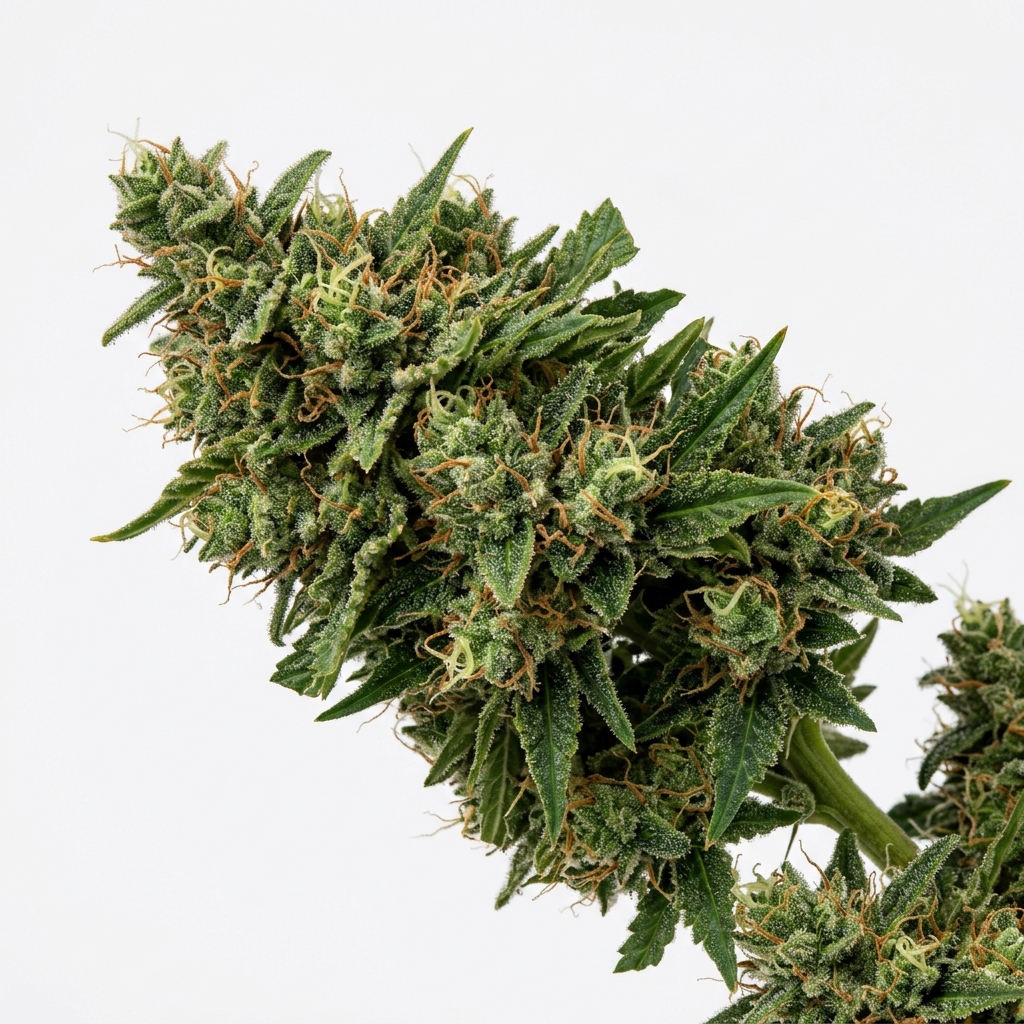

Pawpaw (frequently stylized as Paw Paw) is a balanced hybrid cannabis cultivar developed by Skunk House Genetics through crossing Indigo Bubblegum with Modified Bananas. Named after the North American fruit tree (Asimina triloba) for its aromatic resemblance to ripe tropical fruit, Pawpaw has gained widespread recognition in regulated adult-use and medical markets—most notably within large-format and flower selections from producers such as Grassroots and Find. The cultivar is recognized for its dense trichome coverage, elevated cannabinoid concentrations, and a distinct terpene signature blending sweet bubblegum, overripe banana, and savory, gas-tinged undertones.
Strain Profile & Genetics
- Breeder: Skunk House Genetics
- Genetics: Indigo Bubblegum × Modified Bananas
- Type: Balanced Hybrid
- Indica / Sativa Ratio: Approximately 50% Indica / 50% Sativa
- Seed Type: Regular photoperiod
- THC Potential: 23%–32%
- CBD Content: <1% (negligible)
- Dominant Terpenes: Limonene, Ocimene, Pinene, Caryophyllene, Myrcene
- Flowering Time: 56–65 days
- Plant Structure: Medium-stature framework with sturdy branching and moderate flowering stretch
- Yield: Moderate to high
- Aroma: Sweet tropical fruit, creamy bubblegum, ripe banana, earthy spice, and light fuel
- Flavor: Banana-custard, sugary confection, tropical melon, and peppery earth
- Mental Effects: Mood elevation, mild cerebral euphoria, creative focus, and giggly relaxation
- Body Effects: Calming somatic ease, gradual physical tension relief, non-incapacitating restfulness
- Resin & Extraction: Heavy capitate-stalked trichome coverage yielding sticky, greasy resin
Appearance
Pawpaw produces dense, conical to spear-shaped inflorescences that reflect its balanced lineage. The floral clusters feature tightly grouped calyxes in shades ranging from vibrant spring green to deep hunter green, occasionally displaying faint anthocyanin purpling when exposed to cooler nighttime temperatures during late bloom. Spiraling burnt-orange and amber pistils thread throughout the bracts. The entire surface of the mature bud is enveloped by a thick, uniform carpet of resinous glandular trichomes, which impart a frosted, crystalline sheen and a greasy tactile finish.
Aroma & Flavor
Pawpaw’s sensory profile is defined by an interplay of ripe fruit and confectionery sweetness derived from its parental lineage. The unground flower presents an immediate bouquet of ripe pawpaw, papaya, and banana custard, accentuated by notes of pink bubblegum. Upon breakdown, secondary aromatics emerge, introducing sharp citrus zest, cracked pine, and a subtle skunky, fuel-forward base passed down by the GMO and Skunk heritage in Modified Bananas. On inhalation, the vapor or smoke is smooth and creamy, carrying candied fruit and overripe melon notes, followed by an exhale marked by subtle earth, faint diesel, and light herbal spice.
Terpene Profile
Analytical testing of retail and medical harvests indicates total terpene concentrations commonly measuring around 2.4% to 2.5%. The profile is frequently led by limonene, ocimene, and beta-pinene, supported by beta-caryophyllene and myrcene. Limonene drives the initial sweet citrus notes, while ocimene lends the bright, tropical, and botanical fruit essence characteristic of pawpaw and mango. Pinene provides crisp herbal accents, and caryophyllene delivers a grounding warm spice in the background.
Potency & Cannabinoids
Commercial laboratory certificates of analysis for Pawpaw commonly document total THC levels ranging from 23% to 32%. Specific single-batch lab tests on mature indoor flower have recorded potencies spanning 24.92%, 29%, 30.08%, 31.4%, and up to 32.83% THC depending on phenotype selection, facility environment, and harvesting timelines. Minor cannabinoids such as CBD generally remain below 1% (frequently testing under 0.1%), while trace quantities of CBG are routinely observed. Due to its elevated THC potential, Pawpaw offers substantial physiological and psychoactive potency.
Effects
Consumer-reported effects are subjective and vary depending on dosage, tolerance, consumption method, and individual endocannabinoid response.
Mental Effects
Consumers routinely report an onset characterized by an uplifting cerebral sensation, mood enhancement, and sensory clarity. The initial phase often stimulates mild creative flow, conversation, and a relaxed, giggly state without overwhelming cognitive disorganization. As the experience progresses, the energetic surge gently tapers into a calm, focused tranquility.
Body Effects
The somatic effects of Pawpaw are gentle yet pervasive. Users describe a warm release of physical tension across the neck, shoulders, and back, creating a grounded body sensation that maintains comfort without inducing heavy couchlock or complete motor sedation at moderate consumption levels.
Cultivation Characteristics
Pawpaw demonstrates strong vegetative vigor, developing sturdy stalks and medium internodal spacing suited for indoor and greenhouse cultivation. Plants typically exhibit a moderate stretch during the transition to flower, expanding between 100% and 125% of their pre-flower height. The indoor flowering cycle concludes between 56 and 65 days (approximately 8 to 9 weeks). Because the bract clusters swell significantly during the final weeks of bloom, cultivators emphasize maintaining moderate canopy airflow and lower relative humidity during the late flowering phase to protect the dense colas from moisture retention. The cultivar responds well to topping and trellis support to distribute floral mass evenly across lateral branches.
Resin & Extraction Characteristics
Thanks to the Modified Bananas lineage, which descends from Donny Burger and GMO lines known for superior trichome density, Pawpaw generates abundant glandular trichomes. The trichome heads are large, easily detached, and greasy to the touch, making the cultivar an effective candidate for solventless ice water hash washing, live rosin processing, and hydrocarbon extraction.
Scientific & Botanical Overview
Pawpaw belongs to the family Cannabaceae and the species Cannabis sativa L. It represents an intentional polyhybrid cross developed to blend the confectionary terpene spectrum of classic bubblegum varieties with high-potency chemotypes. The cultivar synthesizes primarily Delta-9-tetrahydrocannabinolic acid (THCA) via its type I cannabinoid synthases, with trace expression of minor phytocannabinoids. Morphologically, the fan leaves display intermediate broad-leaf characteristics consistent with balanced hybrid parentage.
Lineage & Related Strains
The maternal parent, Indigo Bubblegum, supplies the bubblegum-candy aroma and balanced hybrid growth tendencies, while the paternal contributor, Modified Bananas (Banana OG × Donny Burger), infuses deep fuel, savory undertones, heavy trichome density, and elevated cannabinoid ceilings.
Several other distinct cannabis varieties share the “Pawpaw” name across the commercial market and should not be conflated with the Skunk House Genetics cultivar:
- Grassroots / Dark Heart Phenohunt Cut: A separate selection released under the Paw Paw label by Grassroots that lists Brothers Grimm genetics (Cap Junky × Rosetta Stone) as its origin.
- Pawpaw (Papaya Hybrid): A boutique selection predominantly derived from Papaya lines linked to Florida craft breeding and Swamp Boys Seeds.
- PawPaw Outlaw: An autoflowering cultivar bred by Happy Bird Seeds combining Purple Taffy Truck and All Gas OG.
- Pawpaw Express: A sativa-dominant hybrid (60% sativa / 40% indica) selected by Free Thinkers Conservation.
Sources & Data Notes
Data compiled for this profile originates from seed release documentation by Skunk House Genetics, commercial testing certificates of analysis (COAs) and retail menus from Curaleaf, Grassroots, Find, and Treehouse Cannabis, as well as horticultural tracking via SeedFinder and Strainpedia. Specific harvest outdoor calendars remain insufficiently documented in standardized agronomic records, leading to a neutral data state for outdoor harvest timing.
Pawpaw Summary
Pawpaw is a balanced 50/50 hybrid developed by Skunk House Genetics from Indigo Bubblegum and Modified Bananas. Testing between 23% and 32% THC, it offers a distinctive sensory profile of ripe tropical fruit, sweet bubblegum, and undertones of gas and earth, supported by a 56- to 65-day flowering cycle and resin production suited for both whole-flower enjoyment and solventless extraction.