Pinyatti is an invigorating, sativa-dominant hybrid cannabis cultivar bred by Grandiflora Genetics, the Oakland-based breeding outfit founded by Mark McCafferty. Created through a cross of Piña Açaí and Zoap A (a select cut of the Pink Guava and Rainbow Sherbet lineage), Pinyatti gained commercial prominence as a high-vigor cultivar defined by vibrant tropical fruit notes, sugary confectionery tones, and an underlying fuel-tinged punch. Known for its uplifting, daytime-oriented experiential profile, the cultivar has also entered commercial cultivation via clean-stock micropropagation pipelines.
Strain Profile & Genetics
Developed in Northern California, Pinyatti was bred to unite the rich, beach-side fruit esters of Piña Açaí with the intensely aromatic, soapy confection profile characteristic of Zoap. The cross is widely acknowledged in licensed supply chains across California, New York, and the Midwest as an authentic modern sativa-leaning cultivar.
- Breeder: Grandiflora Genetics
- Genetics: Piña Açaí × Zoap A
- Cultivar Type: Sativa-dominant hybrid
- Indica / Sativa Ratio: Approximately 40% Indica / 60% Sativa
- Seed Type: Clone-only (distributed commercially via tissue culture)
- THC Potency: Typically 24% to 28%+ (commercial lab tests range from 18.87% to 30.26% total cannabinoids)
- CBD Potency: <1%
- Dominant Terpenes: Limonene, beta-Caryophyllene, Linalool, beta-Myrcene
- Plant Structure: High-vigor upright vegetative growth with moderate internodal spacing
- Yield Potential: High yield
- Aroma: Sweet pineapple, dark açaí berry, citrus syrup, and pungent fuel
- Flavor: Ripe tropical fruit, candied sweetness, light earth, and a gassy-pine finish
- Mental Effects: Uplifting, creative, clear-headed euphoria, and social engagement
- Body Effects: Functional physical relaxation, tension relief without sedation
Appearance
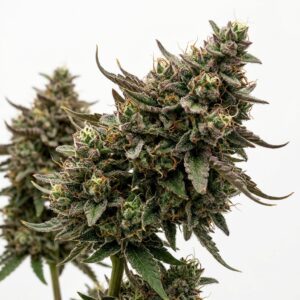
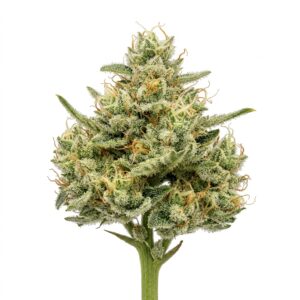
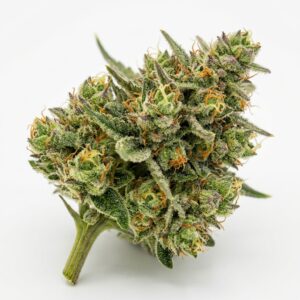
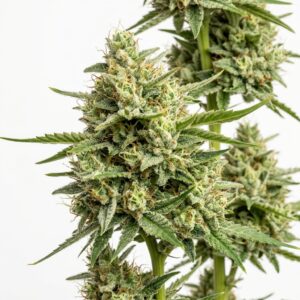
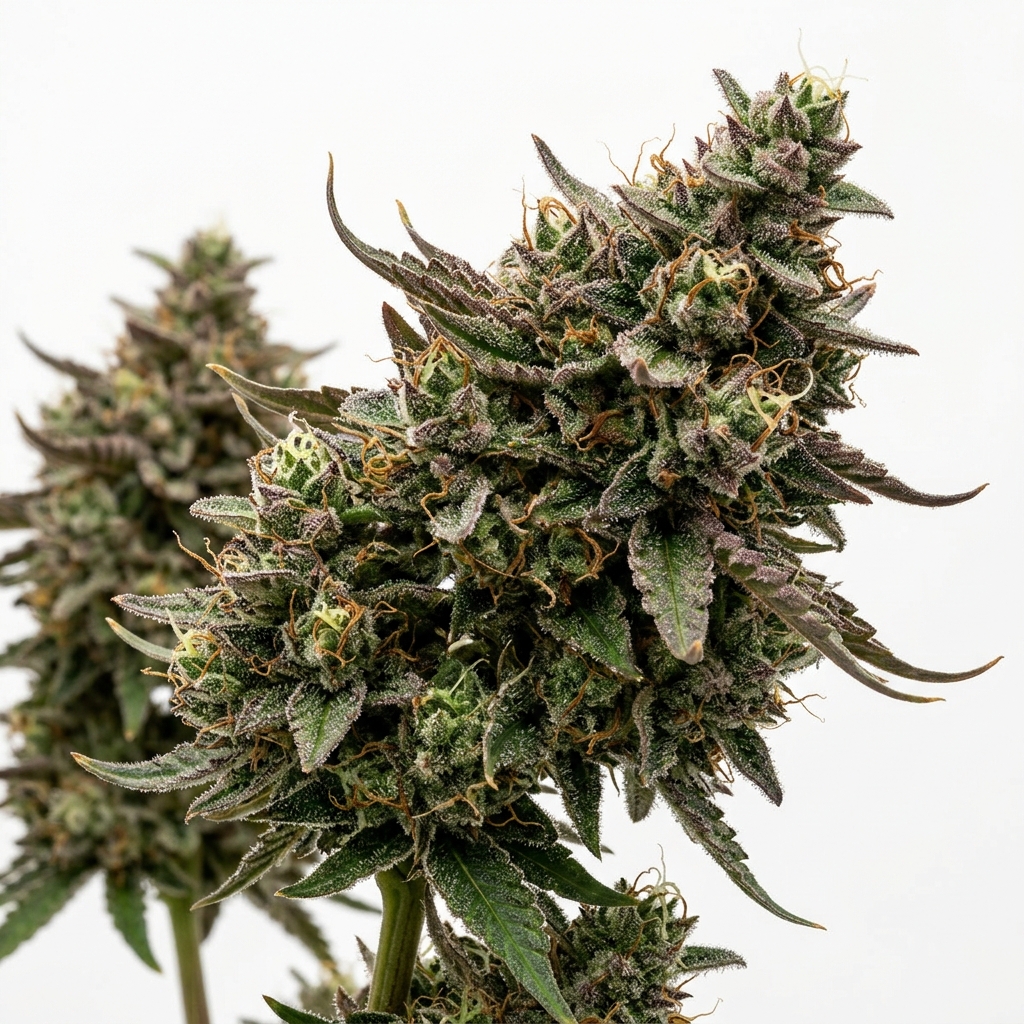
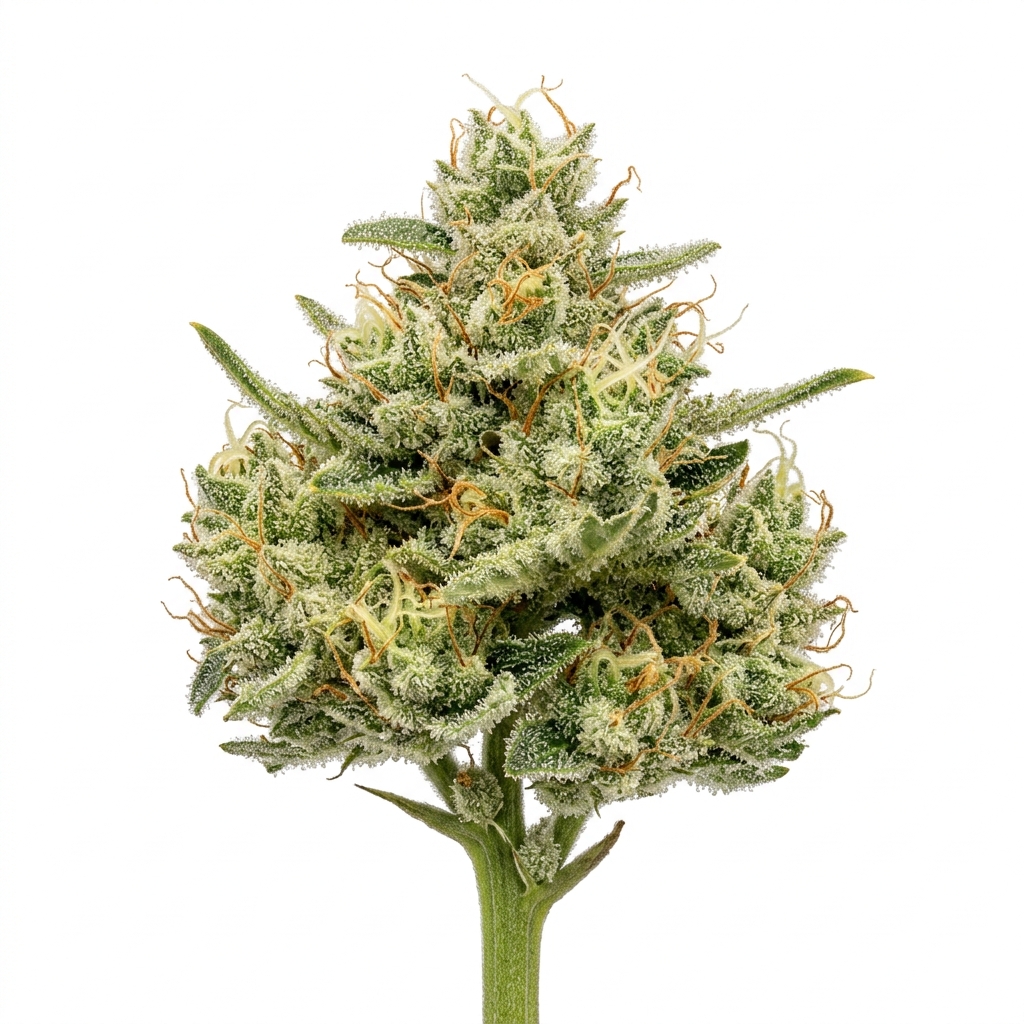
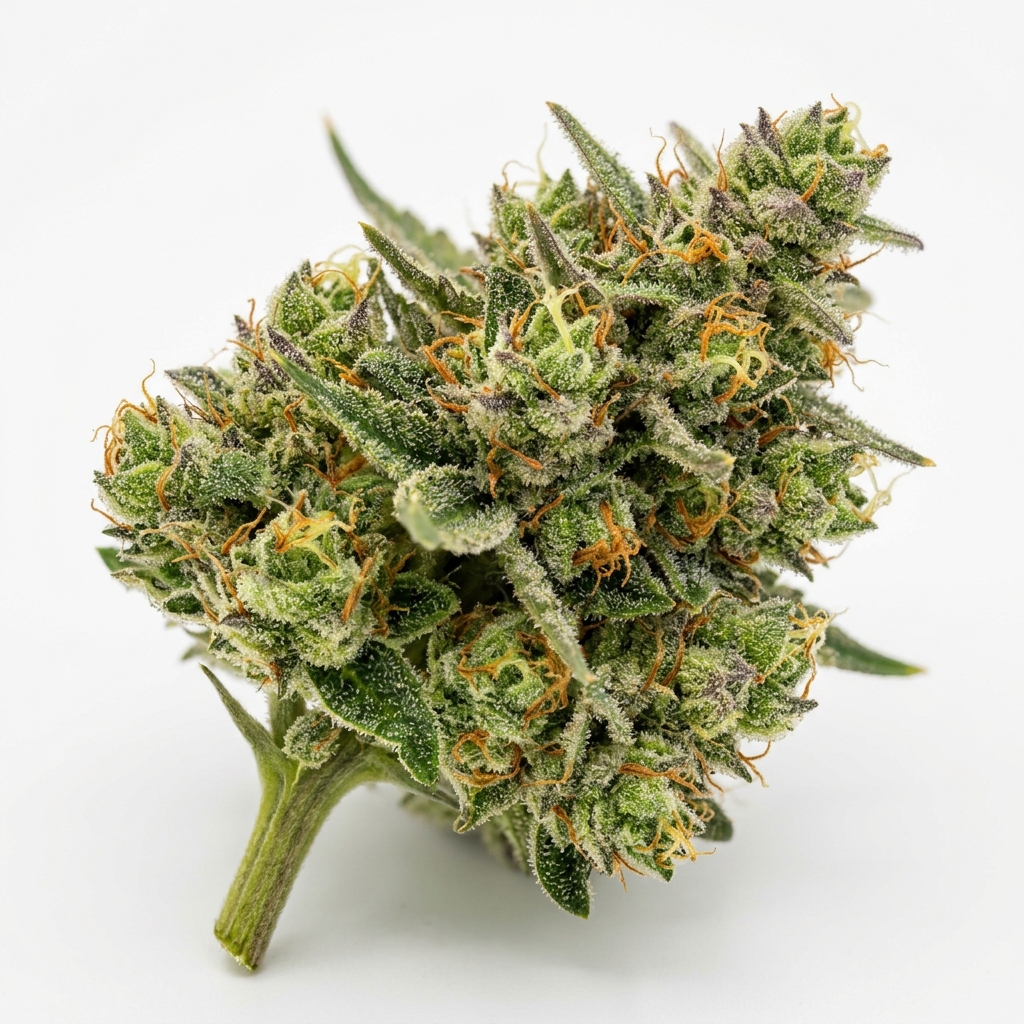
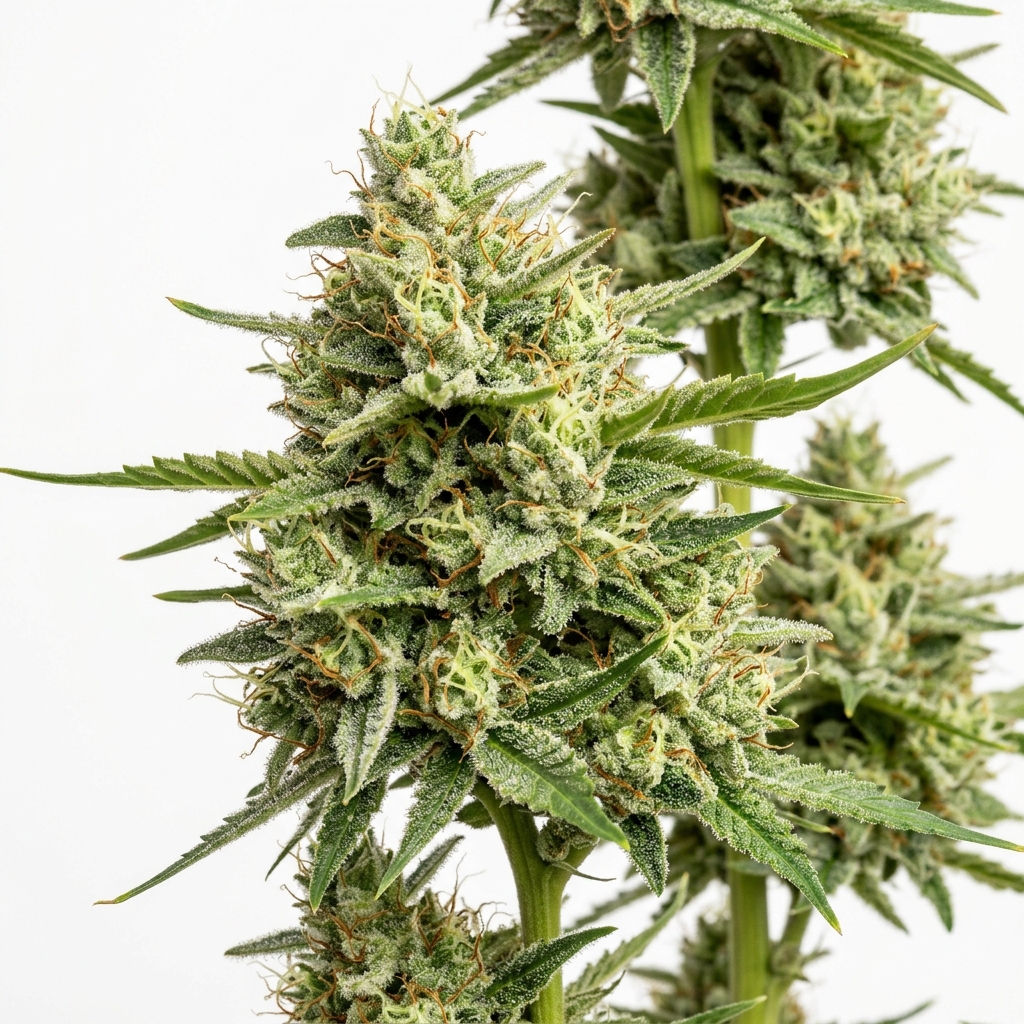
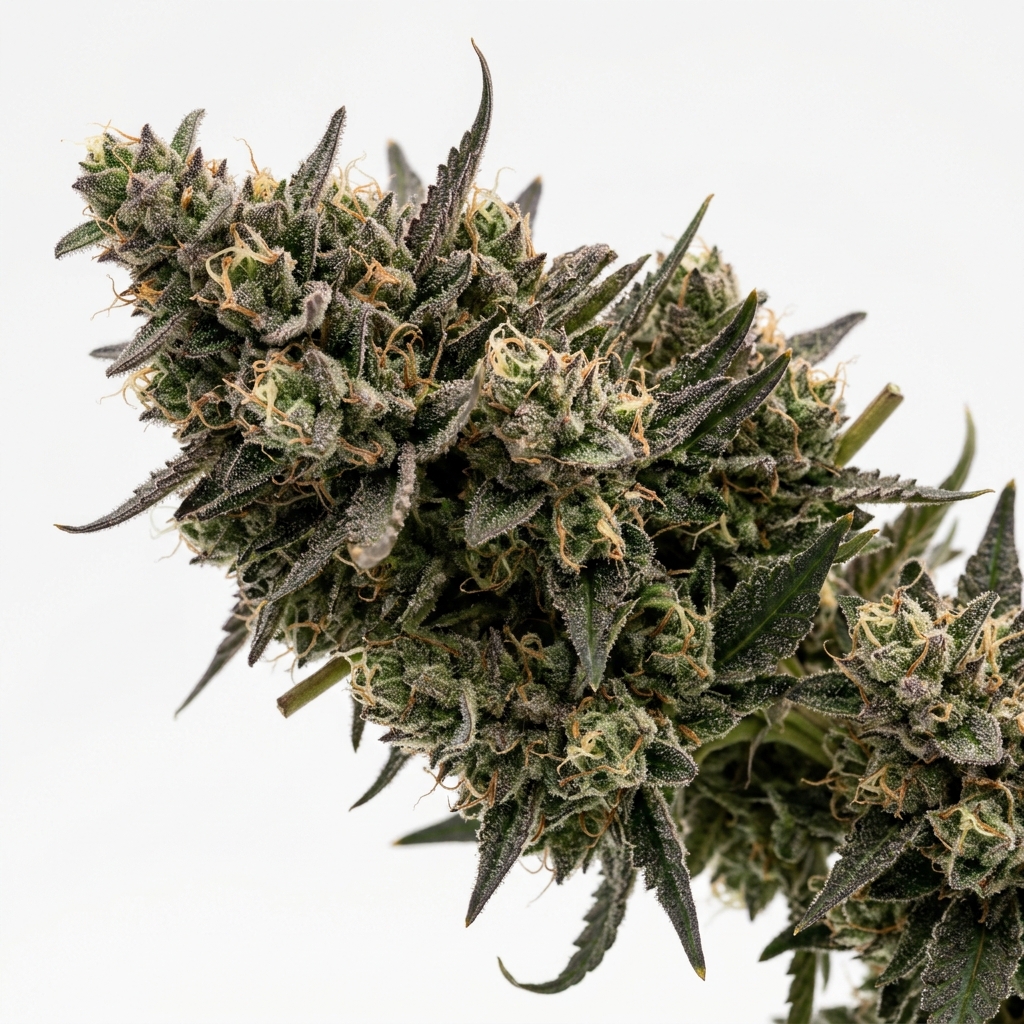
Cured flowers of Pinyatti present as dense, spade-shaped conical clusters exhibiting deep forest green to olive bracts. As the calyxes mature through senescence, cool temperature exposures frequently induce anthocyanin expression, resulting in dark purple mottling across the sugar leaf edges and bract tips. Fine, fiery tangerine pistils thread tightly through the calyx structure. A uniform, silvery frost of capitate-stalked glandular trichomes covers both inner and outer surfaces, giving the manicured buds a glistening, tactile resin coat.
Aroma & Flavor
The olfactory profile of Pinyatti is intensely fruit-forward. Unbroken buds present a loud, sweet bouquet dominated by crushed pineapple, candied citrus, and the tart, dark berry notes of tropical açaí. Upon breaking or grinding the flower, the lighter tropical top notes yield to a rich, heavy gasoline pungency inherited from its Zoap parentage, accompanied by hints of creamy vanilla and woodsy pine.
On inhalation, the smoke or vapor delivers an immediate wave of juicy tropical fruit and sweet candy. As the vapor expands, the palate experiences a complex blend of Meyer lemon zest, subtle floral lavender, and an underpinning of clean, petrol gas that lingers on the palate throughout the finish.
Terpene Profile
Independent analytical testing of commercial Pinyatti batches shows total terpene content routinely landing between 1.5% and 2.2%. The volatile organic chemical makeup is typically led by a distinct mono- and sesquiterpene ensemble:
- d-Limonene: The primary contributor to the cultivar’s bright citrus and pineapple aromatic baseline.
- beta-Caryophyllene: Imparts a spicy, peppery undertone while interacting with peripheral cannabinoid receptors.
- Linalool: Delivers delicate floral and lavender-like nuances that bridge the fruit and candy notes.
- beta-Myrcene: Present in moderate quantities, reinforcing earthy, herbal fruit accents.
- Secondary Terpenes: Frequently detected secondary constituents include alpha-humulene, beta-pinene, alpha-pinene, trans-ocimene, and alpha-bisabolol.
Potency & Cannabinoids
Laboratory certificates of analysis from licensed cultivators indicate that Pinyatti is a potent, high-THCA variety. Finished cured flower typically ranges between 24% and 28% total THC, with exceptional small-batch harvests testing upward of 26% to 30%. Minor cannabinoid concentrations are consistently low, with total CBD measured at less than 1% (<1%) alongside trace levels of CBG and CBC.
Effects
Consumers subjectively describe Pinyatti as a quintessential daytime cultivar with minimal sluggishness. Its effects are characterized by two distinct phases:
Mental Effects
The onset is fast-acting, typically initiating behind the eyes and across the temples within minutes of inhalation. Consumers report an immediate rush of bright cerebral euphoria, heightened sensory awareness, and an energizing, creative flow. This motivating mental lift makes the cultivar popular for daytime social outings, artistic tasks, and focused solo projects.
Body Effects
While mentally stimulating, Pinyatti provides a measured, calming somatic presence. Rather than inducing physical heaviness or couch-lock, it supplies functional tension relief across the neck and shoulders, smoothing out restlessness while permitting active movement.
Cultivation Characteristics
Pinyatti is characterized by high vegetative vigor and rapid root development, leading commercial tissue culture propagation nurseries—such as Conception Nurseries—to distribute verified TrueClones of the variety to state-licensed farms. Cultivators report strong vertical branching that responds well to canopy management techniques like topping and screen of green (SCROG) trellising.
The plant demonstrates a high production ceiling with moderate to heavy yields of dense floral clusters. While precise flowering durations have not been standardized in public breeder documentation, reports from commercial indoor environments reflect standard hybrid cycle lengths. Curing should prioritize slower dry-and-cure schedules to preserve its volatile tropical monoterpenes.
Scientific & Botanical Overview
Botanically, Pinyatti (Cannabis sativa L.) displays hybrid vigor with narrow-to-intermediate leaflets and an upright phyllotaxy consistent with equatorial-leaning hybrid ancestry. The secondary metabolite production is marked by high glandular trichome density on the pistillate inflorescences. Its primary aromatic impact relies on the synergistic combination of limonene and caryophyllene, accented by tertiary terpenes like ocimene and linalool that amplify tropical esters.
Lineage & Related Strains
Pinyatti belongs to the modern generation of candy-gas dessert cultivars. Understanding its lineage clarifies its hybrid traits:
- Piña Açaí: The maternal donor, prized for producing sharp, tropical fruit notes resembling fresh pineapple and dark berries.
- Zoap A: A selected cut bred from Rainbow Sherbet × Pink Guava, bringing dense bud structure, soapy confection sweetness, and sharp hydrocarbon gas.
- Taxonomic Disambiguation: Pinyatti should not be confused with Piñata (an unrelated cross of Gelato 41 and Runtz), nor with unrelated heritage varieties bearing phonetic similarities.
Sources & Data Notes
Genetics and breeding attribution are confirmed through Grandiflora Genetics catalog records and commercial clone propagation documentation by Conception Nurseries. Cannabinoid and terpene data reflect verified certificates of analysis published by licensed state testing facilities across California, Missouri, and New York. Precise indoor flowering duration in days and outdoor harvest windows remain unreleased in formal breeder white papers and are categorized as unestablished.
Pinyatti Summary
Pinyatti is a sativa-dominant creation from Grandiflora Genetics that marries the exotic pineapple-berry punch of Piña Açaí with the pungent, gassy sweetness of Zoap A. Offering robust potency averaging 24% to 28%+ THC, a terpene profile steered by limonene and caryophyllene, and a vibrant, mentally focused daytime experience, Pinyatti stands as a flagship modern tropical hybrid.