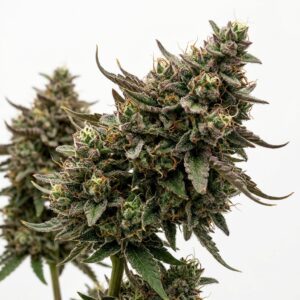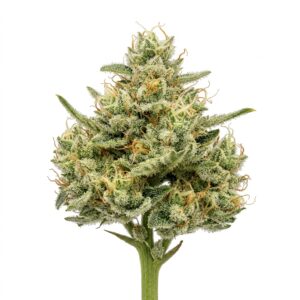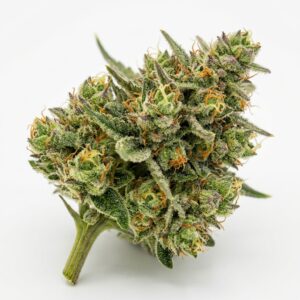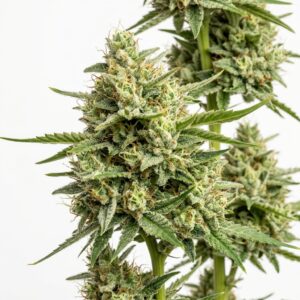
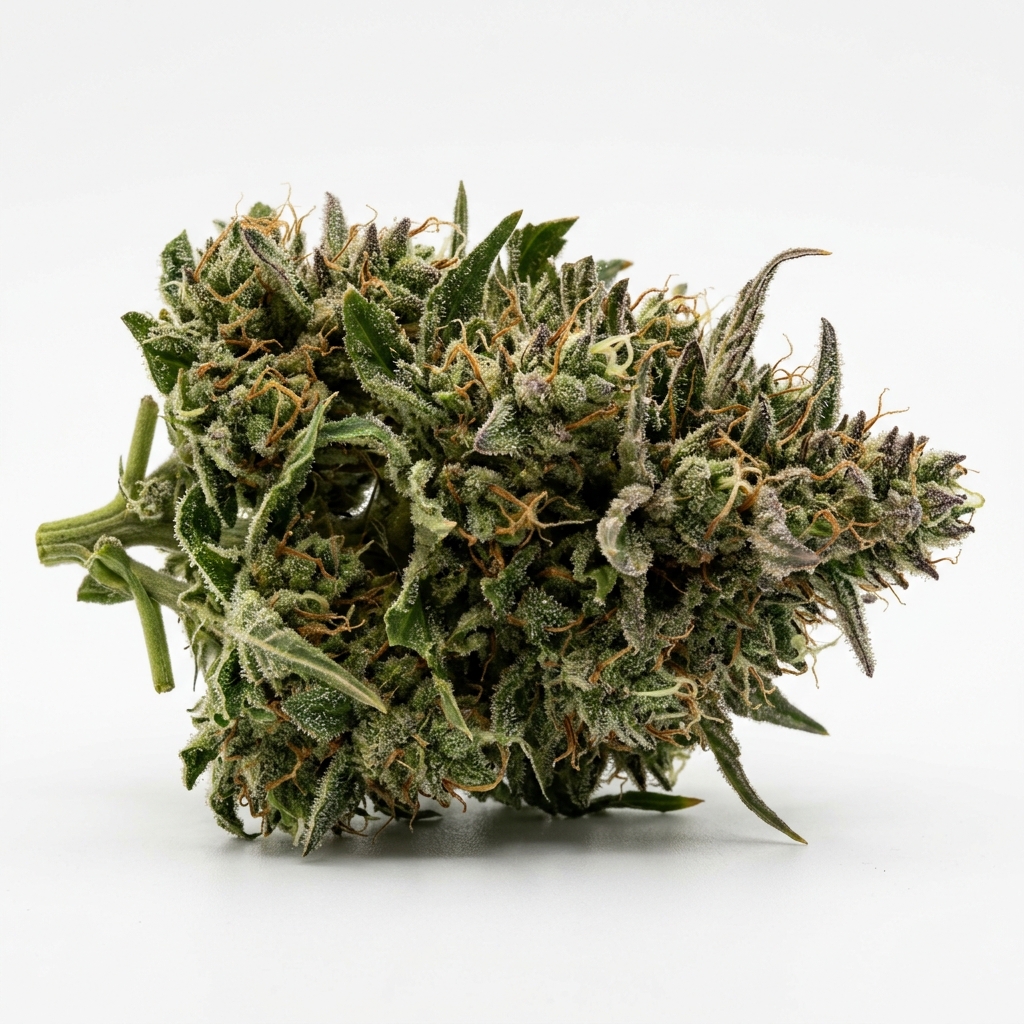
Skunk Venom is a contemporary cannabis hybrid recognized for reviving the aggressive, eye-watering funk of legacy skunk cultivars paired with heavy fuel terpenes and deeply calming physical effects. The cultivar is most commonly identified in modern commercial markets as an indica-dominant cross of California Octane and Venom OG developed through Humboldt Seed Company genetic selections, though regional variations tracing to a direct Skunk #1 and Venom OG pairing also exist. Renowned for its pronounced bag appeal, resin output, and sharp aromatic pungency, Skunk Venom has gained significant traction among consumers and cultivators seeking authentic gas-and-skunk profiles rather than sweet dessert profiles.
Strain Profile & Genetics
- Breeder: Disputed (Humboldt Seed Company in commercial markets; independent regional selections reported)
- Genetics: Disputed (Primarily Cali Octane × Venom OG; alternatively reported as Skunk #1 × Venom OG)
- Type: Hybrid (Indica-dominant)
- Indica/Sativa ratio: Disputed (Commonly reported at approximately 65% indica / 35% sativa in legacy cuts; balanced to indica-leaning in Cali Octane crosses)
- Seed type: Not reliably established (Primarily circulated as verified nursery clones and select flower batches)
- THC content: Tested between 19.41% and 31.8%
- CBD content: Not reliably established (Typically under 1%)
- Dominant terpenes: Beta-Caryophyllene, Myrcene, Limonene
- Flowering time: Approximately 8 to 9 weeks (56 to 63 days)
- Plant structure: Vigorous branching, moderate stretch, thick lateral stems, dense colas
- Yield: Heavy
- Aroma: Acrid skunk, pungent diesel fuel, sour chemical undertones, earthy musk
- Flavor: Gassy fuel, sharp chemical bite, pine, earthy kush exhale
- Mental effects: Initial cerebral mood elevation, mental ease, mild euphoria
- Body effects: Substantial physical relaxation, heaviness, sedative body melt
- Resin & extraction: Copious glandular trichome coverage suited for solventless and hydrocarbon processing
Taxonomic ambiguity exists across North American markets regarding the cultivar’s foundational lineage. In commercial legal markets such as Illinois and Oregon, cultivars labeled Skunk Venom—frequently distributed by multi-state operators like Justice Cannabis Co. under the Crops label, as well as Derby’s Farm—are attributed to a cross of California Octane (Cali Octane) and Venom OG, originating from Humboldt Seed Company selections. Conversely, regional medical menus, such as dispensary listings in Maine, classify Skunk Venom as a direct hybrid between classic Skunk #1 and Venom OG, asserting a 65% indica to 35% sativa composition. In addition, some retail dispensaries occasionally conflate Skunk Venom with Rare Dankness’s standalone Venom OG (Poison OG × Rare Dankness #1), creating localized labeling confusion.
Appearance
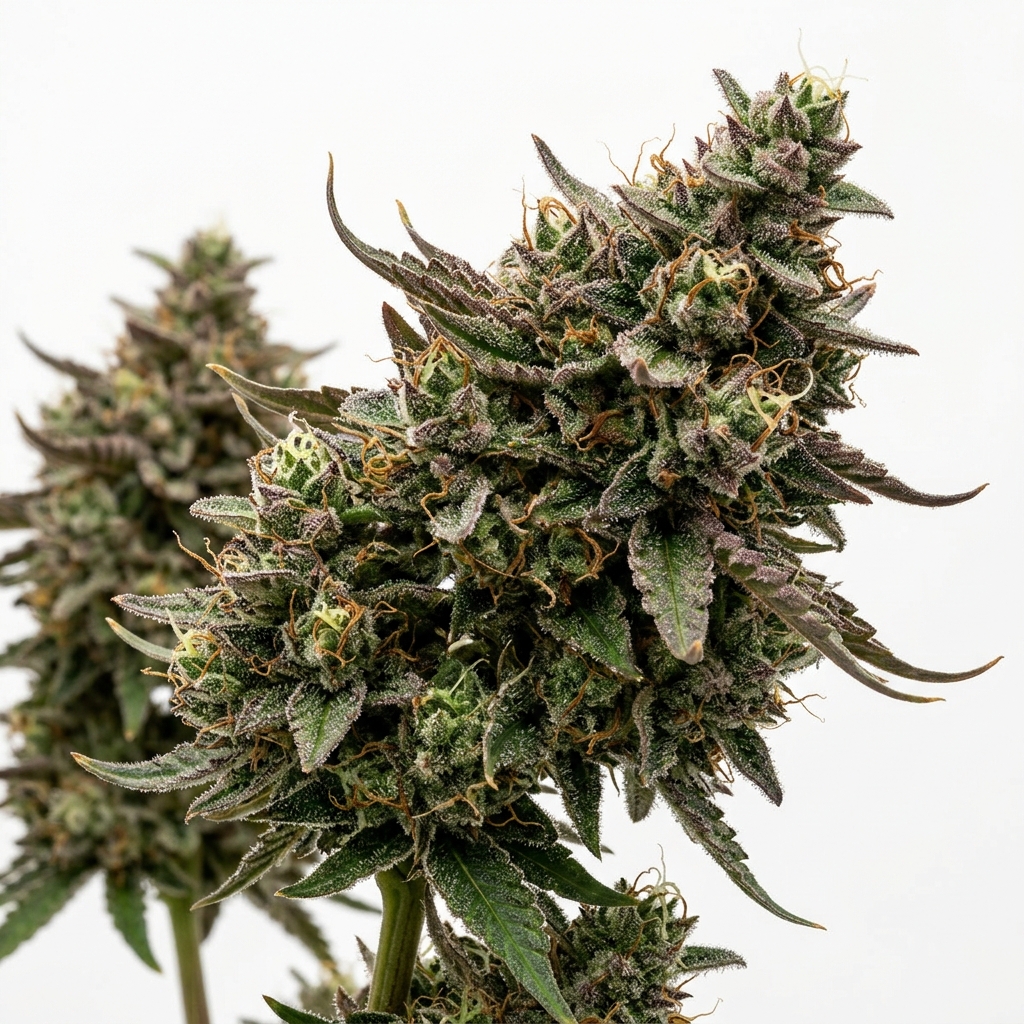
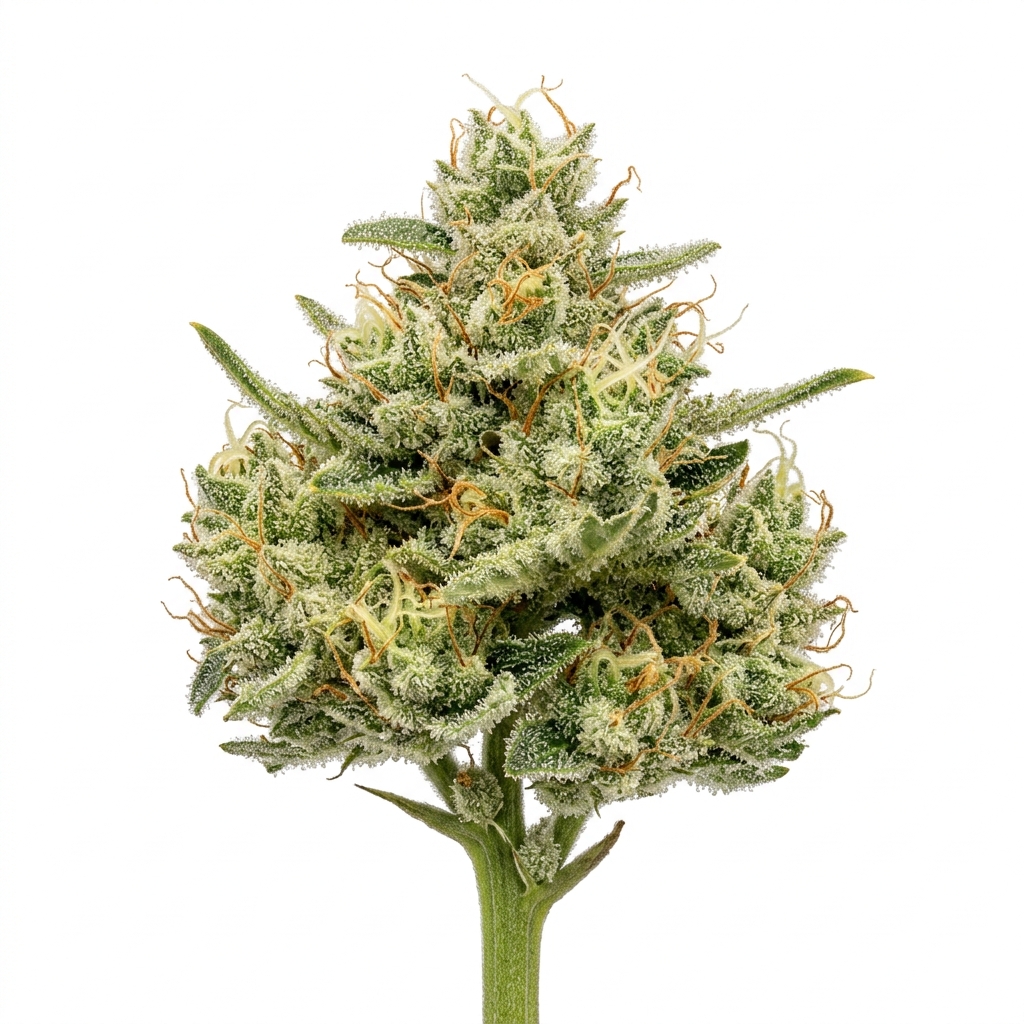
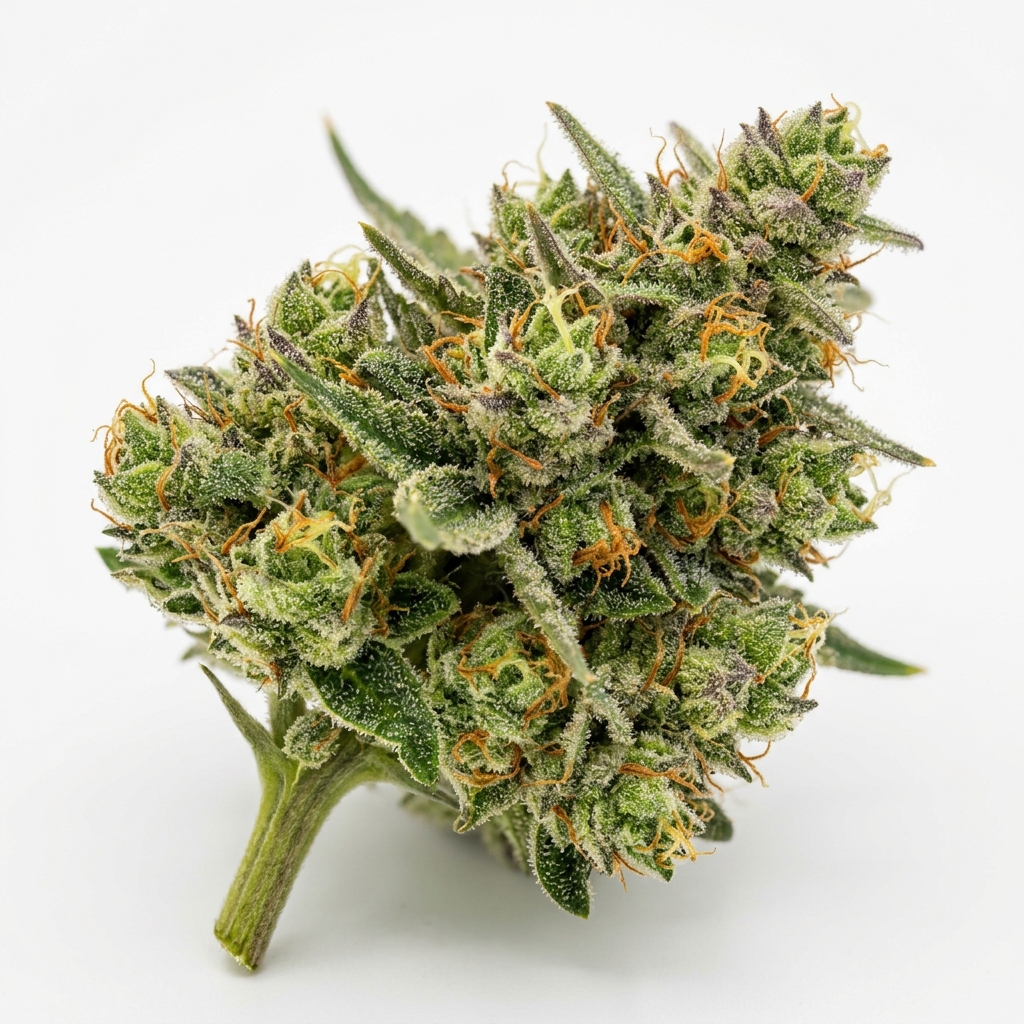
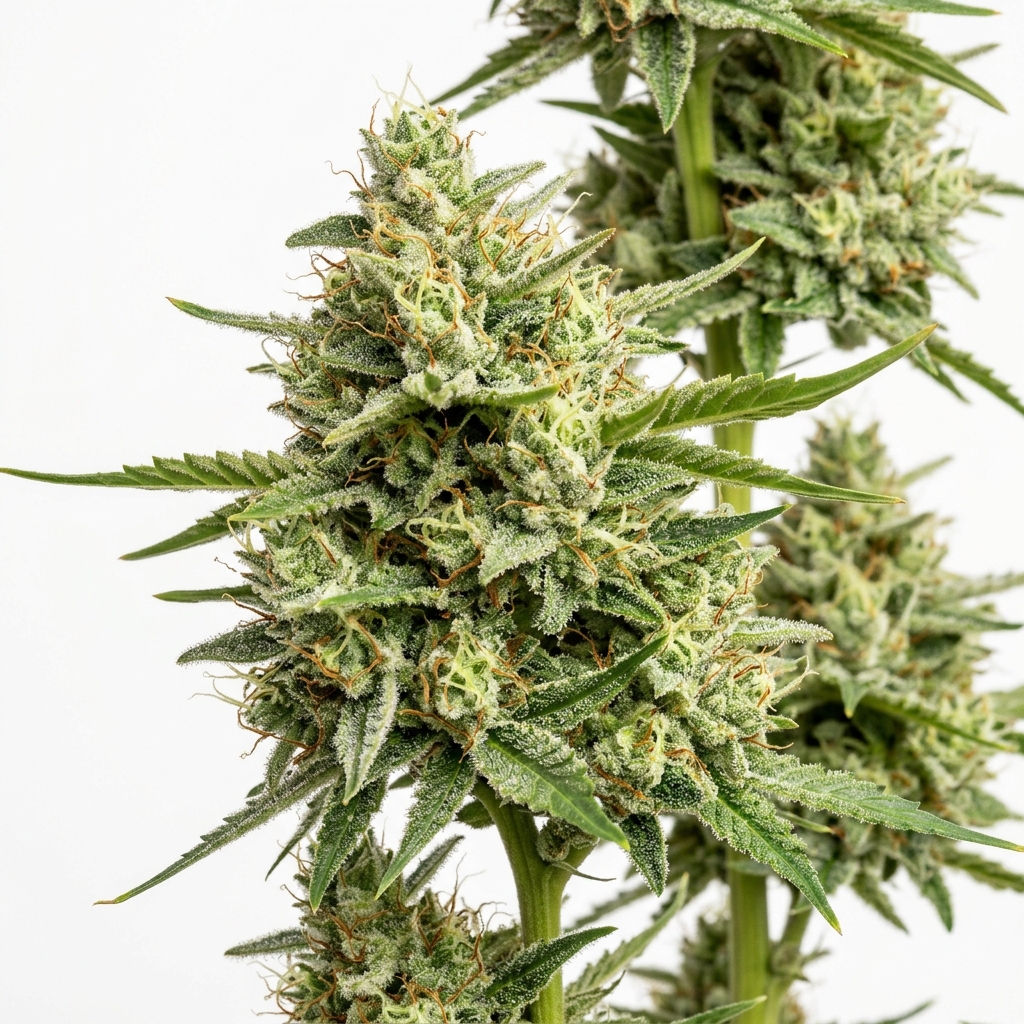
Skunk Venom produces visually dense, chunky floral clusters characterized by their robust indica-influenced morphology. The mature bracts are predominantly forest to olive green, occasionally exhibiting subtle deep purple or charcoal pigments across the outer sugar leaves when exposed to cooler nighttime temperatures during late flowering. The buds are heavily woven with winding, burnt-orange to dark copper pistils. A thick, frosty sheath of bulbous, stalked glandular trichomes completely covers the calyxes, imparting a silver-sheened, sticky texture that persists throughout the curing process.
Aroma & Flavor
The sensory profile of Skunk Venom leans heavily away from modern fruity confectionery trends, focusing instead on vintage fuel and offensive organic funk. Upon opening cured containers, the initial impression is characterized by sharp, volatile skunk odors, pungent petroleum, and sour chemical undertones. When broken down, the flowers release deeper notes of earthy musk, cracked pine, and rotting sweet organic matter—a trait strongly carried over from the California Octane ancestry.
The smoke and vapor closely parallel the bouquet. Inhalation delivers a sharp punch of chemical gas, sour diesel, and damp earth. On the exhale, the flavor broadens into an acrid, lingering OG musk with distinct accents of wood and pepper, leaving a pungent, resinous aftertaste on the palate.
Terpene Profile
Analytical testing on commercial flower batches has documented total terpene concentrations ranging from 2.73% to 3.69%. The predominant terpenes driving this intense profile include:
- Beta-Caryophyllene: Delivers sharp, peppery spice and acts as an atypical dietary cannabinoid interacting directly with peripheral CB2 receptors.
- Myrcene: Provides the deep, grounding musk and damp earthy base notes while contributing to full-body physical relaxation.
- Limonene: Introduces subtle citrus-fuel brightness that sharpens the acrid chemical and diesel elements of the bouquet.
- Alpha- & Beta-Pinene: Secondary contributors adding crisp resinous pine nuances to the mid-palate and finish.
- Humulene: Supplies subtle woody and earthy bitterness that balances the pungent skunk elements.
Potency & Cannabinoids
Skunk Venom is classified as a high-potency cultivar. Certificate of Analysis (COA) data and retail laboratory reporting from commercial operations in Illinois, Michigan, and Oregon demonstrate significant potency variation based on cultivation style and phenotype:
- Total THC: Measured batches commonly range from 19.41% to 26.86% THC, with select concentrated indoor batches reported as high as 31.8% total THC.
- Cannabinoid Distribution: The majority of the active cannabinoid content is stored as THCA, with primary decarboxylated Delta-9 THC generally measuring between 0.29% and 1.11% in raw dried flower.
- Minor Cannabinoids: Commercial test profiles frequently reveal modest quantities of Cannabigerolic Acid (CBGA) ranging from 0.5% up to 1.75%, alongside trace Cannabigerol (CBG, ~0.11%). CBD and other minor phytocannabinoids typically remain under 1.0% or at negligible levels.
Effects
Consumer and patient accounts characterize Skunk Venom as a fast-acting cultivar with an onset that shifts rapidly from cerebral stimulation to deep physical sedation. These experiences are inherently subjective and may vary based on dose and individual physiology.
Mental Effects
Upon initial consumption, users typically report an immediate uplifting mental shift. This cerebral onset is marked by light euphoria, enhanced mood, and reduced mental friction. While it creates an early sensation of head lightness, it rarely presents raciness or overstimulation, instead transitioning quickly into a detached, tranquil headspace.
Body Effects
Within fifteen to thirty minutes, the heavy physical lineage asserts itself. A gradual, warming body melt spreads through the extremities, releasing muscular tightness, reducing tension, and inducing moderate to heavy physical heaviness. At higher doses, the cultivar frequently leads to profound physical inertia and couch-lock, making it favored primarily for evening use, post-work unwinding, or rest preparation.
Cultivation Characteristics
According to commercial cultivators and clone nurseries, Skunk Venom demonstrates robust vegetative vigor inherited from its legacy skunk and Afghan-derived genetics. Plants establish strong root systems rapidly and develop thick, sturdy lateral branches that support dense bud development.
- Growth & Stretch: The cultivar exhibits a noticeable vertical stretch during the first two to three weeks of the photoperiod switch, frequently doubling in vegetative height. Cultivators recommend topping early in the vegetative cycle and training via low-stress training (LST) or SCROG nets.
- Flowering Period: Indoor flowering is generally completed within 56 to 63 days (8 to 9 weeks).
- Odor Management: Skunk Venom produces exceptionally strong, lingering volatile odors early in its flowering cycle, often noticeable by the third week of flower. Effective, fresh activated carbon air filtration and negative room pressure are critical for indoor gardens.
- Support: Heavy terminal colas in late flower require structural staking or secondary trellising to prevent branches from breaking under their own weight during weeks seven through nine.
Resin & Extraction Characteristics
Thanks to the heavy resin production derived from Venom OG and the modern trichome density of Cali Octane, Skunk Venom displays notable utility in extraction settings. The cultivar develops dense coverings of capitate-stalked glandular trichomes with brittle heads that break off readily during mechanical separation. Hash makers report viable returns in both whole-plant fresh frozen (WPFF) ice water extraction and hydrocarbon solvent extraction, yielding aromatic badders, live rosins, and sauces that preserve the cultivar’s signature pungent skunk, gas, and chemical terpene profile.
Lineage & Related Strains
Skunk Venom’s primary modern heritage brings together two notable parents:
- California Octane (Cali Octane): A celebrated Humboldt Seed Company creation combining (Gelato × OG Kush) with Sour Diesel. Known for immense fuel potency, rapid vegetative vigor, and pungent petroleum notes with overripe sweet fruit undertones.
- Venom OG: A heavy, indica-dominant classic bred from Poison OG and Rare Dankness #1. Renowned for its rich forest-pine and lemon-diesel pungency coupled with powerful sedative qualities.
- Related Cultivars: Close genetic relatives within this functional family include All Gas OG, Guzzlerz, and classic Sour Diesel cuts, all sharing the same pungent hydrocarbon-and-skunk chemical profile.
Sources & Data Notes
Data compiled for this profile originates from licensed cannabis state testing registries, dispensary certificates of analysis across Illinois, Oregon, and Michigan, breeder documentation, and specialized cannabis horticultural nurseries. Lineage designations remain partially fragmented due to overlapping retail naming: while major commercial cultivators (e.g., Justice Cannabis Co. / Crops and Derby’s Farm) document the Cali Octane × Venom OG pairing originating from Humboldt Seed Company work, specific eastern medical markets list an alternative Skunk #1 × Venom OG parentage, and select retail dispensary databases have erroneously copied text describing Rare Dankness’s standalone Venom OG. Numerical potency and terpene figures represent verified analytical batches rather than theoretical maximums.
Skunk Venom Summary
Skunk Venom is an indica-leaning hybrid cultivar bred to deliver authentic, pungent skunk, sour chem, and petroleum aromatics. Offering lab-verified THC levels spanning 19.4% to 31.8% and rich terpene concentrations exceeding 3%, it is favored for its heavy physical calm, pronounced resin coating, and uncompromisingly pungent aroma.