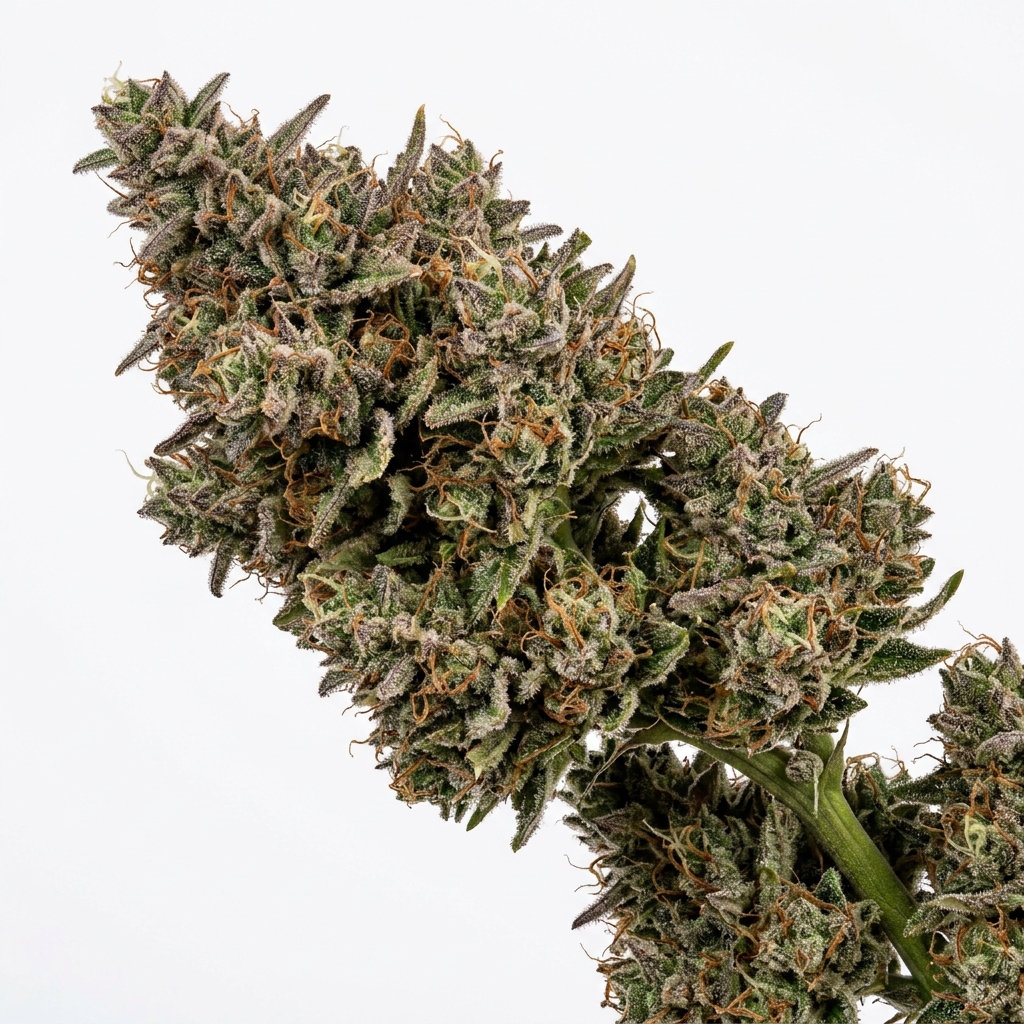
Toad Venom is a high-potency, indica-dominant hybrid cultivar developed by Los Angeles-based Ronin Seeds through the pairing of Animal Face and Sin Mintz. Originating from a standout single-plant selection out of thirty seeds hunted by Green Dragon—initially nicknamed Becky—the cultivar rapidly gained cult status and broader commercial acclaim under the moniker Toad Venom, as well as the moniker Frog Poison. Toad Venom is distinguished in contemporary cannabis culture by its exceptionally loud terpene profile dominated by pungent fuel, sour lime, and savory funk, alongside formidable trichome density that has made it a benchmark variety for solventless rosin extraction.
Toad Venom Strain Profile & Genetics
- Breeder: Ronin Seeds (selection historically credited to Green Dragon)
- Genetics: Animal Face (Seed Junky Genetics) × Sin Mintz (SinMint Cookies × Zkittlez)
- Type: Indica-dominant hybrid (commonly reported as 70% indica / 30% sativa; some seed stock catalogs cite 60% indica / 40% sativa)
- Seed / Cut Type: Originally clone-only (the “Becky” cut); subsequently released in limited clone drops and feminized seed selections
- THC Range: 24% to 34%
- CBD Range: Under 1% (trace)
- Dominant Terpenes: Beta-Caryophyllene, Limonene, Myrcene
- Flowering Time: 56 to 63 days (8 to 9 weeks)
- Outdoor Harvest: October (Northern Hemisphere)
- Plant Structure: Compact, sturdy lateral branching, short internodal spacing, dense calyx clustering
- Reported Yield: Approximately 500 g/m² indoors; up to 600 g per plant outdoors under optimal conditions
- Aroma: Sharp citrus lime, pungent diesel fuel, savory garlic-kush funk, and sweet minty dough
- Flavor: Sour lime peel, sharp gassy fumes, sweet herbal mint, and earthy cookies
- Mental Effects: Rapid euphoric head pressure, cerebral uplift, mood expansion, and eventual tranquil deceleration
- Body Effects: Pronounced physical heaviness, tension release, deep relaxation, and heavy couchlock
- Resin & Extraction: Exceptionally high trichome gland production with durable head integrity; prized for solventless ice water hash and live rosin
Appearance
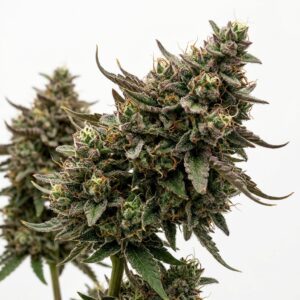
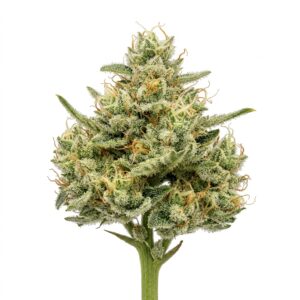
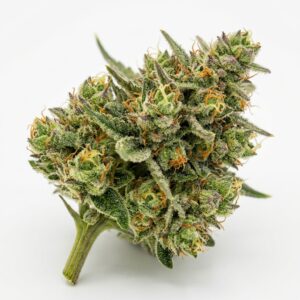
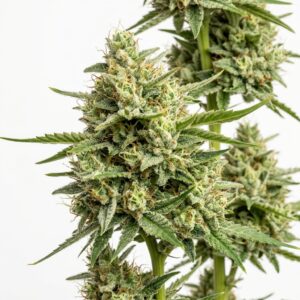
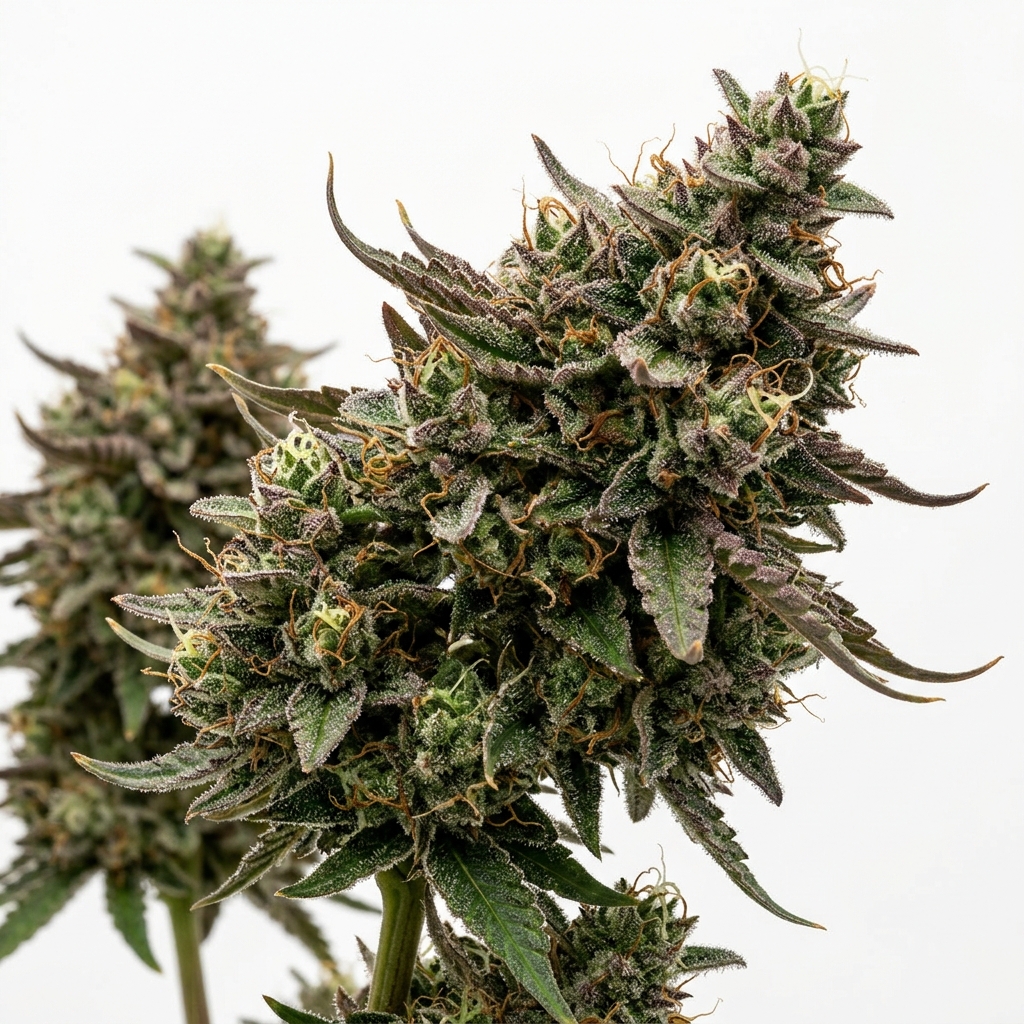
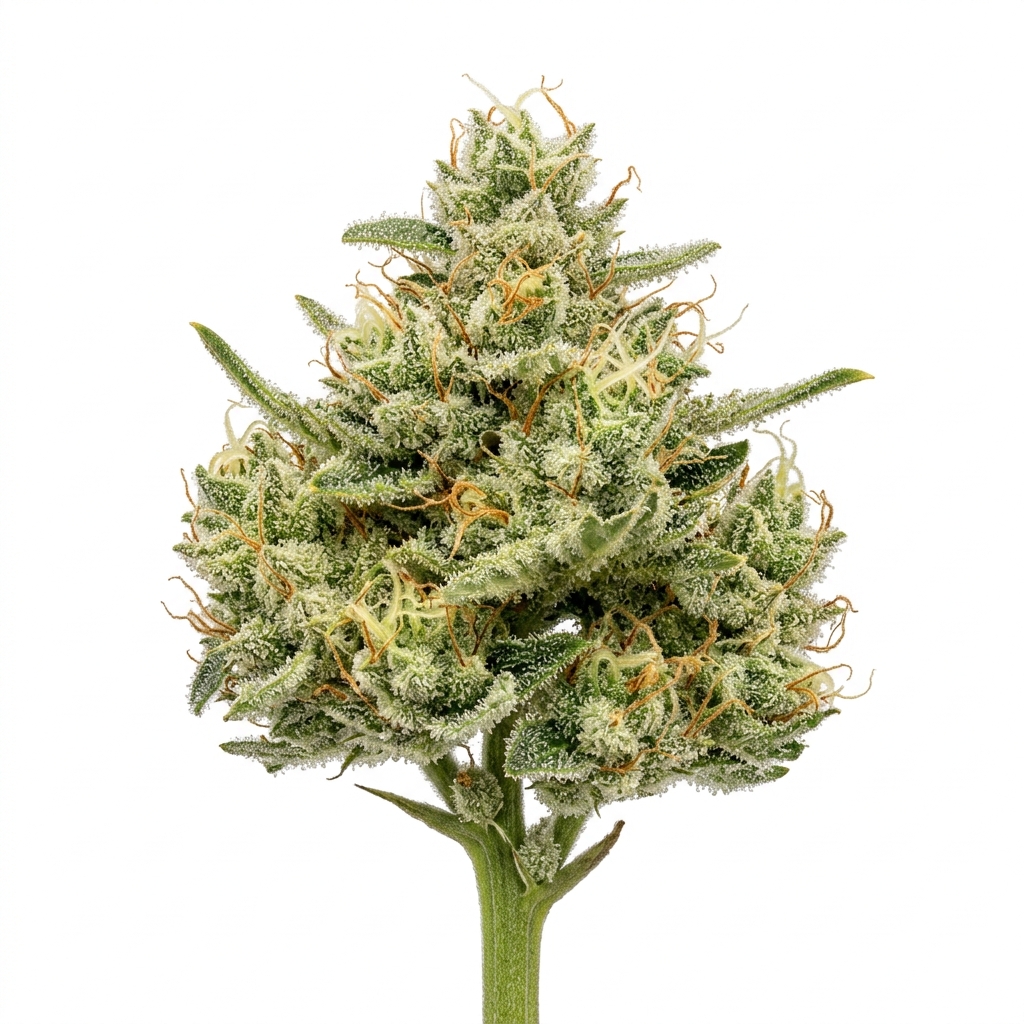
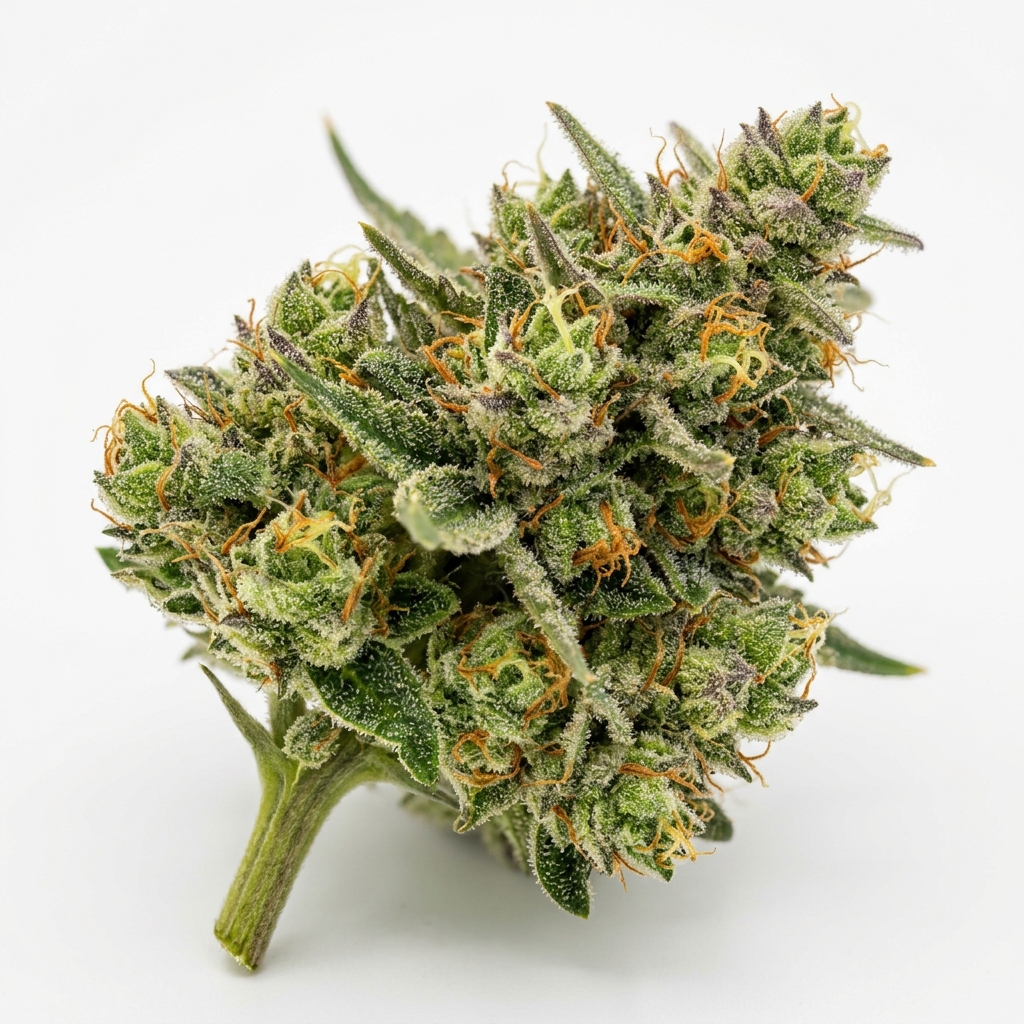
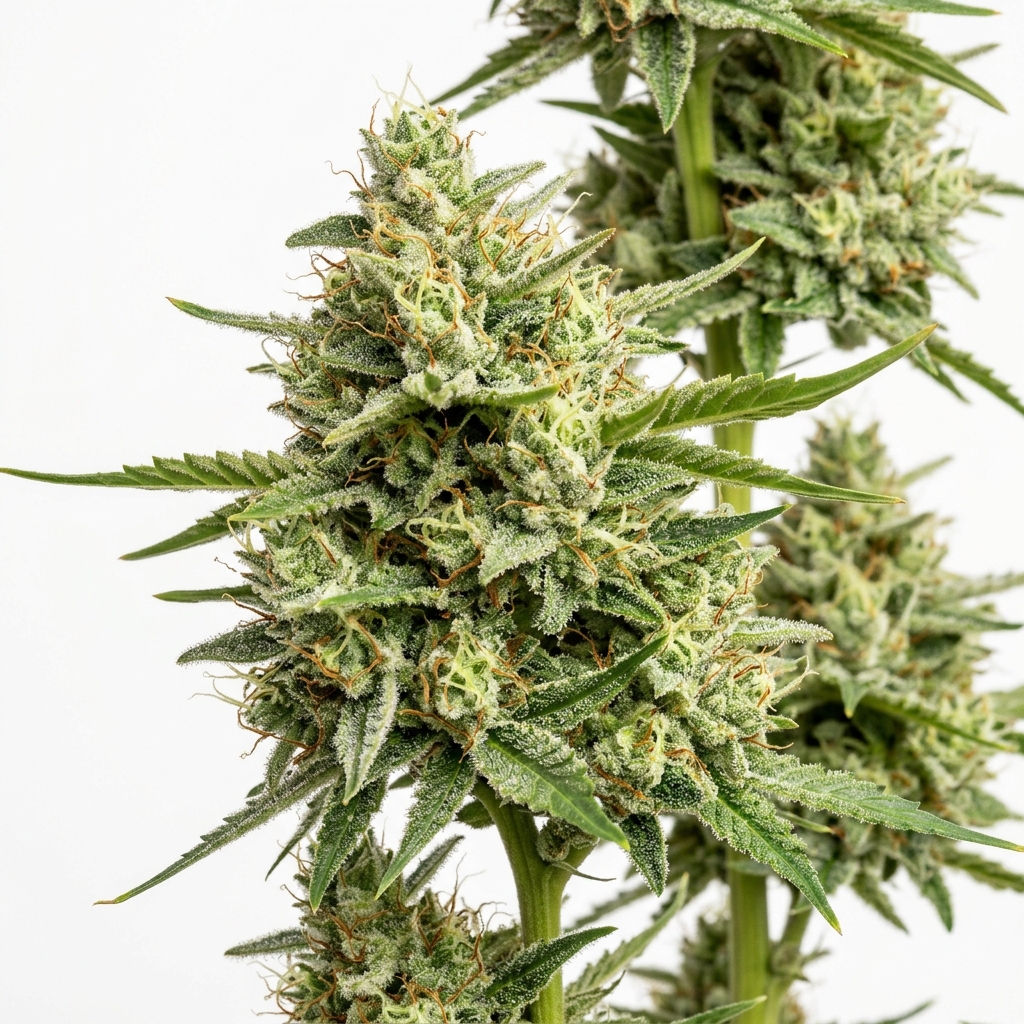
Toad Venom exhibits a dense, tightly stacked botanical architecture inherited from its Cookie and OG ancestral lines. Mature inflorescences present deep forest-green floral bracts heavily accented by royal purple and midnight-violet marbling, which intensifies during late-stage maturation and cooler night cycles. The calyxes form compact, non-foxtailed clusters tied together by short internodal nodes. Thin, curled pistils transition from vivid tangerine to deep copper-amber as harvest approaches. The entire surface of the buds is coated in an opaque, frosted blanket of capitate-stalked glandular trichomes, giving cured flowers a glistening, resinous sheen with pale amber gland heads.
Aroma & Flavor
The organoleptic signature of Toad Venom is notoriously loud and complex. Upon breaking open the inflorescence, the initial olfactory strike is dominated by sharp diesel exhaust, acrid fuel, and pungent skunky funk derived from its Animal Face lineage. Secondary notes introduce a distinctive tart citrus layer reminiscent of sour lime zest, paired with sweet, doughy mint, earthy musk, and hints of tropical fruit sweetness.
When vaporized or combusted, the flavor closely mirrors the aromatic profile. Inhalation delivers a heavy wave of sour lime, chem-fuel, and earthy dough, while the exhale leaves an oily, mouth-coating film characterized by cool herbal mint, peppery spice, and persistent savory funk.
Terpene Profile
Primary analytical test profiles indicate that Toad Venom is rich in monoterpenes and sesquiterpenes, consistently led by beta-caryophyllene, accompanied by significant concentrations of limonene and beta-myrcene. Secondary and tertiary contributions typically include alpha-humulene, linalool, and trace amounts of pinene isomers. Caryophyllene delivers the pungent, peppery backbone and acts directly as a dietary cannabinoid at peripheral receptors, while limonene and myrcene provide the contrasting bright lime citrus and deep, musky undertones that define the cultivar’s signature bouquet.
Potency & Cannabinoids
Toad Venom is classified as a high-potency Type I chemovar, with laboratory assays and commercial certificates of analysis routinely indicating total THC concentrations between 24% and 34%. CBD remains consistently low, generally registering below 1%. Minor cannabinoid expressions frequently include cannabigerol (CBG/CBGA) within the range of 1% to 2% (with raw flower assays occasionally documenting CBGA above 3%), contributing to the depth of its overall cannabinoid entourage. Because of its substantial tetrahydrocannabinol ceiling, the cultivar delivers rapid physiological onset even at modest dosages.
Effects
Subjective consumer and patient reports consistently characterize Toad Venom as an exceptionally potent, slow-settling hybrid suited predominantly for evening or end-of-day use.
Mental Effects
Consumers typically describe an immediate cerebral onset, felt as a warming sensation behind the eyes and across the temples within minutes of consumption. The initial phase is marked by expansive euphoria, sensory sharpening, and a calm, mood-elevating cerebral haze that dismantles stress and racing thoughts. In higher amounts, cognitive processing rapidly decelerates into hazy introspection and a dreamy, detached calm.
Body Effects
As the initial head rush stabilizes, Toad Venom’s indica heritage becomes markedly prominent. A pronounced physical heaviness radiates through the limbs and torso, releasing muscular tension and inducing deep somatic relaxation. Many users compare the later stages of its duration to a weighted blanket or gentle physical immobilism (“couchlock”), frequently progressing into natural drowsiness and restorative sleep.
Cultivation Characteristics
In the grow room, Toad Venom demonstrates dependable, compact growth habits indicative of its Sin Mintz and OG ancestry. Plants maintain a low-to-medium stature with sturdy branches, short internodes, and broad, dark foliage. It responds favorably to topping, low-stress training (LST), and selective defoliation to improve light penetration through its dense canopy.
The indoor flowering window finishes reliably within 56 to 63 days (8 to 9 weeks). Outdoor gardens in temperate Northern Hemisphere climates typically reach maturity by October. Under dialed environmental conditions with adequate nutrient feeding, indoor yields average approximately 500 g/m², while outdoor specimens can produce up to 600 g per plant. Growers must monitor relative humidity during mid-to-late flower due to the extreme density of the flower clusters.
Resin & Extraction Characteristics
Toad Venom has achieved particular renown within the solventless extraction community. The cultivar develops large, bulbous trichome heads with brittle, easily detached stalks that release cleanly during ice water agitation. When washed fresh frozen, it produces high yields of premium hash rosin with a greasy, shelf-stable consistency and comprehensive preservation of its volatile lime-gas and funk monoterpenes. Early single-source rosin drops from traditional and West Coast extractors solidified its reputation as an elite washer.
Scientific & Botanical Overview
Botanically, Toad Venom belongs to Cannabis sativa L., exhibiting a domesticated polyhybrid architecture heavily influenced by broad-leaflet Afghanica ancestors via the Cookie and Chemdawg/OG families. Its genetic code combines alleles selected for elevated delta-9-tetrahydrocannabinolic acid (THCA) synthesis alongside robust secondary metabolite pathways favoring sesquiterpene and monoterpene complexity. The cultivar’s thick cuticle layer and high glandular trichome density reflect adaptation for protective resin production, translating into superior resistance against mechanical abrasion and thermal stress.
Lineage & Related Strains
- Animal Face (Mother/Pollen Parent): Bred by Seed Junky Genetics from a cross of Face Off OG and Animal Mints, contributing aggressive petrol fumes, high potency, and dense flower structure.
- Sin Mintz (Pollen/Mother Parent): A cross of SinMint Cookies (Girl Scout Cookies × Blue Power) and Zkittlez, contributing sweet mint, doughy undertones, tight internodal spacing, and vivid coloration.
- The “Becky” Cut: The original phenotype selected by Green Dragon from the Ronin Seeds breeding run that directly initiated the cultivar’s viral rise.
- Frog Poison: An alternate trade name used interchangeably with authentic Toad Venom lineages across various West Coast and traditional market circles.
- Nomenclatural Disambiguation: Toad Venom must not be confused with The Toad, a proprietary cultivar from Tyson 2.0 derived from Chemdog and Girl Scout Cookies (or Chemdog × Afghani), which was separately named in reference to 5-MeO-DMT. It must also be distinguished from Detroit Runtz, an unrelated cultivar that was improperly circulated in clone markets under the Toad Venom/Frog Poison name.
Sources & Data Notes
Data compiled for this profile originates from primary breeder documentation from Ronin Seeds, selection records from Green Dragon, commercial clone and nursery registries (including Highline Nursery and Prime Cuts), analytical testing summaries from state-licensed laboratories, and detailed industry reporting. Where minor phenotypic divergence occurs between clone-only cuttings and later feminized seed iterations (such as minor variations in indica-sativa percentage ratios), values have been transparently bounded.
Toad Venom Summary
Bred by Ronin Seeds and famously selected as “Becky” by Green Dragon, Toad Venom fuses Animal Face and Sin Mintz into a modern, indica-dominant juggernaut. Featuring a 24% to 34% THC spectrum, dominant beta-caryophyllene, and a signature bouquet of sour lime, diesel gas, and savory funk, the cultivar delivers profound physical relaxation and couchlock alongside world-class trichome development tailored for both flower connoisseurs and solventless extractors.