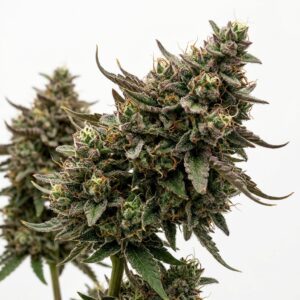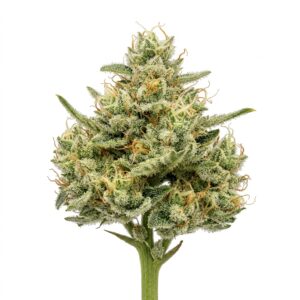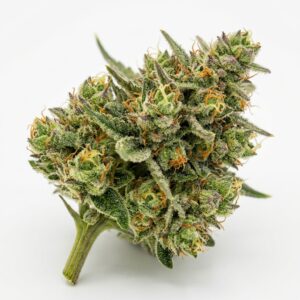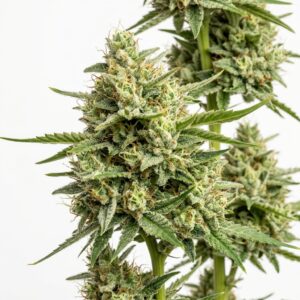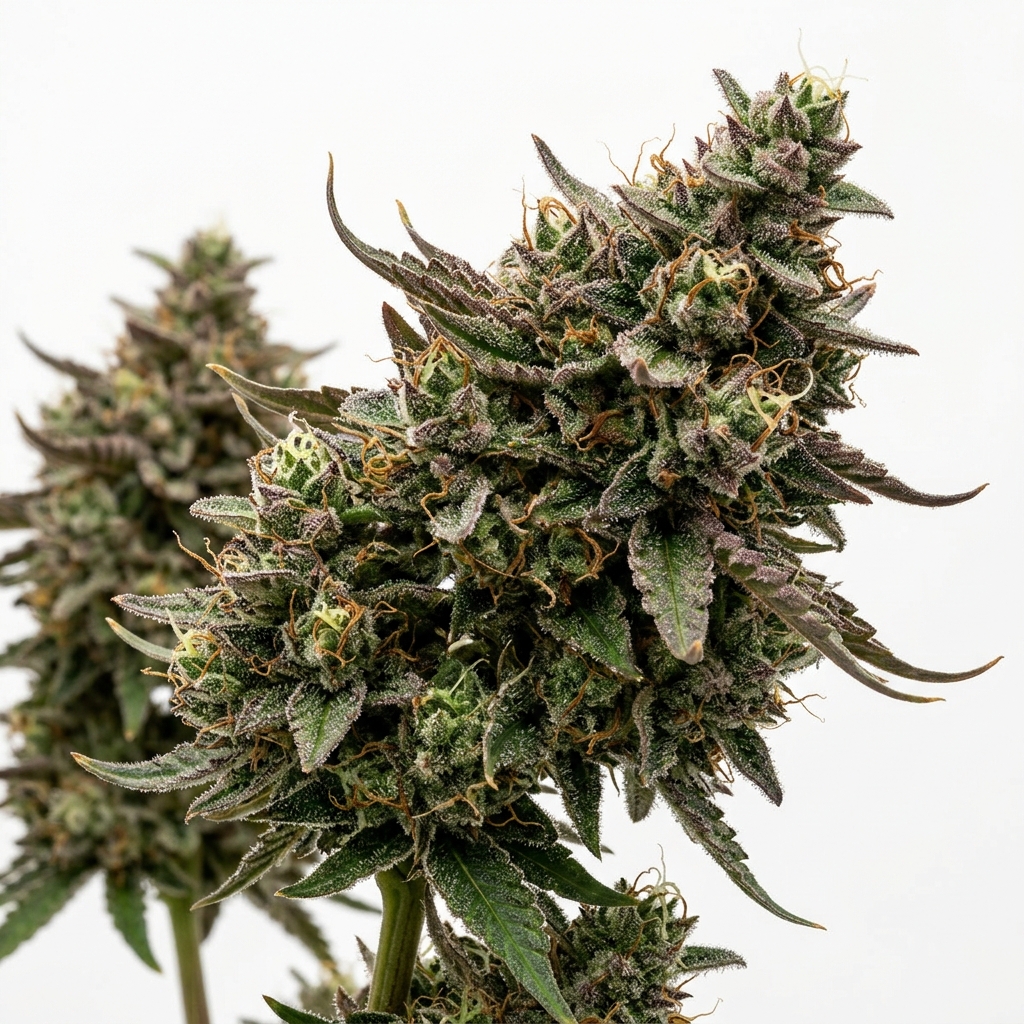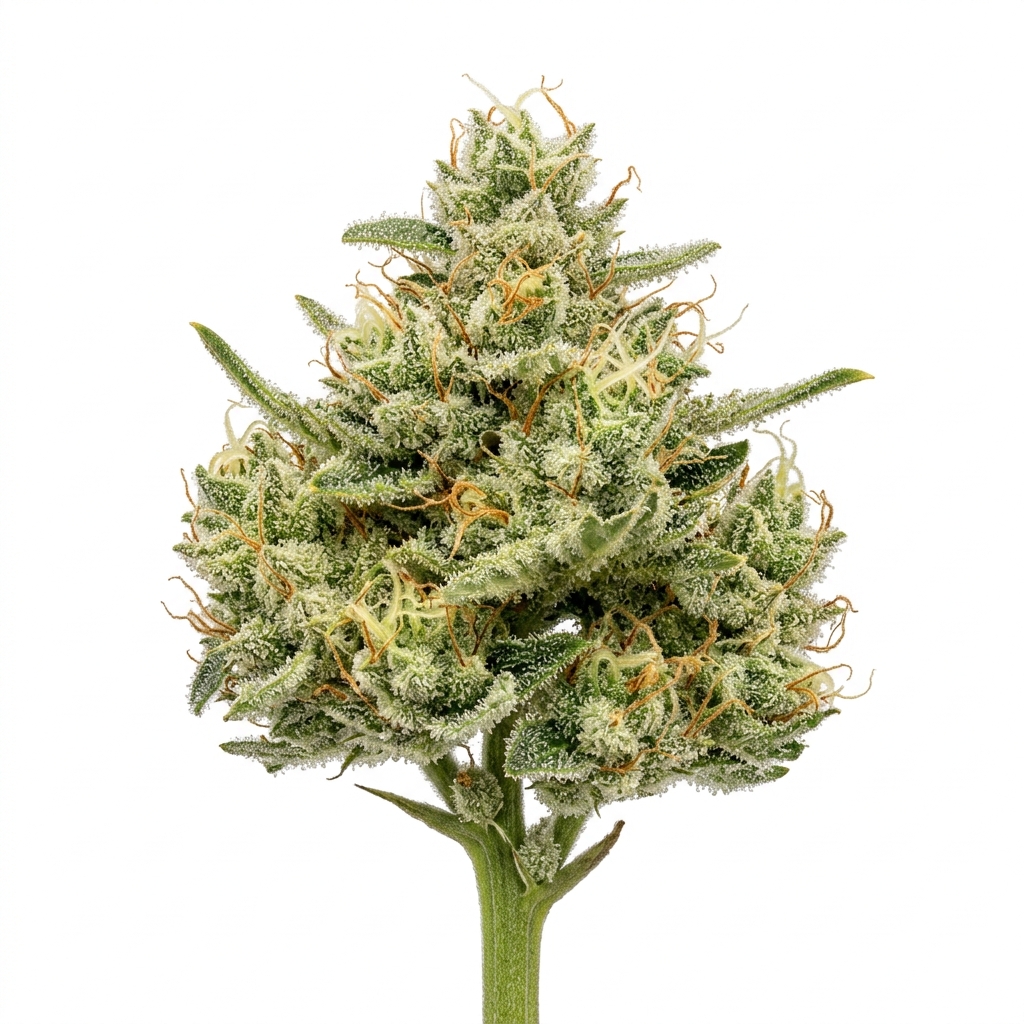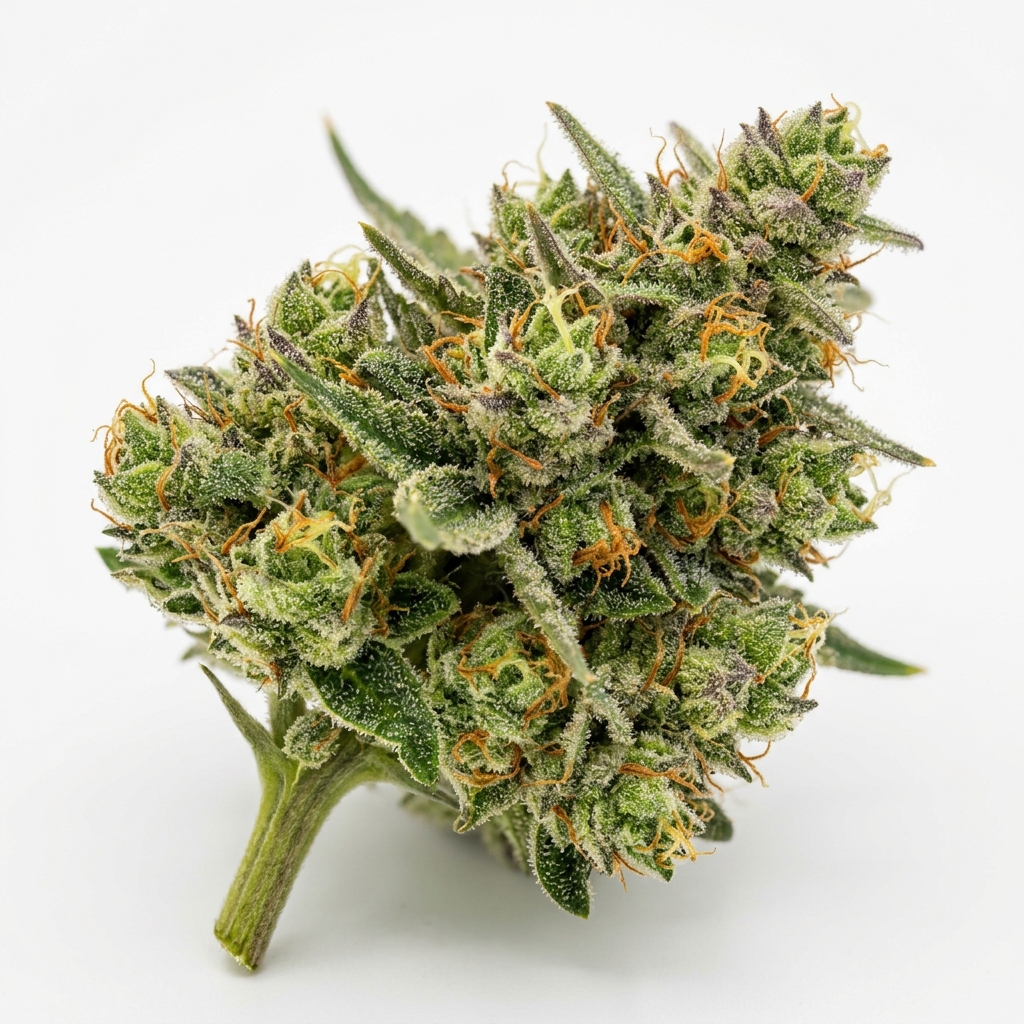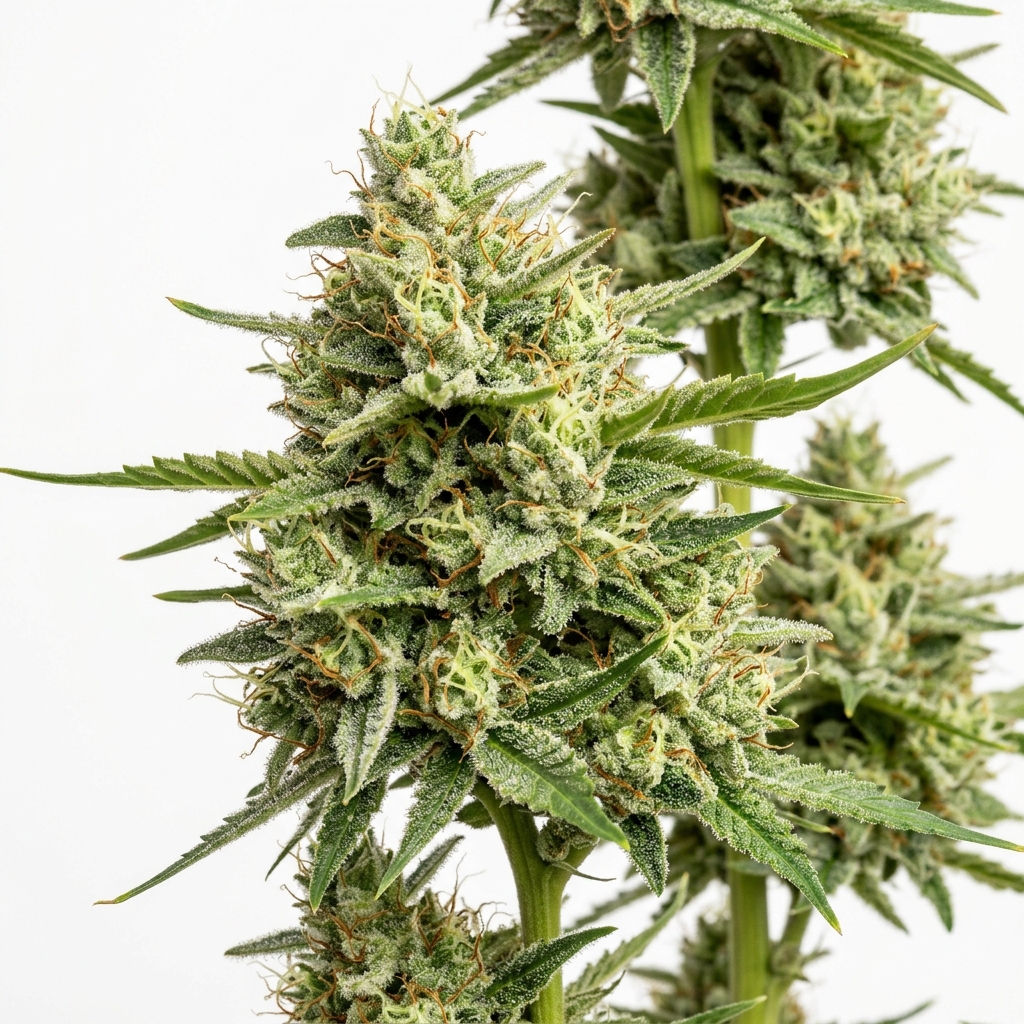
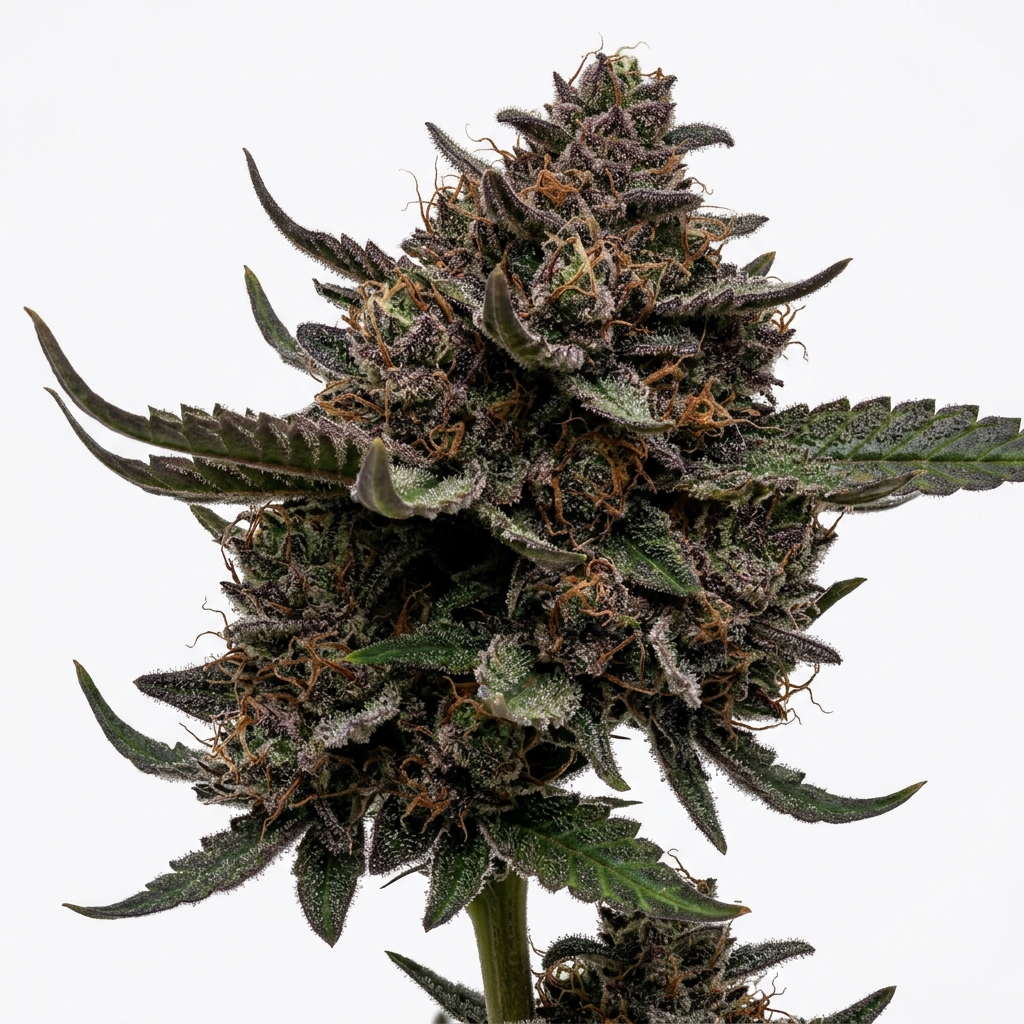
Black Cranberry is an indica-dominant hybrid cannabis cultivar bred by Mister C Seeds. The standard genetic pairing unites Black Lime Reserve with a proprietary Cranberry cut derived from elite Archive Seed Bank selections. Recognized among specialty growers and extractors for its striking bag appeal, Black Cranberry develops dense, dark green and deep violet inflorescences that often turn near-black late in the bloom cycle. It delivers an aromatic bouquet reminiscent of bitter aperitifs, blending tart cranberry and ripe blackberries with cracked pepper, crushed herbs, and pungent fuel.
Strain Profile & Genetics
The core genotype of Black Cranberry was developed by California-based boutique breeder Mister C Seeds by crossing the storied heirloom cultivar Black Lime Reserve with Cranberry (Pieface #44 × [Sunset Sherbert × Kimbo Kush]). The cut achieved broader commercial recognition when Watsonville, California’s Haze Valley Nursery hunted, selected, and verified the notable clone known as Black Cranberry #5.
Disambiguation is occasionally required in regional legal markets: while the Mister C Seeds cross represents the primary, breeder-verified cultivar, Arizona cultivator High West Farms markets an alternative selection designated as a Cranberry Haze phenotype, and certain retailer listings occasionally conflate the ancestry with generic Blackberry crosses.
- Breeder: Mister C Seeds (selection hunted by Haze Valley Nursery)
- Genetics: Black Lime Reserve × Cranberry
- Cultivar Type: Indica-dominant hybrid
- Seed Type: Regular (clones available commercially via nursery stock)
- THC Potency: 28%–33% (Haze Valley selection); 26.1% (High West Farms cut)
- Primary Terpenes: Limonene, Beta-Caryophyllene, Beta-Myrcene
- Flowering Time: 63–70 days
- Outdoor Harvest: Mid- to late October
- Plant Structure: Dense, compact floral nodes with moderate lateral expansion
- Yield: Medium to High
- Aroma: Tart cranberry, ripe blackberry, forest floor, diesel fuel, and cracked black pepper
- Flavor: Bittersweet berries, herbal vermouth, dark cognac, and peppery pine
- Reported Mental Effects: Euphoric uplift transitioning into a peaceful, dreamy, reflective state
- Reported Body Effects: Deep muscular easing, grounding physical relaxation, and evening sedation
- Resin & Extraction: High resin output with rich, wash-ready glandular trichomes
Appearance
Black Cranberry forms tight, compact colas characterized by high calyx density and substantial floral mass. The color profile is one of its most distinctive physical features: foliage and calyxes mature into a rich spectrum of forest greens and royal purples, frequently shifting toward deep, near-black pigmentation as temperatures drop during the flush period. Protruding through the shadowed bracts are slender, rust-orange to copper pistils. The surface is heavily frosted with a dense, glittering blanket of bulbous glandular trichomes, providing intense visual contrast against the dark background.
Aroma & Flavor
The olfactory signature of Black Cranberry is complex, layered, and dessert-adjacent without being cloying. Cured flowers release an initial burst of tart red cranberries and macerated dark berries, underlined by pungent petroleum fumes and earthy undertones. Upon breaking the buds open, secondary scents of crushed sweet herbs, musk, and sharp black pepper emerge.
When vaporized or combusted, the smoke delivers a profile that connoisseurs describe as akin to an herbal aperitif. The inhalation opens with mouthwatering berry tartness and sweet blackberry juice, followed on the palate by nuanced notes of herbal vermouth, aged cognac, pine resin, and spiced oak. A dry, peppery, and lingering herbal finish persists on the exhale.
Terpene Profile
Analytical batch testing reveals a terpene profile dominated by monoterpenes and sesquiterpenes that mirror its sweet, tart, and peppery bouquet. Laboratory assays recorded total terpene concentrations reaching up to 3.782% in top-shelf indoor selections. The primary terpenes include:
- Limonene (reported up to 1.390%): Supplies the crisp, mouthwatering citrus brightness that highlights the tart cranberry notes.
- Beta-Caryophyllene (reported up to 0.884%): Contributes pungent cracked pepper, warm spice, and wood tones, while actively binding with peripheral cannabinoid receptors.
- Beta-Myrcene (reported up to 0.686%): Imparts an earthy, musky, ripe forest-fruit base note that reinforces the strain’s sedative properties.
Potency & Cannabinoids
Black Cranberry is a high-potency cultivar primarily selected for heavy cannabinoid synthesis. Laboratory metrics from nursery and commercial brand data—such as Haze Valley Nursery’s catalog—report THC levels ranging between 28% and 33%. Cultivated cuts from different regions show consistent strength; for instance, High West Farms’ batch tests reflect approximately 26.1% THC. Cannabidiol (CBD) concentrations generally remain below significant analytical thresholds, making the cultivar predominantly THC-centric with minor contributions of cannabigerol (CBG).
Effects
Consumer experiences are inherently subjective and may vary based on tolerance, dosage, and consumption method.
Mental Effects
Black Cranberry generally induces a gentle, mood-elevating cerebral buzz during the onset. Users report an immediate lifting of mental tension, followed by a calm, tranquil euphoria. Rather than producing racing thoughts or high-energy stimulation, the cognitive effects settle into an introspective, dreamy clarity suitable for low-key socializing, creative listening, or nighttime reflection.
Body Effects
As the session progresses, the heavy indica heritage takes center stage. A soothing, weighted sensation spreads from the back of the neck throughout the extremities, releasing deep-seated physical stress. The lingering bodily calm gradually shifts into heavy relaxation, frequently promoting couch-lock and eventual sleepiness when consumed in moderate to high quantities.
Cultivation Characteristics
Black Cranberry demonstrates robust vigor across indoor, green-room, and sun-grown outdoor environments. Plants form sturdy, medium-height stalks with thick stems capable of supporting its weighty flower clusters. Internodal spacing is relatively tight, yielding dense and compact colas that require adequate ventilation and precise humidity control in late flowering to protect against botrytis.
Indoor flowering cycles complete within 63 to 70 days (averaging roughly 65 days). Outdoor gardeners in temperate climates can expect harvest windows between mid- and late October. Commercial nurseries note that the cultivar responds well to canopy training and delivers medium-to-high yields when provided with balanced nutrition and optimal lighting.
Resin & Extraction Characteristics
Due to its high gland-head density and brittle trichome necks, Black Cranberry is featured on select nursery menus as a dedicated cultivar for mechanical resin extraction. The cultivar has earned a strong reputation among hash makers for its ice-water extraction performance, producing yields of fragrant, full-melt bubble hash and solventless live rosin. The preserved terpene fraction retains the signature bitter cranberry, berry gas, and peppery notes throughout the curing process.
Lineage & Related Strains
The primary Black Cranberry lineage traces directly to two standout ancestors:
- Black Lime Reserve: An acclaimed Northern California polyhybrid bred by Aficionado Seeds (Northern Lights × Purple Kush × Chemdawg Special Reserve), prized for its distinct black-peppery lime fuel profile and heavy physical potency.
- Cranberry: Mister C Seeds’ flagship breeding cut, derived from Pieface #44 × (Sunset Sherbert × Kimbo Kush), which infuses deep berry pastry flavors and pronounced anthocyanin expression.
Sources & Data Notes
Genomic origin, breeder data, and cultivation parameters are sourced directly from documentation provided by Mister C Seeds, nursery listings from Haze Valley Nursery (Watsonville, CA), and commercial production manifests from California and Arizona distributors (including Royal Kush Farms, Vortex, and Trulieve). Discrepancies in regional cannabinoid percentages (ranging from 26.1% to 33% THC) reflect differences between individual phenotype cuts, cultivation mediums, and analytical testing facilities.
Black Cranberry Summary
Black Cranberry stands out as a distinguished indica-dominant hybrid tailored for flavor collectors and extraction artists. Combining Black Lime Reserve with proprietary Cranberry genetics, it offers dense, dark purple blossoms, high THC content (28%–33%), and a rich, aperitif-style terpene profile rich in limonene, caryophyllene, and myrcene. Its combination of tart berry-gas flavors and grounding physical tranquility makes it an exceptional choice for late-evening relaxation.