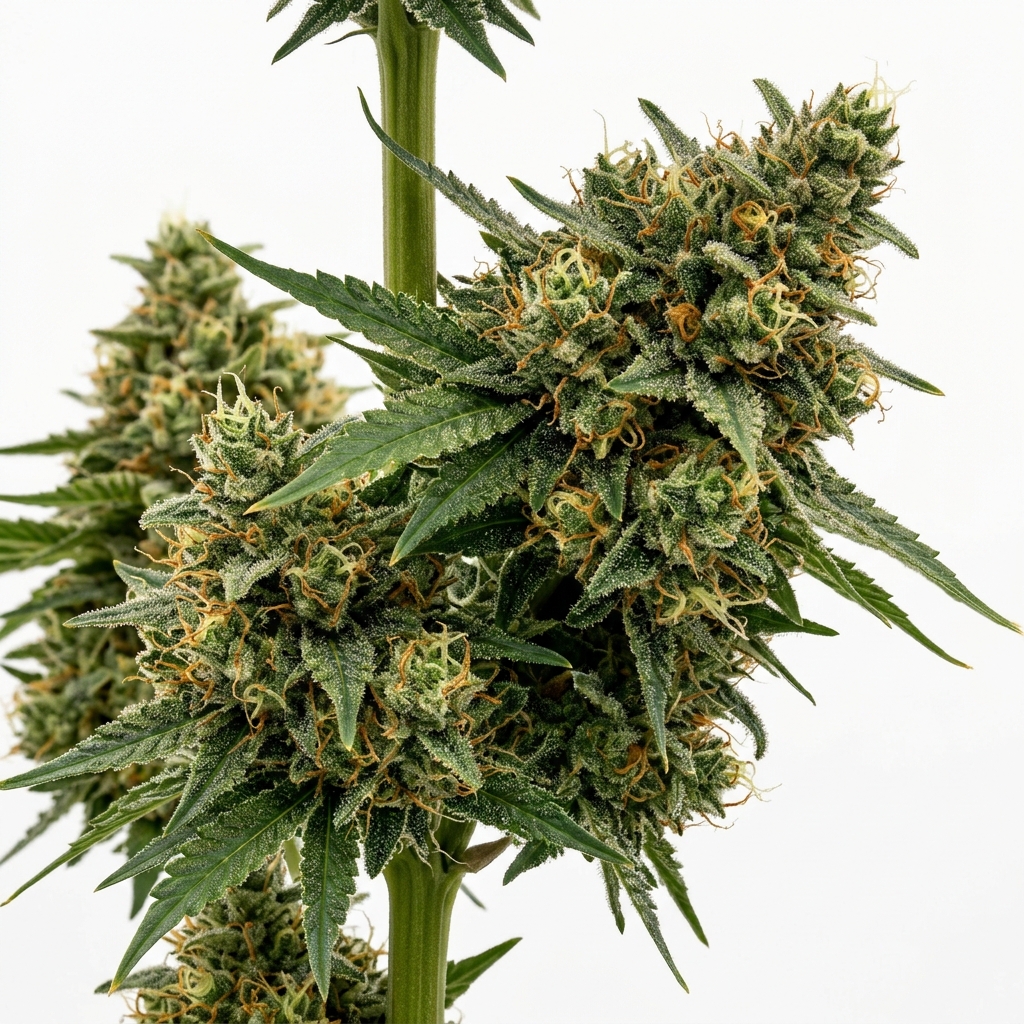
Honey Zanana is a modern hybrid cannabis cultivar that has gained prominence through multi-state commercial distribution by Green Thumb Industries (GTI) under their RYTHM, Good Green, and Dogwalkers labels. Recognized for its confectionery-forward aromatic signature that pairs creamy banana with sweet honey and tropical undertones, the cultivar is prized both as cured whole flower and as a resinous input for solventless live rosin extractions.
Strain Profile & Genetics
While Honey Zanana has achieved widespread retail distribution in regulated medical and adult-use markets including Pennsylvania, Illinois, and New York, its precise genealogical documentation presents minor differences across commercial packaging:
- Breeder: Not reliably established (commercialized primarily by Green Thumb Industries; community reports frequently attribute breeding to Rare Genetics, though unconfirmed by primary seed registries)
- Genetics: Disputed (predominantly labeled by RYTHM as Strawberry Banana × Vitamin Z; alternatively documented on select Good Green packaging as Honey Banana × Z3)
- Cultivar Type: Hybrid
- Seed Type: Not reliably established (distributed commercially as clone-only production stock)
- THC Potency: 16.1% to 33.84% Total THC / THCA (batch-dependent analytical range)
- CBD Content: <1% (typically testing between 0.0% and 0.1% CBD/CBDA)
- Dominant Terpenes: Limonene, Beta-Myrcene, Beta-Caryophyllene, Humulene
- Aroma: Sweet honey, ripe banana, creamy fruit, subtle earth
- Flavor: Sugary honey, creamy banana smoothie, strawberry accents, light spice
- Mental Effects: Uplifted mood, clear euphoria, creative focus
- Body Effects: Calming somatic relaxation, tension relief without heavy sedation
- Resin Production: High glandular trichome density suitable for solventless extraction
Appearance
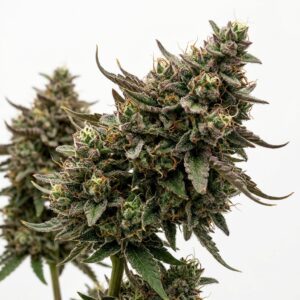
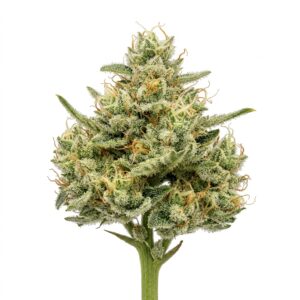
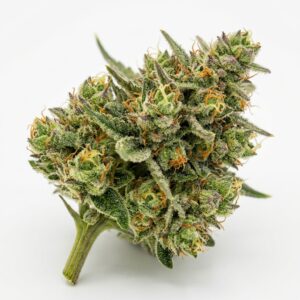
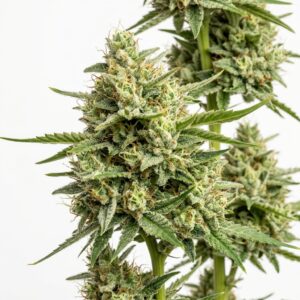
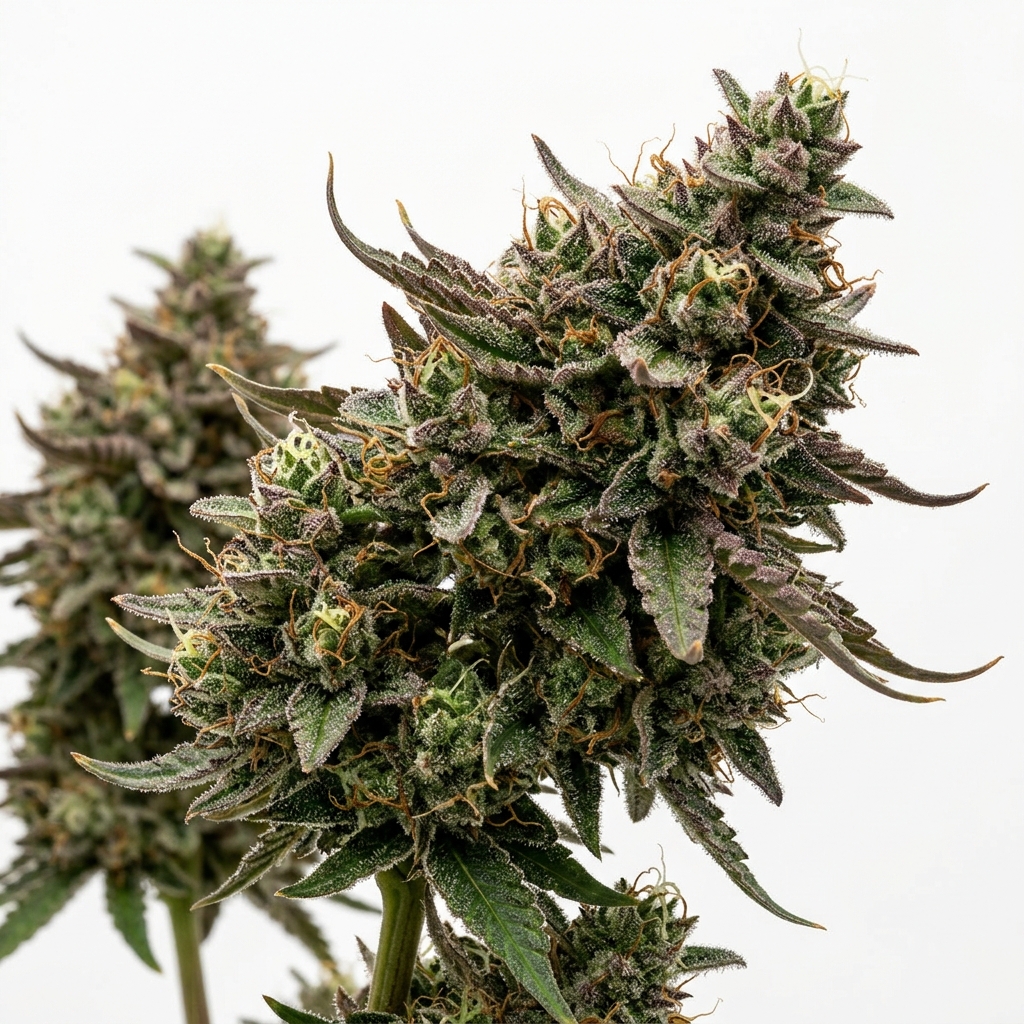
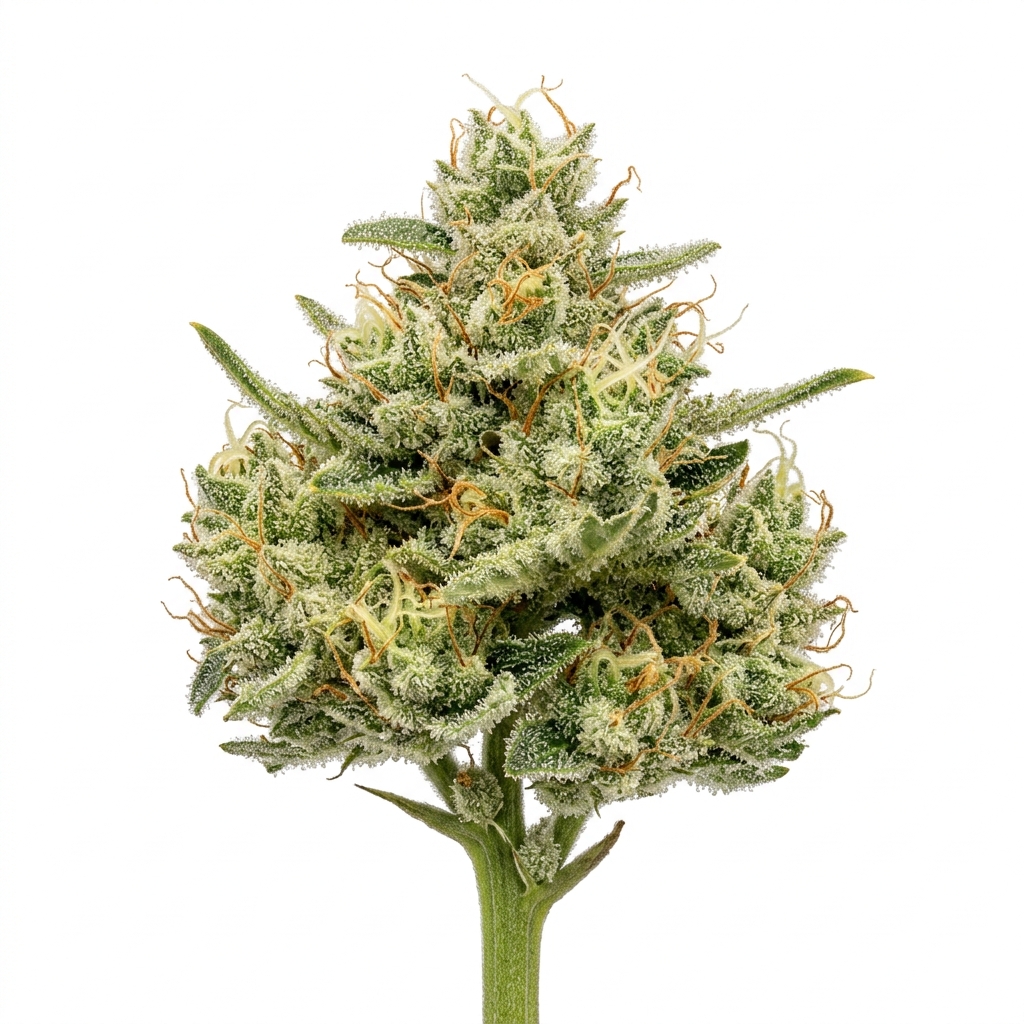
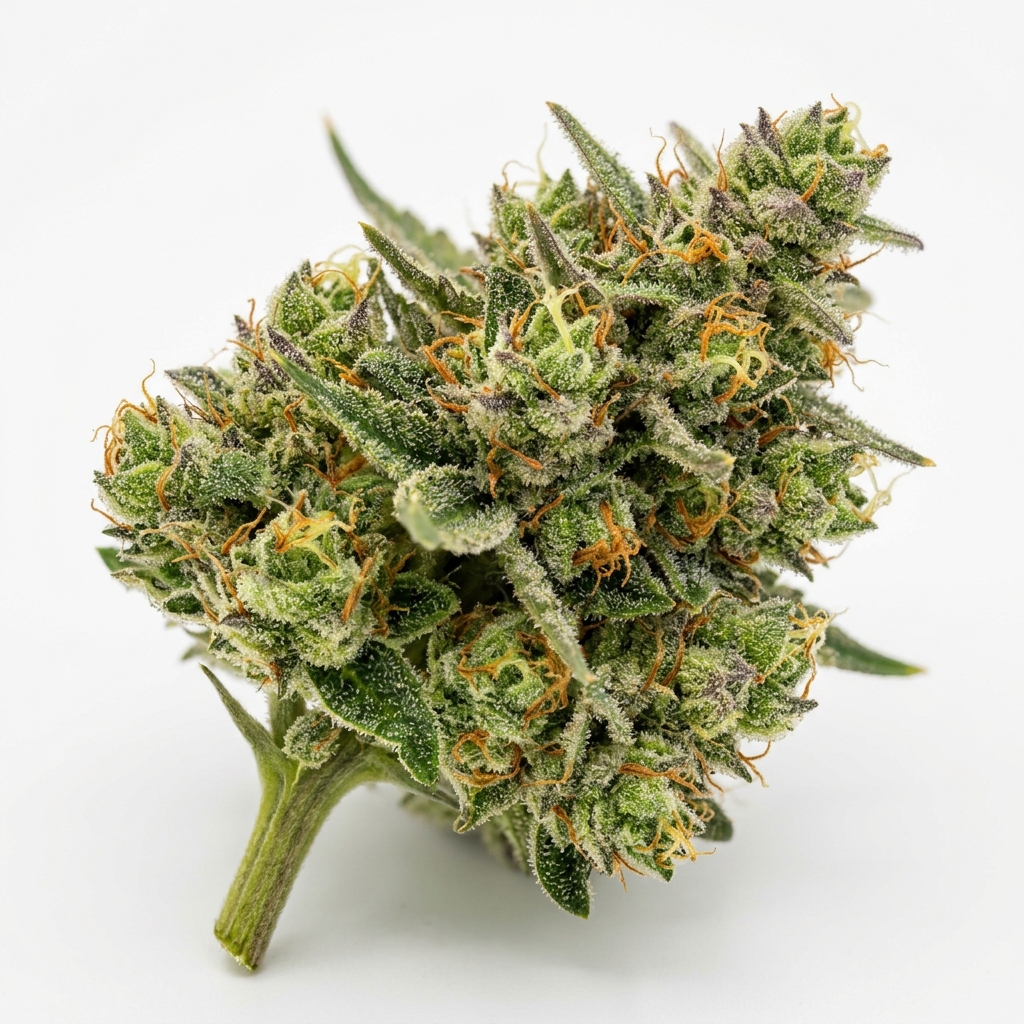
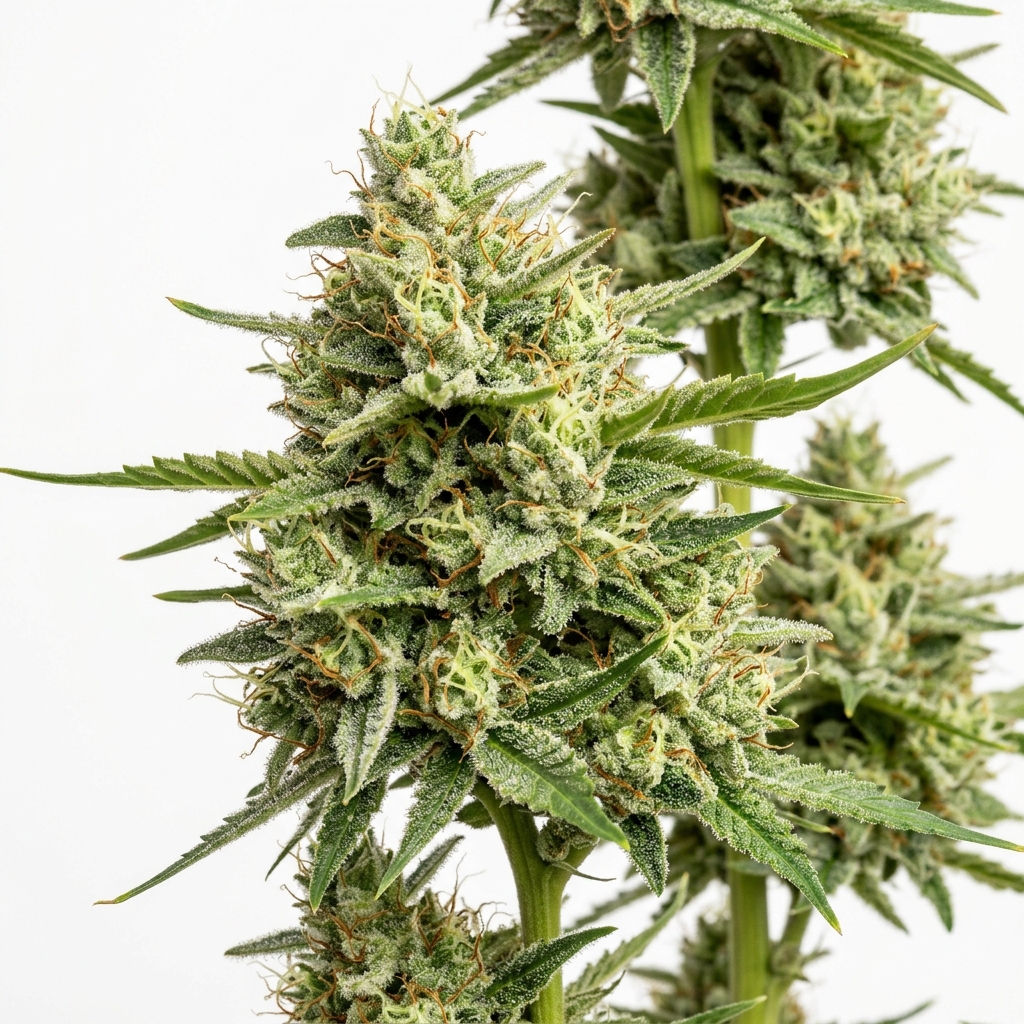
Honey Zanana flower generally exhibits dense, medium-sized conical to spade-shaped clusters characteristic of modern dessert-cultivar morphology. The floral bracts present varying hues of vibrant forest green and olive, occasionally flecked with subtle lighter chartreuse undertones. A dense network of slender, deep amber and copper pistils curls tightly inward against the calyxes. The surface is heavily frosted with a uniform blanket of bulbous, stalked glandular trichomes with milky to translucent resin heads, giving the cured flower a shimmering, sticky visual appearance.
Aroma & Flavor
The olfactory signature of Honey Zanana is exceptionally sweet and tropical. Breaking open the flower releases a wave of ripe banana and confectionary sweetness that closely mirrors clover honey. Underneath the dominant saccharine notes lies a subtle layer of tart red fruit, sweet citrus zest, and a gentle earthy spice.
Upon consumption through vaporization or combustion, the flavor delivers a thick, creamy banana smoke accompanied by a coating sweetness reminiscent of warm honey. The exhale introduces subtle berry accents—likely derived from its Strawberry Banana or Z-lineage roots—with lingering notes of humulene and caryophyllene spice on the palate.
Terpene Profile
Analytical testing from state-licensed laboratories reflects a terpene profile dominated by monoterpenes and sesquiterpenes that favor bright, sweet, and soothing organoleptic qualities. Total terpene content in cured flower typically ranges from approximately 0.85% to 1.5%:
- D-Limonene (0.17% – 0.39%): The most abundant terpene in many tested batches, delivering bright citrus notes and supporting daytime mood elevation.
- Beta-Myrcene (0.28% – 0.37%): Provides the underlying ripe fruitiness and herbal depth, contributing to the cultivar’s physical calm.
- Beta-Caryophyllene (0.20% – 0.27%): A dietary cannabinoid that interacts with peripheral CB2 receptors, adding a faint warm spice to the exhale.
- Alpha-Humulene (0.10% – 0.12%): Adds dry woody and earthy nuances, functioning synergistically with caryophyllene.
- Minor Terpenes: Frequently detected in trace amounts including Beta-Pinene (0.05% – 0.06%), Linalool (0.05% – 0.07%), Alpha-Pinene (0.03%), and Alpha-Bisabolol (0.02% – 0.03%).
Potency & Cannabinoids
Laboratory certificates of analysis for commercial Honey Zanana flower demonstrate variable total cannabinoid concentrations depending on the cultivation cycle and grading. Tested whole-flower lots range from 16.1% to 33.84% total potential THC, with median commercial batches typically registering between 22% and 28% THCA. Secondary cannabinoids include notable levels of Cannabigerolic Acid (CBGA), often testing between 0.74% and 1.50%, alongside small amounts of Delta-9 THC (0.2% – 0.5%) and Cannabigerol (CBG). Concentrated live resin and live rosin extractions derived from this cultivar frequently test between 70.22% and 89.92% total THC, with THCA concentrations exceeding 80%.
Effects
Consumer experiences with cannabis are subjective and can vary significantly depending on dose, tolerance, and individual biochemistry.
Mental Effects
Consumers typically report a smooth, upbeat cerebral onset characterized by clear-headed euphoria and stress alleviation. Honey Zanana is widely described as encouraging an optimistic, creative, and blissful mental state without precipitating intrusive racing thoughts or excessive mental fog, making it adaptable for daytime socializing or artistic focus.
Body Effects
On a physical level, the cultivar imparts a warm, easing sensation that relaxes the neck and shoulders. Muscular tension often dissipates into a mellow physical tranquility. At moderate doses, the cultivar remains functional and non-sedating, though larger intake or concentrated forms can encourage deeper physical relaxation suitable for late-afternoon or evening rest.
Cultivation Characteristics
Because Honey Zanana has been preserved and grown primarily as a proprietary commercial clone within closed multi-state operator facilities, detailed horticultural datasets for residential home growers—such as specific photoperiod flower duration in days, precise vegetative stretch multipliers, and square-meter yields—are not reliably established. In commercial indoor settings, the cultivar is managed under controlled climate parameters to protect its delicate monoterpene fractions and optimize trichome head development.
Resin & Extraction Characteristics
Honey Zanana has gained particular favor within commercial processing laboratories for solventless ice water extraction. Inheriting generous resin gland coverage from its banana-dominant ancestry, the cultivar produces abundant trichomes with brittle stalks and well-formed heads that detach cleanly during cold-water washing. Licensed processors regularly market Honey Zanana as fresh-frozen whole-plant live rosin and solvent-based live resin batters, which concentrate the terpene fraction—often exceeding 6% to 8% total terpenes—and accentuate the distinctive warm honey and creamy banana flavor profile.
Scientific & Botanical Overview
Botanically, Honey Zanana is an anthropogenic hybrid of Cannabis sativa L. exhibiting balanced morphological and physiological characteristics between broad-leaf and narrow-leaf ancestry. Its chemical phenotype (chemotype I) is characterized by high THCA synthesis paired with negligible natural CBD production. The presence of elevated CBGA points to robust enzymatic precursor activity along the geranyl pyrophosphate pathway. The coexistence of limonene and myrcene as co-dominant terpenes represents a classic aromatic archetype associated with sweet tropical fruit profiles in modern hybrid lines.
Lineage & Related Strains
The primary lineage attributed to Honey Zanana by its primary commercial producer (RYTHM) is Strawberry Banana × Vitamin Z. Strawberry Banana (Banana Kush × Bubble Gum) is renowned worldwide for its exceptionally high resin output and confectionary fruit profile, while Vitamin Z (Apples & Bananas × Z3, bred by Grounded Genetics) contributes complex candy sweetness, fuel undertones, and vigorous floral clustering. The secondary reported lineage, Honey Banana × Z3, mirrors this exact genetic territory: Honey Banana itself is a cross of Strawberry Banana and Honey Boo Boo, while Z3 is an inbred backcross line of the classic Zkittlez. As such, both reported parentages trace back to the same fundamental genetic pillars of Strawberry Banana and Zkittlez backcrosses.
Sources & Data Notes
Data compiled for this profile is sourced from laboratory-tested batches distributed in legal state cannabis programs (including Pennsylvania, Illinois, and New York medical and adult-use dispensaries), Certificate of Analysis (COA) records from commercial producers Green Thumb Industries (GTI), and specialist cultivar databases. Quantitative potency and terpene figures represent verified analytical test ranges and may vary across independent harvest cycles.
Honey Zanana Summary
Honey Zanana is a terpene-rich hybrid cultivar distinguished by an unmistakable aroma of raw honey, ripe banana, and tropical fruit. Testing across a wide potency range from 16.1% to 33.84% total potential THC with pronounced CBGA levels, it offers a balanced experience that blends cerebral cheer with physical calm. Due to its dense glandular trichomes, it has established a prominent reputation as both a flavorful cured flower and a top-tier input for premium solventless live rosin extractions.